

What’s your vision of America? Dominating popular culture for years, it’s a country nearly everyone…
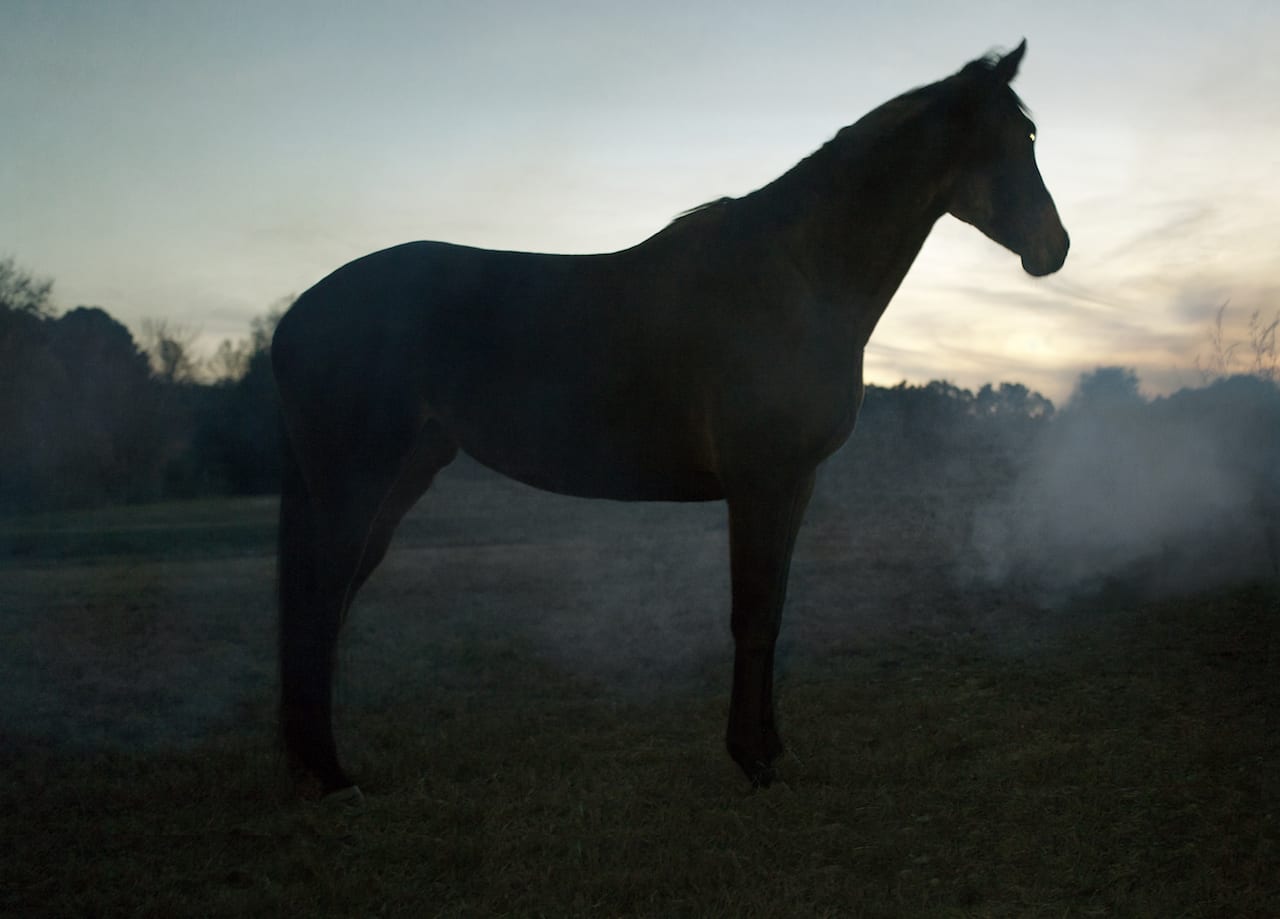
What’s your vision of America? Dominating popular culture for years, it’s a country nearly everyone…
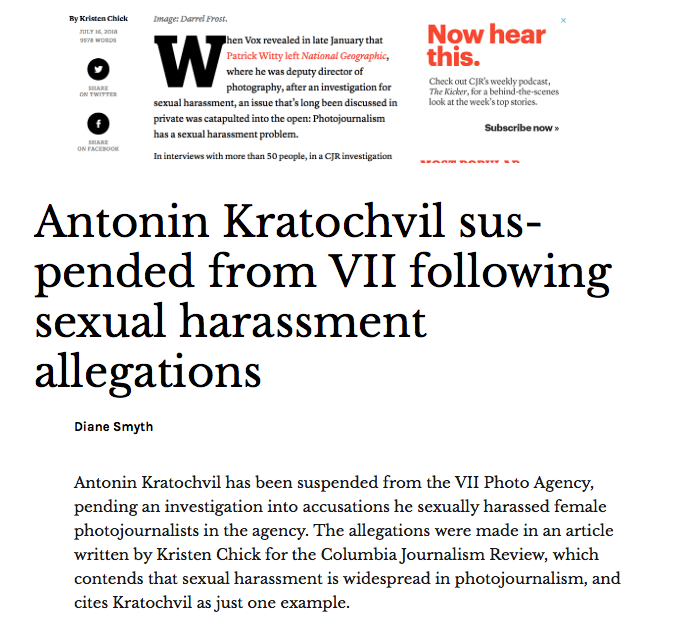
A lauded photojournalist and founding member of VII Photo, Antonin Kratochvil has left the agency…
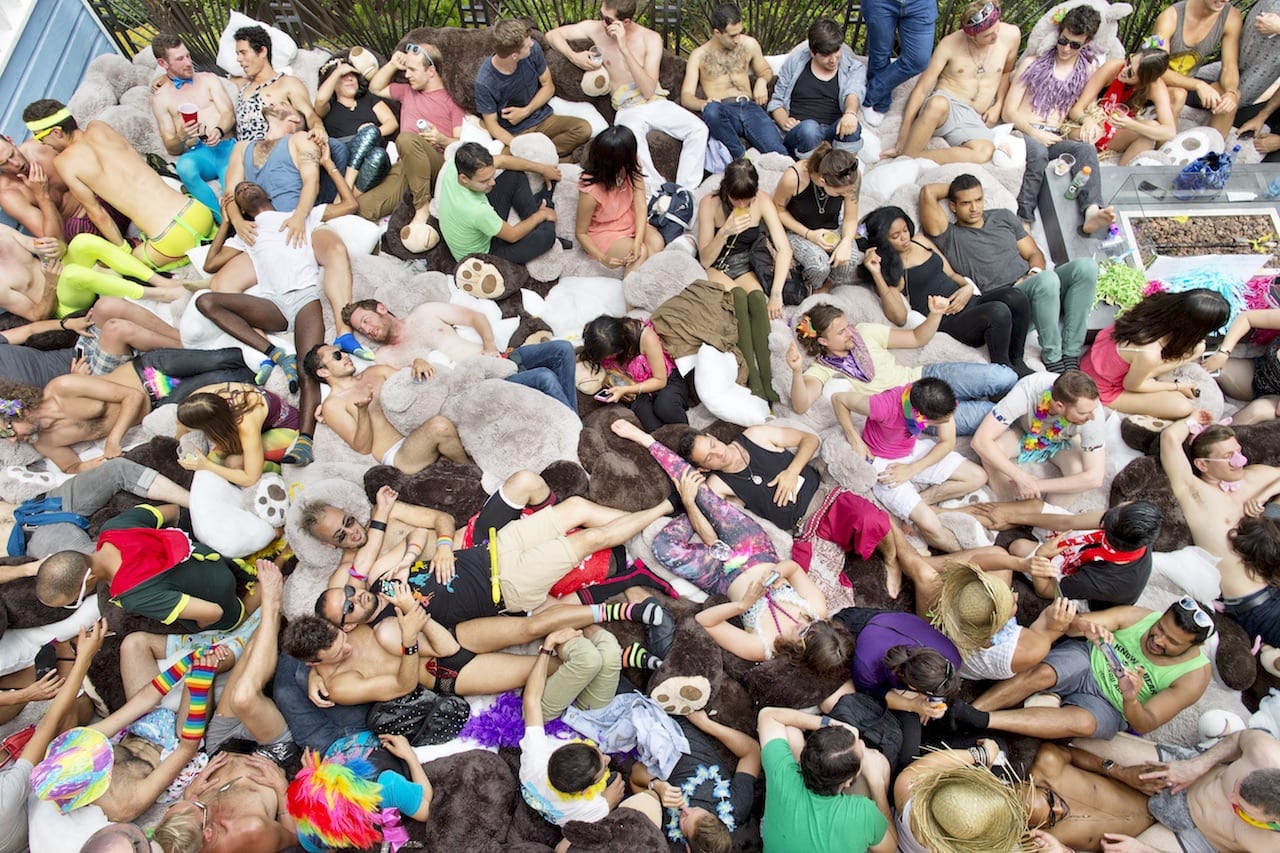
In Dave Eggers’ novel The Circle, recent graduate Mae Holland joins a highly successful social media corporation in California. The Circle, as the company is named, demands 24/7 loyalty from its staff but, seduced by its power and glamour, Holland is quickly drawn in and starts sleeping at the on-site dormitory and almost exclusively hanging out with its employees. By the end of the book things have taken a dystopian turn, and The Circle has morphed into a totalitarian regime, governed by slogans such as ‘Privacy is Theft’ and ‘Secrets are Lies’, poised to take over the world.
It’s a compulsive read, and is currently being turned into a film starring Emma Watson and Tom Hanks, so you’d think it would be required reading for young entrepreneurs relocating to San Francisco to set up their own tech businesses. Photographer Laura Morton agrees, but says most of them have never heard of the book. “You have to understand, most of them are completely dedicated to their work,” she says. “They have to launch faster than the next guy, quickly scale up their business… They’re not looking outward a lot.”
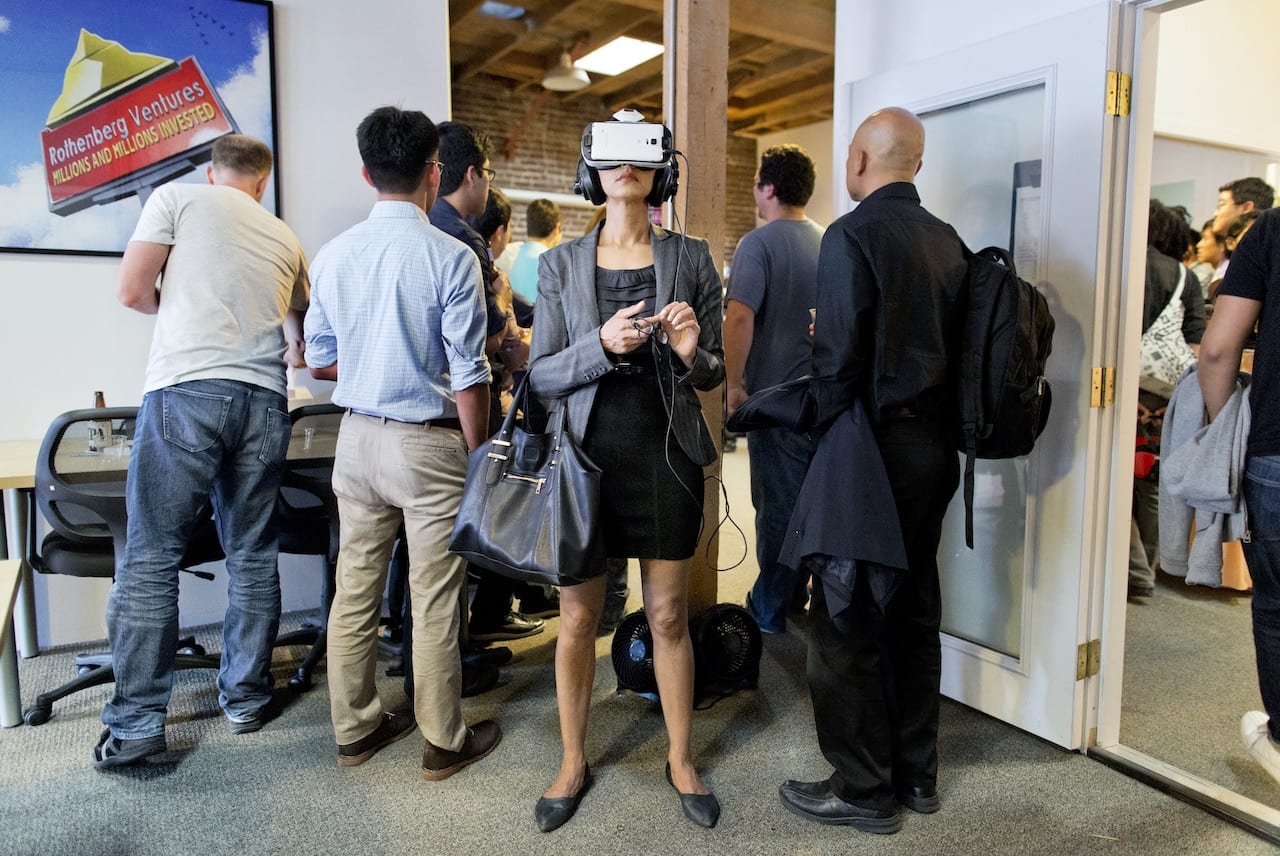
American photographer Laura Morton has won the 2018 Canon Female Photojournalist Award. The award gives her €8000 funding towards a new project, which will be exhibited at the 2019 Visa Pour l’Image festival.
Originally trained in Political Science and Journalism, Morton has previously shot projects on FARC guerrillas in Colombia, the segregation and oppression of Pashtun women in Pakistan, and military sexual assault survivors in the US, and her project on young tech entrepreneurs in San Francisco, Wild West Tech, was funded by the Magnum Foundation and published in BJP’s April 2016 relaunch issue. But she won the award with a pitch for a new project titled University Avenue, named after a road which runs through two very different districts of her home town, San Francisco.
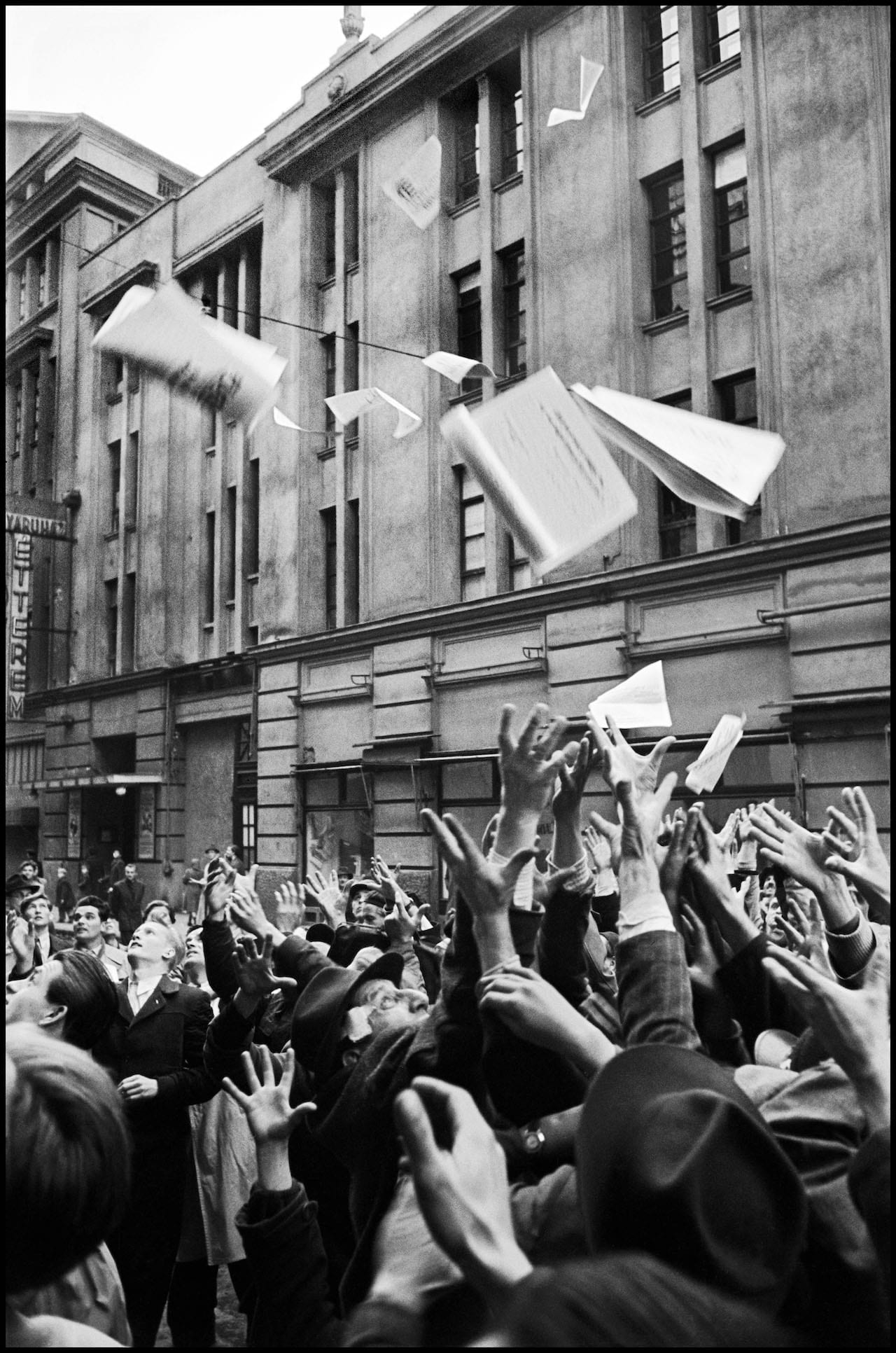
“I never thought of myself as doing anything other than telling stories,” said Erich Lessing. “The camera became the medium through which I did that, but I don’t carry a camera everywhere I go. To me, it is simply the means to a very specific end. I observe the world through my eyes and not through the viewfinder of a camera. I don’t interpret, nor do I adjust anything in the dark room. I am a realistic photographer.”
They’re modest words from a man who created iconic images of the 20th century, and who was a member of Magnum Photos for well over half a century. His photographs of the Hungarian revolution in 1956 were seen around the world, as was his shot of the presentation of the Austrian State Treaty on the balcony of the Belvedere palace in front of a cheering crowd in 1955.
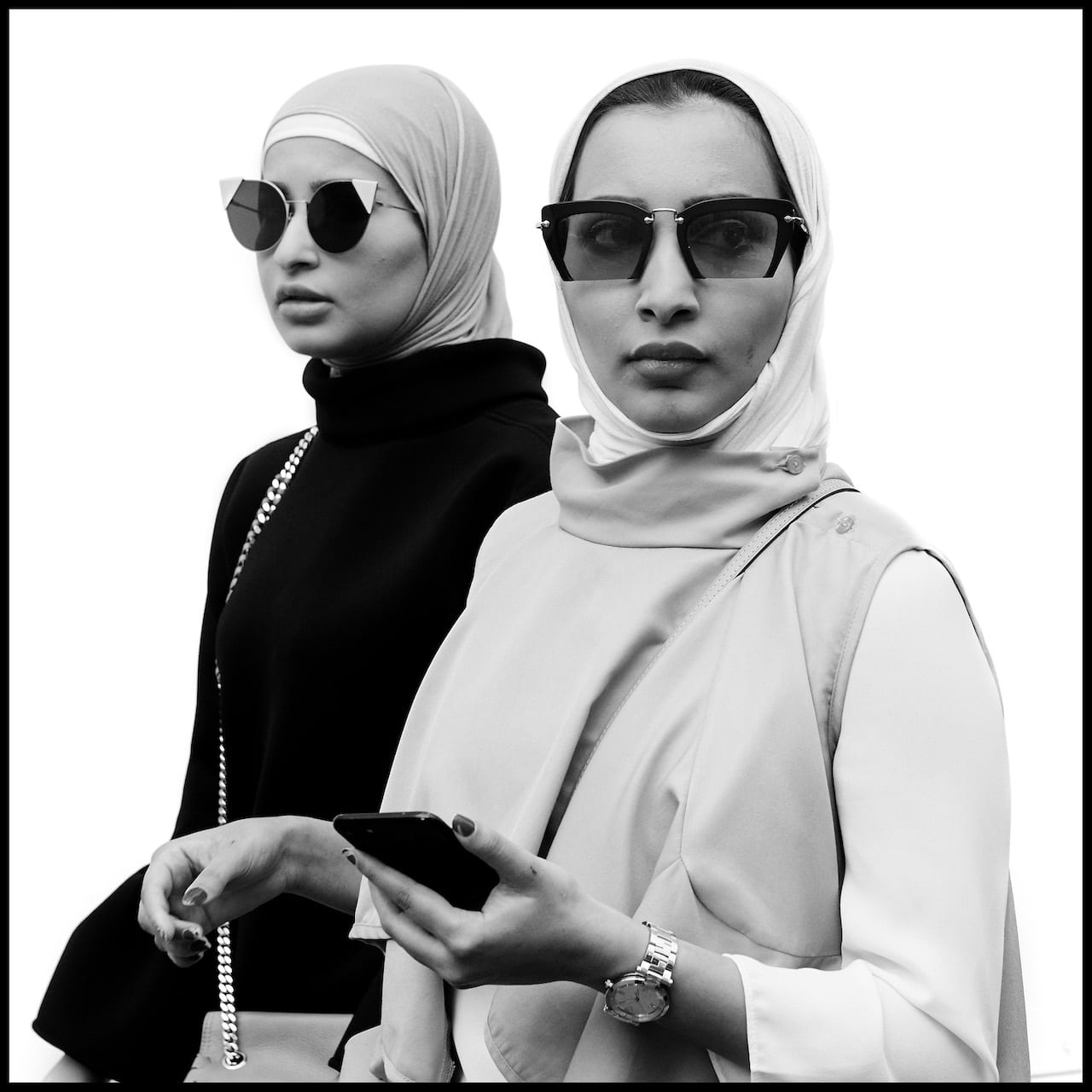
Photographs of a woman holding her baby, two shoppers, a drum majorette, and a child from a remote village in Sierra Leone have all been shortlisted for the National Portrait Gallery’s prestigious Taylor Wessing Photographic Portrait Prize this year. The prize winners will be announced at an award ceremony at the NPG on 16 October, with the overall winner receiving £15,000 and other cash prizes awarded to the shortlisted photographers at the judges’ discretion.
Two of the images were shot in London, with Max Barstow behind a striking photograph of two women in a busy shopping street in the city centre. The image comes from his series Londoners and in it, he says, his aim has been to “make unposed portraits with the intensity of images made by great studio photographers such as Richard Avedon and Irving Penn”.
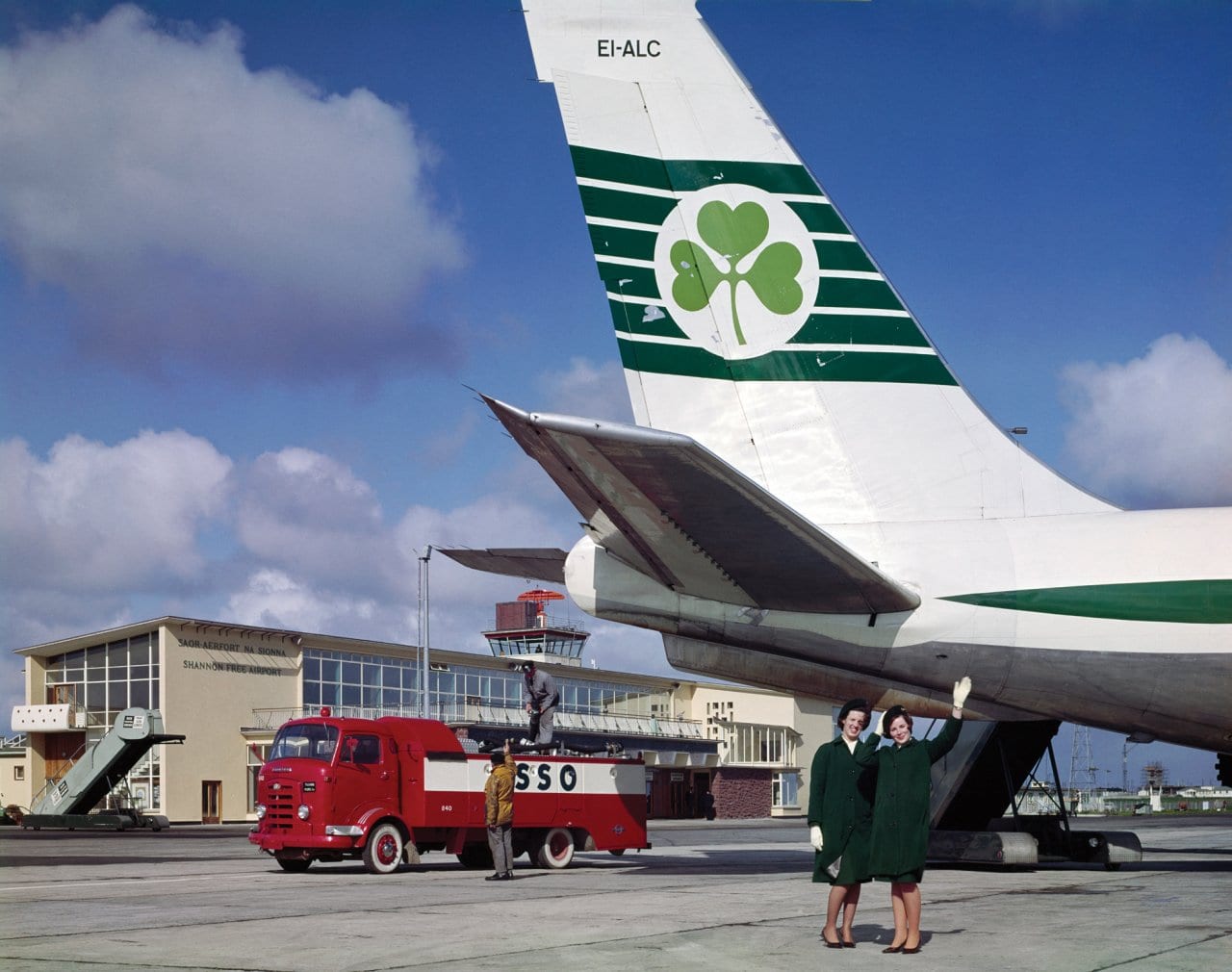
I once found a John Hinde postcard of Woburn Zoo tucked into a second-hand book; if you’ve grown up in the UK you too may have come across these iconic images in the wild – or in Martin Parr’s 2011 compilation Our True Intent is all for Your Delight: The John Hinde Butlin’s Photographs.
Now Hinde aficionados can find another compilation of John Hinde work, titled John Hinde Collection. Born in Somerset in 1916, Hinde was a capable photographer in his own right but hit the big time in the 1950s and 60s with his company, John Hinde Ltd, which specialised in creating brightly-coloured, ever-optimistic postcards. Established in 1956 and sold in 1972, John Hinde Ltd created postcards of Britain, Ireland, and many European and African countries, created by a stable of photographers such as Elmar Ludwig and Edmund Nagele as well as by Hinde himself.
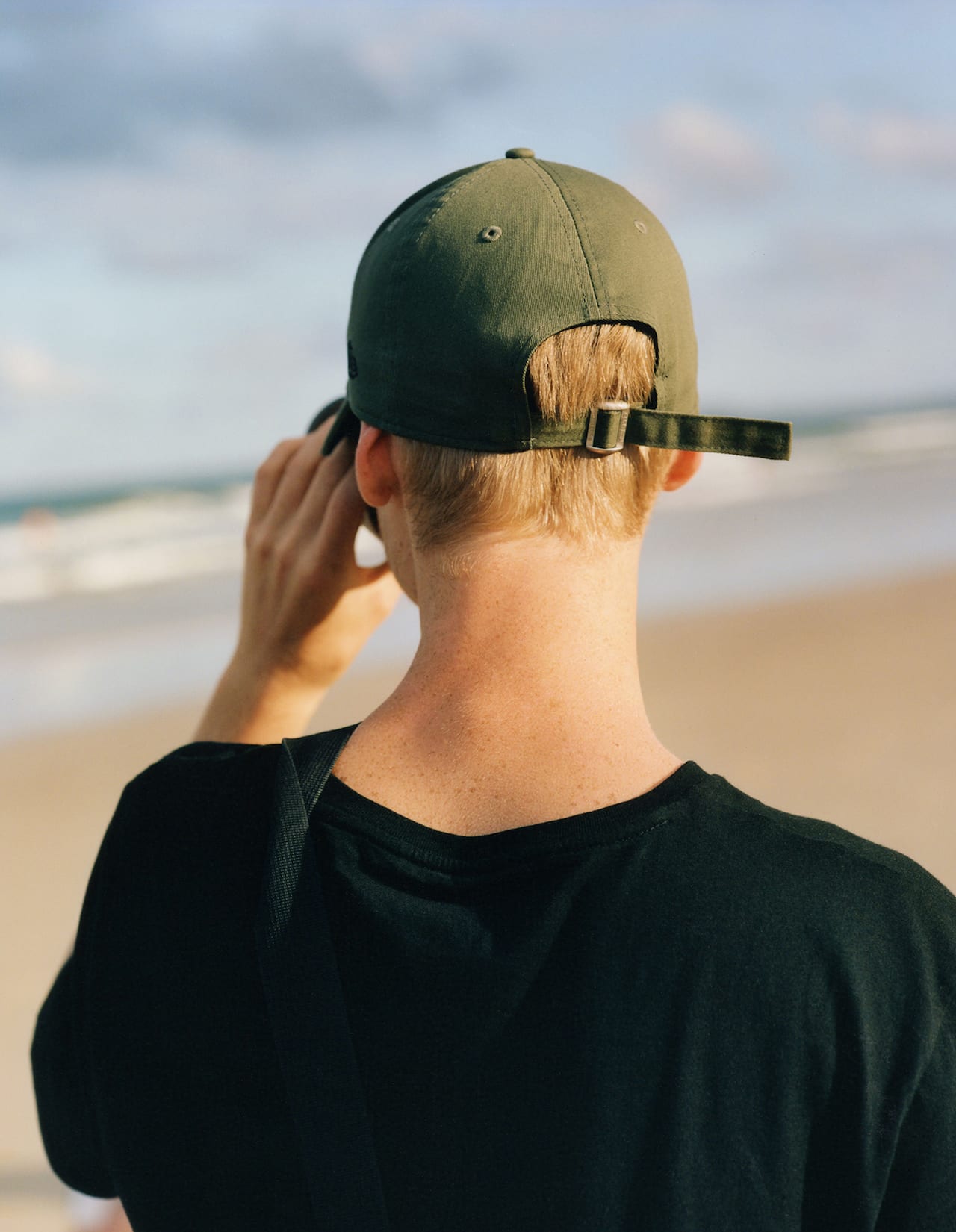
Trained in photography at Westminster University, Patricia Karallis set up Paper Journal in 2013 and swiftly gained a reputation for her discerning eye for images. For five years the magazine ran online only, racking up more than 500 interviews, features, photo book reviews, fashion features, and studio visits, and attracting well over 150,000 followers to its Instagram feed. It’s now gone into print for the first time, and the photographers featured in it reads like a who’s who of interesting contemporary image-makers, including Daniel Shea, Gregory Halpern, Matthew Connors, Senta Simond, Kristine Potter, and Stephanie Moshammer, as well as less familiar names such as Joseph Kadow, Nhu Xuan Hua, and Xiaopeng Yuan.
“We do see that our industry is male-dominated, world-wide – though not within NOOR,” say…
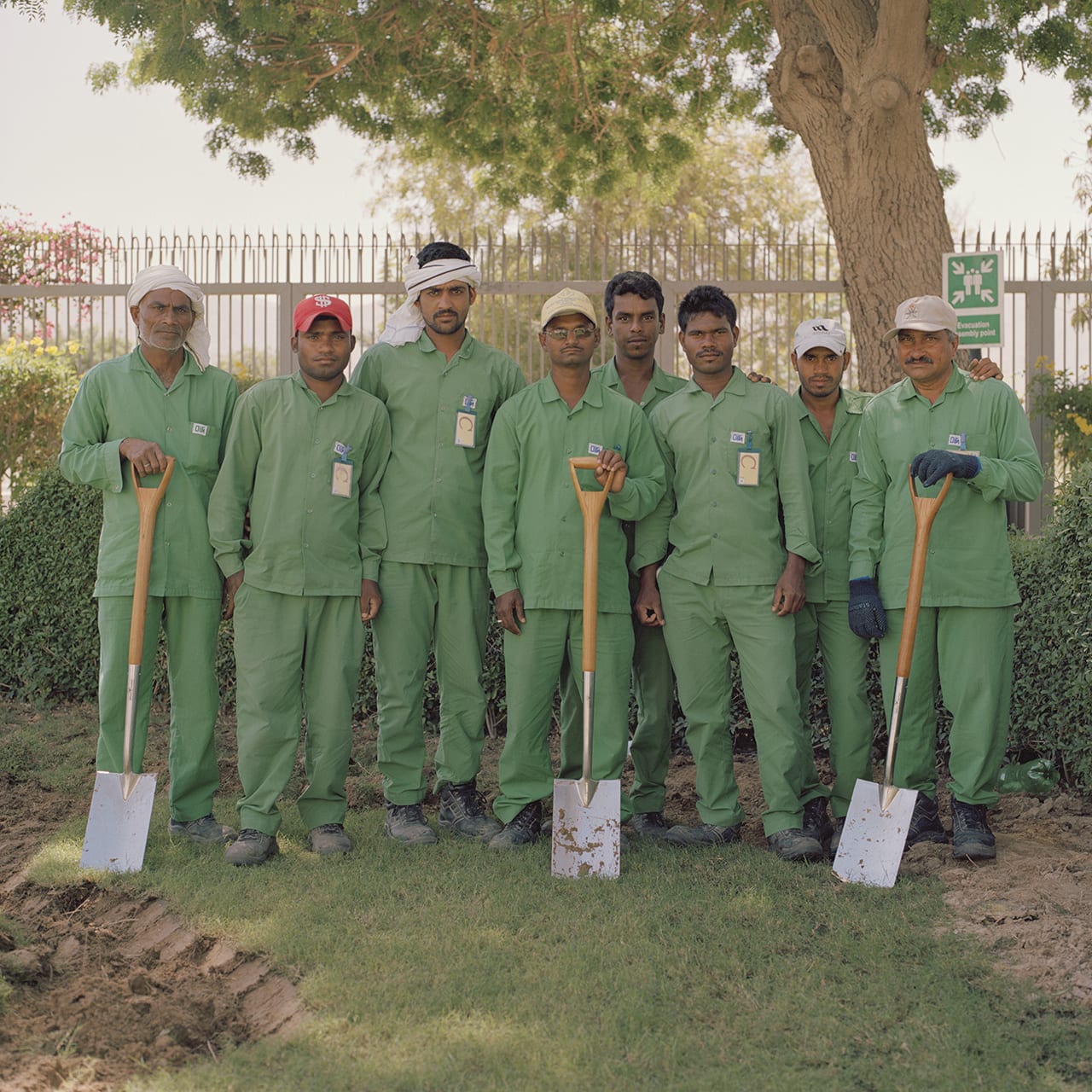
Titled XO, Josh Adam Jones’ graduation project investigates expatriate communities in Oman. “I had informed myself about Middle Eastern culture and the social landscape in the country before visiting, so upon arrival I was eager to embrace everything I was presented with,” he says. “The atmosphere was hugely welcoming, albeit stiflingly hot.”
Born in Cheltenham in 1995, and a recent documentary photography graduate from the University of the West of England, Jones says his inquisitive nature pushed him towards social documentary photography. “I like meeting people, so looking outwards, as opposed to photographing my own ‘backyard’, always felt natural,” he says. “Images have a wonderful potency that other mediums cannot quite match.”