
Documentary

Thomas Struth’s Nature & Politics

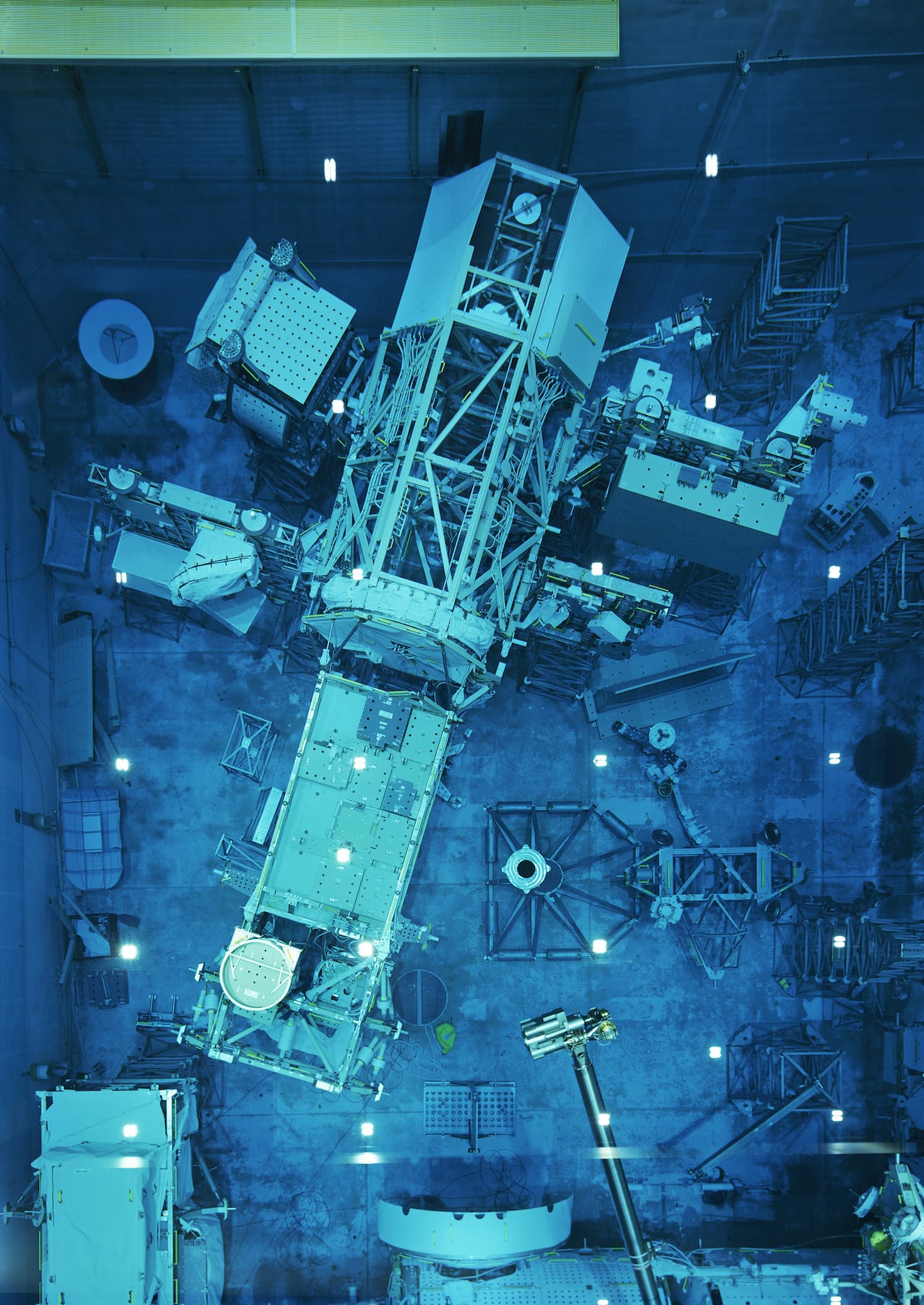
With Nature & Politics, Thomas Struth told BJP back in 2017, he hopes to “open doors to what our minds have materialised and transformed into sculpture, and to scrutinise what our contemporary world creates in places which are not accessible to most people”. Shot at industrial sites and scientific research centres throughout the world over the last 10 years, the large-scale colour images show the strange contraptions created at the cutting-edge of technology.

But these images also, he told BJP, say something about his own relationship to the world, and the place in which he finds himself at this particular point in time. “I am an observer and participant in contemporary culture, and what matters to me is that I can only being something new depending on my situation in my own life,” he said. “When I was at school, 1984 seemed like a futuristic date. To have reached the age of 62 feels incredibly strange and choking, and to acknowledge the reality that I have perhaps 20 or 25 years left. There are complex evaluations that play a role in what I am attracted to, and I try to find the pictorial equivalent.”

11 February 2019

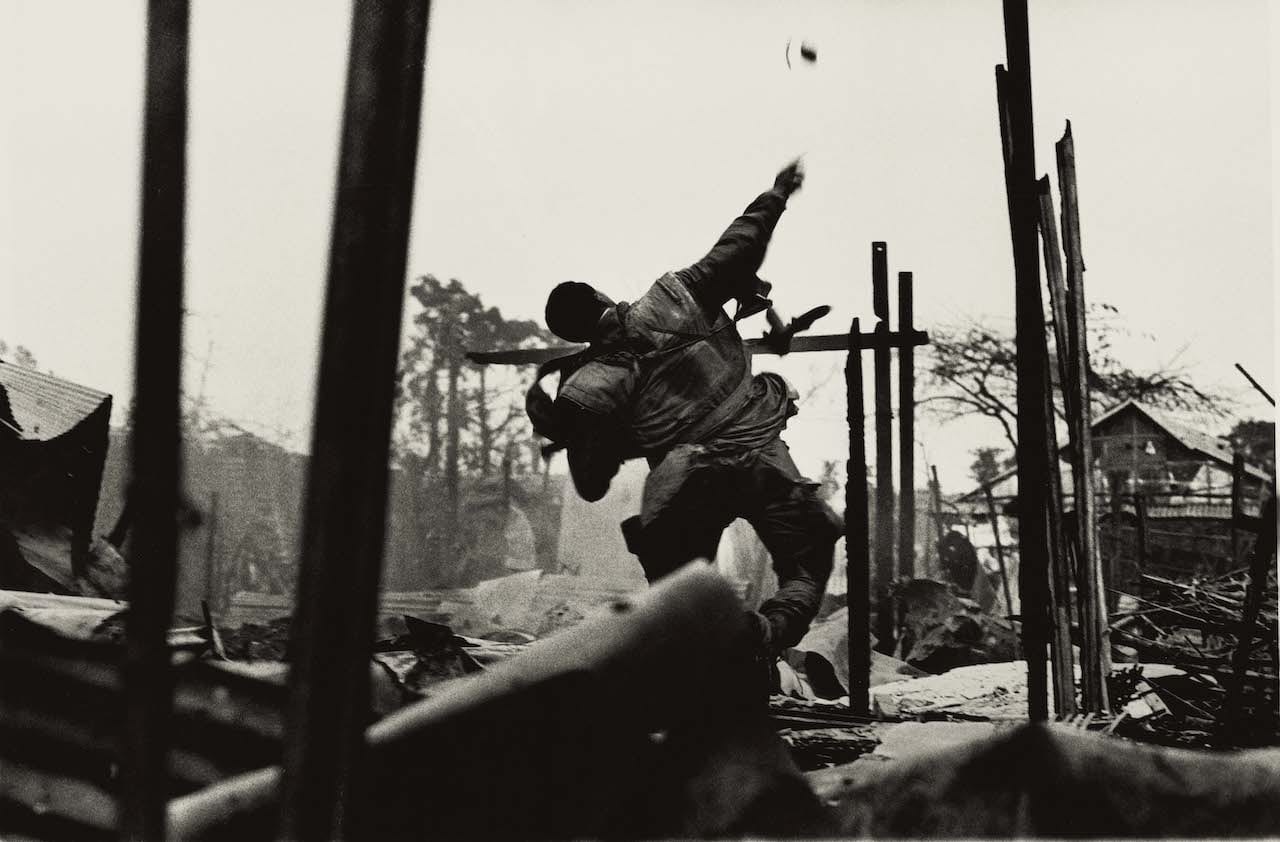
Don McCullin talks war and peace

An interview with Don McCullin is never going to be a dull affair – he is a complex man who has told the story of his life many times before. He is unfailingly polite and gentlemanly, but one detects a slightly weary tone as he goes over the familiar ground. He often pre-empts the questions with clinical self-awareness.

The story of McCullin’s rise from the impoverished backstreets of Finsbury Park in north London is one of fortuitous good luck, but it didn’t start out that way. Born in 1935, he was just 14 when his father died, after which he was brought up by his dominant, and sometimes violent, mother. During National Service with Britain’s Royal Air Force, he was posted to Suez, Kenya, Aden and Cyprus, gaining experience as a darkroom assistant. He bought a Rolleicord camera for £30 in Kenya, but pawned it when he returned home to England, and started to become a bit of a tearaway.

Redemption came when his mother redeemed the camera, and MccCullin started to take photographs of a local gang, The Guvners. One of the hoodlums killed a policeman, and McCullin was persuaded to show a group portrait of the gang to  The Observer. It published the photo, and kick-started a burgeoning career as a photographer for the  newspaper.

5 February 2019

BJP-online Loves…

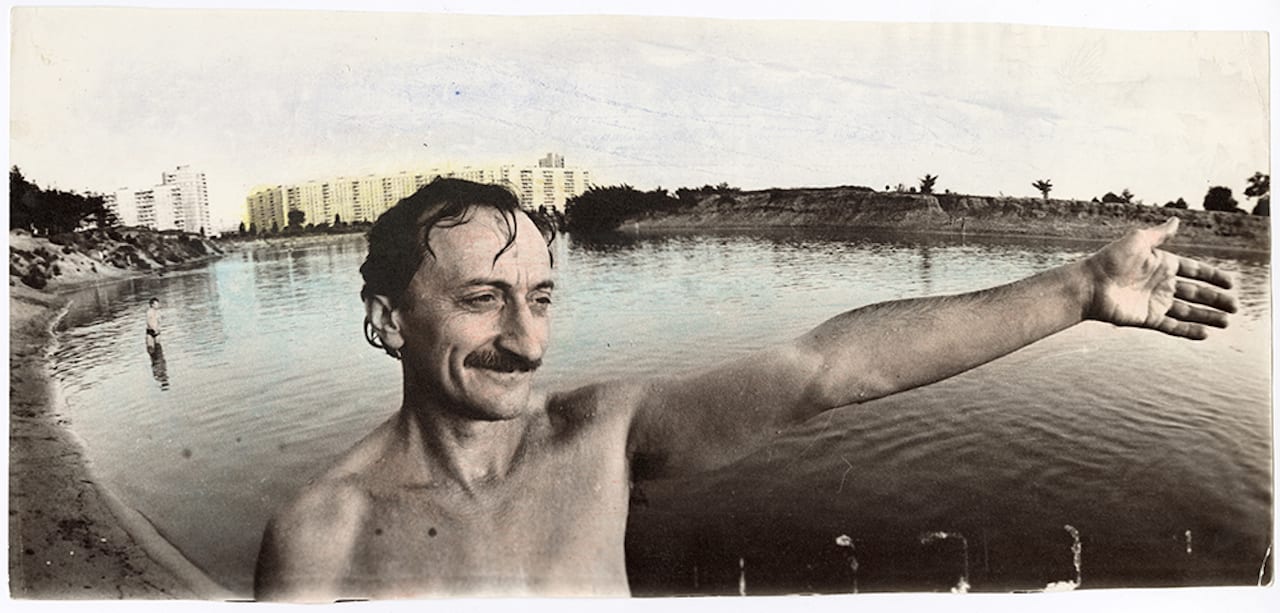
Our pick of the key stories from the past week, including Victor and Sergey Kochetov’s hand-tinted images, Ingvar Kenne’s images of parties in the Australian outback, and JeongMee Yoon’s Pink and Blue Projects

1 February 2019

Life on the permafrost in Yakutsk

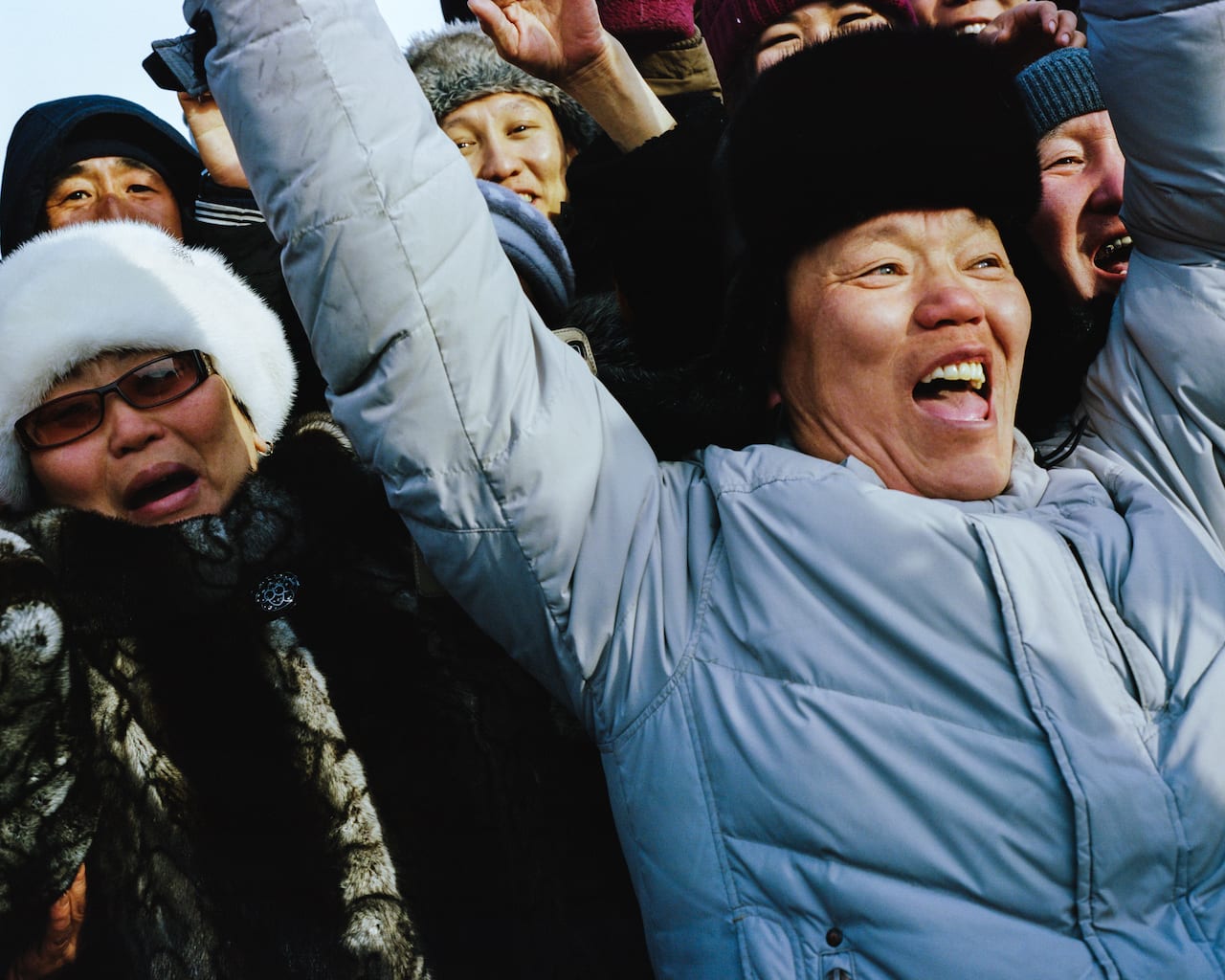
Though he was born in France, Alexis Pazoumian has long had ties with Russia. His grandfather, the painter Richard Jeranian, is originally from Armenia, and was among the first Western artists of his generation to go to Moscow in 1957, and then again in 1970, and then again for an exhibition in Novosibirsk in Siberia. “I grew up listening to the stories of his travels to this strange and far-away land,” says Pazoumian, “and it made me want to go there.”

Pazoumian’s uncle also adopted an Armenian girl after she was orphaned in the 1988 earthquake; this girl now lives in Yakutsk in the far north of Russia, so when Pazoumian heard about them, he decided he’d like to go to visit. “I was very well-received by this family,” he says. “They helped me throughout my stay.”

23 January 2019

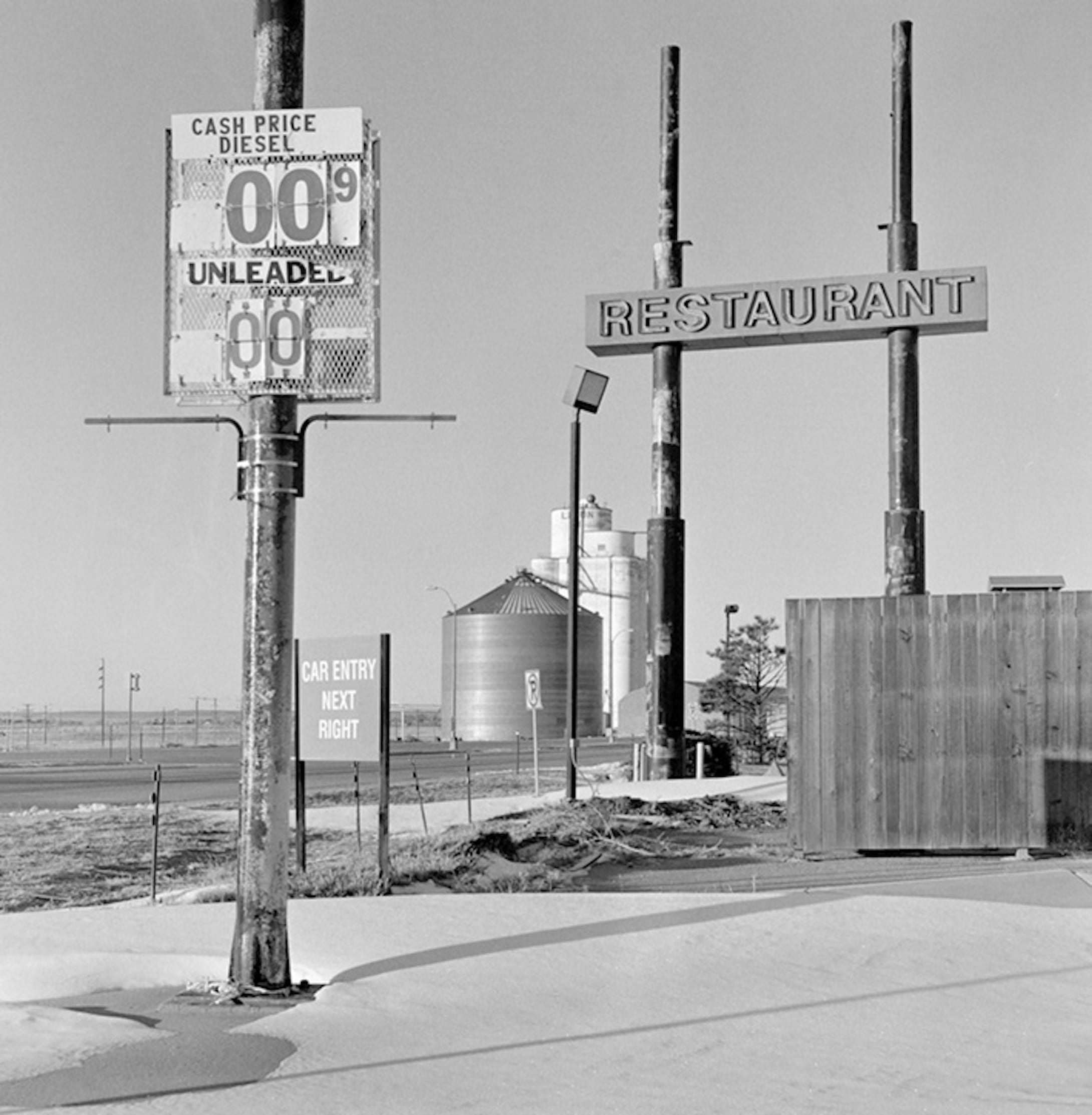
American Winter by Gerry Johansson

“For me it is important not to create a story with the pictures,” says Gerry Johansson. “Normally when you edit you try to sequence the photographs. But for me it is important that each picture is considered as a single, individual image.”

Johansson’s photography is largely driven by intuition, but when it comes to making a book, logic and order triumph. Almost all of his 31 photobooks are defined by their geography, if not the subject matter, and their equally-sized photographs are generally organised either alphabetically or chronologically, a bid to encourage readers to interpret them individually. 

23 January 2019

Isabella Hunts – on hunters and their prey

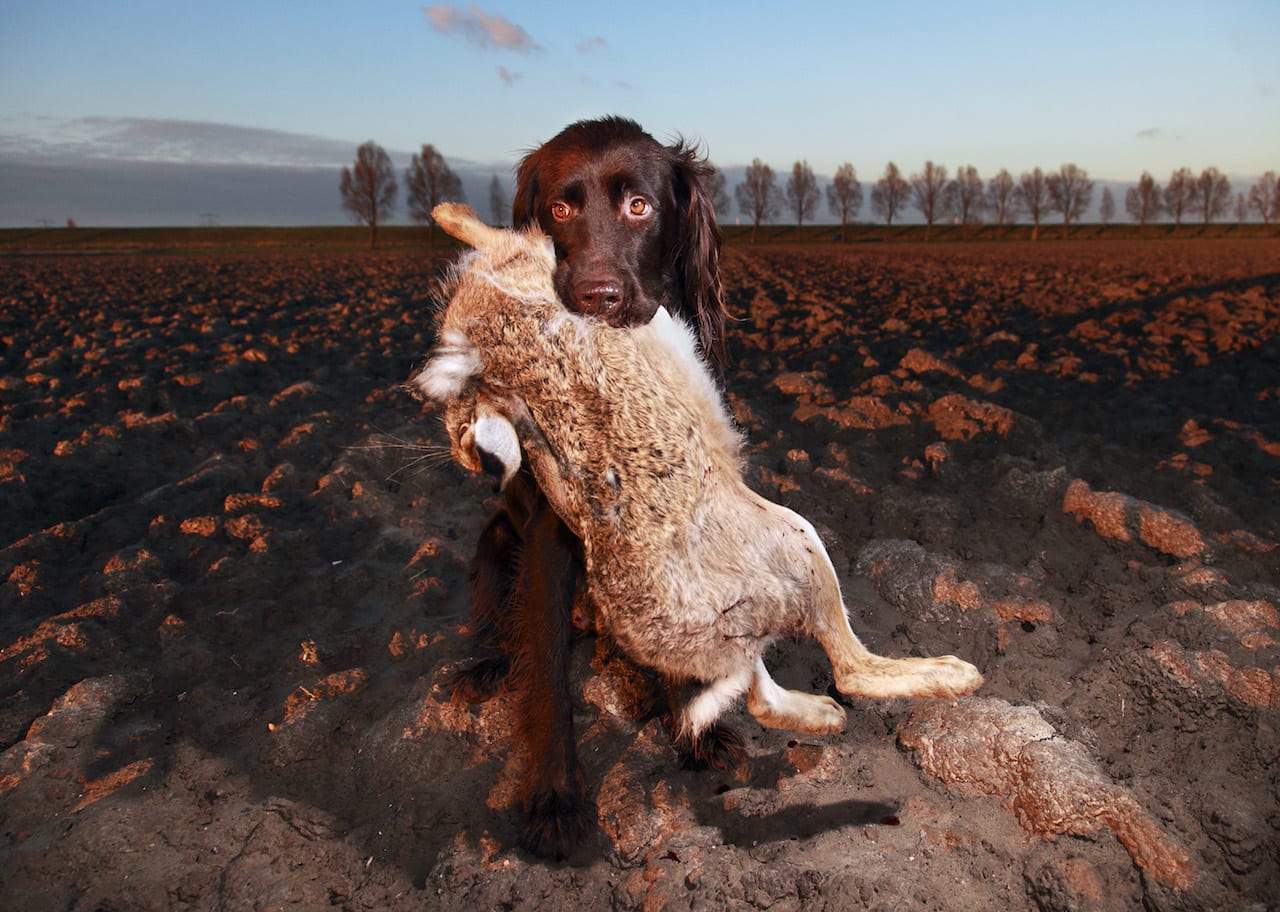
Born in Amsterdam in 1983, Isabella Rozendaal has been photographing animals since her student days at the Royal Academy of Arts in The Hague. Her book Animalia Amsterdam: Pet Portraits features over 100 images, and her new book and exhibition, Isabella Hunts: Photographing Hunting Cultures, shows images of hunters and prey from around the world shot over the last 12 years. 

Focusing in on the Nukini people in the Brazilian Amazon (for whom hunting is as mundane as going to the supermarket), to European hunting rites (traditions which are a product of old aristocratic rituals), to American enthusiasts (shaped by the Romantic, pioneer wilderness ideal but supported by a vast commercial hunting industry), her images seek to question our concept of nature and our place in the food chain.

18 January 2019

BJP-online Loves…

Our pick of the key stories from the past week, including Paris’ Circulation(s) festival of emerging European photography, the first-ever Kyiv Photo Book festival, and Todd Hido’s Bright Black World

18 January 2019

A fictional turn with A Thousand Word Photos

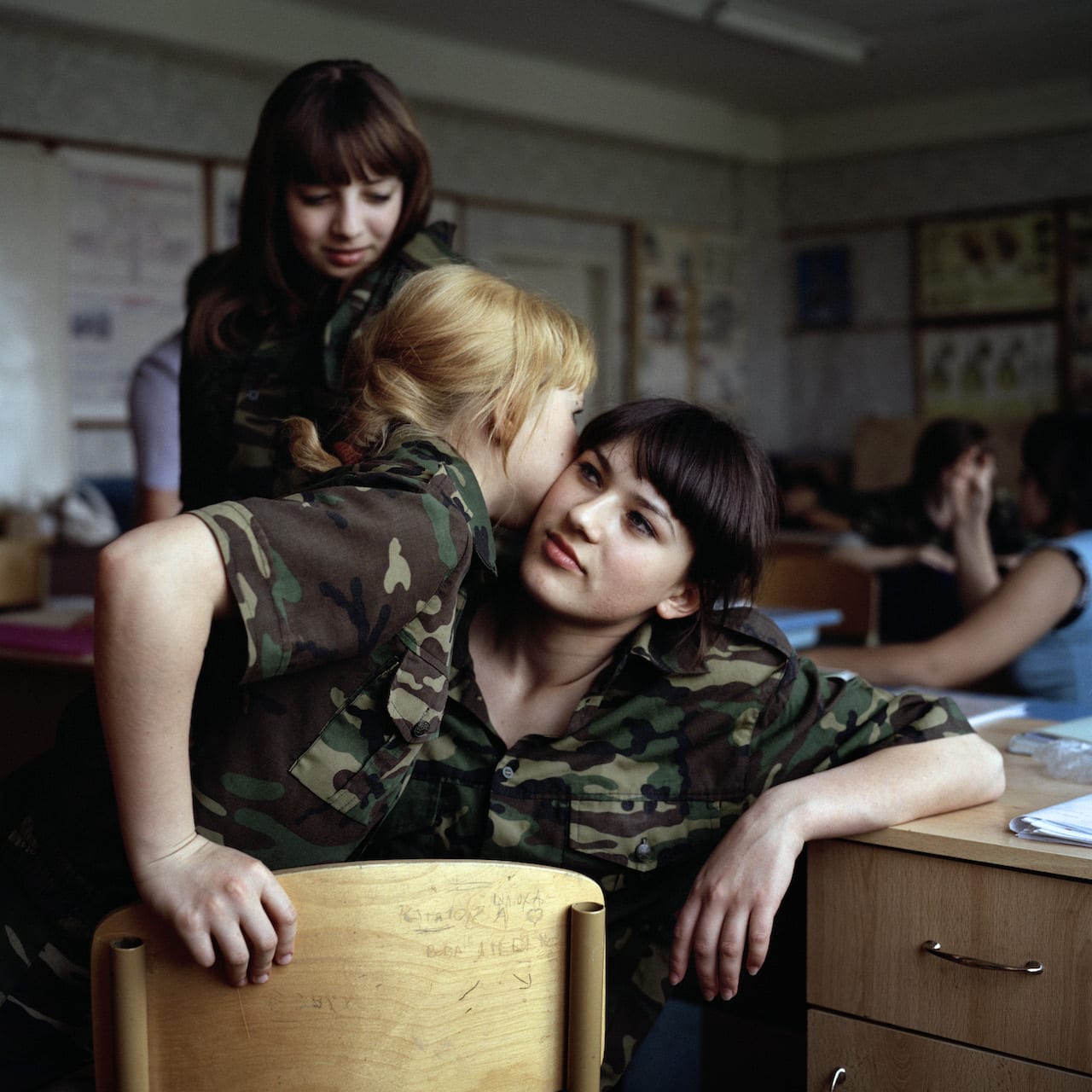
“She hangs around with us after school even though we make it clear she bores us. We whisper nonsense and pretend to laugh at jokes so she laughs too, and we ask, ‘What’s so funny?’ to watch her squirm. She knows we are mean, and yet still she follows along behind. ‘Like a dog,’ we say, loud enough for her to hear.”

On athousandwordphotos.com this is the start of the text accompanying an image of Russian army cadets by Anastasia Taylor-Lind – but it’s not a direct quote from one of the young women depicted. Instead it’s a work of fiction by author Claire Fuller, inspired by the image but written without any knowledge of the circumstances in which it was shot.

It’s the same with the story that accompanies Karim Ben Khalifa’s photograph of a sofa, which was taken in war-torn Kosovo in 1999. In real life, the sofa had been looted and therefore set on fire by French peace-keepers to discourage further looting. But in author Dan Dalton’s hands, it’s set on fire by a 17 year old, who had spent happy hours with a slightly wayward group of friends hanging out on the abandoned couch. Meanwhile a photograph taken by Dungeness nuclear power station by Phil Fisk, inspired Lydia Ruffles to write a short story about a worker called Tomo who’s afraid of the sea.

Pairing documentary photography with fictional writing isn’t new – in fact it’s become quite a trend, with image-makers such as David Goldblatt, Vasantha Yogananthan, Max Pinckers, and Dayanita Singh – among many more – all playing with the combination in recent years. But the examples above come from quite a different project, set up to support Interact Stroke Support – a London-based charity that organises sessions in which actors read to recovering stroke patients.

18 January 2019

Guy Martin’s The Parallel State

Taking a new approach to documentary photography after a near-death experience in Libya, Guy Martin captured Turkey’s fantasies and created a series which was recently published by GOST. “To not learn from that event in April 2011, I couldn’t do that to myself,” he says. “I couldn’t justify it to my family, I couldn’t be put in that same situation again,” he says. “The starting point was to take control of my photography, to use my photography instead of letting it use me.”

16 January 2019