
Documentary

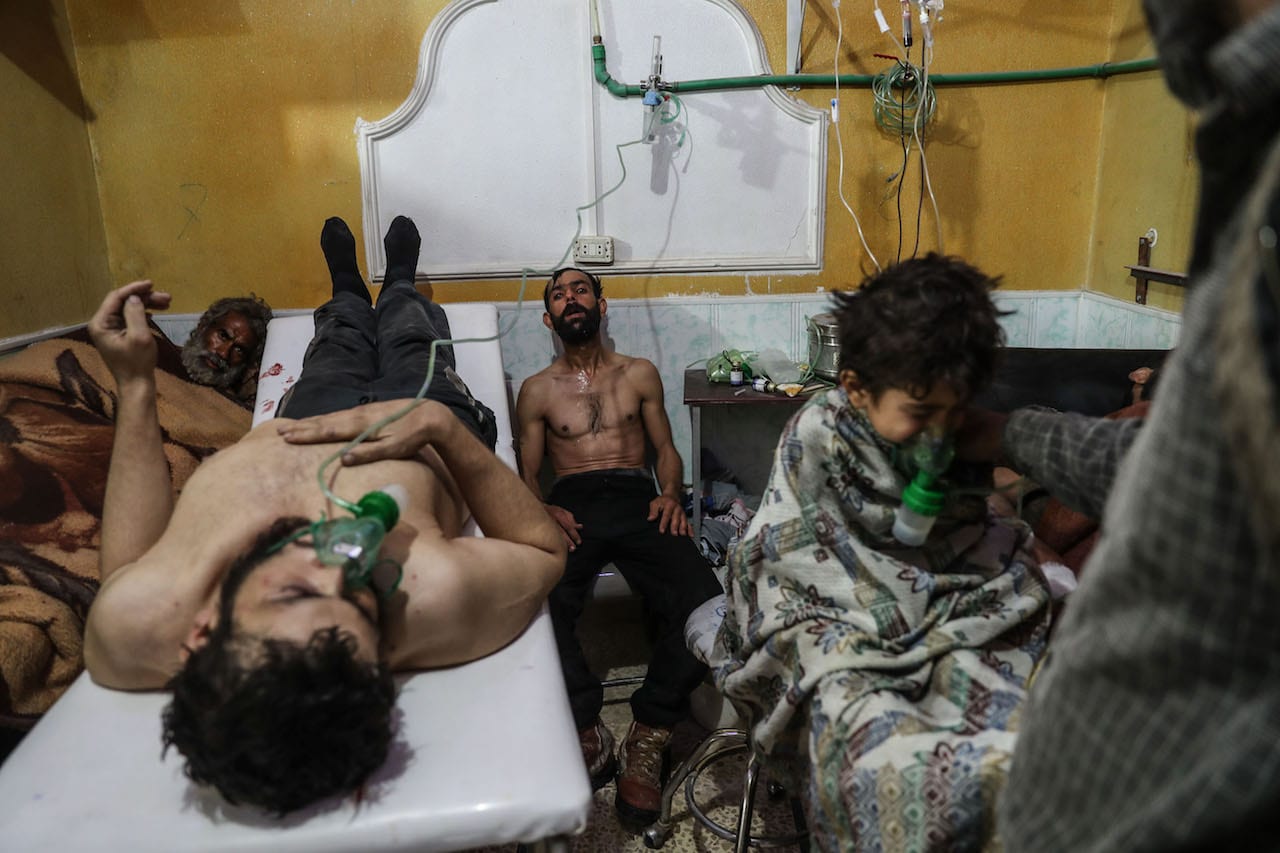
World Press Photo of the Year nominee Mohammed Badra

Back in 2011, Mohammed Badra was studying architecture at Damascus University, a 20-minute drive from his native Douma. Then war broke out in Syria and he was forced to abandon his studies, initially becoming a first-responder for the Syrian Red Crescent, and then starting to take photographs of the conflict. “Taking a picture is documenting history,” he says simply. “I am an architecture student, I was pushed into photography.”

In 2015 Badra joined EPA [European Pressphoto Agency], working under Oliver Weiken and starting to focus in on images of children. Children are “the biggest losers in this war” he says, and there are many caught up in the crossfire, with the UN estimating that some 500,000 are currently living in 16 besieged areas in Syria.

And it’s the child that’s the really shocking factor in Badra’s photograph from Eastern Ghouta, which has been nominated for the World Press Photo of the Year. Showing victims of a suspected gas attack in hospital on 25 February 2018, the image includes a small boy hooked up to breathing apparatus.

10 April 2019

Seeing leafy New England askew in Aaron Schuman’s Slant

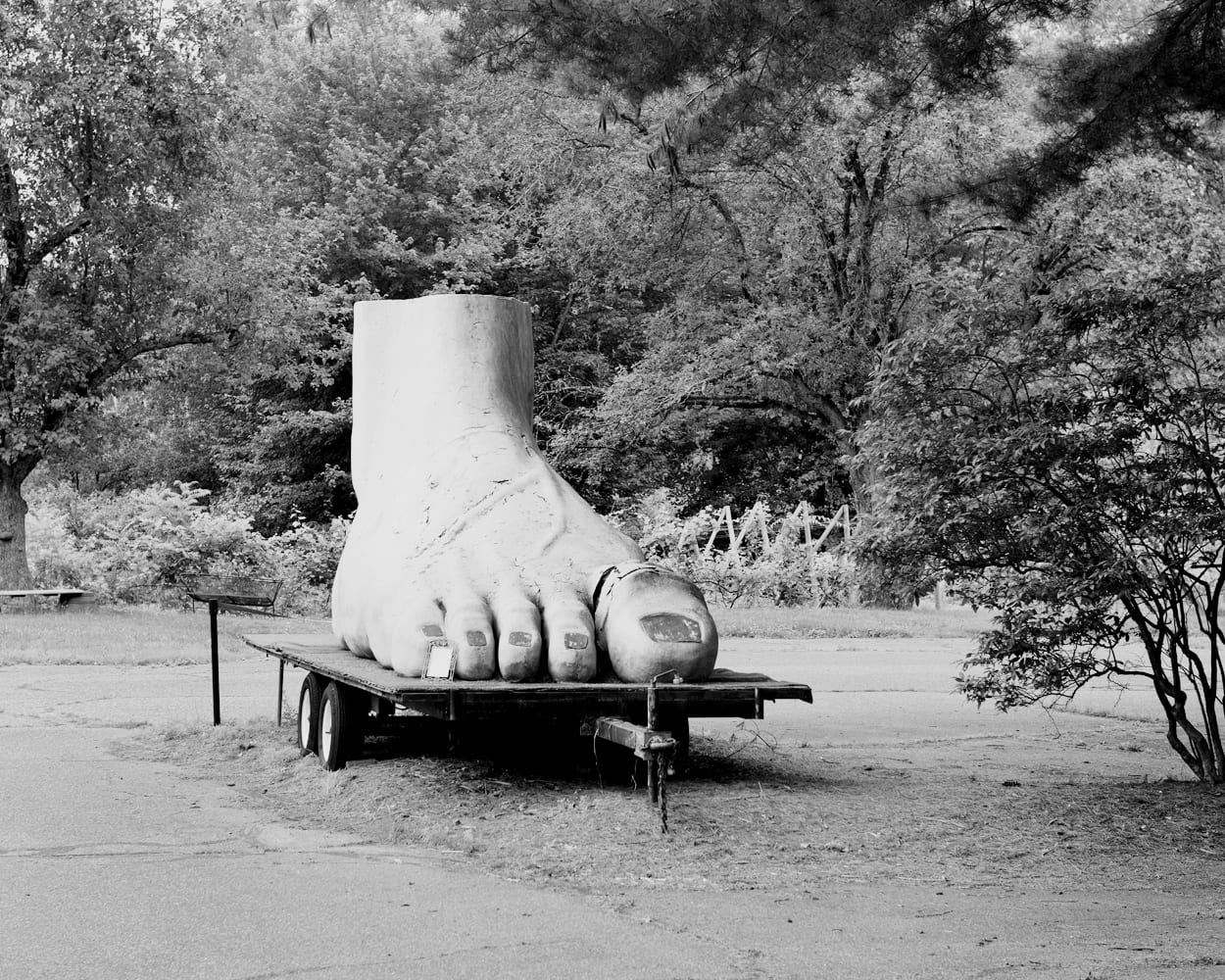
Think of a horror or thriller, and you may think of the happy first half hour or so when everything seems to be going just fine. The Stepford Wives’ town initially seems like it’s perfect; The Vanishing opens with a couple going on a holiday. It’s only later that the tone takes a turn for the worse, before descending into something more substantially scary. That shift is something the residents of Amherst, Massachusetts seemingly live in fear of, because – while on the face of it their small town is an idyll – they’re constantly on the alert.

“7.32pm – Residents at The Boulders complained about a man yelling out the window in a foreign language,” reads a police report published in the local paper, the Amherst Bulletin. “The man told police he was just stating his excitement for the dinner he was about to eat.” “5.53pm – A woman called police after being approach by a photographer in downtown who asked if he could take pictures of her feet,” another reads. “The photographer was not located.”

19 March 2019

Q&A: Karol Palka on shooting the Edifice of Soviet power

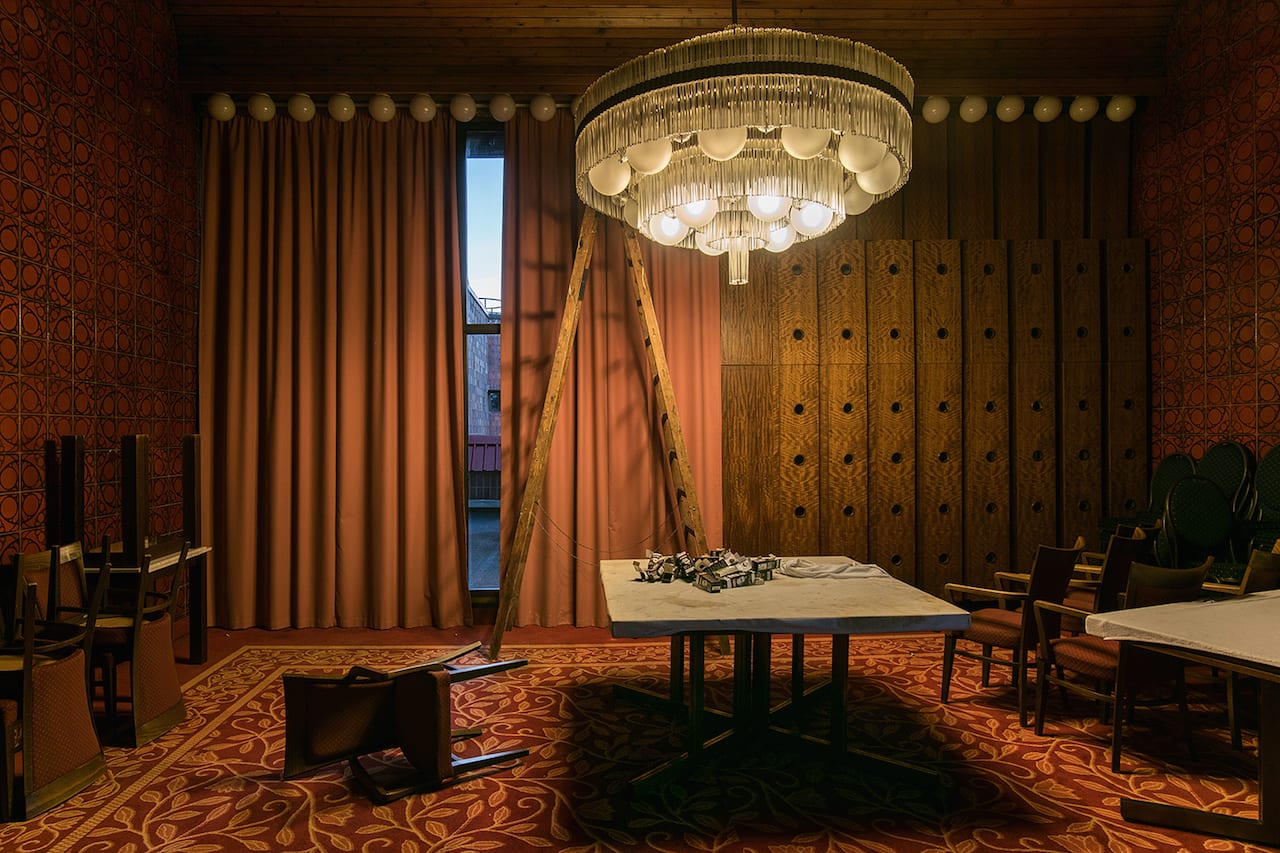
Born in 1991, Polish photographer Karol Palka is currently working on a PhD at the Jan Matejko Academy of Fine Arts in Krakow, which he hopes to finish in 2021. His series Edifice documents communist-era buildings in Poland and neighbouring Eastern Bloc countries. It includes shots of the Polana Hotel, once owned by the Communist Party of Czechoslovakia, and the former office building for the management of the Nowa Huta Steelworks, which was once visited by Nikita Khrushchev and Fidel Castro.

12 March 2019

Q&A: Mathilde Vaveau on ESSARTER Editions’ Red Utopia trilogy

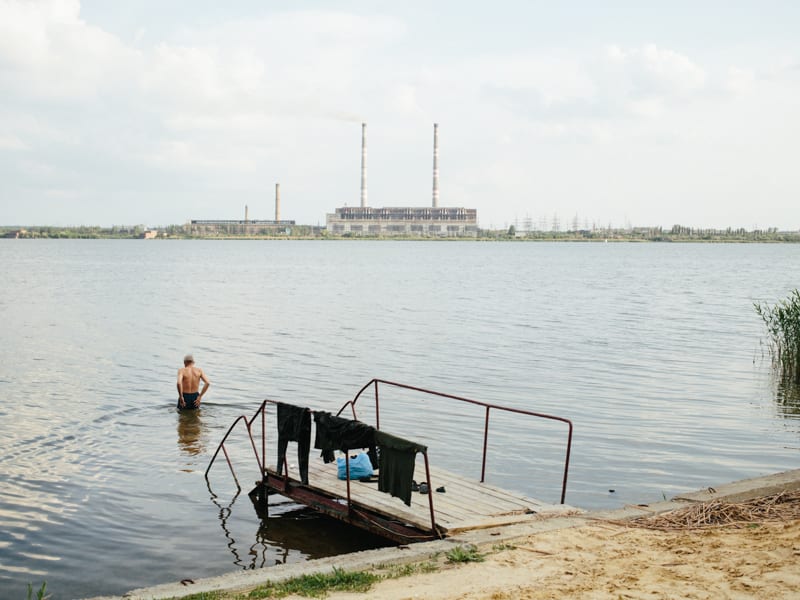
Based in Paris and Bristol, ESSARTER Éditions is a “photo-documentary publishing house”. Founded by the photographer Mathilde Vaveau and the graphic designer Lou Reichling, it aims to “gather around common interests – the book, photography and documentary”. ESSARTER has published four projects so far – Ukraine Post Euro Maidan, Usée Immédiat, À la Vôtre, and its most recent, a trilogy called Red Utopias. Including work by ten photographers drawn from across Europe and the former USSR, Red Utopias and considers the Soviet Union and its legacy from a variety of perspectives. It is published in French, Russian, and English. 

12 March 2019

BJP-online Loves…

Our pick of the key stories from the past week, including interviews with image-makers such as Yorgos Yatromanolakis, Sara Cwynar, Hiro Tanaka and Patrick Waterhouse, updates on news and exhibitions such as the Deutsche Börse Photography Foundation Prize, and an appreciation of the photojournalist Yannis Behrakis

8 March 2019

The 2019 Deutsche Börse Photography Foundation Prize goes on show

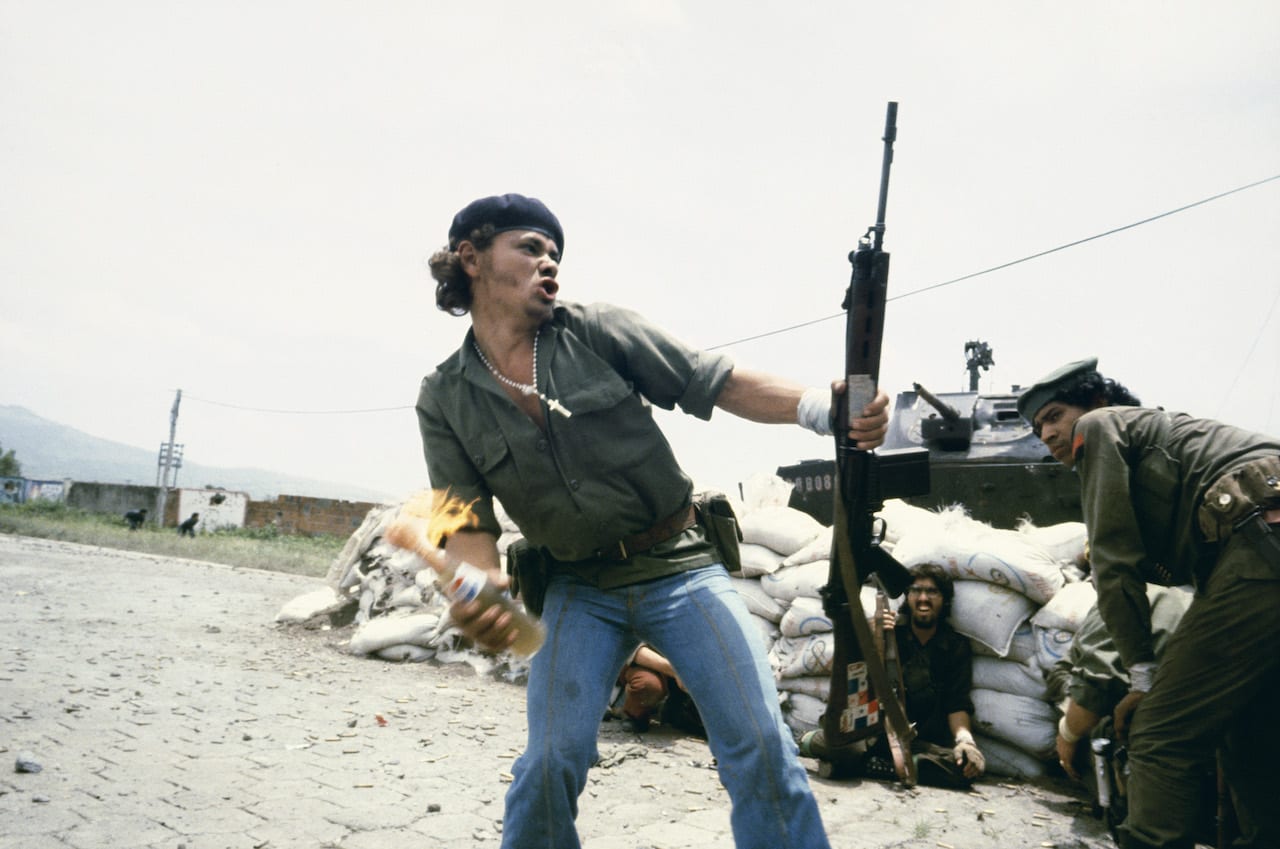
Now in its 22nd year, the Deutsche Börse Photography Foundation Prize is awarded each year to image-makers who’ve made the biggest contribution to the medium in the previous 12 months in Europe. This year the shortlisted artists are: Laia Abril, for her publication On Abortion; Susan Meiselas, for the retrospective exhibition Mediations; Arwed Messmer, for his exhibition RAF – No Evidence / Kein Beweis; and Mark Ruwedel, for the exhibition Artist and Society: Mark Ruwedel. The winner of the £30,000 prize will be announced at The Photographers’ Gallery on 16 May 2019.

7 March 2019

Out of the Blue by Virginie Rebetez

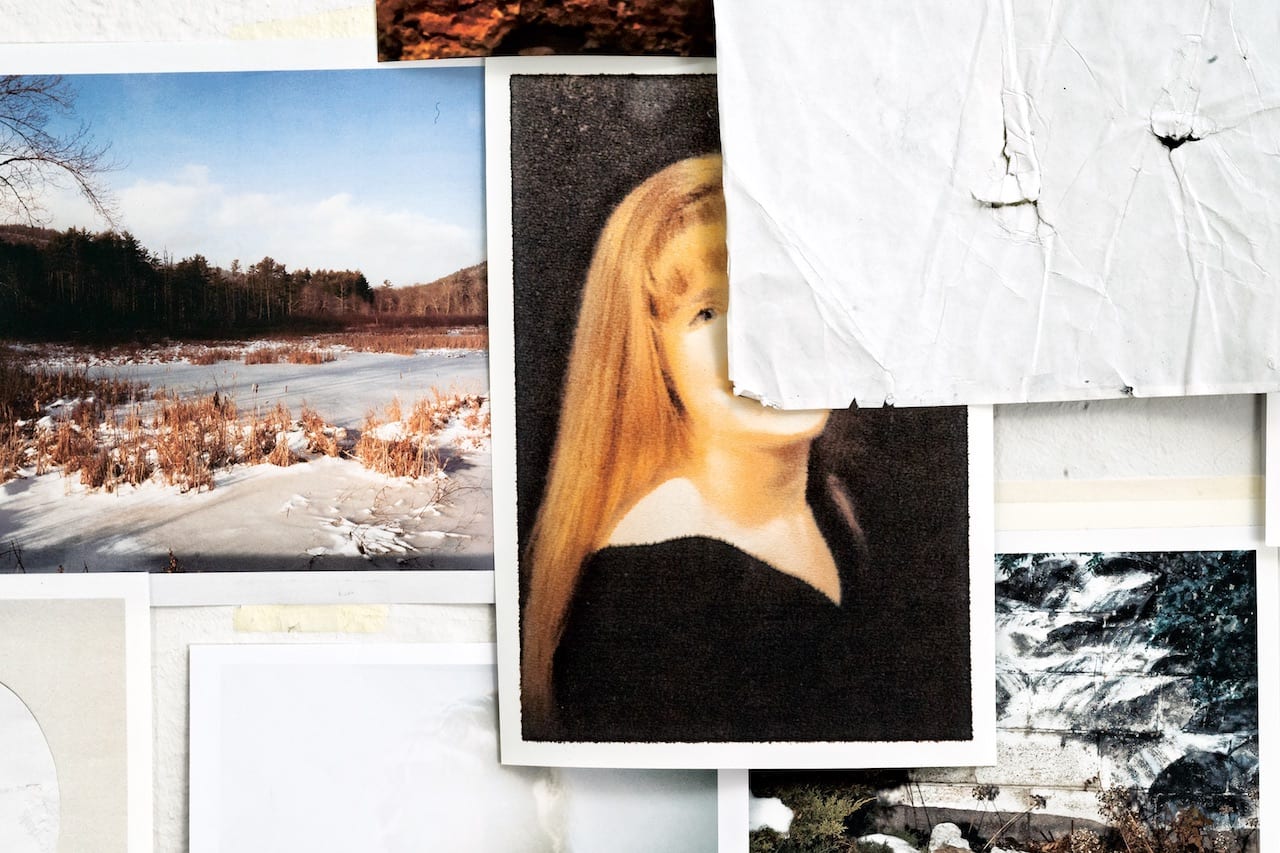
Virginie Rebetez is a photographer preoccupied by absence. Her work explores themes around disappearance, loss and death, her subjects often physically absent or removed from the projects that depict them. Such is the case with Out of the Blue, which centres around the unresolved disappearance of Suzanne Gloria Lyall, who went missing in 1998 at the age of 19, in Albany, upstate New York. Out of the Blue was published last year by Meta/Books, and is showing in Mutable/Multiple at Quad during Format.

Lyall has never been found but traces of her remain even now, more than 20 years later. “Photography has this relationship with traces but also with proof and reality,” explains Rebetez, whose work attempts to make concrete something unthinkable, this vacuum, by becoming acquainted with Suzanne and her life in her absence. “It’s really interesting to work on something invisible with photography because somehow it gives something material to that which is not present,” she says.

4 March 2019

Format Festival, 14 March – 15 April

“A festival is about taking risks,” says Louise Clements, founder and director of Format International Photography Festival, which returns this year to celebrate its ninth edition. “Festivals can come and go, but to sustain something for so many years, you have to work out how to make it valuable for its participants and its audience, by giving people something to work towards.”

The city of Derby, in the UK’s post-industrial Midlands, is not large, but over the last 15 years the biennial event has helped place it on the cultural map. Over the course of each festival some 100,000 visitors will gather there – the city’s compact size lending it some advantages. “Derby is small, like Arles [whose 50-year-old Rencontres photography festival remains the blueprint], so there is this critical mass-like feeling,” says Clements. “People are likely to bump into each other, see our bags and totes – the guides see and integrate them, for example, when we work with the local microbreweries.”

4 March 2019

Yorgos Yatromanolakis’ personal political

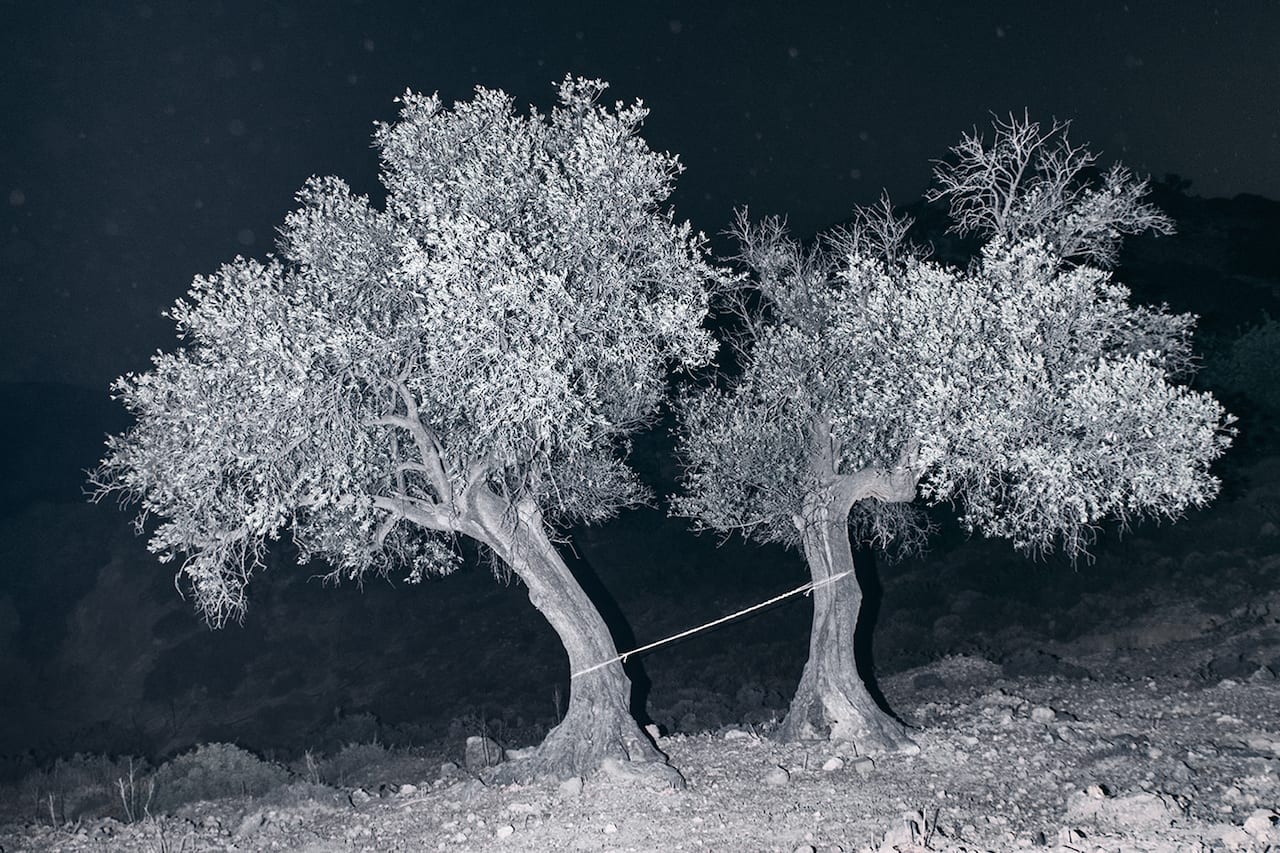
“I believe that collective memory and individual experience, politics and personal beliefs, are interrelated,” says Yorgos Yatromanolakis, and it’s easy to see why. Born in Crete in 1986, he got into photography in December 2008 because he wanted to document the riots that broke out in Greece after a 15 year-old, Alexandros Grigoropoulos, was shot dead by the police. Shot in grainy black-and-white and printed by Yatromanolakis, the resulting images were later self-published as a book, Roadblock to Normality.

“Roadblock to Normality is a small, personal, but at the same time collective notebook emanating from my participation in political and social movements in my country,” says Yatromanolakis. “It certainly captures, in a subjective way, some critical political events.”

4 March 2019

BJP-online loves…

Our pick of the key stories from the past week, including interviews with World Press Photo-nominated photographers, details of Bangladesh’s Chobi Mela festival, plus Piero Percoco on his wildly successful Instagram The Rainbow is Underestimated

28 February 2019