

Refugees and robots feature in the shortlisted images for this year’s Taylor Wessing Photographic Portrait Prize, which is organised by the National Portrait Gallery.
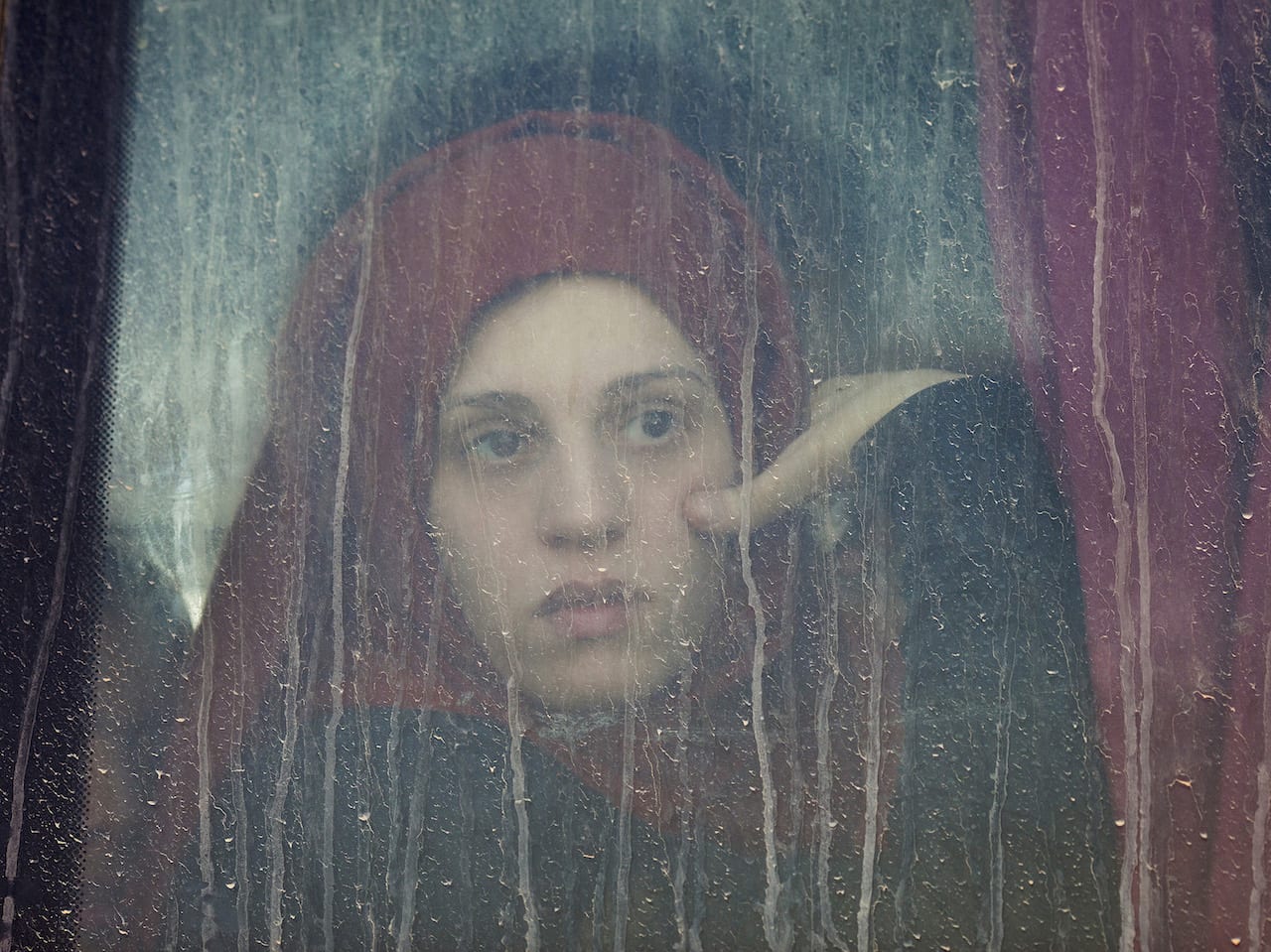
Refugees and robots feature in the shortlisted images for this year’s Taylor Wessing Photographic Portrait Prize, which is organised by the National Portrait Gallery.
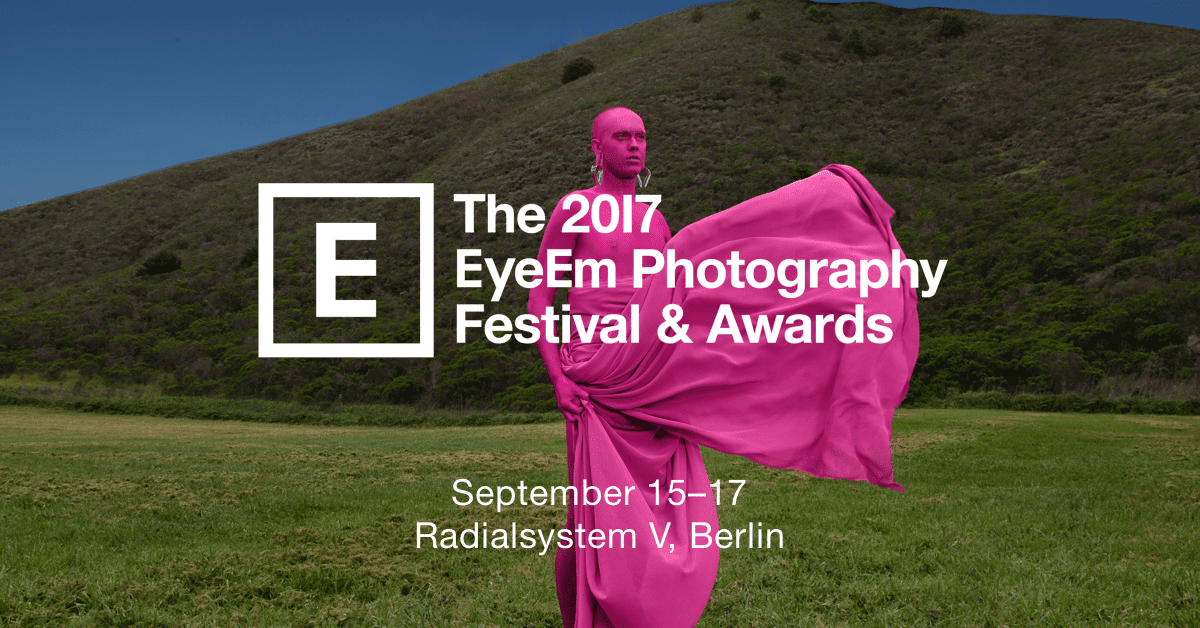
The fourth-instalment of the EyeEm Photography Festival and Awards boasts a program of workshops and speakers looking to the future of visual communication
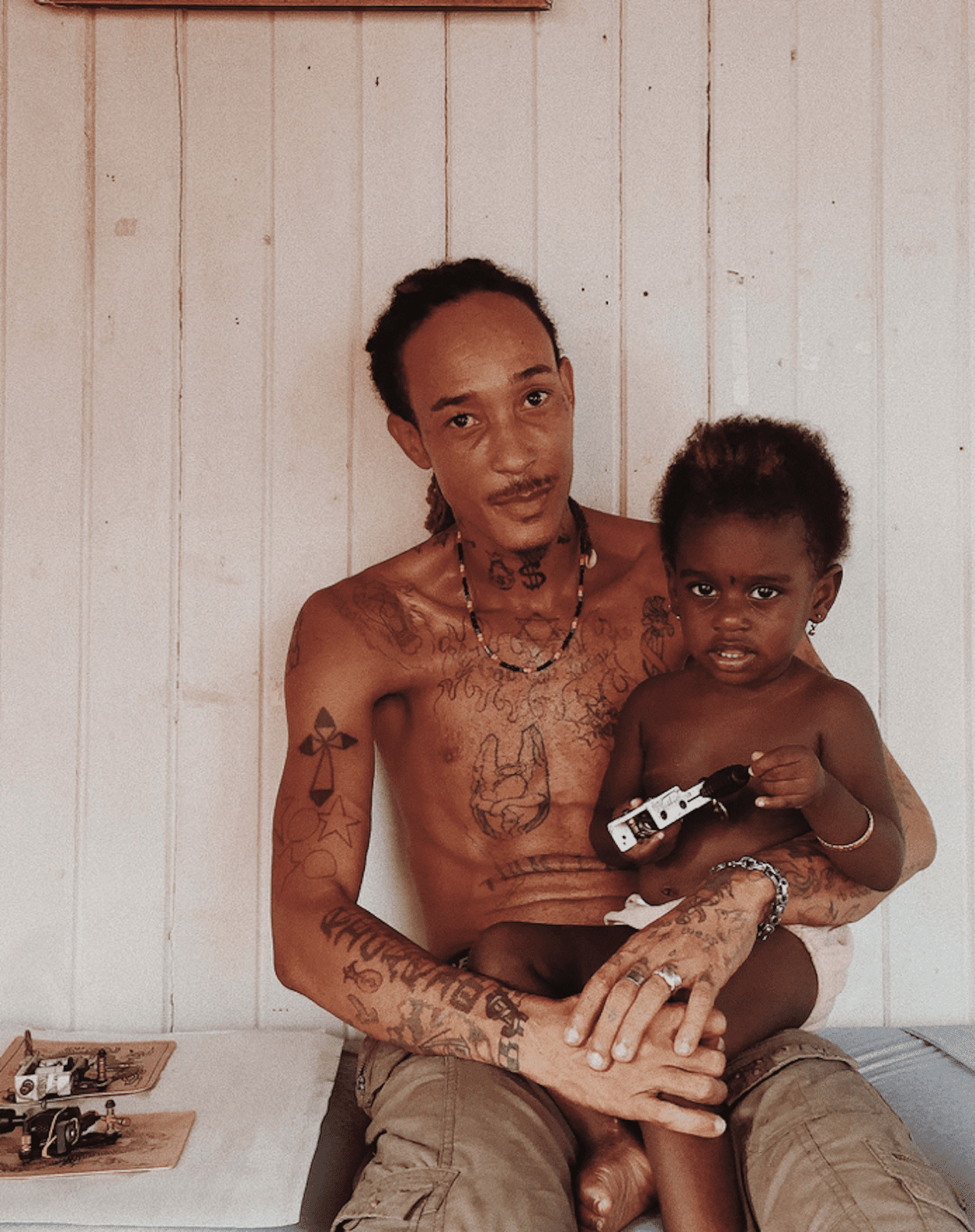
“This portrait does not simply show a man who earns a living as a tattoo artist but the reason why that living is so important to him – his family,” says Jamain Gordon, reflecting on the portrait of Ricardo and his daughter outside their home and tattoo parlour in the South American country of Guyana. “It was Ricardo who wanted to have his daughter in the photograph and the warmth of their relationship can clearly be seen.” The image is now featured in a photobook, One People, One Nation, One Destiny, which shows the traditions and culture of this small but proud country.
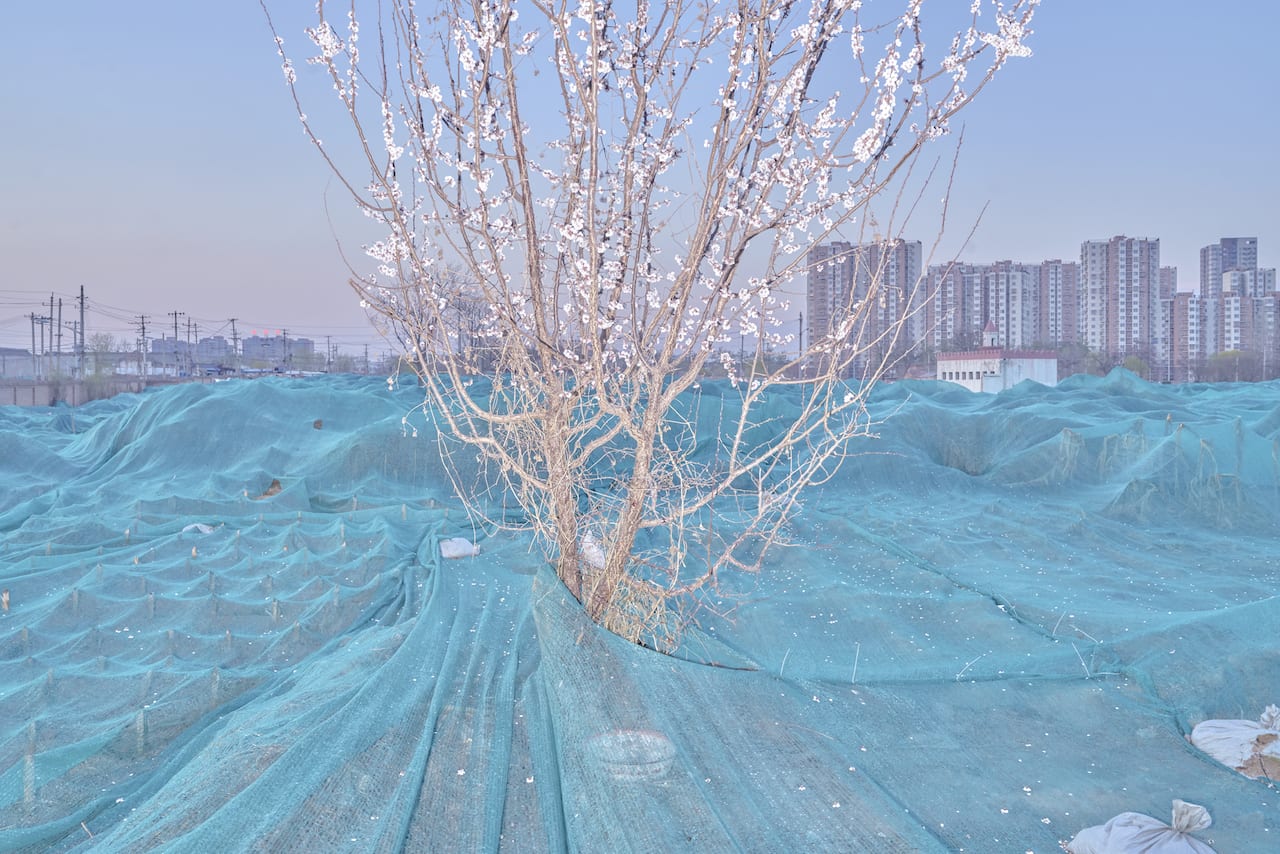
“The beautiful blooms seemed lonely and desolate. Sadly, it reminded me of the fact that soon it would be razed to the ground, into dull but common urban landscape with standing skyscrapers,” says Lv Meng. His photograph comes from the series Urban Fringes which explores the growth of megacities as the slowly expand outwards and take over the countryside.
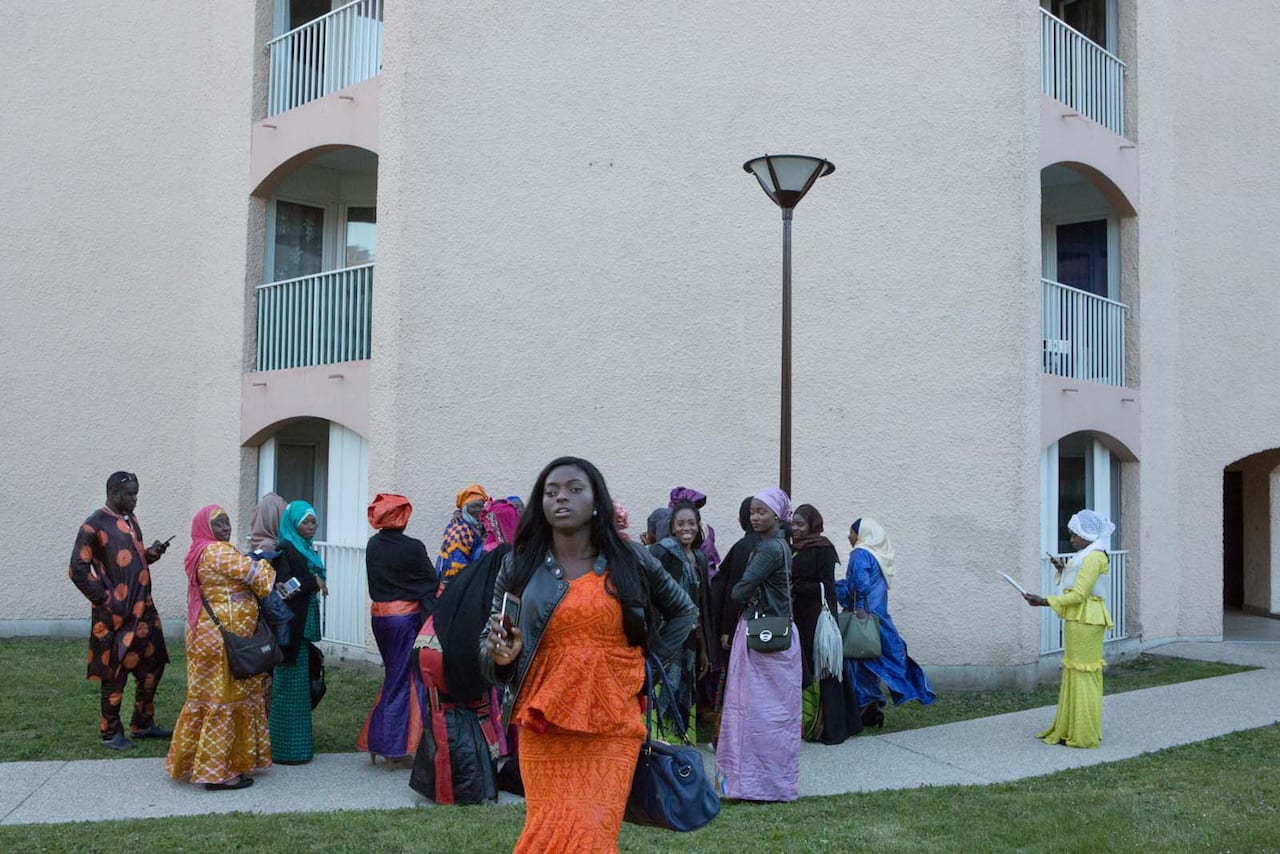
“Between colonialism and cosmopolitism, between a sense of not belonging and their nationality, many use the word Schizophrenie to describe how it is to construct their identity in the middle of two antagonistic cultures,” explains Carolina Arantes. Her project, First Generation, follows the lives of young Afro-French women living in the Parisian suburbs as they overcome prejudices and culture clashes. It has now been awarded the 2017 Firecracker Photographic Grant, securing Arantes £2,000 to help her complete the project.
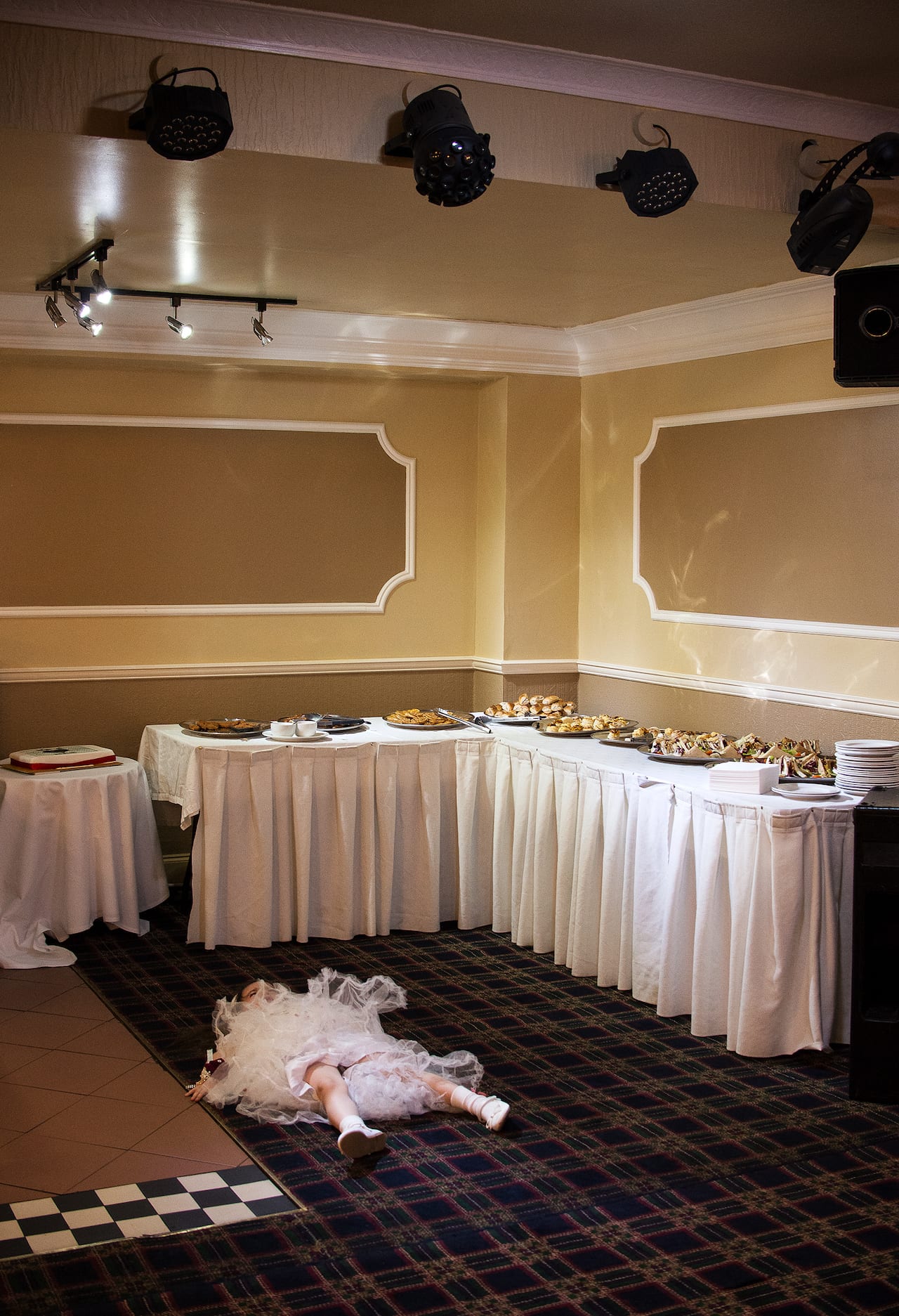
“I could picture myself as this little girl. The photograph has a reminder of the escape into a childish world, full of power and imagination and carelessness. You would not lie down next to the buffet during the party as an adult unless you are not sober.” Natalia Poniatowska’s entry to the BJP Breakthrough Awards 2017 is an outtake from a wedding renewal ceremony, which was taken quite by accident whilst the photographer was looking at lighting in the room. The image shows loneliness but also the power of children’s imagination.
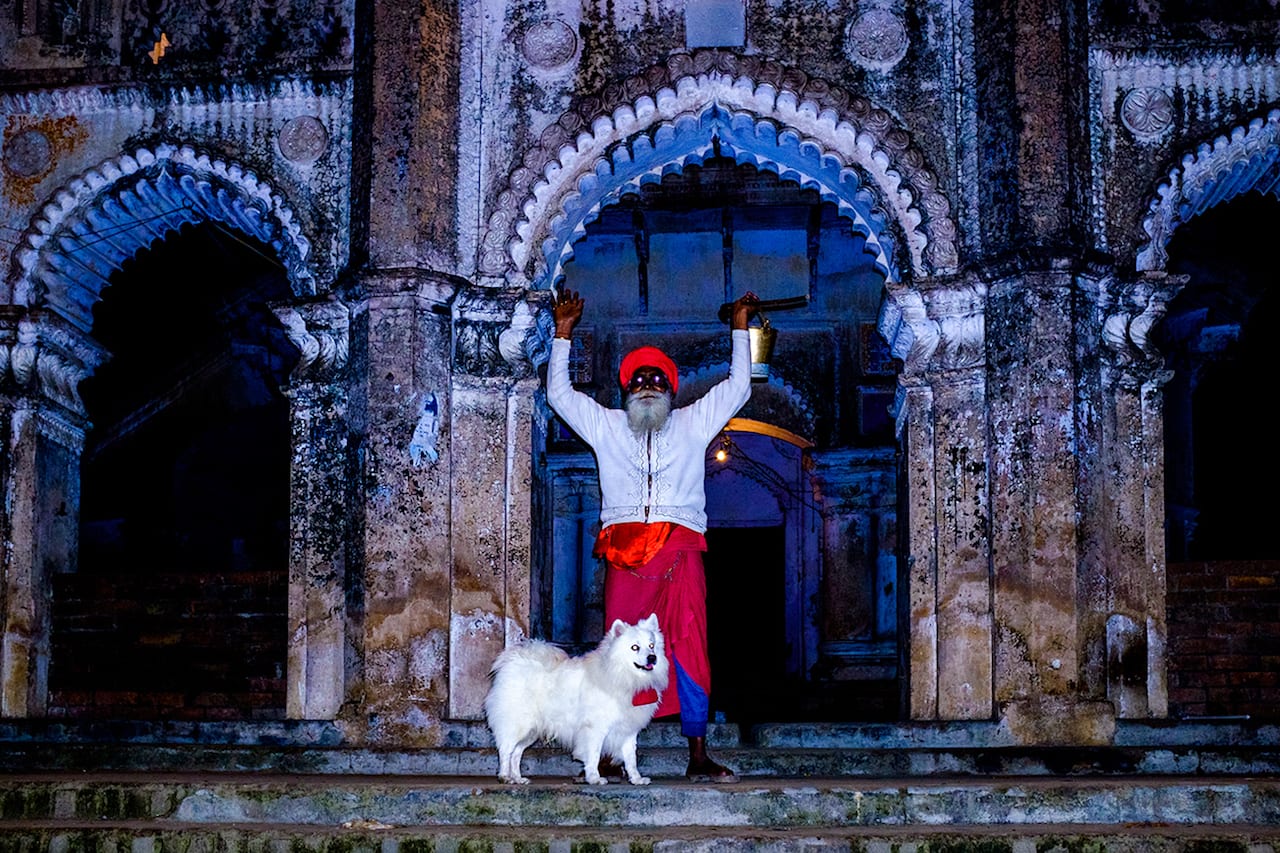
“There is this feeling that if someone has won an award, then it will not be a mistake if they are awarded again. But unfortunately selecting this way does not highlight fresh gems and talents. It just creates trends, but not excitement and new-comers. We at Gomma are not afraid to prize unknown photographers,” says founder Luca Desienna. This year’s awards are now open for submissions with past winners boasting solo exhibitions, international magazine features and photobook publications since bagging the award.
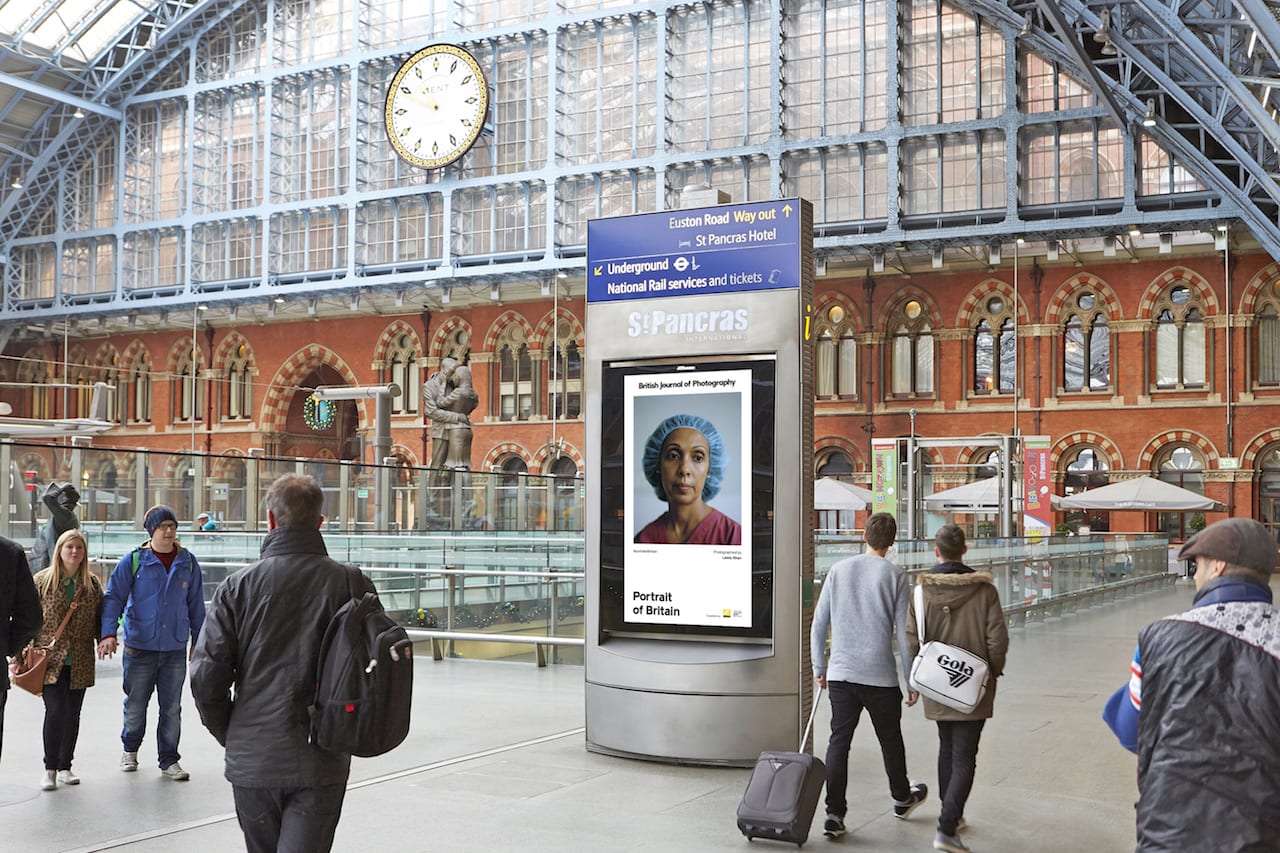
Portrait of Britain returns for a second year with 100 more images that encapsulate life the length and breadth of the UK. From almost 8,000 entries this year, the final hundred will now be displayed in a digital exhibition across JCDecaux screens in shopping centres and commuter hubs around the country throughout September. In partnership with Nikon, the photography giant, Portrait of Britain aims to show the social and cultural diversity of people in the UK and showcase everyday citizens and unsung heroes in a gallery of the people, by the people, for the people. Simon Bainbridge, Editorial Director at the British Journal of Photography, was excited about the latest portraits for 2017, saying, “Collectively, the portraits celebrate the unique heritage and diversity of modern Britain, as much as its thriving photography culture and the myriad styles and approaches they employ in their work.”
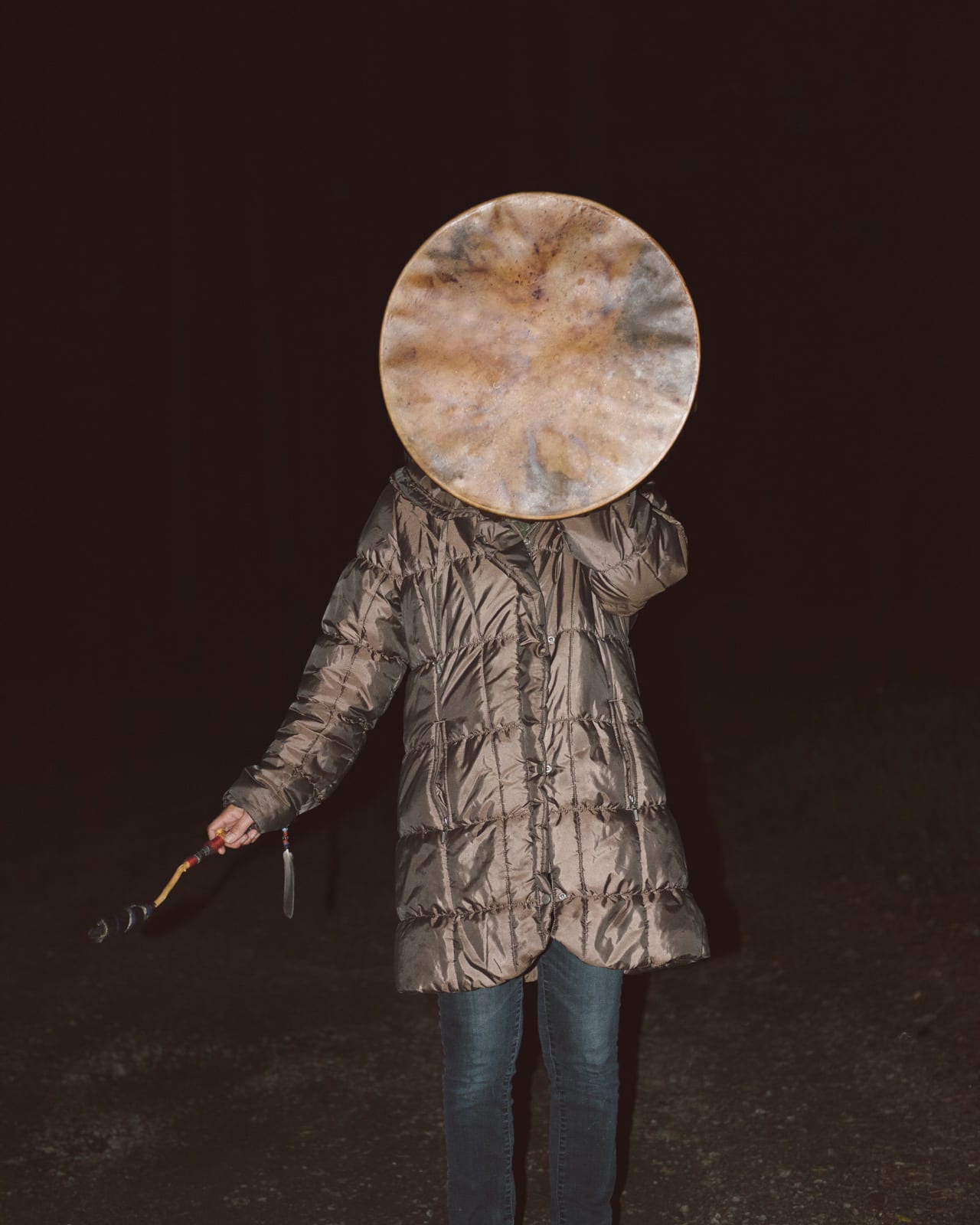
The Forest Finns, an officially recognised minority culture in Norway, arrived in the Finnskogen area in the early 17th century, bringing their traditions to the remote forests.Terje Abusdal’s series, Slash and Burn, which has now been named the winner of the Leica Oskar Barnack Award 2017, reveals their customs and questions identity and migration in the region.
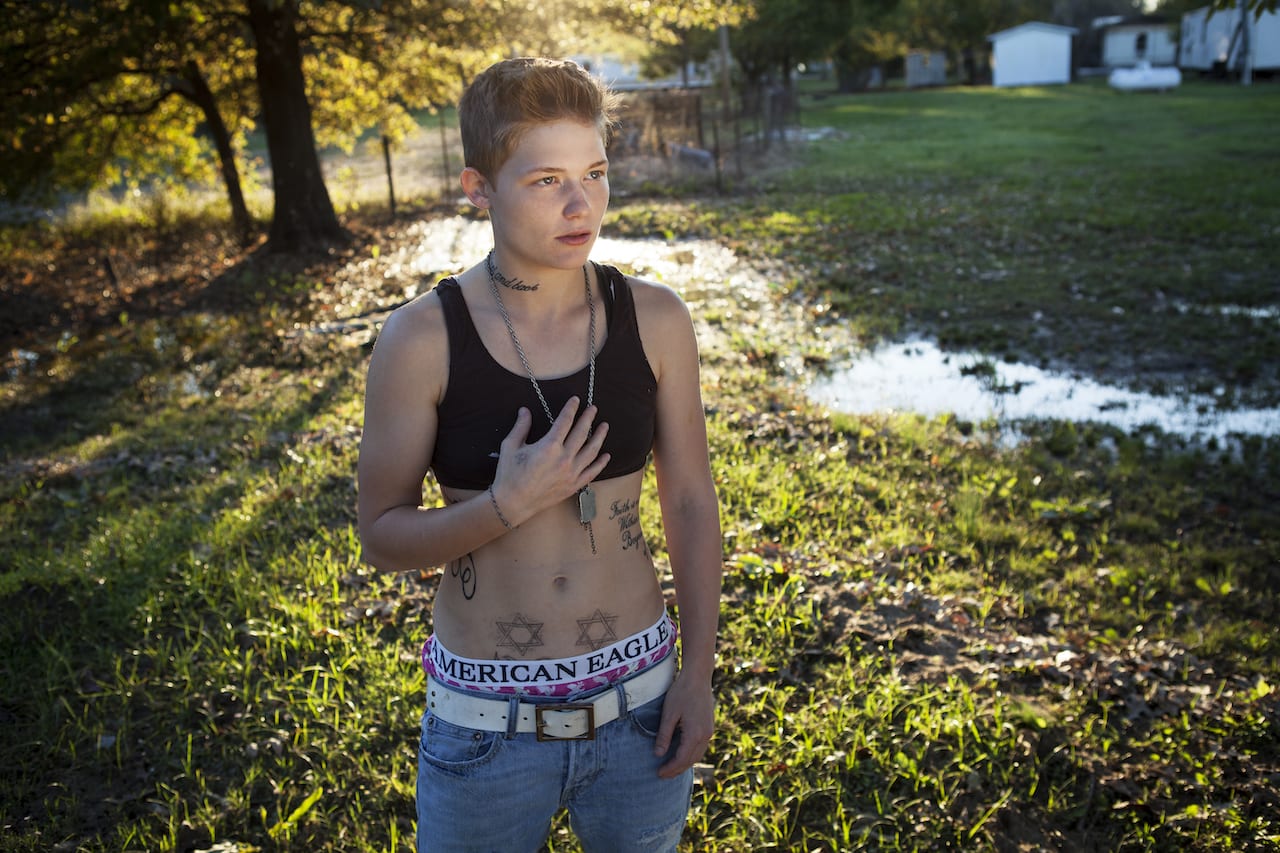
“Most people I meet are not satiated or fulfilled and desire more. Desire to be heard. Desire to be seen. Desire to connect and matter,” says Phyllis B. Dooney, the American photographer behind the photoseries Gravity is Stronger Here. The project, which started as an exploration of the American South, centres on a Greenville family trying to negotiate life in middle America. Their needs and wants are the same as those across the country: to be heard, to be seen, to be accepted.