

Since its inception in 1970, Les Rencontres d’Arles has been a major influence in disseminating…
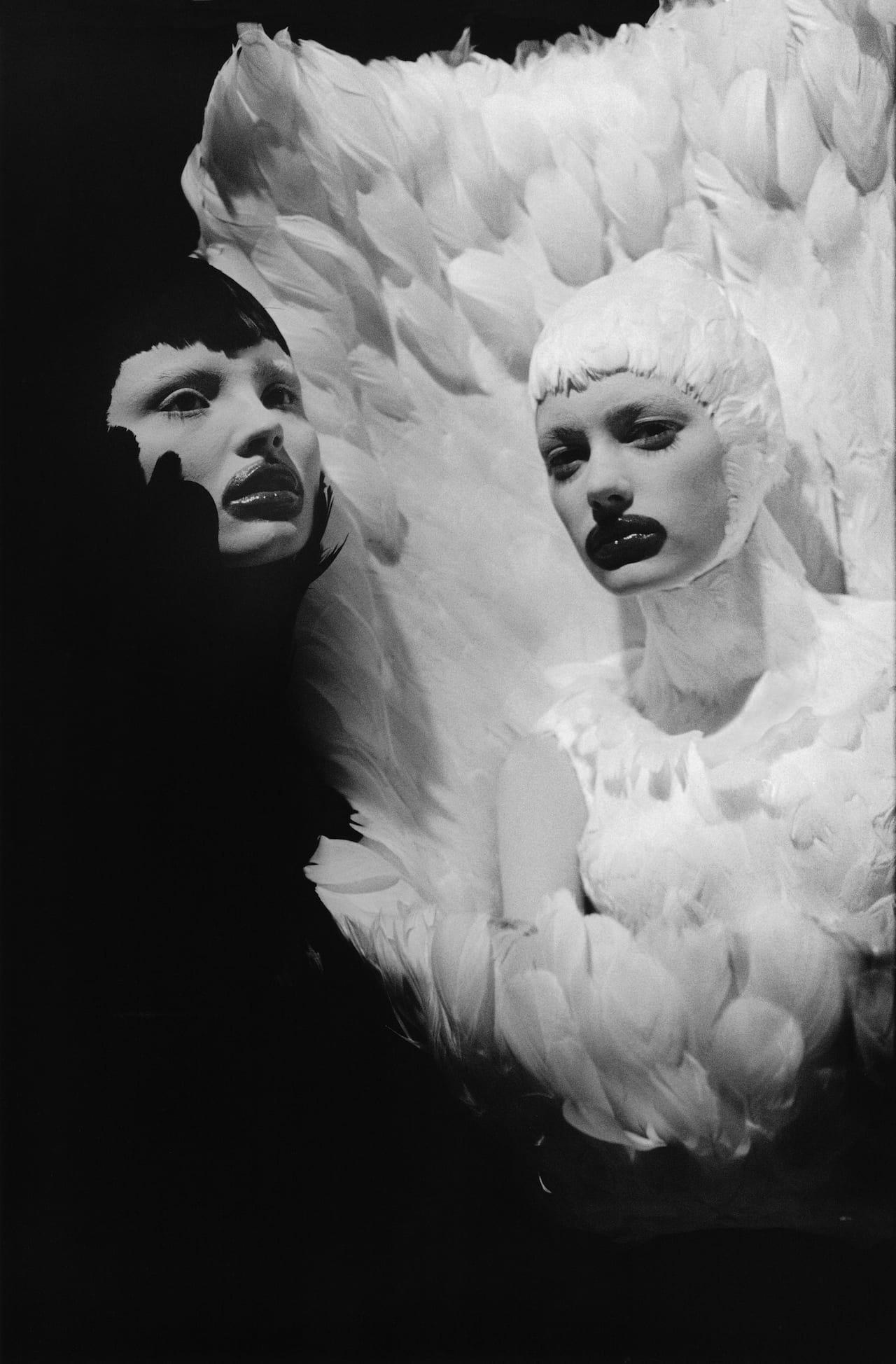
Since its inception in 1970, Les Rencontres d’Arles has been a major influence in disseminating…
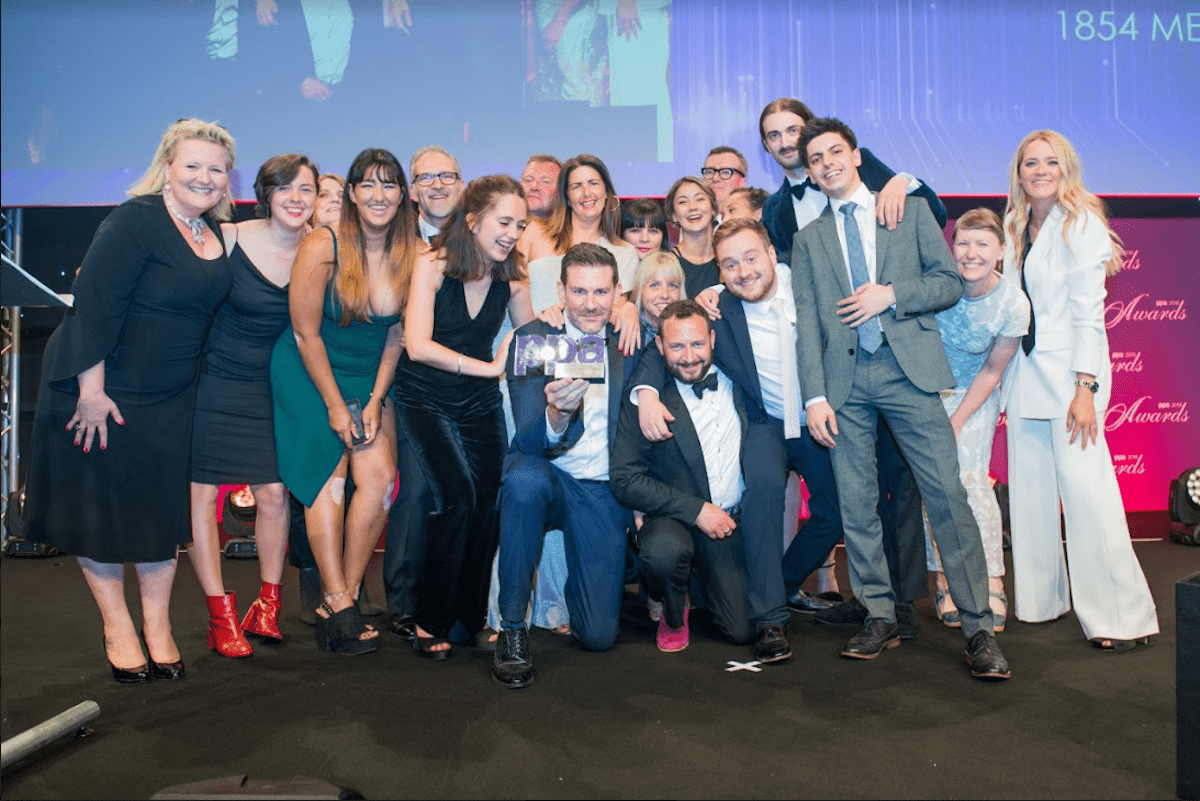
1854 Media scooped the prestigious prize at the 2018 Professional Publishers Association (PPA) Awards
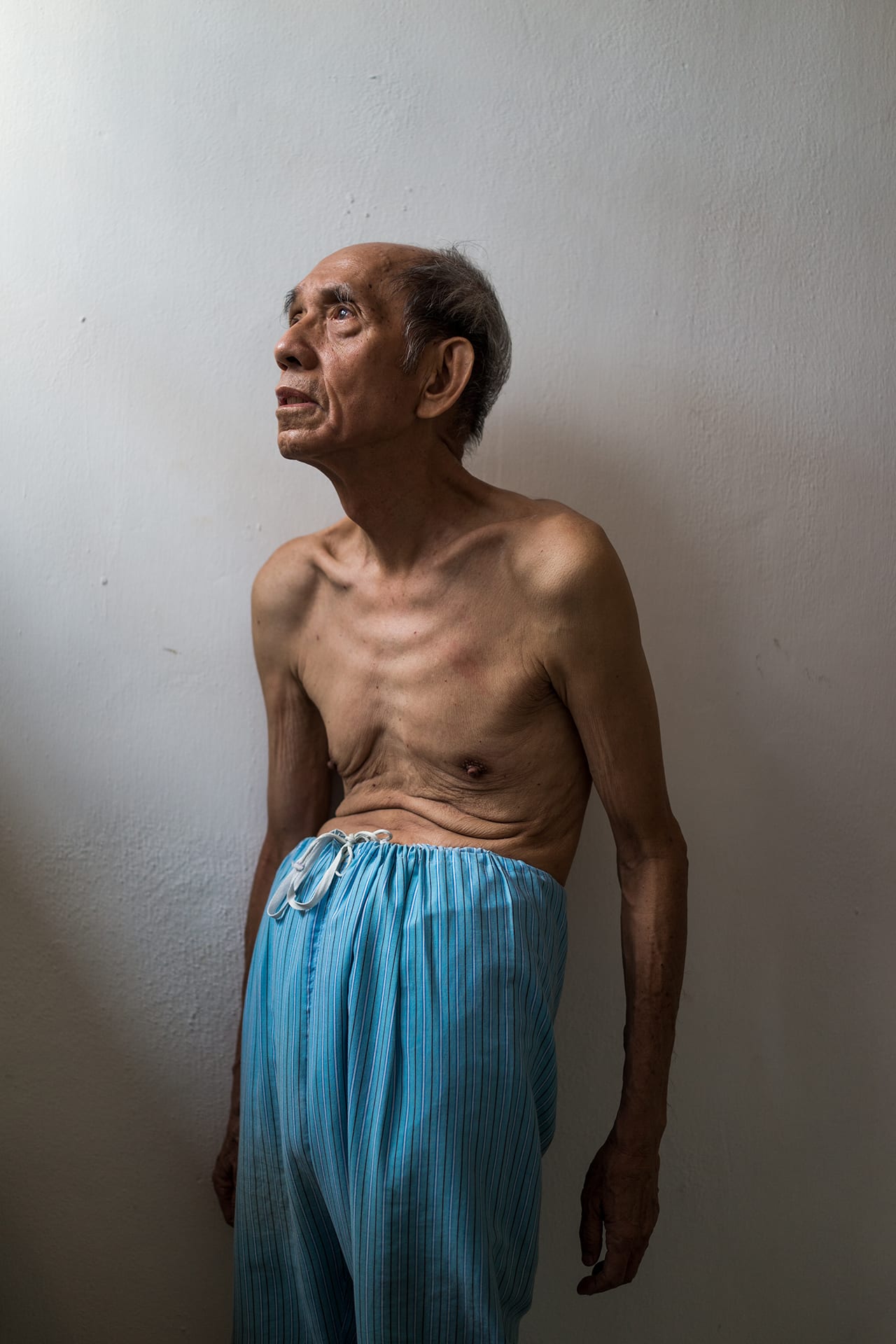
It’s disconcerting to think how years of work and effort, of countless hours spent practising and honing a skill, can be wrenched away from any of us in just a few minutes of misfortune. It’s also, for any of us used to good health, troubling to consider how reliant we are on the basic functionality of our bodies. A photographer, for example, needs to be able to hold a camera, to have the strength to frame a shot and time the click of the shutter in the heat of the moment. Shorn of that basic ability, what are we left with? Early one morning in May 2015, Sim had to face that exact question.
She was on assignment for a French newspaper, travelling to the Tumen Economic Development Zone, a government-owned complex of Chinese factories on the edge of the border with North Korea. Tumen employed North Korean labourers who, with state sanctioning, would be sent to live and work in the economic zone. The brief was to capture how North Korea and China trade. This place seemed like the perfect microcosm for that complex relationship – the makings of great pictures.
Entering Tumen with her driver and colleagues from Le Monde, she failed to spot a sign that read: “No smoking, photography, or practising driving”. As they approached the factories, the car passed a small group of women in black jumpsuits, knelt by the roadside picking weeds from the ground. Sitting in the driver’s seat with the window wound down, Sim instinctively raised her camera and fired off a couple of shots. “Almost immediately, the women turned around, ran towards the cab, and reached into the car,” she wrote in an article for ChinaFile, recounting events.
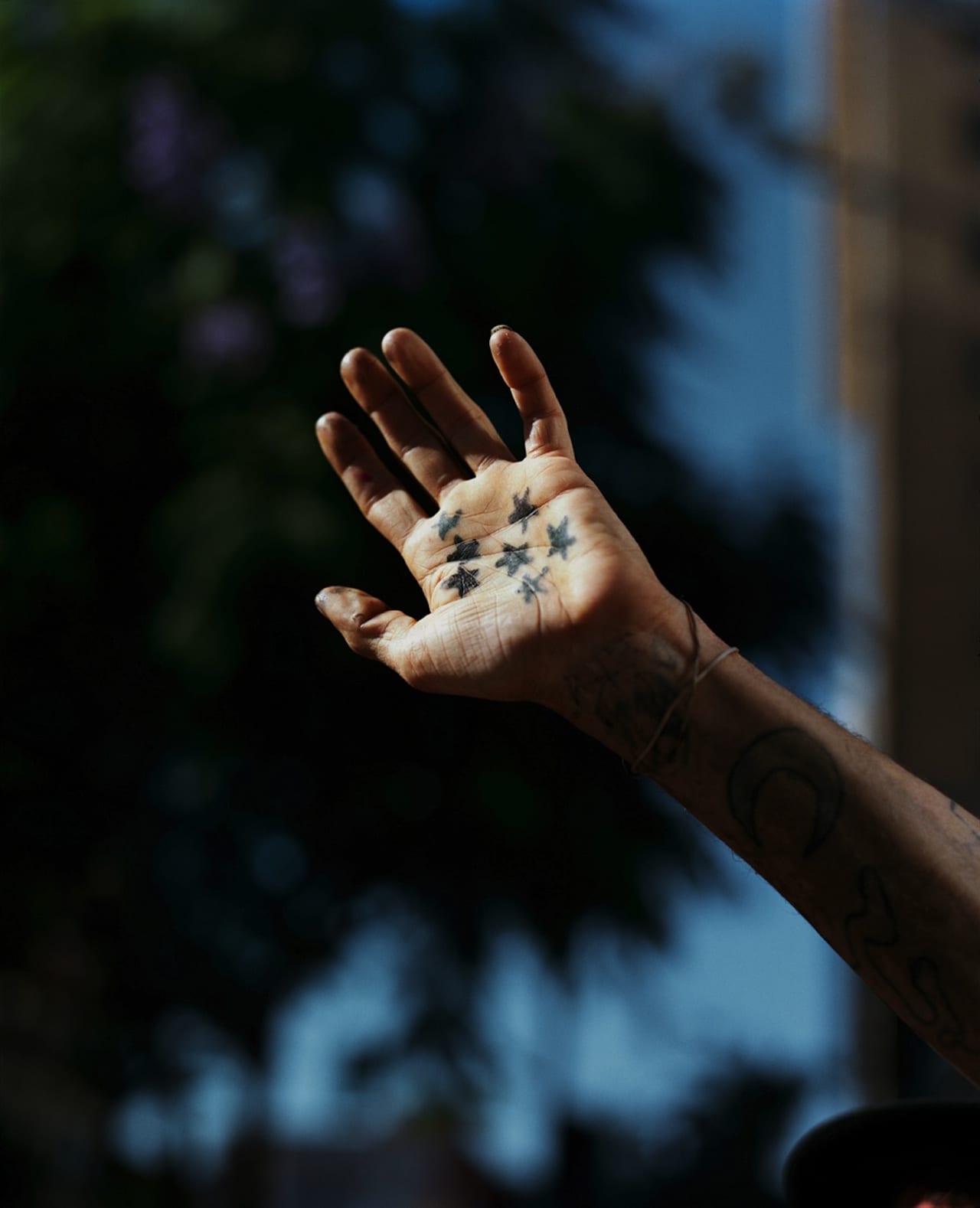
“It’s hard to know when to stop,” says Gregory Halpern. “I remember putting my camera away on a trip home and being relieved it was out of sight. I never feel that way, so that was clearly a sign. I haven’t kept track, but I shot maybe 700 to 1000 rolls of film.”
He’s talking about ZZYZX, which he’s worked on for five years, partly supported by a Guggenheim fellowship. Shot in Southern California, starting out on the eastern fringes of the state then moving slowly westwards towards Los Angeles and the Pacific, it’s named after an ‘unincorporated community’ in the Mojave desert, and has a similar sense of the outsider. The opening picture shows a gnarled hand, with a callus on the thumb and dirt in the fingernails, outstretched to show seven stars tattooed on the palm. The next shows stark black trees in the desert in the wake of a fire.
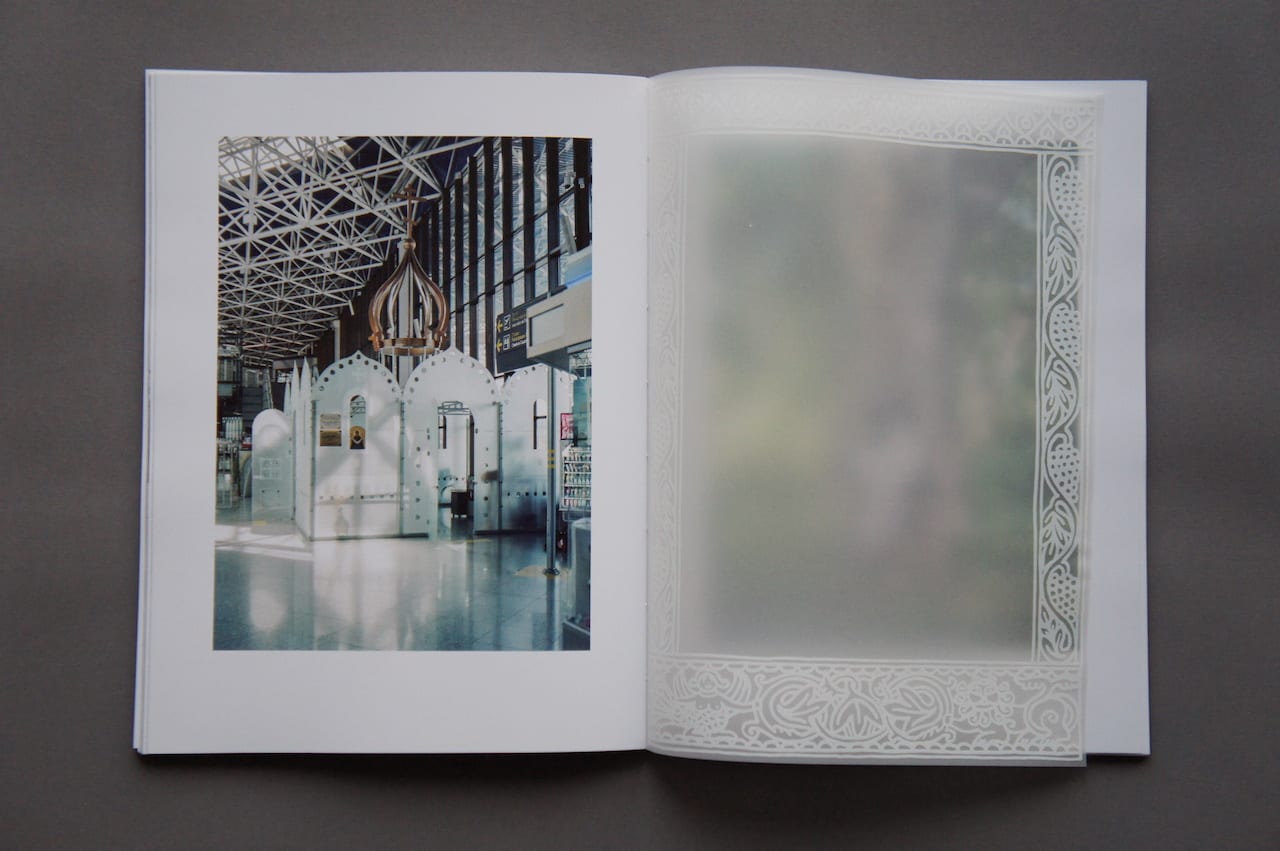
“When I became a parent, I had the idea to make a photographic book for children,” says Russian photographer Andrey Ivanov, who has won the Photobookfest Dummy prize. “I started to photograph subjects and images of Russian fairy tales. At first it was a series of purely staged photos, but then I began to notice that some of the documentary photos I found fitted perfectly into this fabulous series.
“The fairy tale is the most authentic source of Russian archetypes. As the saying goes: ‘A fairy tale is a lie – yet there is a hint in it, a good lesson to good fellows’. The viewer follows the photographic tracks of the main hero of the fairy tale, referring to the cultural codes of the collective unconscious, and guesses or recognises the fairy-tale images, or hints of them.”
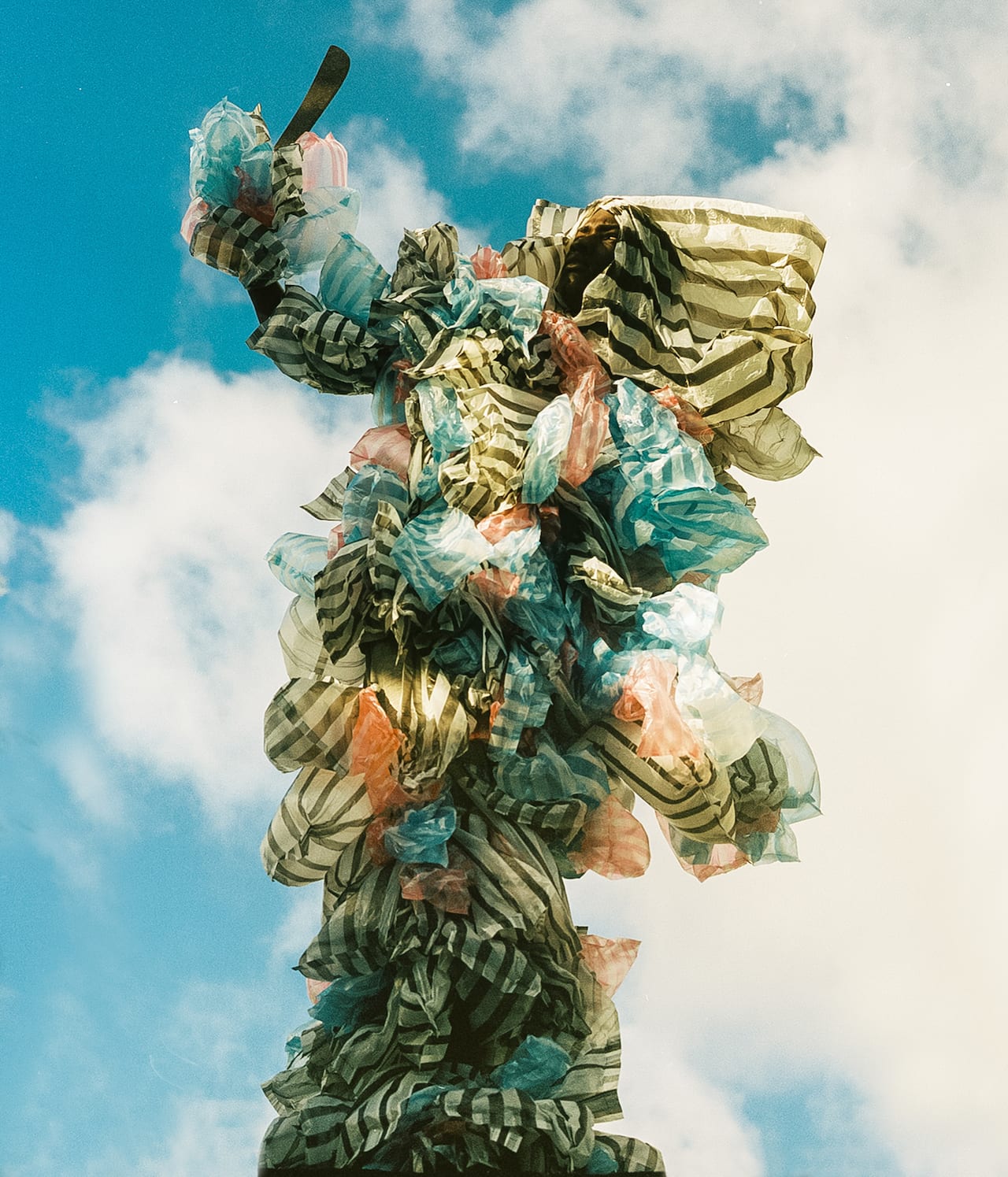
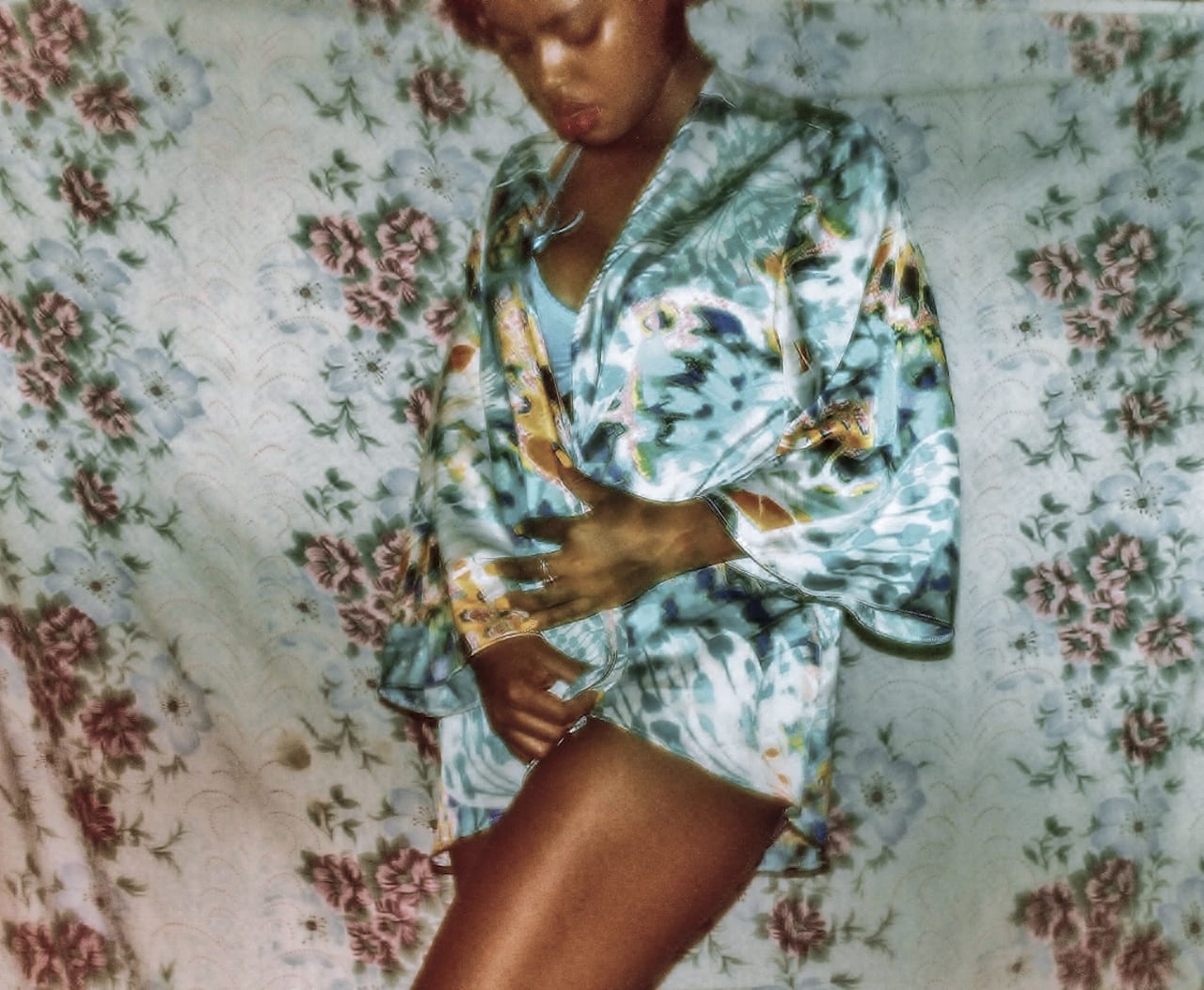
Launched last year, Labs New Artists is a exhibition of up-and-coming artists at the prestigious not-for-profit gallery, which has spaces in Brooklyn and in Los Angeles. The photographers picked out aren’t represented by galleries or agencies, and are selected by a global jury of experts; this year, each juror has agreed to mentor an artist for the year following the show.
The 25 artists in the show this year are: Antone Dolezal, US; Eli Durst, US; Peyton Fulford, US; Matthew Genitempo, US; Rudi Geyser, South Africa; Li Hui, China; Andrew Jacobs, US; Brendan George Ko, Canada; Kovi Konowiecki, US; Maria Lokke, US; Daniel Jack Lyons, US; Pat Martin, US; Chase Middleton, Australia; Tyler Mitchell, US; Diego Moreno, Mexico; John Francis Peters, US; Luis Alberto Rodriguez, Germany; Scandebergs, UK; Marcus Schäfer, UK; Hugo Scott, UK; Christopher Smith, South Africa; Renate Ariadne Van Der Togt, UK; Drew Vickers, US; Juyan Wang, UK; and Logan White, US.
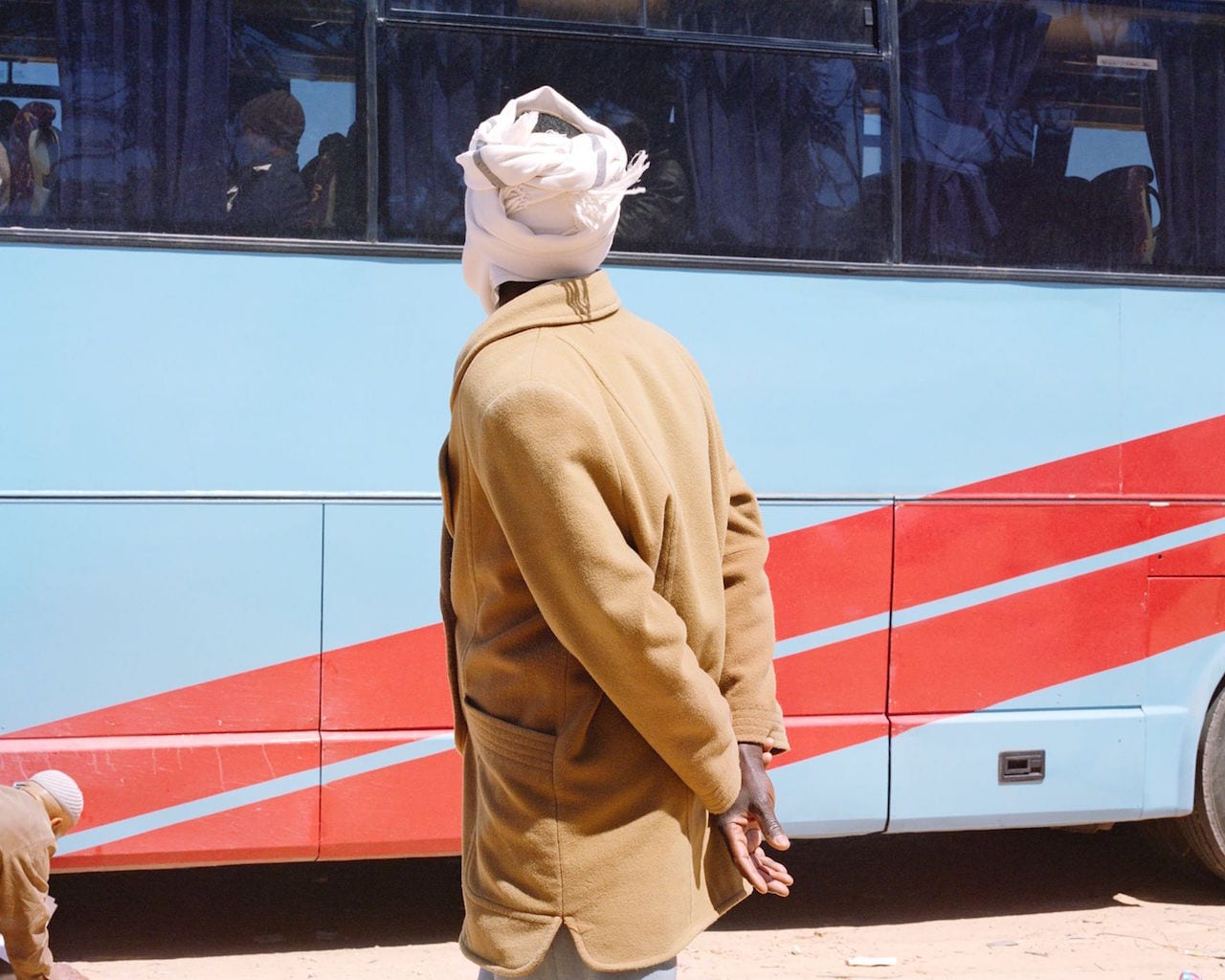
Yassine Alaoui Ismaili (Morocco), Paul Botes (South Africa), Anna Boyiazis (USA), Tommaso Fiscaletti & Nic Grobler (South Africa), and Phumzile Khanyile (South Africa) are the five winners of the seventh CAP Prize. Open to photographers of any age or background, the CAP Prize is awarded to work that engages with the African continent or its diaspora.
Born in 1984 in Khouribga, Morocco, Yassine Alaoui Ismaili – aka Yoriyas – lives in Casablanca and has been awarded his prize for the series Casablanca Not the Movie (2014–2018). “It is both a love letter to the city I call home and an effort to nuance the visual record for those whose exposure to Morocco’s famous city is limited to guide book snapshots, film depictions or Orientalist fantasies,” he says.
The Leica Oskar Barnack Award is one of the most prestigious in the business and,…
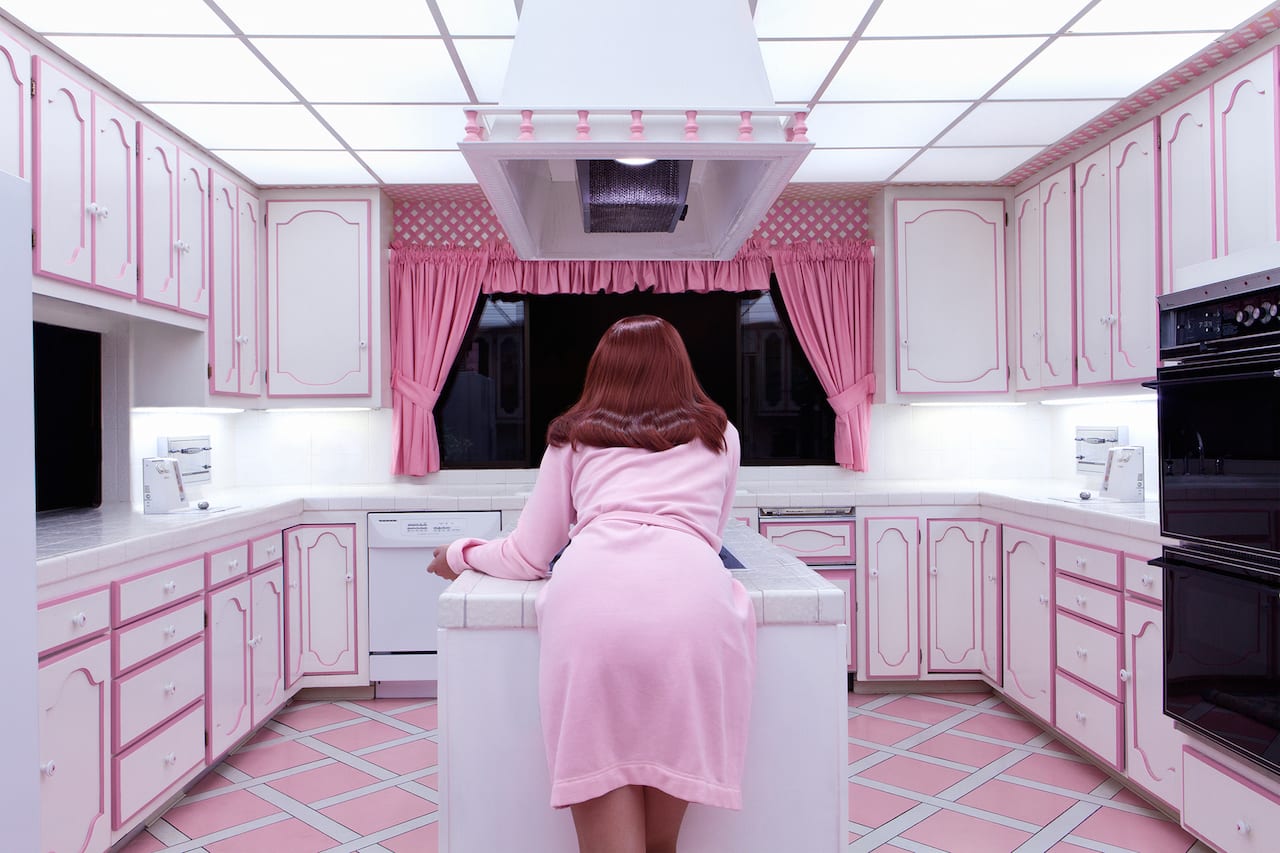
Under the back garden of an unremarkable family home in Las Vegas is an extraordinary 16,000sq ft, all-pink, bomb-proof bunker. Inside are decadent bedrooms decorated with crystal chandeliers and baby pink wallpaper, and a bathrooms with a hot-pink toilet, white marble hot tub, and opulent golden fittings. Surrounding the house is a hand-painted mural of the countryside, and an underground garden with a swimming pool and fake trees growing out of a carpet that stands in for grass.
“It’s basically a house within a house,” explains Juno Calypso, who spent three days of solitude in the bunker, for her project What To Do With A Million Years. Designed to be safe from any disaster or intruder, the bunker was built in 1964 by Avon cosmetics founder Gerry Henderson and his wife, who were terrified of a potential nuclear breakout in the advent of the cold war.
Calypso is currently showing the series at London’s TJ Boulting gallery, and has transformed the basement space into a version of the garden, complete with fake plants, eerie mood lighting, and a soundtrack of soft romantic rock that plays against the continuous sound of running water from a stone fountain in the corner.
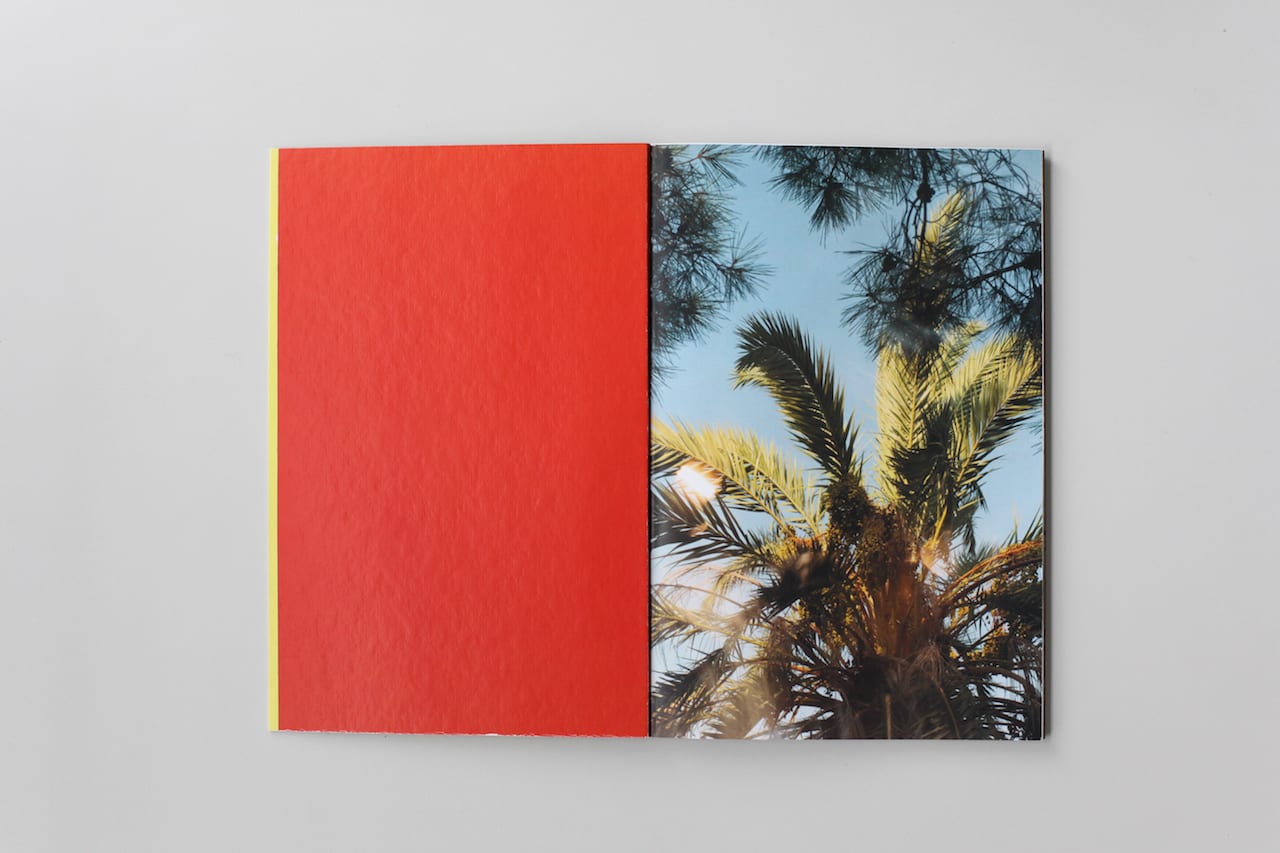
Michael Danner’s book project Migration as Avant-Garde has won the prestigious Dummy Award at the Fotobookfestival Kassel. His mock-up will now be produced and published by Kettler, Germany, the company behind Mathieu Asselin’s hit book Monsanto: A Photographic Investigation.
Born in Reutlingen, Germany in 1967, Danner studied photography at Fachhochschule Bielefeld in Germany and the University of Brighton in the UK, and lived in London from 1997 to 2000. He’s now based in Berlin, where he lectures in photography at the Berliner Technische Kunsthochschule. He has previously published three monographs and seven artist’s books.
His project “examines the new ways in which migrants are pursuing their hope for a better life”, he states, adding: “The term ‘avant-garde’ stands for progress and the way of a pioneer. Driven by the desire to give their lives meaning, and guided by their own integrity, migrants bring new perspectives and points of view to our society. The origin of his work was the reading of a 1943 text by the philosopher Hannah Arendt.”