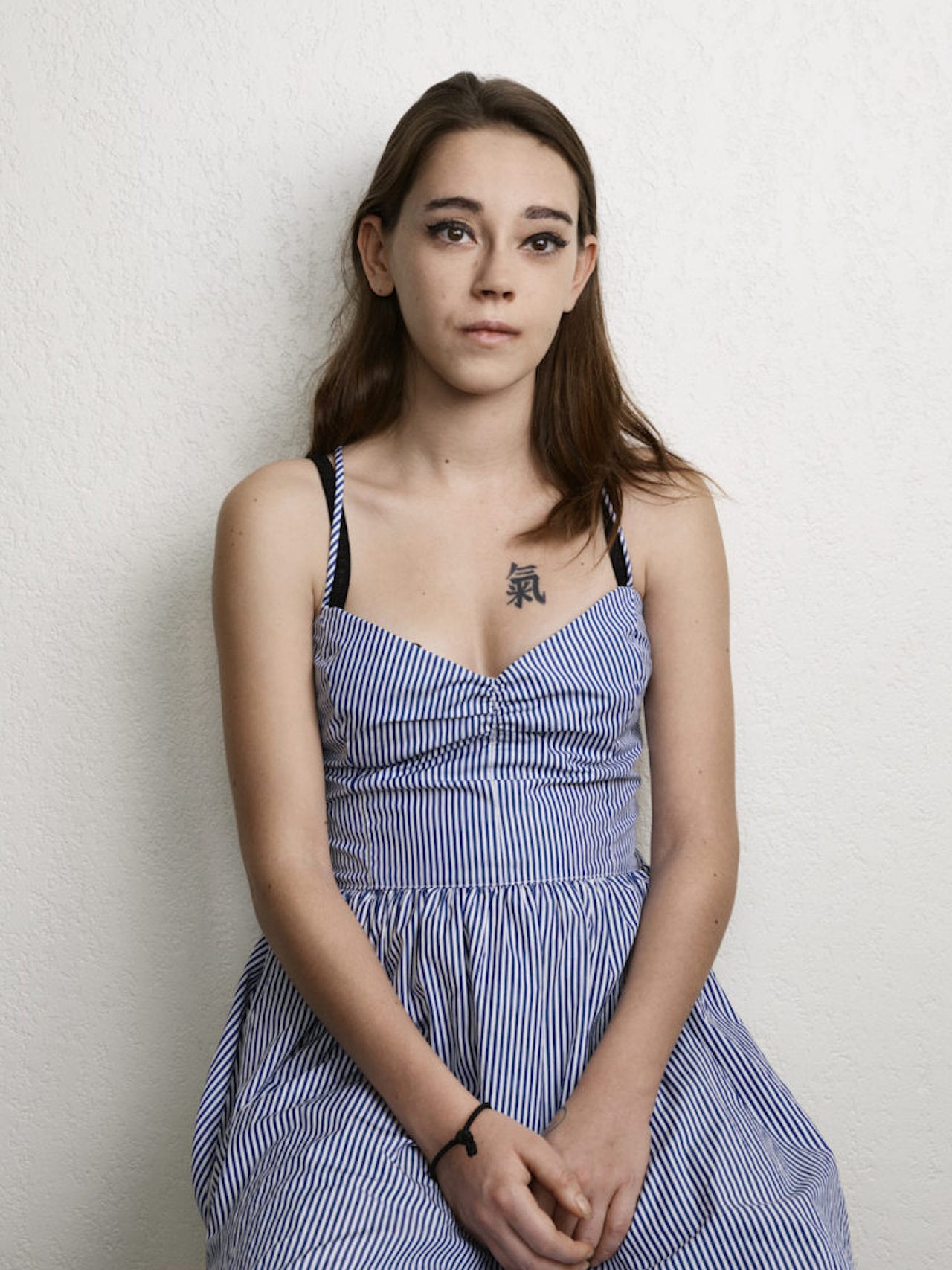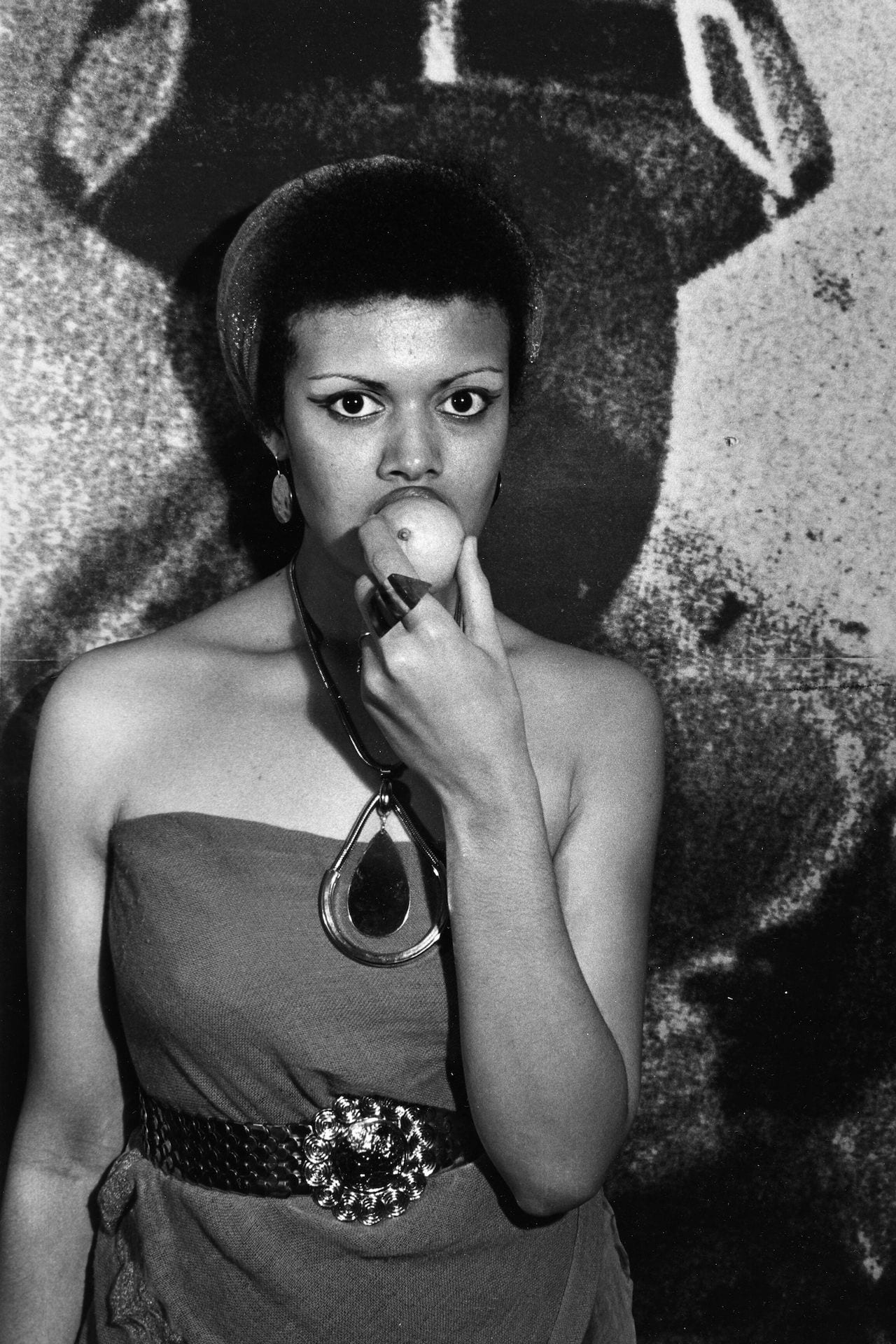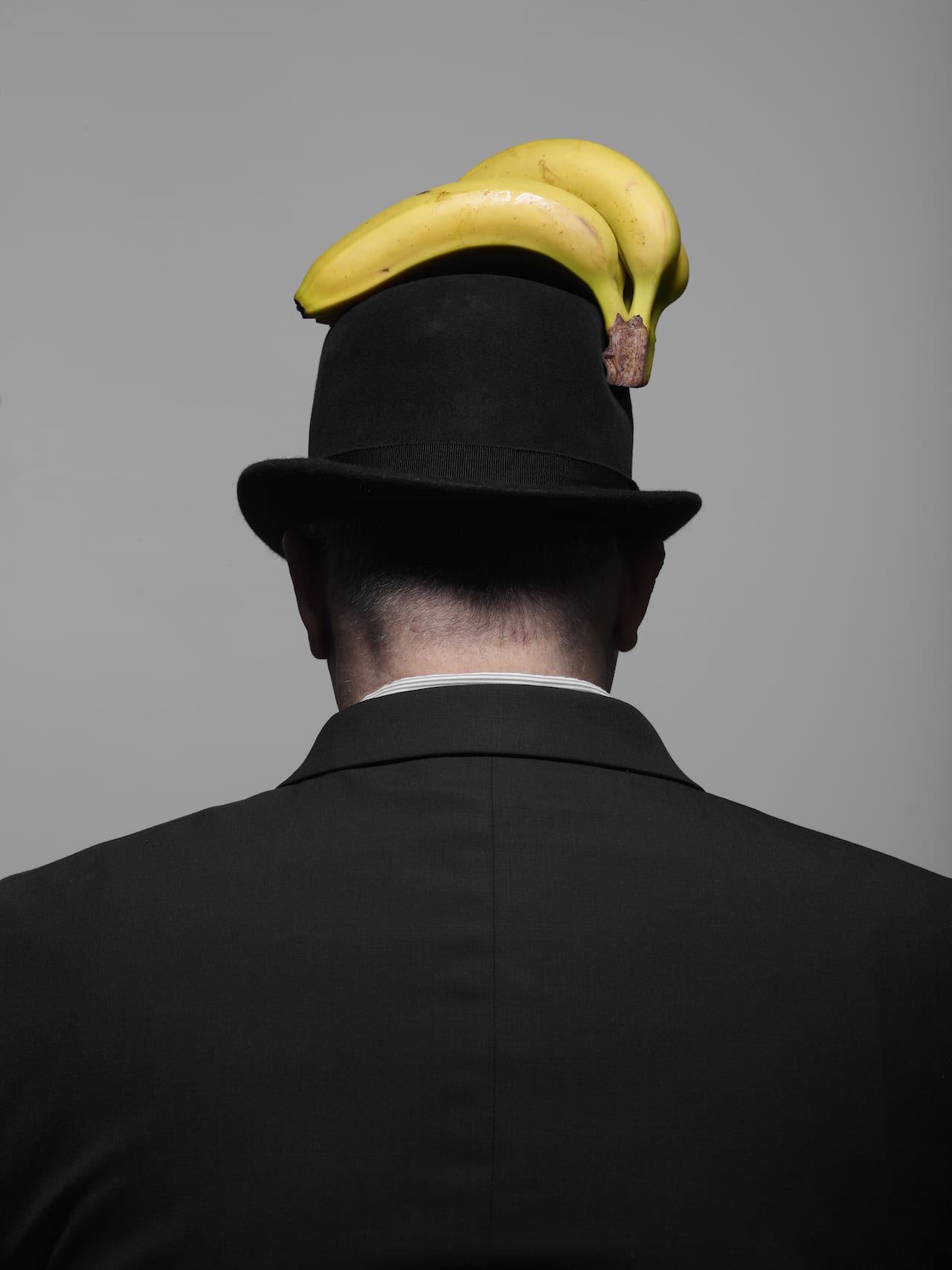

French photographer Valérie Belin’s portraits are not what they seem. Often focusing on the female…
Photography is often considered a solitary pursuit, but the Ryerson Image Centre (RIC) in Toronto, Canada hopes to overturn this conception with a research project led by artists, scholars, and curators such as Ariella Azoulay, Wendy Ewald, Susan Meiselas, Leigh Raiford, and Laura Wexler. Now an exhibition at RIC called Collaboration: A Potential History of Photography is putting their work on view. Featuring approximately 90 photographic projects the work on show demonstrates some of the many ways photographers have collaborated with their subjects and other participants. It includes Wendy Ewald’s Reciprocating in Arabic installation, which combines image and text in an attempt to show the experience of walking through the Arabic language, and WEB Du Bois’ The Potential of the Archive I, a look into the history and present challenges of black America, among many other projects.
Tackling excessive consumption and its parlous effect on the environment and on mental health, Excessocenus uses brightly-coloured, staged images rather than the gritty photojournalism more familiar in this field. “On one hand we wanted to point out the culture of excess that is driving the planet to a total collapse, but on the other hand we also wanted to make a point about how this dramatic situation is normally presented to the audience,” says its creators, Cristina de Middel and Bruno Morais
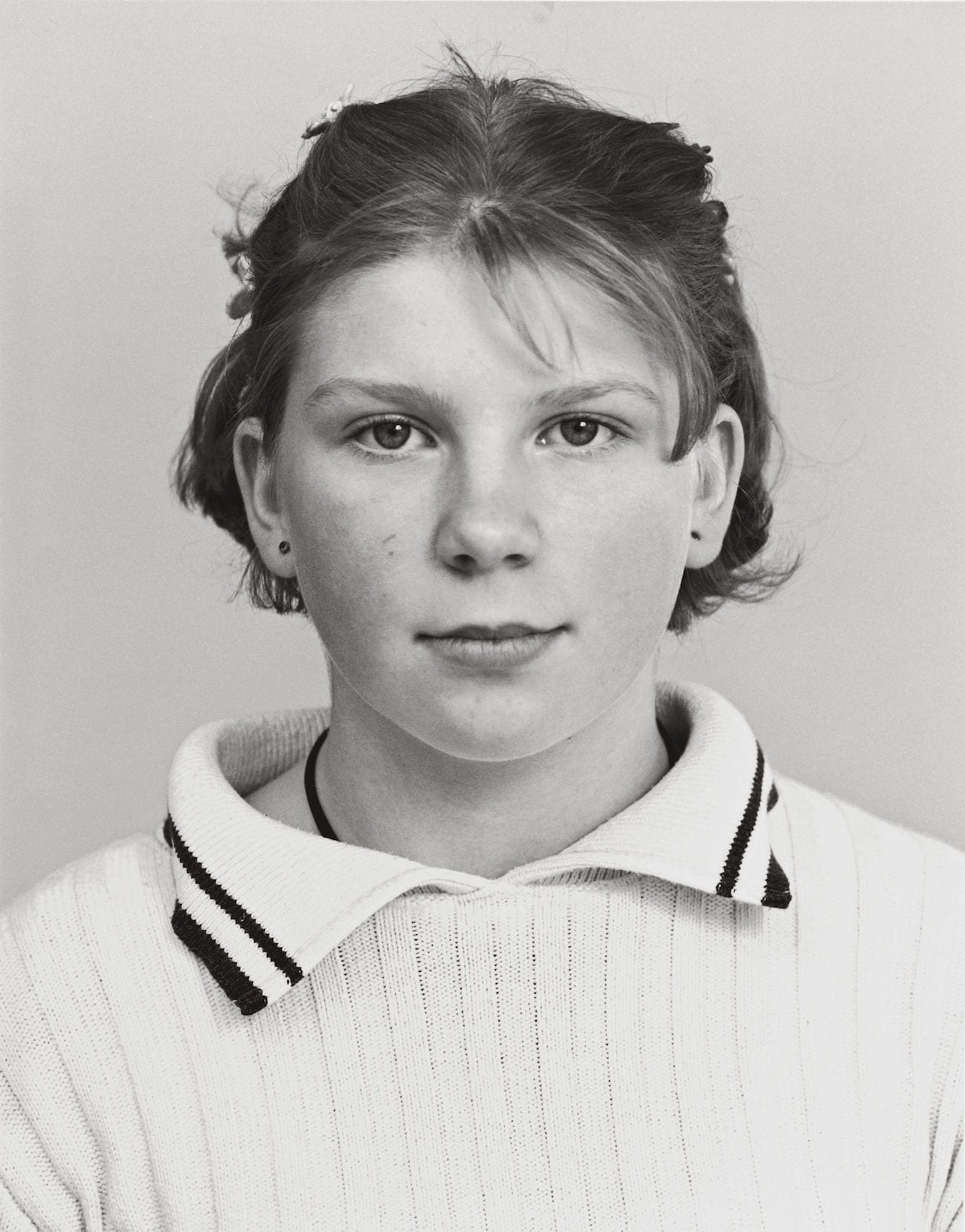
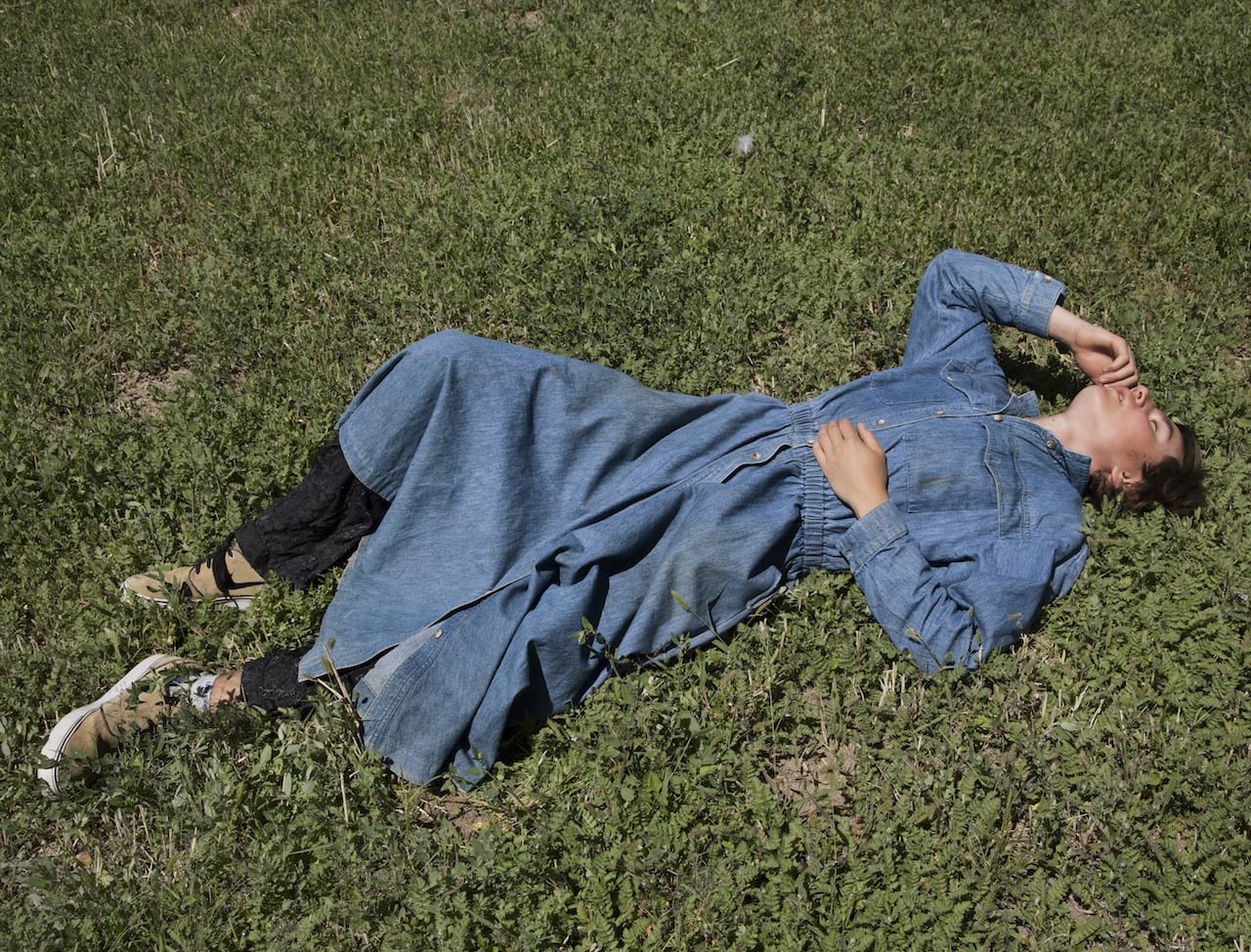
Carolyn Drake first visited Ukraine more than a decade ago, as part of a year-long Fulbright fellowship investigation of changing notions of gender in the former USSR. Coming of age at the end of the Cold War, and with preconceptions about the region, she “saw it as a chance to step out of my present frame of reference, as a way to look at the malleability and impermanence of beliefs,” she recalls. Searching for expressions of female identity in the West of the country, she met the hosts of a church-run orphanage, who directed her to an older institution nearby called Petrykhiv Internat. Tucked away in a forest on the outskirts of Ternopil, it was a state-run boarding house, where around 70 girls marked as ill or disabled had been sent to live. Labelled abnormal, they had been deemed unfit to live beyond the home’s towering walls. That first trip took place in 2006; eight years later, she returned, eager to find out what had become of the girls and their home. “I expected to show up and ask someone on the staff how I could find the girls,” she says. “But when I arrived, I found most of them were still there, now in their twenties.
“Folkestone is a hidden gem – inspiring, by the sea, relatively affordable, and only an hour…
What does Eastern Europe look like 25 years after the fall of Communism? And how do young image-makers there see it? Calvert 22 is investigating, with an exhibition titled Post-Soviet Visions: image and identity in the new Eastern Europe. Curated by Ekow Eshun, creative director of Calvert 22 Foundation, and freelance writer and curator Anastasiia Fedorova, the exhibition includes work by 14 emerging photographers born in Eastern Europe and Russia – Armen Parsadanov, David Meskhi, Dima Komarov, Genia Volkov, Grigor Devejiev, Hassan Kurbanbaev, Ieva Raudsepa, Jędrzej Franek, Masha Demianova, Michal Korta, Patrick Bienert & Max von Gumppenberg, Paulina Korobkiewicz, and Pavel Milyakov.
“It is a very progressive, very independent festival. It’s not part of the city’s art establishment. It’s dynamic, because the organisers are working way out on a limb,” says Susan Bright, ‘godmother’ of the Circulation(s) festival of young European photography, which takes place in Paris from 17 March-06 May
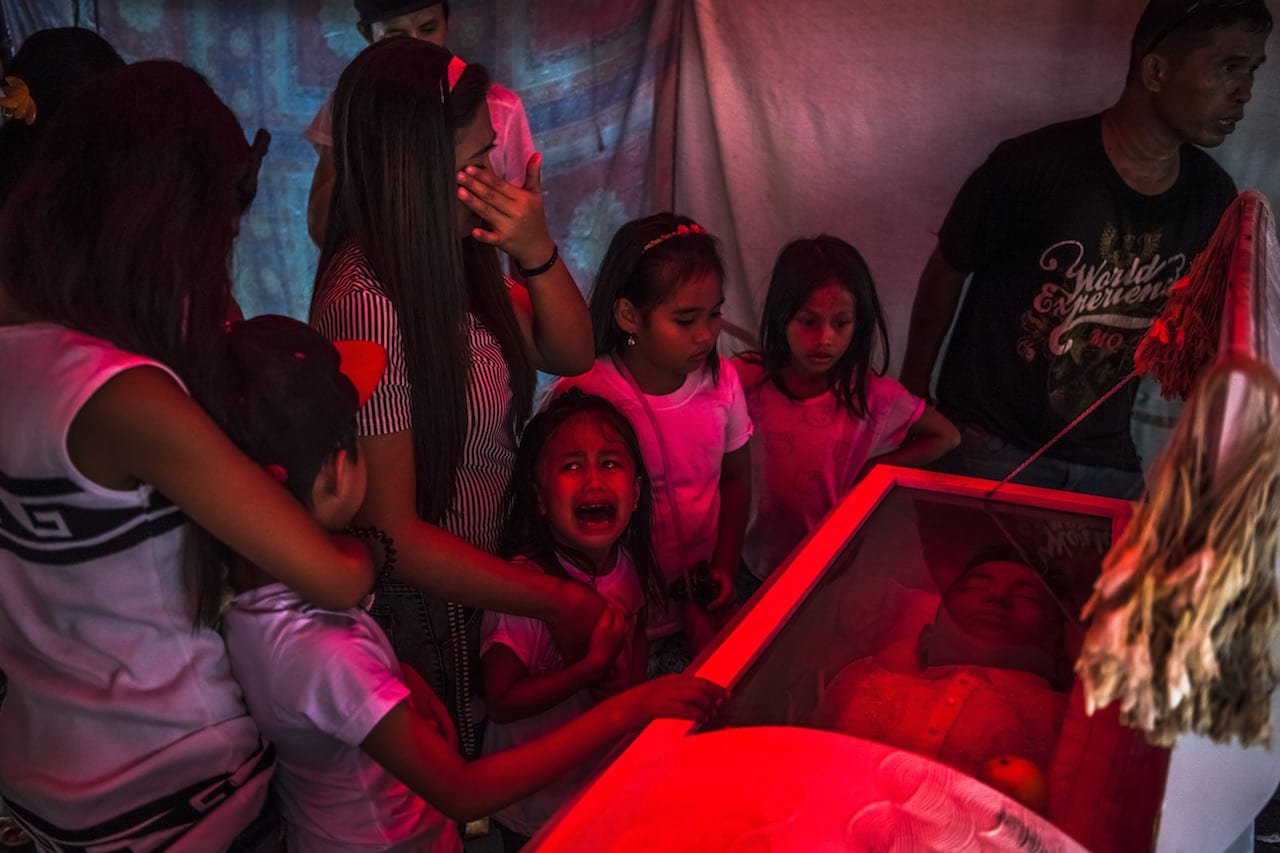
“It’s crazy, I can’t believe it,” says Ivor Prickett, of his two nominations for the World Press Photo of the Year award. “Out of a line up of six, to have two images seems insane considering the amount of great work being produced last year. I can’t quite believe it.” He’s on the phone from Iraq where he’s headed back back to Mosul, the city he’s been photographing for well over a year. Iraq’s second biggest city, Mosul was taken by ISIS militants in June 2014; in October 2016 Iraqi troops began a major offensive to regain the city, the largest military operation since the 2003 invasion of Iraq, and Prickett joined them right away. Originally from Ireland, he’s been based in the Middle East since 2009 and says that “as a reporter in the region, I couldn’t help but cover it”.
Born in Australia in 1978, Adam Ferguson studied photography at Griffith University. He first won…
This year, he says, all the images have been thoroughly checked before the shortlists have been announced, let alone the winners. “All the checking is already done – all raw files, where the images were shot, everything,” he tells BJP. “We know how important it is that everything can be trusted, and we keep asking questions until we are satisfied. We wouldn’t announce the shortlists unless we were.”