

Alys Tomlinson’s Ex-Voto book is the culmination of a five-year journey across Catholic pilgrimage sites…
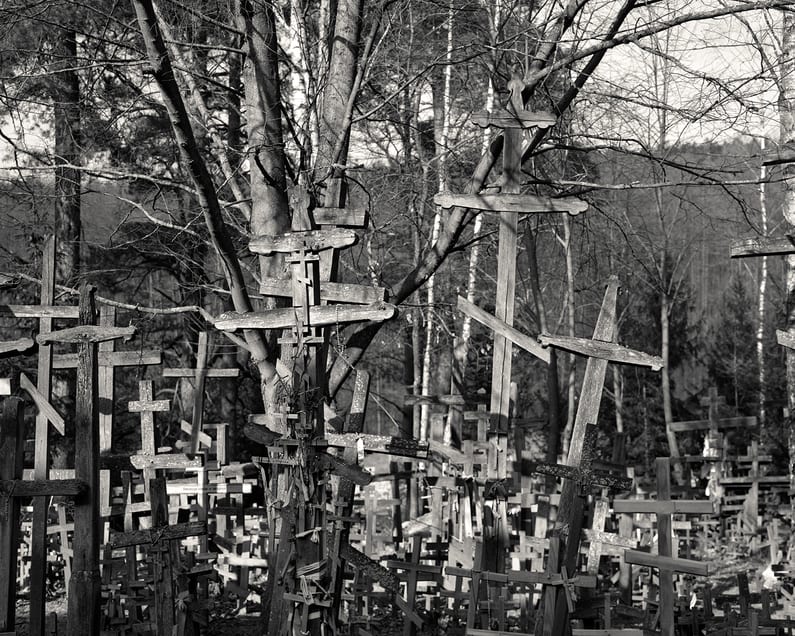
Alys Tomlinson’s Ex-Voto book is the culmination of a five-year journey across Catholic pilgrimage sites…
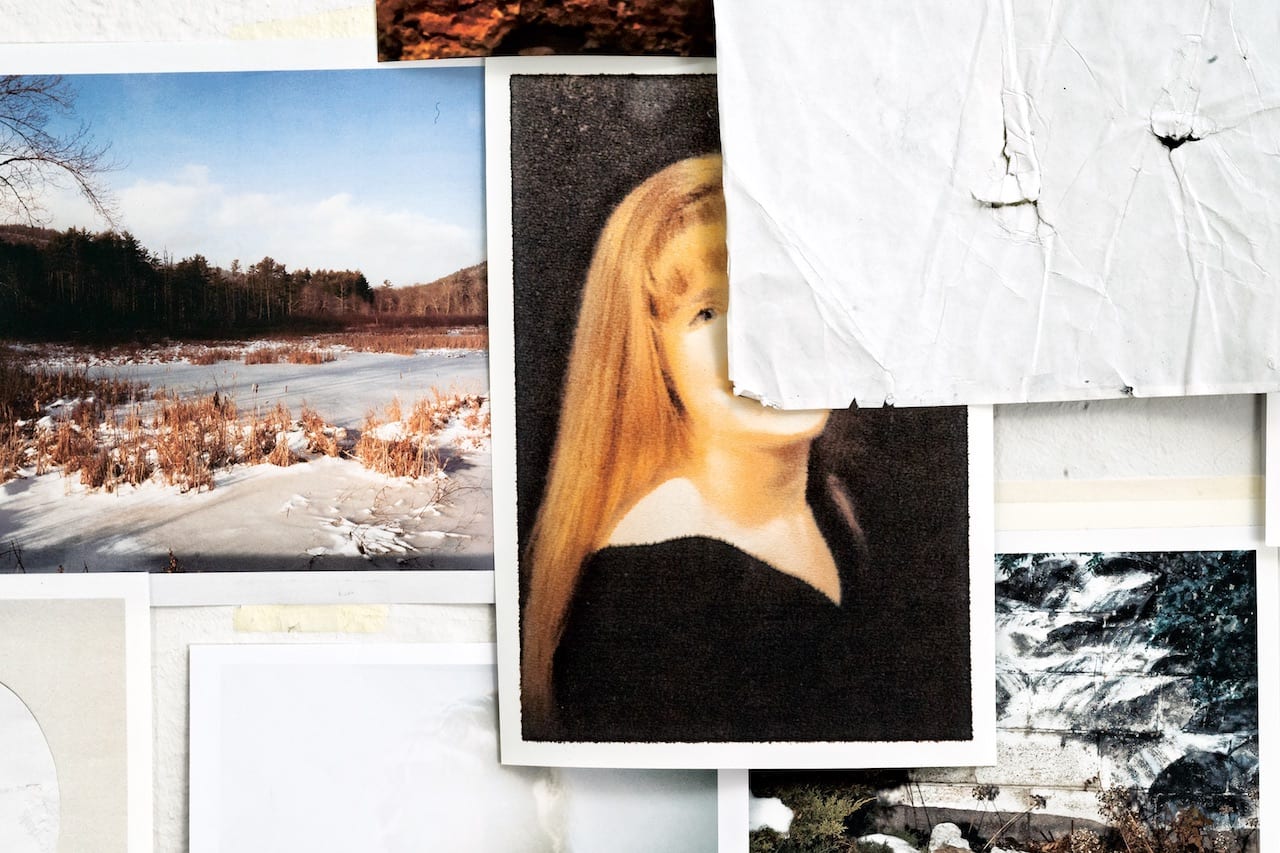
Virginie Rebetez is a photographer preoccupied by absence. Her work explores themes around disappearance, loss and death, her subjects often physically absent or removed from the projects that depict them. Such is the case with Out of the Blue, which centres around the unresolved disappearance of Suzanne Gloria Lyall, who went missing in 1998 at the age of 19, in Albany, upstate New York. Out of the Blue was published last year by Meta/Books, and is showing in Mutable/Multiple at Quad during Format.
Lyall has never been found but traces of her remain even now, more than 20 years later. “Photography has this relationship with traces but also with proof and reality,” explains Rebetez, whose work attempts to make concrete something unthinkable, this vacuum, by becoming acquainted with Suzanne and her life in her absence. “It’s really interesting to work on something invisible with photography because somehow it gives something material to that which is not present,” she says.
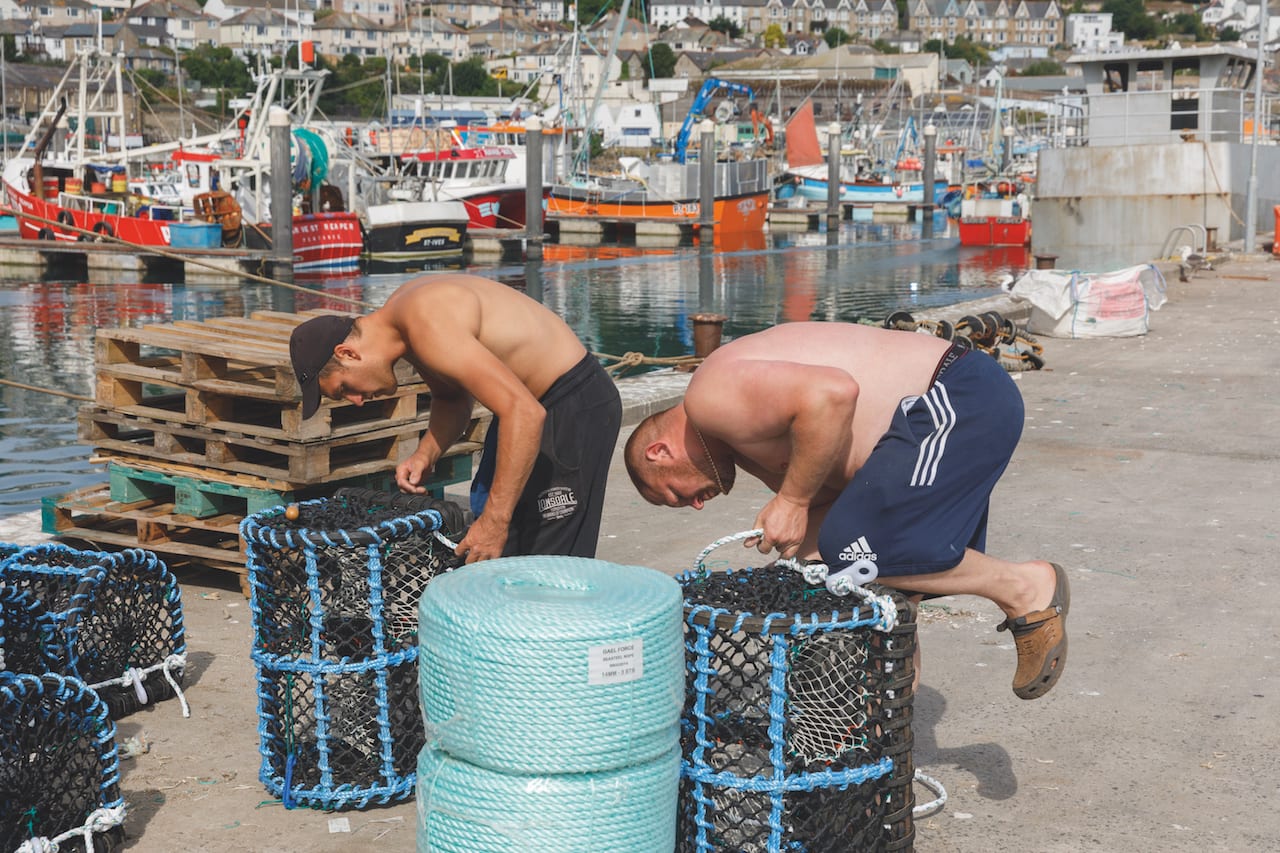
When the Portrait Gallery was established in London in the mid-19th century, its role was envisioned “to consist of those persons who are most honourably commemorated in British history”. Opening in an era when photography was still a new and untried technology, the National Portrait Gallery (as it later became known) was intended to be the national repository of the images, chiefly paintings and drawings, of those men and, much later, women who represented what was best among the British hierarchy of achievements, skills and aptitudes. Its function was to hold up a mirror to Britain that reflected its qualities back to those who came to observe them, as object lessons about how to aspire to, or more simply respect, the qualities and moral standing of the great and the good.
This conception of the NPG may still be widespread in the public mind, as even Martin Parr thought his work would be an ill-fit for a contemporary exhibition along these lines. “I never thought of myself as a portrait photographer,” he says, “and when I first met Phillip Prodger [NPG’s former head of photographs], I told him I had only a few celebrity portraits. I just put a lightbox together and sent them to him, though I was quite surprised at what I had.” Prodger, however, had other ideas, seeing in Parr the work of a social observer who could also offer a portrait of a nation at a key point in its history. So it is that the NPG put together Only Human, on show from 07 March to 27 May, bringing together some of Parr’s most famous photographs alongside a number of works never exhibited before.
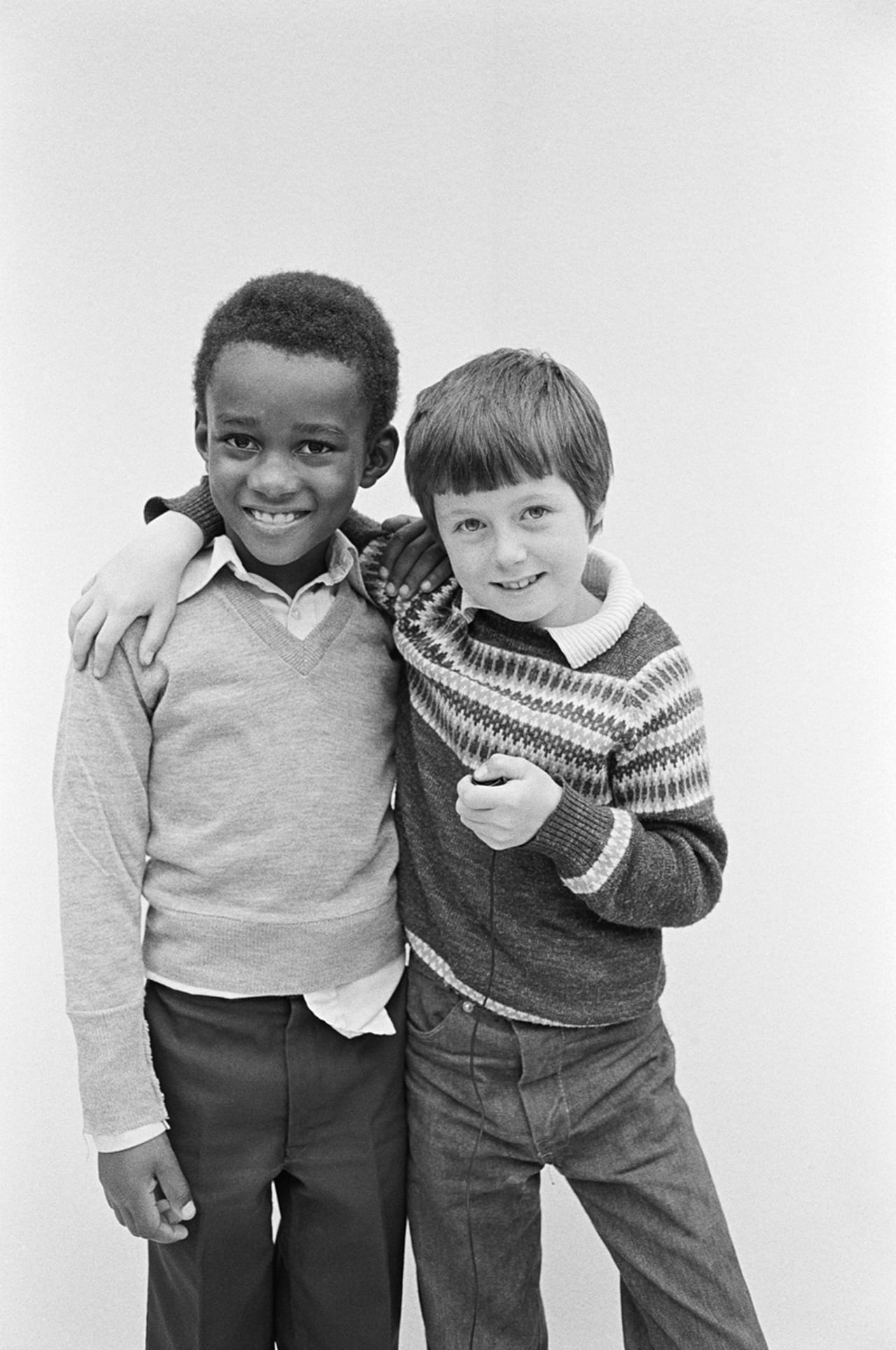
When Derek Bishton, John Reardon, and Brian Homer set up a photography and design agency in the late 1970s in Handsworth, a multicultural, inner-city district of Birmingham, they were viewed with suspicion. “I lived in Handsworth and walked to work with my camera, and I felt people were looking at me as if to say ’Who is this white guy, is he working for the police?’” says Bishton. “As I started to take photographs I was aware of this problem.”
Their agency, Sidelines, had been set up to work with community groups on issues such as social justice housing, unemployment and immigration though, so the photographers were keen to win the locals’ trust. Discussing it in their office, a converted terraced house on a busy shopping street in Handsworth, Bishton happened to find a photograph in Camerawork Magazine, showing a Ukranian woman who had photographed herself in a portrait studio set up by American photographer David Attie. It was, he realised, the perfect solution – and one which their office was seemingly built for.
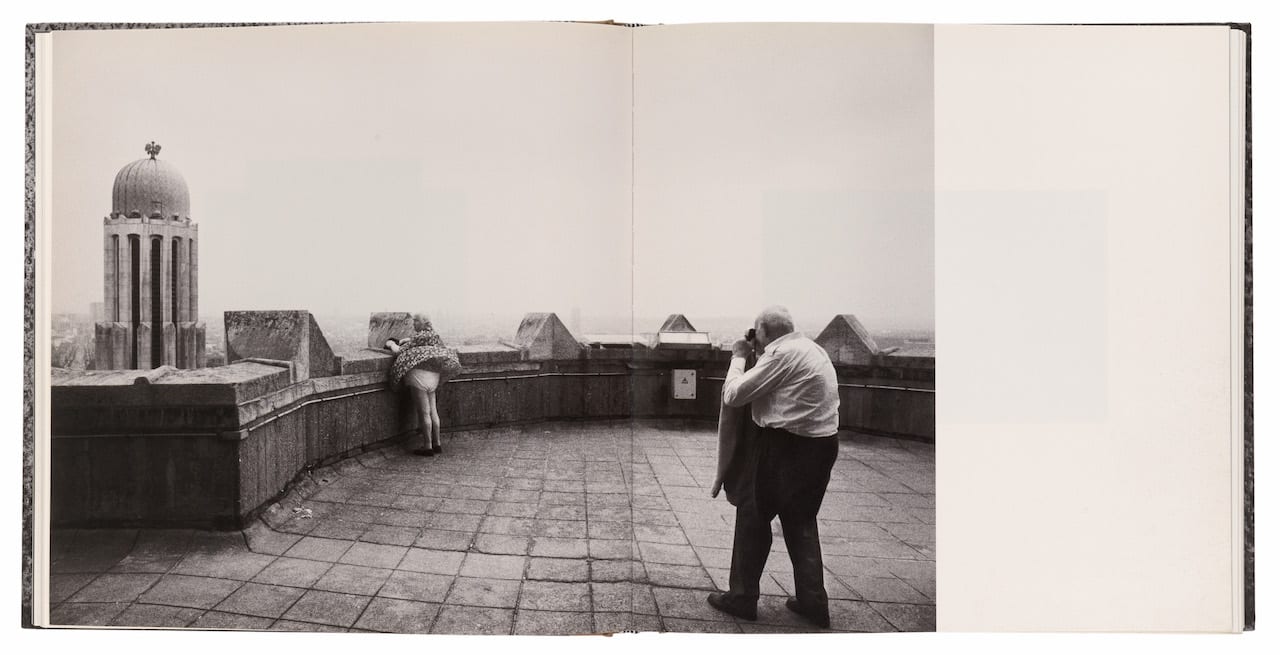
“To date, hardly any research has been conducted into Belgian photobooks,” opens the exhibition Photobook Belge, now on show at FOMU and published as a book by FOMU in partnership with Hannibal. “Photobook Belge provides an overview of the evolution of the Belgian photobook from the mid-19th century to today.”
Including nearly 250 publications, Photobook Belge is divided into eight chapters, looking at areas such as Artists’ Books, Belgian national identity, and the relationship between text and images. Belgium’s brutal colonisation of the Congo, its subsequent relationship with the country, and its often problematic representation of it in images, is given a whole chapter. “Many of the photobooks published since the 50th anniversary of [Congo’s] independence in 2010 oscillate between a more or less overt nostalgia, Afro-pessimism and an aesthetic of ruins,” states the curator Tamara Berghmans. “Most are still the result of a white, male gaze.”
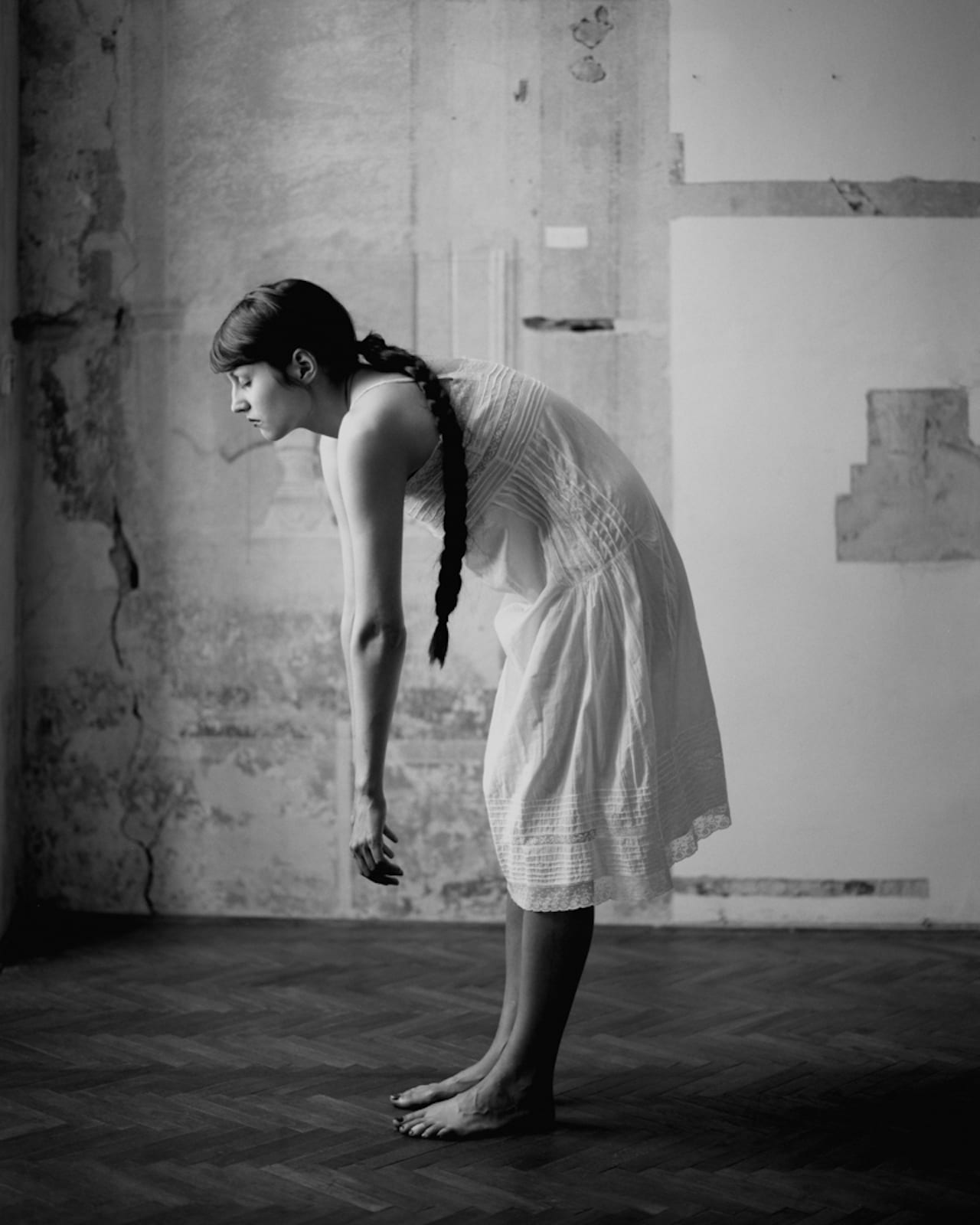
A group show of contemporary Czech photography, Tender is dedicated to work that “registers vulnerabilities of people and their environments – the bruises on the fruit”. The selected photographers include image-makers such as Tereza Zelenková, Vendula Knopová, and Hana Knížová, for example, who adopt widely varying styles but can all be seen to investigate this idea in their selected work.
“Remember, ‘tender’ also means a bid and this exhibition is a part of a program established to promote the Czech Republic abroad,” write the exhibition curator Michal Nanoru. “Are you going to accept the offer?”
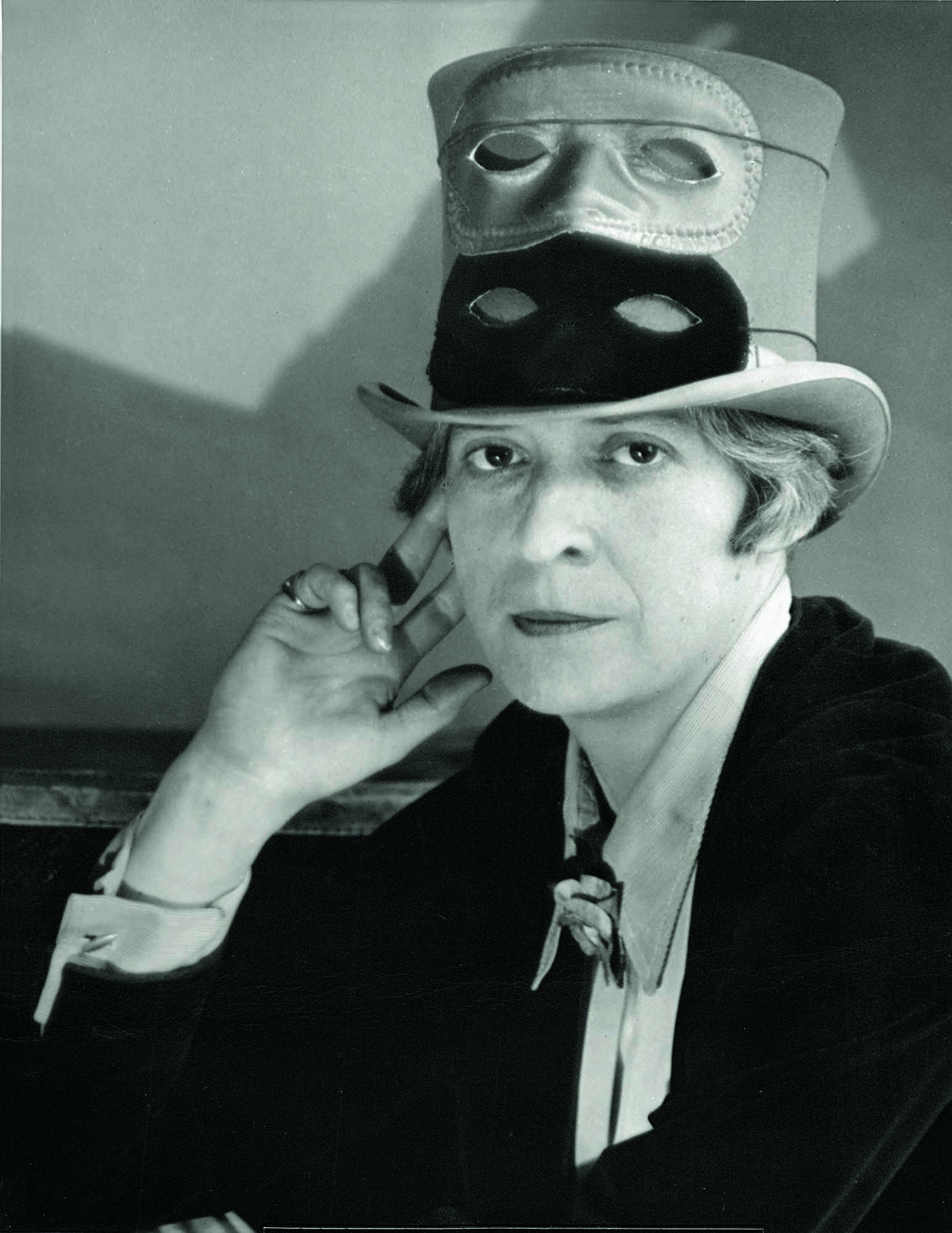
“To me photography is a means, perhaps the best means of our age – of widening knowledge of our world. Photography is a method of education, for acquainting people of all ages and conditions with the truth about life today,” wrote photographer Berenice Abbott, in an unpublished text from 1946, Statement in Regard to Photography Today. Berenice Abbott: Portraits of Modernity will run at the Fundación MAPFRE in Barcelona till 19 May 2019. Following its showing in Barcelona, the exhibition will go on display at the Fundación MAPFRE’s Sala Recoletos in Madrid from 01 June till 23 August.
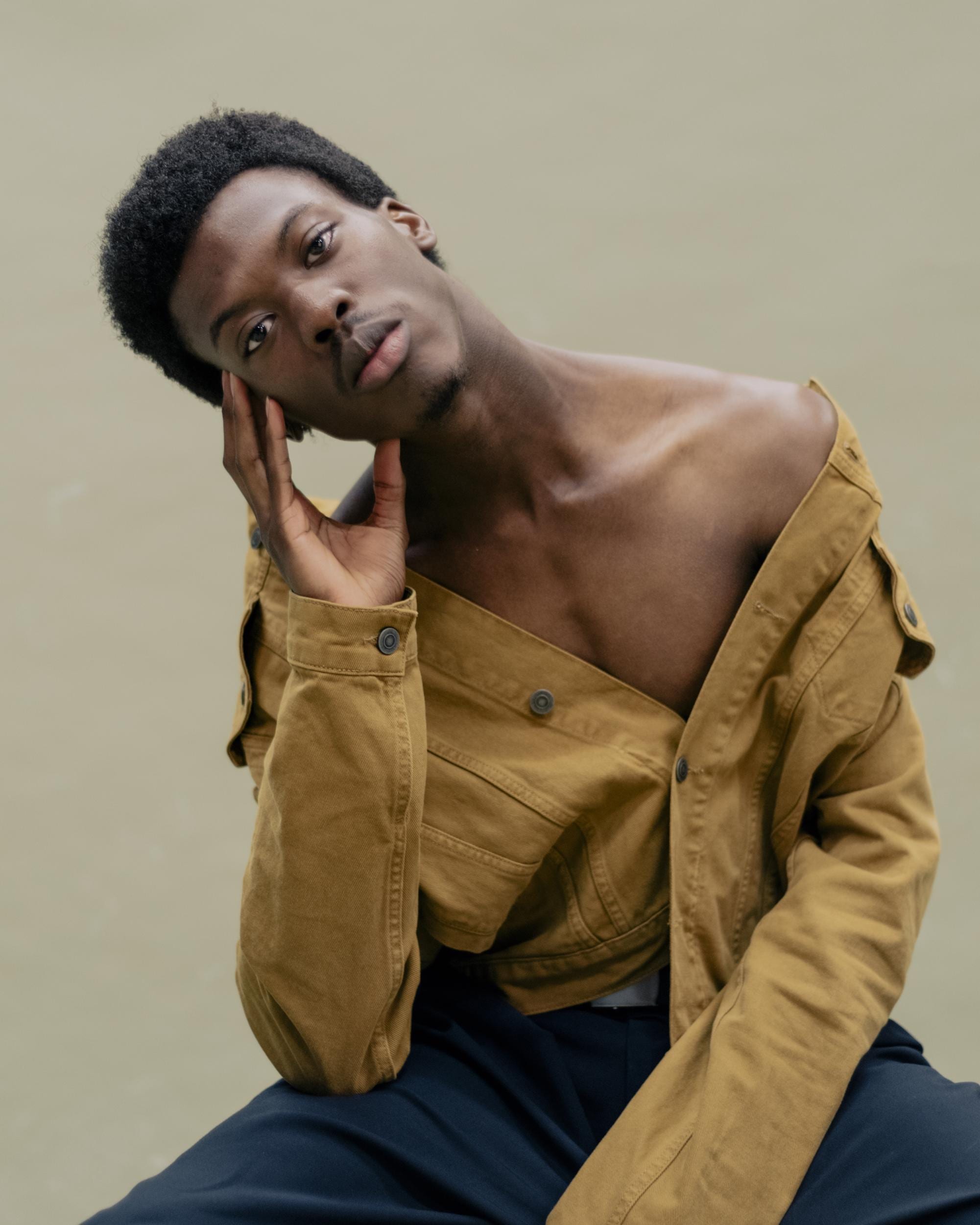
Portrait of Britain 2019 is open for entries. Now in its fourth year, the groundbreaking…
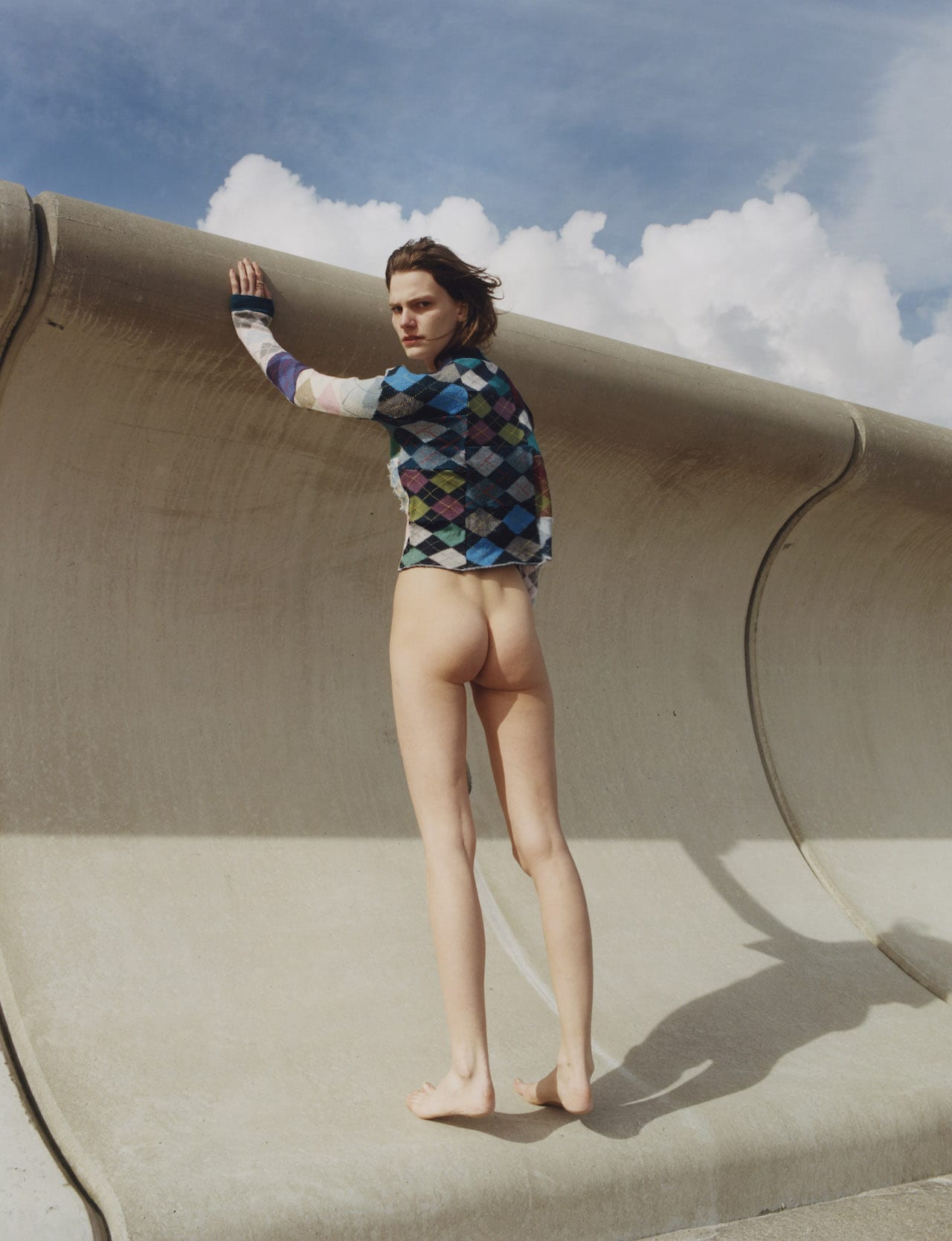
Succeeding the museum’s founding director, Jean-Luc Monterosso, Simon Baker plans to open up both its collection and its programme to audiences, carving out a space for emerging artists, fashion photography, ideas on geography, and newer names to the city’s rich artistic ecosystem. “We have to think about what isn’t being done in the photographic landscape in France,” he explains. “We really want to support younger artists – particularly with solo shows. While there are amazing fairs and group shows, that’s something that’s been missing.”
What better way to start, then, than with a solo exhibition by Coco Capitán? Since she graduated from the Royal College of Art in London in 2016, the 26-year-old Spanish artist has become a never-predictable presence. Her work is always dynamic and often playful, but underpinned by a precision and a poignancy too – whether created for, and thanks to fashion, such as her ongoing artistic collaboration with Gucci creative director Alessandro Michele, or her diverse self-initiated series comprising text and paint along with traditional photography.