

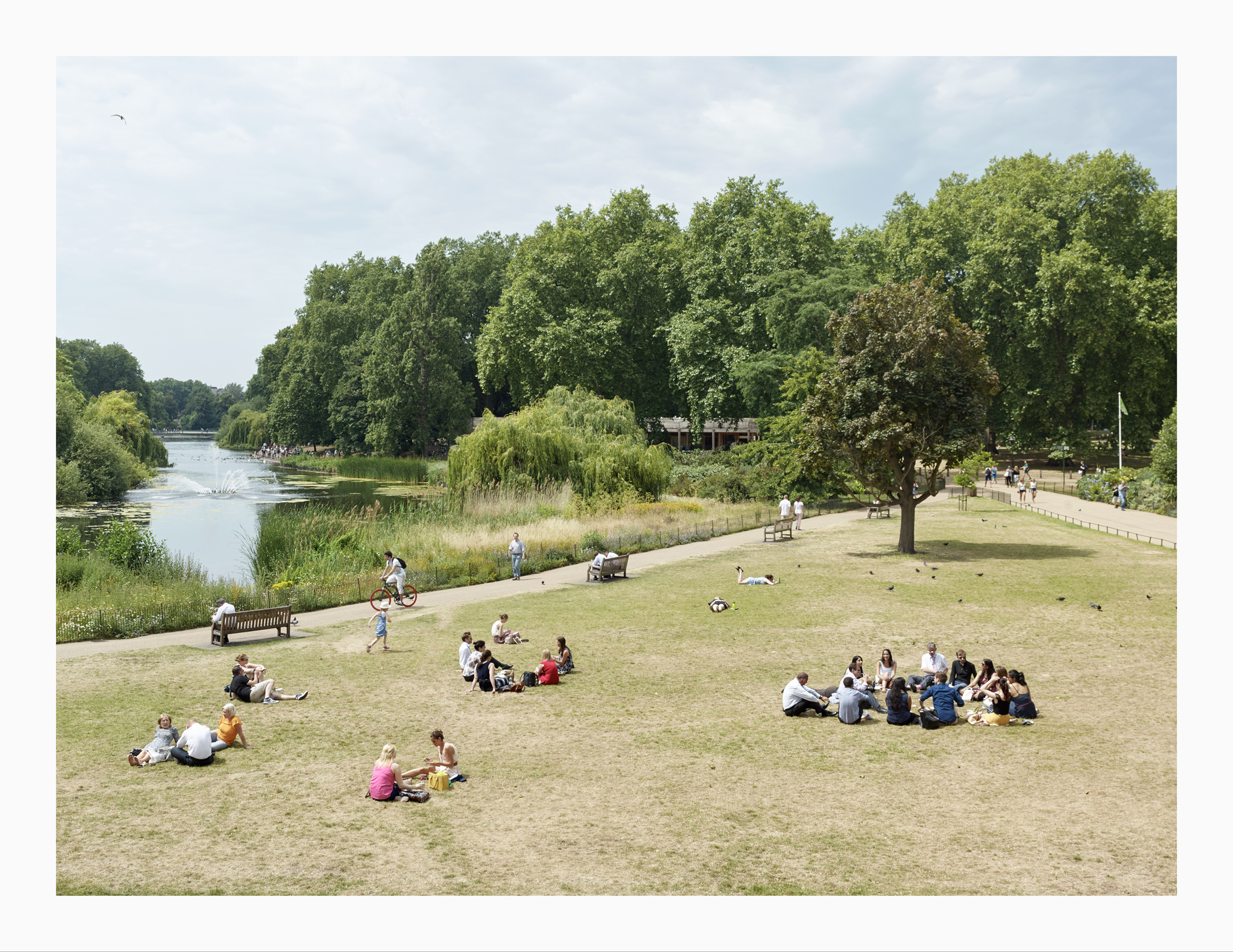
St James’s Park © Simon Roberts.
All images available via Print Swap.
Sam Faulkner, the photographer behind Print Swap, discusses screen fatigue, status anxiety, and why the hardest part of swapping prints is getting people to ask
Sam Faulkner is a third-generation photographer – his father and grandfather were both professional photographers, though neither pushed him toward it. He found his own way in, straight out of university and off to Afghanistan, drawn to documentary work in the mould of Magnum Photos and Don McCullin. In 1995, the images he brought back won him the Ian Parry Award, and that grounding shaped Cocaine Wars, his long-term project on the cocaine trade across Colombia, Bolivia, Peru, Brazil, Haiti, Mexico and the US ( featured in British Journal of Photography, October 2007).
In 2001 Faulkner was commissioned by GQ to photograph Mario Testino, one of the world’s most glamorous image-makers, just ahead of Testino’s first-ever museum show at the National Portrait Gallery, London. From there came more work behind-the-scenes with Testino’s clients, such as brands Estée Lauder, Burberry and Michael Kors and then, as the editorial market thinned out, more commercial commissions. In the summer of 2015 Faulkner showed a five-year series of portraits at Somerset House, shot at Waterloo battlefield re-enactments, and published the book Unseen Waterloo: The Conflict Revisited. Portraiture and commercial work now pay the bills, but it is documentary photography that keeps the fire burning, as he puts it.
Faulkner is one of the UK’s most accomplished image-makers, but when it came to a blank patch on his own walls, he felt loath to hang up one of his own photographs. He also could not justify buying a print at gallery prices and, musing that “most photographers can’t afford that”, came up with an idea – Print Swap. Photographers exchange physical, editioned prints with each other. No money passes between them: each pays only for their own print to be produced and posted. Swaps are arranged through an iPhone app, no follower counts are visible, and the feed shows you the picture before it tells you who made it. Once both photographers have agreed a swap, professional labs around the world print both images on archival paper and ship them direct, each with a certificate of authenticity.
The thought of swapping evokes hit 1970s kids’ show, Multi-Coloured Swap Shop, but took Faulkner back to a conversation with Magnum photographer David Hurn, one of his mentors on the World Press Masterclass in the Netherlands back in 2001. Hurn said he had swapped prints with other image-makers throughout his career – ending up with more than 700 of them by the end. At the time Hurn’s words had not really registered. But, Faulkner now realised, if he had swapped just two prints a year since having that conversation, he would now own 50 prints by photographers he admired, and a house full of work instead of an empty wall.
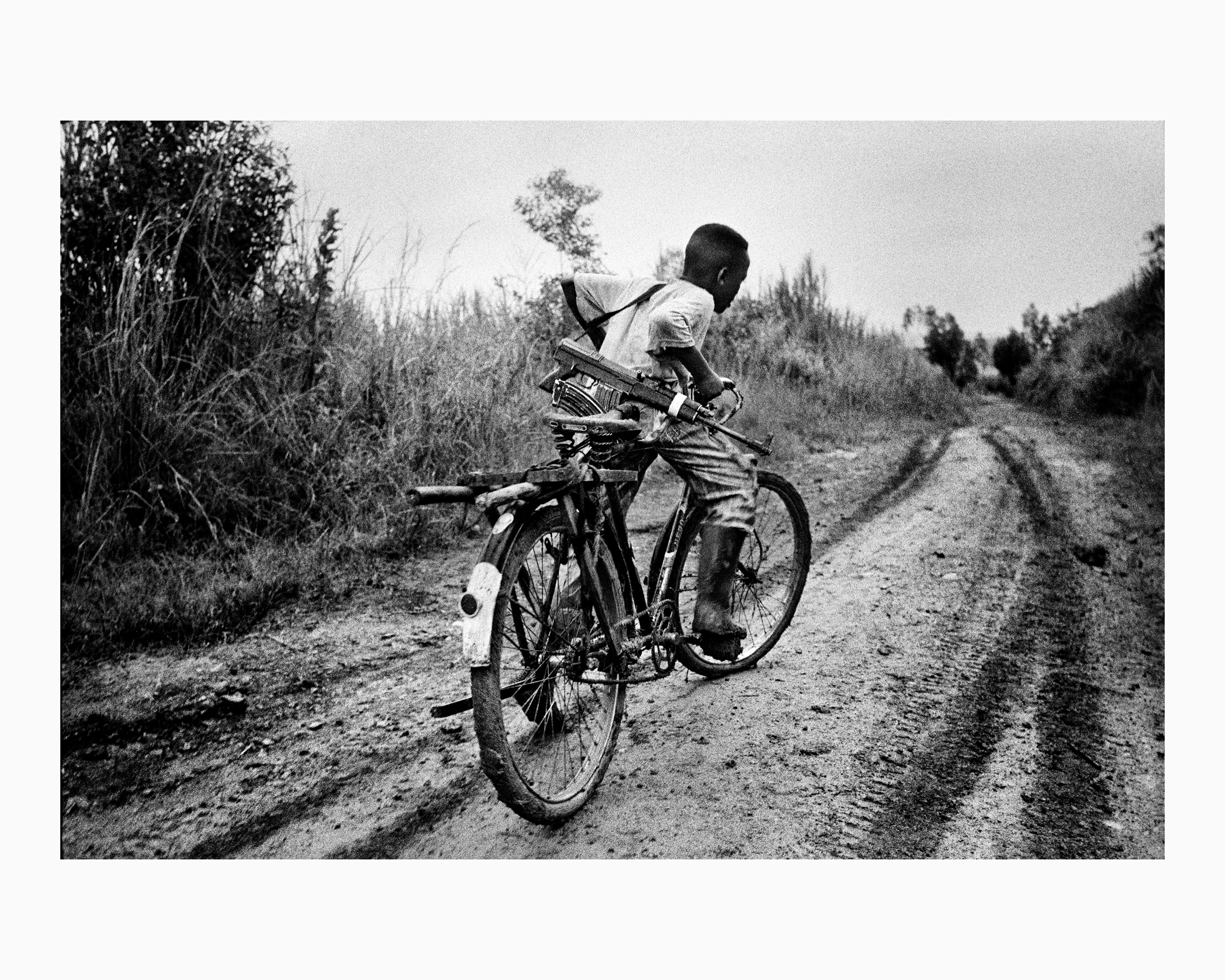
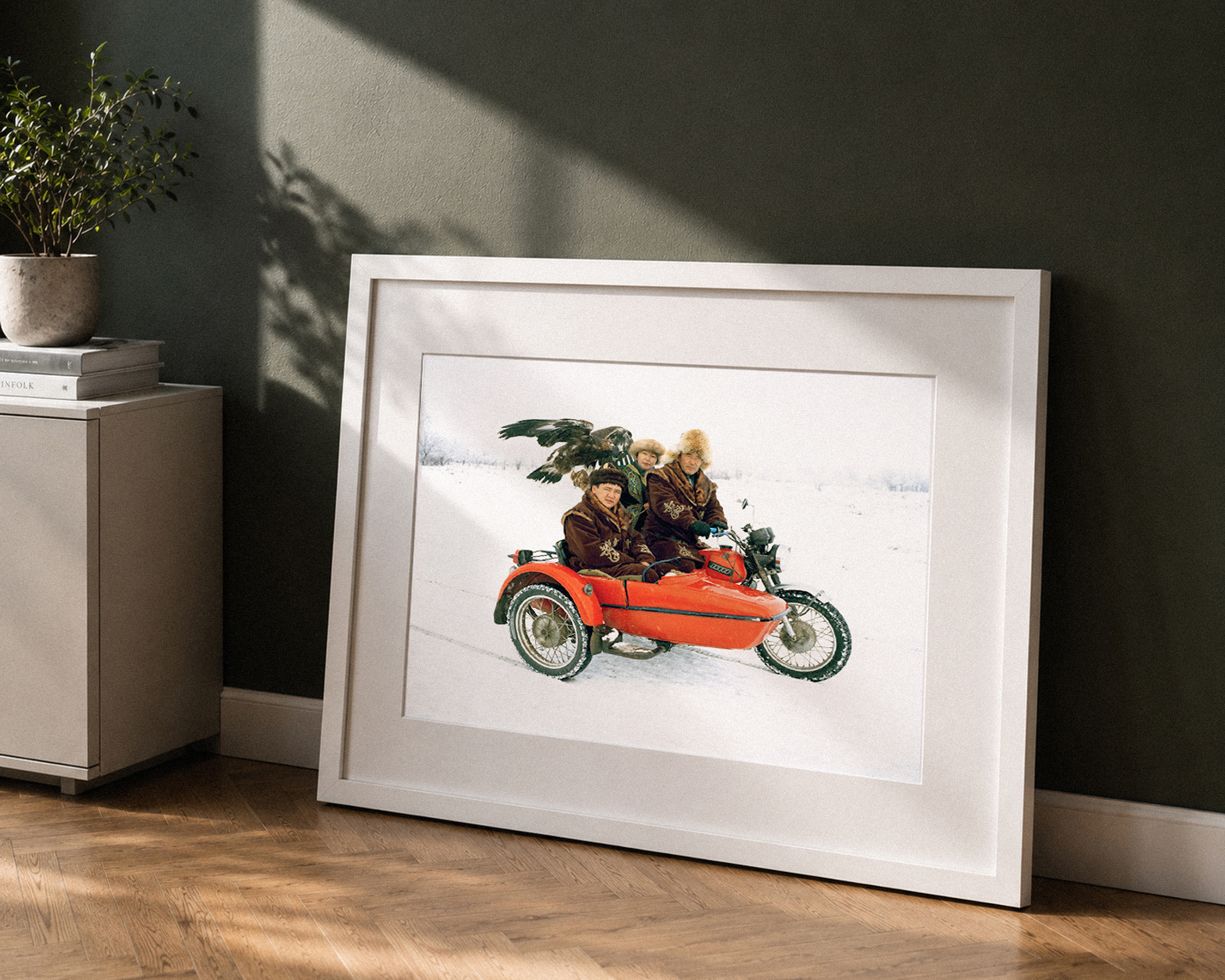
“Hopefully there’s some sense of mutual appreciation. It’s always nice to have your work recognised by your peers – for them to look at it and think, that’s something I want to have around” – Sam Faulkner
The idea sat for a while. What tipped it into action was not a plan so much as a problem – twice over. First, a straightforward swap with a friend that ended up taking more than a year to complete, after Faulkner handed his print over at the pub and the friend showed up empty-handed. “Getting photographers to actually do the mechanics of the swap felt like a bit of friction,” he says. It was proof that even people who wanted to do this needed a system to make it happen. Then came a more general frustration, voiced one night in another bar with photographer friends “in various states of misery about the state of the business”. Nobody expected the economics of photography to improve for them any time soon, but this did mean they had capacity for other projects. “I’ve got a bit of time on my hands,” Faulkner remembers thinking. “Why don’t I give it a go?”
His case against simply buying or sharing images online is really a case against how little attention pictures get. “We’re surrounded by more images than we’ve ever seen,” he says. “How much attention do we give them when they’re 4cm x 4cm on your screen? You literally just swipe past them, and they become completely disposable.” What he wants instead is to be surrounded by photographs that inspire him, that he wishes he had taken, or whose story he half-knows – the things that remind him what he loves about the medium.
That is also the thinking behind stripping the platform of sales, followers and visible status. On the Print Swap feed, images first appear with no names attached; you only find out who took one when you tap on it. Faulkner is candid that this does not erase hierarchy so much as work around it – there is still, inevitably, a sense that some photographers carry more status than others. But that is part of what makes the swapping dynamic interesting. Do you approach someone whose work you admire but who feels out of reach, or stay within your peer group?
Either way, he wants to guard against people simply looking out for big names. “I want it to be image-first,” he says, adding that swapping can also create a sense of recognition. “Hopefully there’s some sense of mutual appreciation. It’s always nice to have your work recognised by your peers – for them to look at it and think, that’s something I want to have around.”
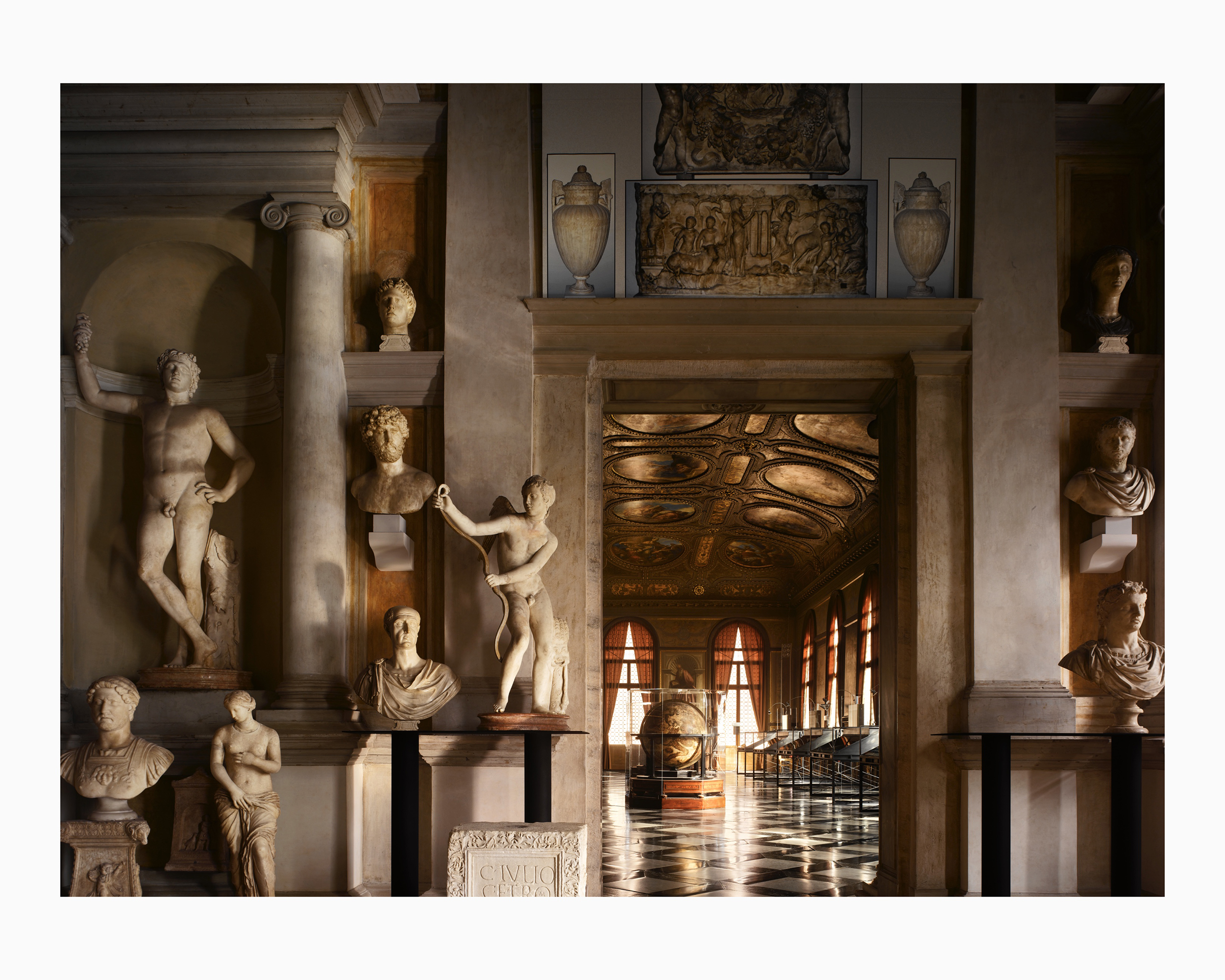
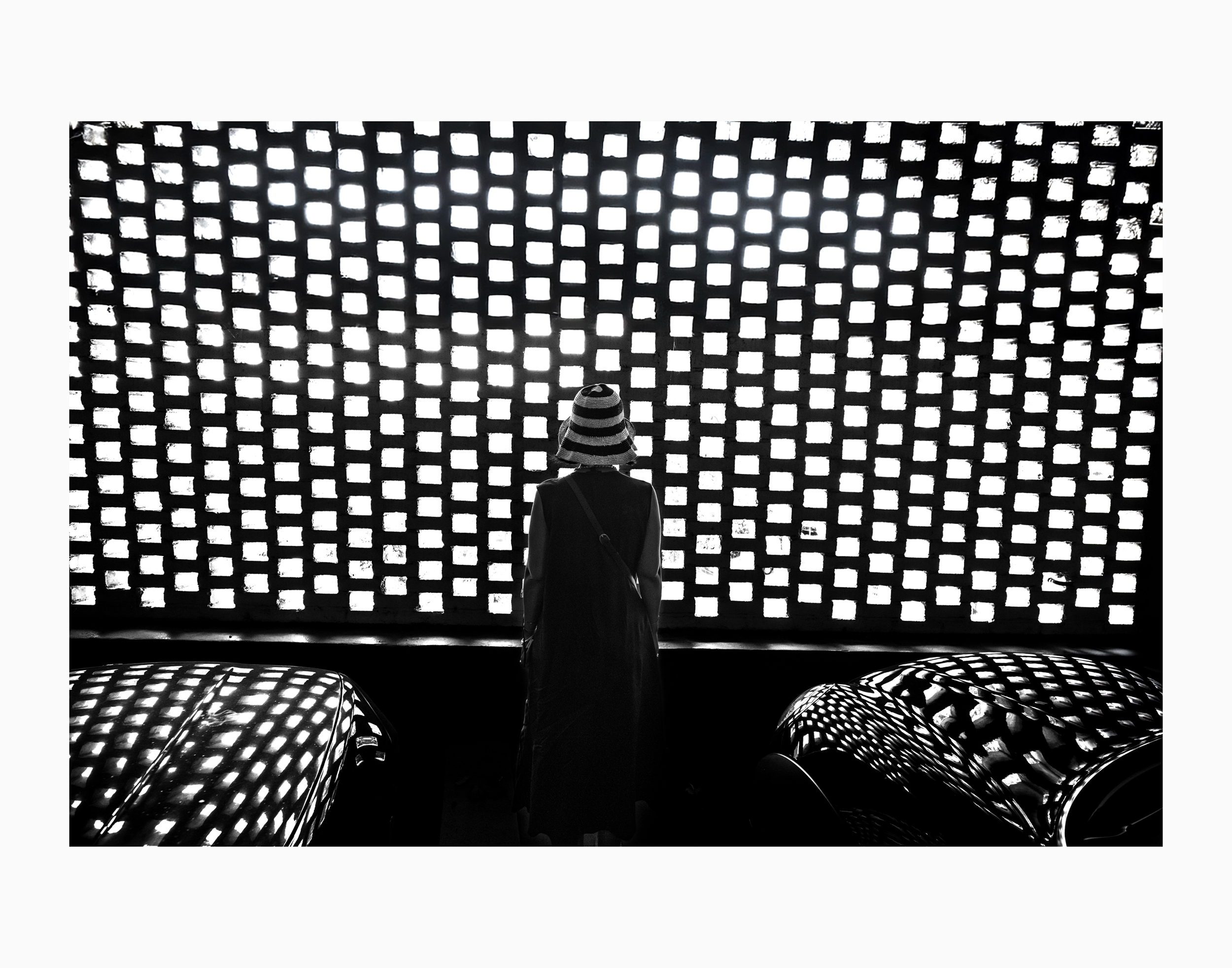
“In an era where everything is commodified, particularly art, it’s refreshing to have a more democratic and affordable way to acquire prints from fellow photographers,” says Simon Roberts when asked what attracted him to the idea of Print Swap. “I’ve often swapped prints with colleagues over the years but this platform allows an opportunity to discover work by artists I might otherwise not have come across.” He adds: “The platform is very user friendly, easy to set up a profile and list work with the flexibility to create a print in the format you want, along with a nice range of archival photographic papers.”
The platform is digital, built to connect photographers wherever they are in the world, in service of something deliberately analogue – prints on a wall rather than images on a feed. “The important thing to me is the culture of swapping prints,” Faulkner says. If there were a workable way to do that without the internet, he would take it, but there usually is not – and going online opens the swaps up to people anywhere in the world. But what has surprised him most, running the platform since it launched in May, is simply how hard it is to change behaviour. People like the idea of Print Swap as soon as it is explained to them – the resistance shows up later, in actually doing it.
Faulkner compares the holdups to the friction encountered on dating apps – the reluctance to make the first move, the fear of being turned down. But, he says, “What’s the worst that can happen? Someone doesn’t want to swap with you.” Once people give it a go, they see all the things that drew him to the idea in the first place – the breadth of what other photographers are making, outside one’s immediate bubble. Faulkner compares it to the experience of walking round Photo London, stumbling on work that is not in the books that you might pick up in a shop, and is not what an algorithm would ever serve you.
Ultimately Faulkner hopes Print Swap encourages people to live with images, to be surrounded by work they love, at home, in the kitchen, while chopping vegetables. Done right, he thinks it is a way to democratise access, to put photographers in direct contact with the work they love.