
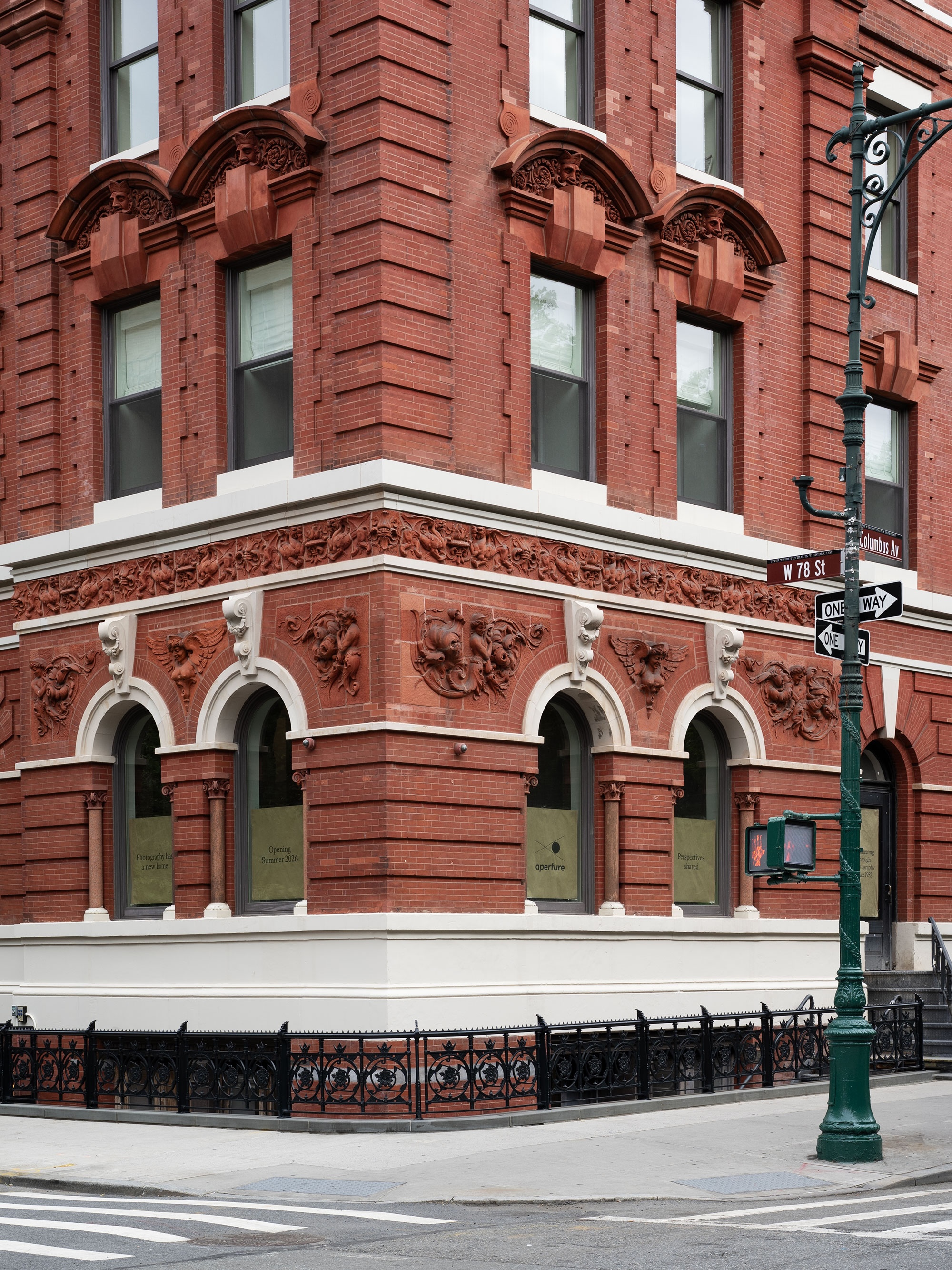
Aperture’s new home at 380 Columbus Avenue, New York. Image courtesy Aperture
As Aperture moves to the Upper West Side, and puts a renewed focus on reaching out, executive director Sarah Meister reflects on its ‘tentacular’ past and future
Nothing says “killing it” like buying real estate in an outlandishly expensive culture-rich metropolitan hub. Aperture, the nonprofit publisher of sleek photobooks and the esteemed magazine, has done just that, purchasing and settling in a new permanent home that’s just opened to the public.
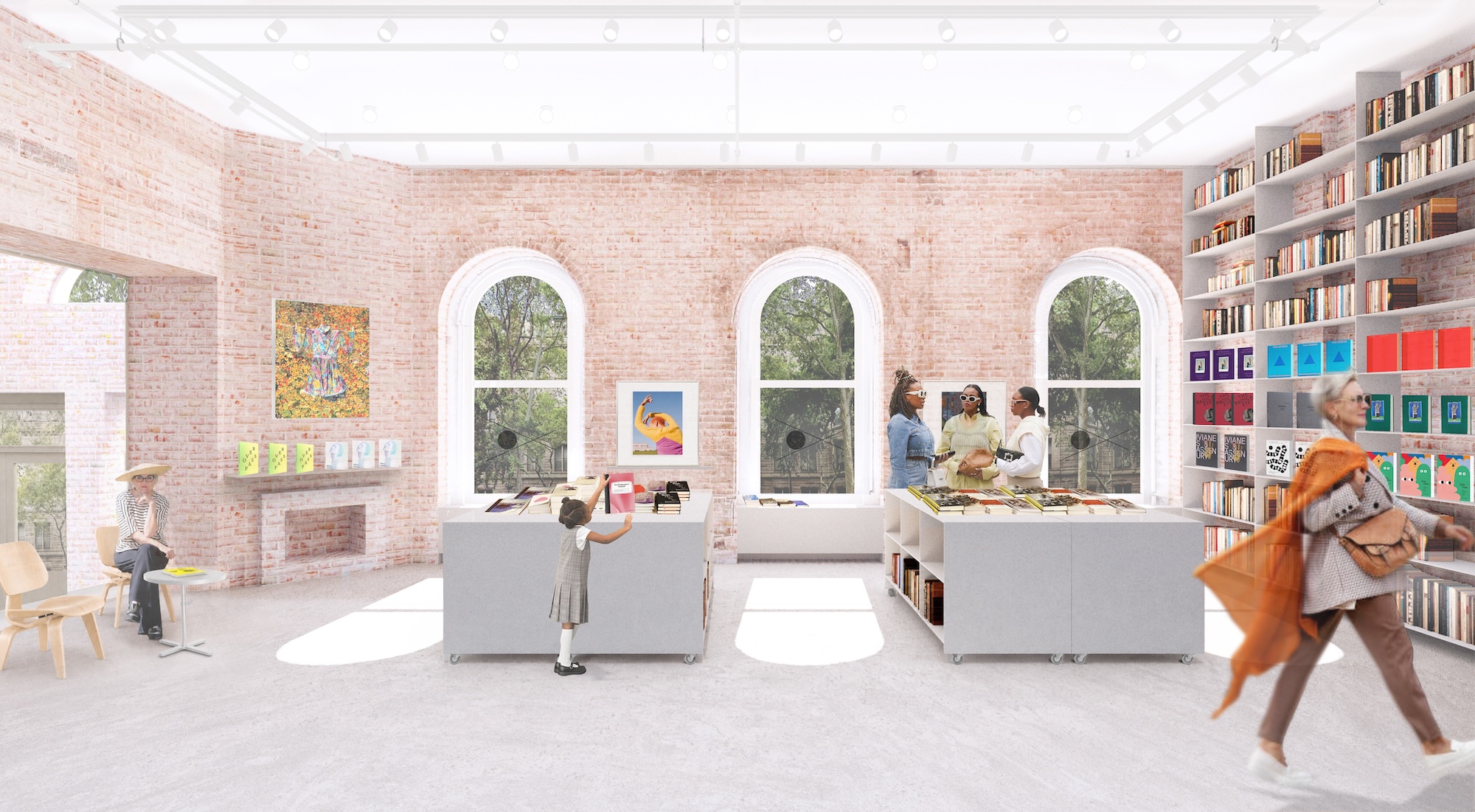
The 74-year-old organisation now occupies two floors of a New York City building dating back to 1886, refurbished by architecture practice Levenbetts (which was also behind the Queens Museum and five New York Public Libraries). “Because it was a residential building, it has an intimacy to it,” says Aperture’s executive director Sarah Meister, and the ground-floor entrance boasts street-level visibility to appeal more widely to passers-by, not just to photography devotees. (“Serious photographers will find you on the fourth floor of a side street in Chelsea,” Meister notes.)
Aperture’s new home is on the Upper West Side, which might seem unexpected given the centripetal force of New York’s downtown art scene. But “trendy arts neighbourhoods… move with fashion,” Meister reasons. By contrast, Aperture’s new neighbours are institutions such as the American Museum of Natural History and the New York Historical, and Central Park is just a stone’s throw away. They – and it – aren’t going anywhere.
Moreover, the singularity of the real estate gives it cachet. Meister enthuses that “it has 140-year-old load-bearing masonry, and it just has a great feel to it”, and Aperture was able to make the purchase through funding from private individuals such as Judy Glickman Lauder and Jon Stryker, as well as grants from New York State Council on the Arts and the New York City Department of Cultural Affairs.
“It’s not a white box, and it never will be.” Sarah Meister
Inside the entrance – and past a Majestic Photobooth – the bookstore features Aperture’s output, which includes four issues of the magazine plus 12 books per year, and a backlist which unfurls as far back as the mid-1960s. It also features a pop-up collaboration with Dashwood Books, New York City’s de facto photobook purveyor; founder David Strettell will present a savvy selection of titles to sit alongside Aperture’s publications, and some of his knowledgeable staff will move uptown. “It’s just a smarter way of being,” Meister says, “rather than us trying to do what they do, because they do it so well.”
Aperture will host book launches in the shop, including for a new monograph by Elle Pérez, and for the Catherine Opie edition of The Photography Workshop Series; the Aperture PhotoBook Club will also create an opportunity for follow-up discussions. The shop features some lighthearted collaborations on merch too – there are Vik Muniz printed umbrellas, for example, and placemats printed with images from Stephen Shore’s American Surfaces. There are also baseball caps and tote bags, branded with the Aperture logo.
“There’ll be a handful of things in the store in collaboration with artists or people whose design sensibility we really respect,” Meister enthuses. “So we hope you come in for the books and the magazine, but there will be other fun things to buy too.”
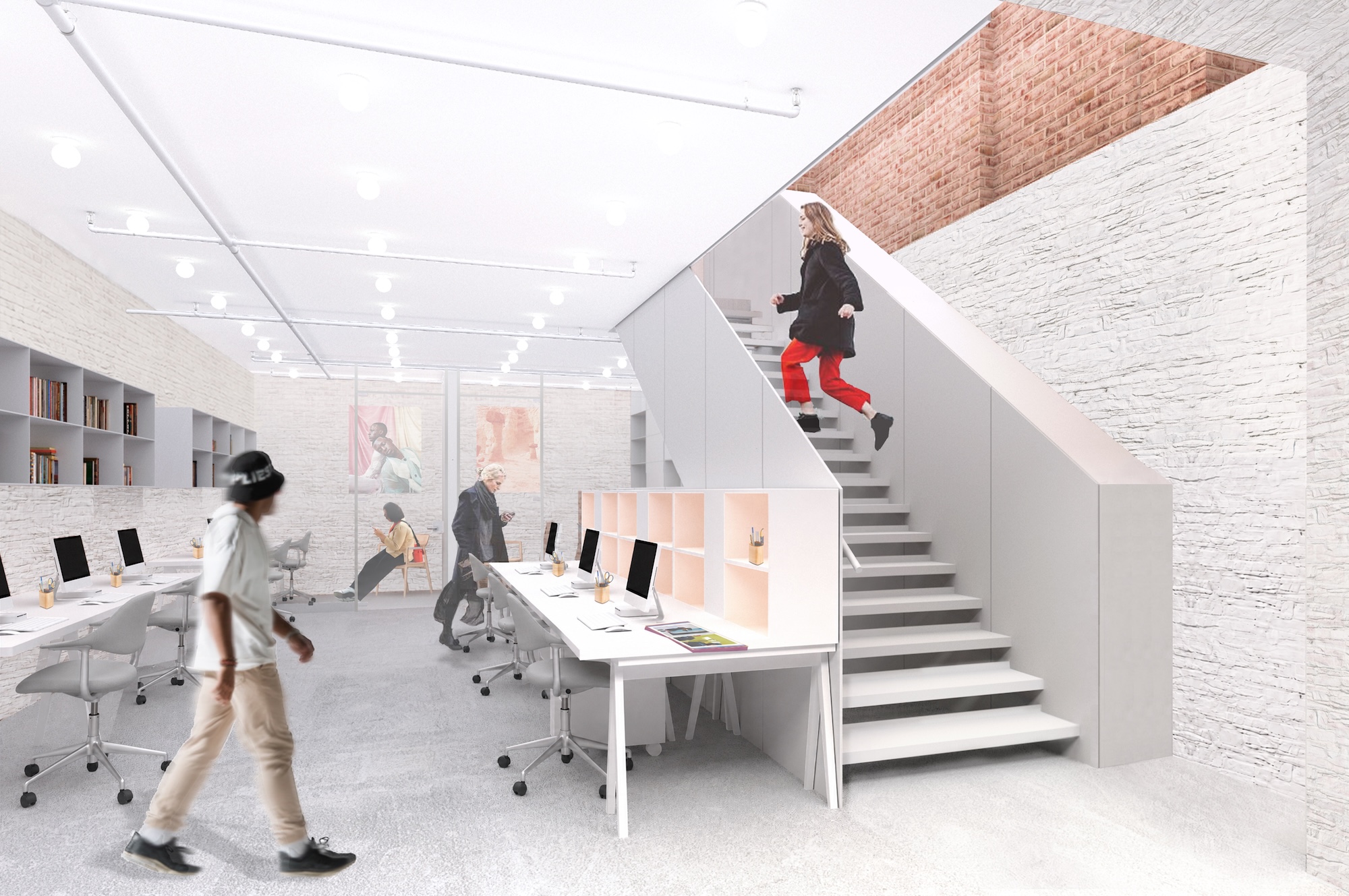
The building’s two levels – one is half below street-level, and one is half above – give visitors views into key work areas, providing a behind-the-scenes peek into Aperture’s activities. The magazine team, the production team, and the book team are visibly present. “You can see in, and we’re happy about that. I think it’s going to give us a new understanding of our audience,” Meister says. Staff are encouraged to sit at a table in the bookstore, and listen and talk to people walking by.
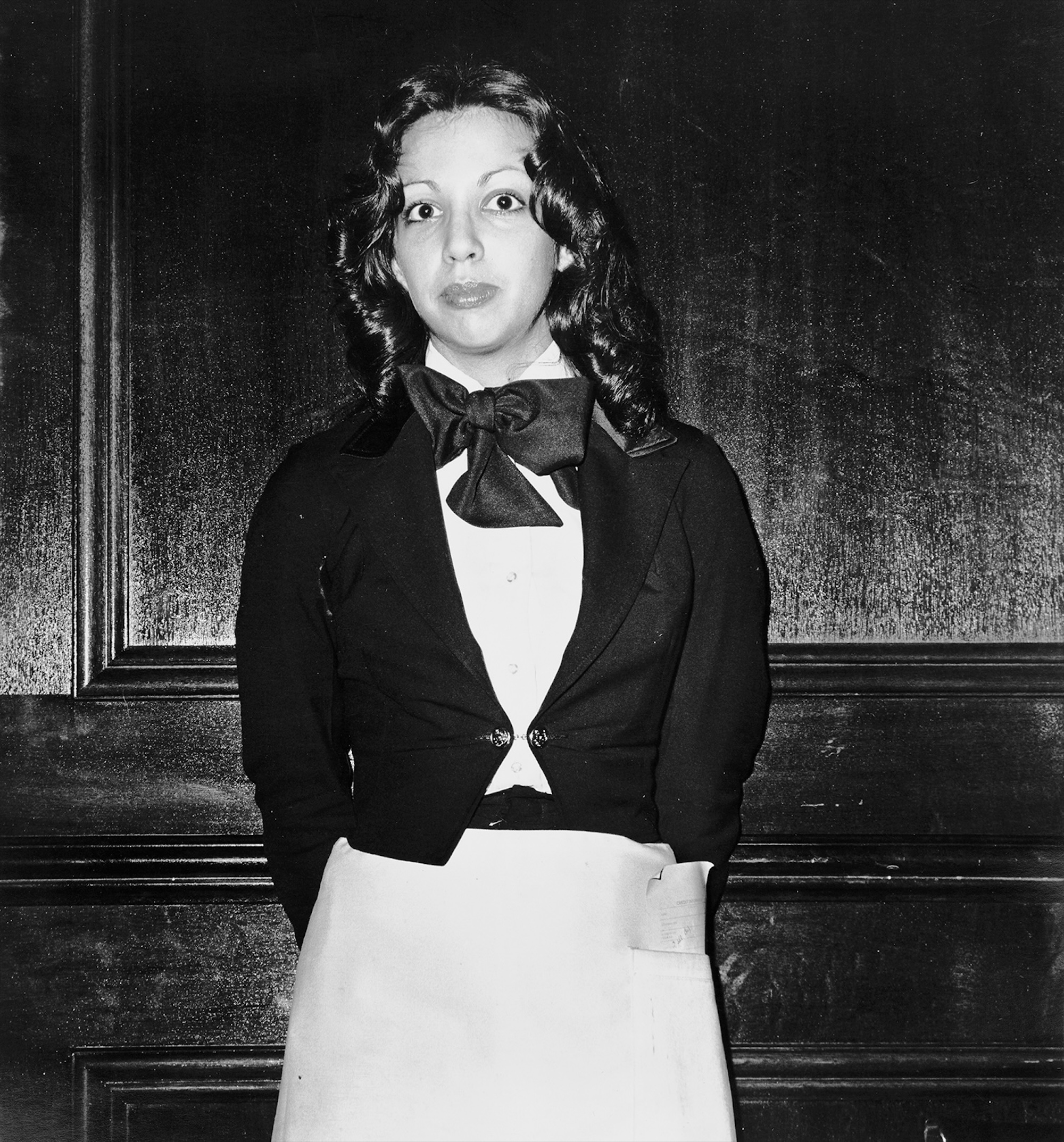
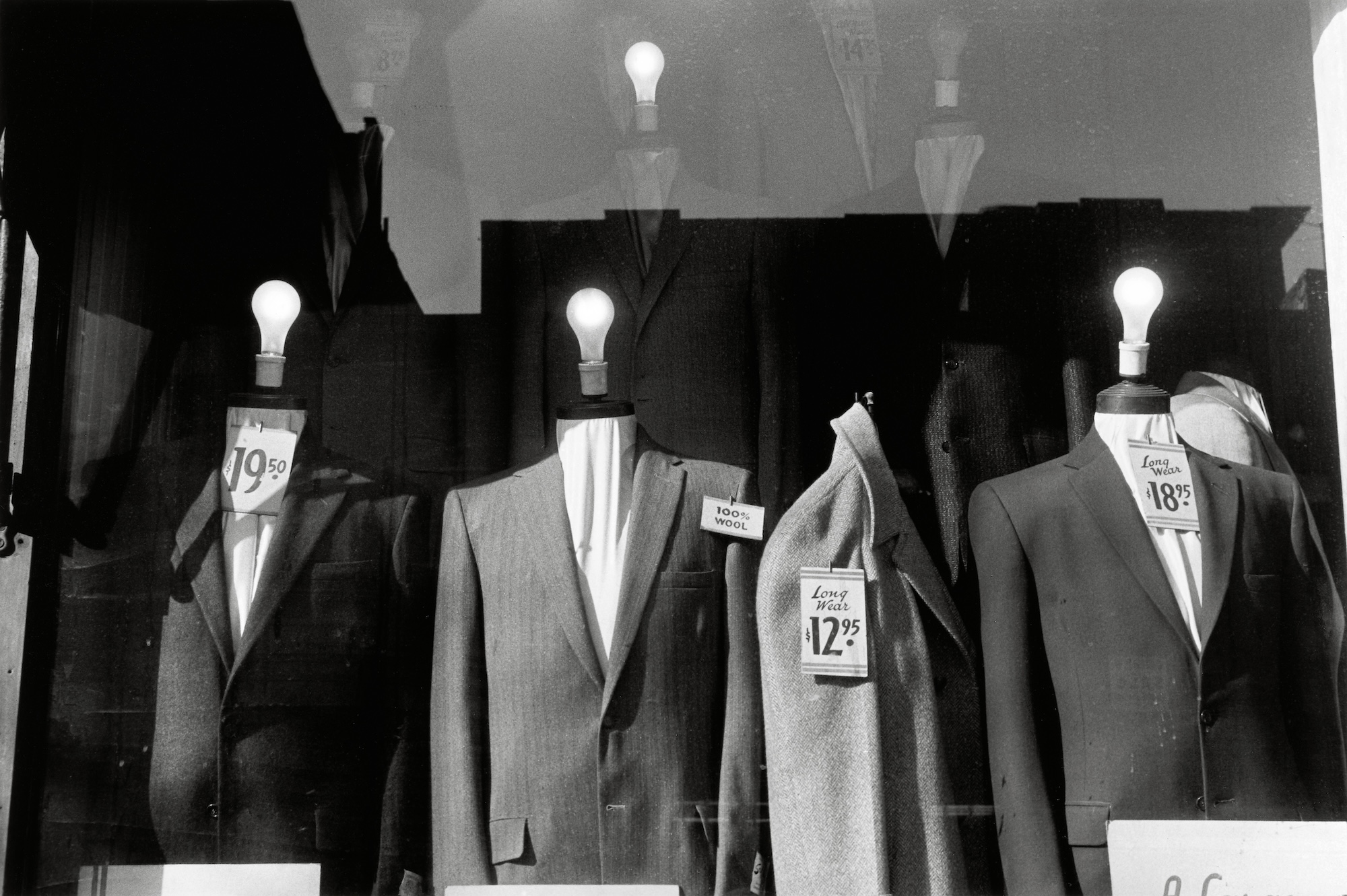
The building also features a dedicated gallery space and the inaugural exhibition, which was curated by Meister, spotlights photographers who have been integral to depicting New York City, including Diane Arbus, Tina Barney, Dawoud Bey, Awol Erizku, Lee Friedlander, Nan Goldin, Deana Lawson, and Carrie Mae Weems. There’s a print loaned from the Robert Frank Foundation; some artists made new 8x10s.
Temporary exhibitions will generally be on view in the space for six to eight week stretches, though Meister says “we don’t want to become too rigid”. That ethos will run through the shows too, with most works leant on a picture rail on a shelf, rather than hung, leaving the original exposed brick undisturbed. “That lack of preciousness is very intentional,” Meister explains. “A little bit of informality feels like a nice thing. Our wall text is going to be printed on an 11×17 sheet with magnets on a beautiful little metal panel: very simple.”
In the longer term, Aperture is working with artists to develop different configurations for the space, allowing each individual to use it in their own way. “It’s not a white box, and it never will be,” Meister affirms, adding that Alex Webb, Dionne Lee, and Angélica Dass will be showing there in future.
Aperture will run public events in the gallery, with a series of conversations “between pairs of people who either know one another or one another’s work well”. Stephen Shore and Lucy Gallun, curator in the Department of Photography at the Museum of Modern Art, will speak together on 03 October, for example, then Gillian Laub and Jil Weinstock, director of Baxter St, on 14 October; Coreen Simpson and Rujeko Hockley, curator at the Whitney Museum of American Art, will be in conversation on 21 October. Aperture will also continue to organise large-scale touring exhibitions.
Aperture also offers an educational program, with online curricula offered free of charge to public school teachers and kids. As Meister says: “Somebody once described Aperture as tentacular, which I love – not just because it rhymes with spectacular! It captures the breadth of what we do.”