
Marigold Warner

Deputy Editor

Marigold Warner worked as an editor at BJP between 2018 and 2023. She studied English Literature and History of Art at the University of Leeds, followed by an MA in Magazine Journalism from City, University of London. Her work has been published by titles including the Telegraph Magazine, Huck, Elephant, Gal-dem, The Face, Disegno, and the Architects Journal.

Gurkha Sons: Nina Manandhar’s portraits of British-Nepalis

In Aldershot, a town in Hampshire, England, there is an old 1930s Art Deco theatre called the Empire. Since its renovation several years ago, it operates mainly as a Nepalese community centre. On the top floor there is a restaurant and a temple; downstairs is a function room, where groups of Nepalese men meet up every so often to play xbox, table tennis and traditional Asian games like carrom.

Aldershot is home to the largest Nepali community in the UK and, because of its close proximity to an army base, Gurkha families make up a large proportion of the population. The Gurkhas are Nepalese soldiers who were recruited into the British Army following the Anglo-Nepalese war in the early 19th century. Over 200,000 Gurkhas fought for Britain in both world wars, but they were unable to settle in the UK until 2004. Since then, after a campaign famously championed by the actress Joanna Lumley, the population of Nepalis in the UK has increased from 6,000 to an estimated 100-150,000.

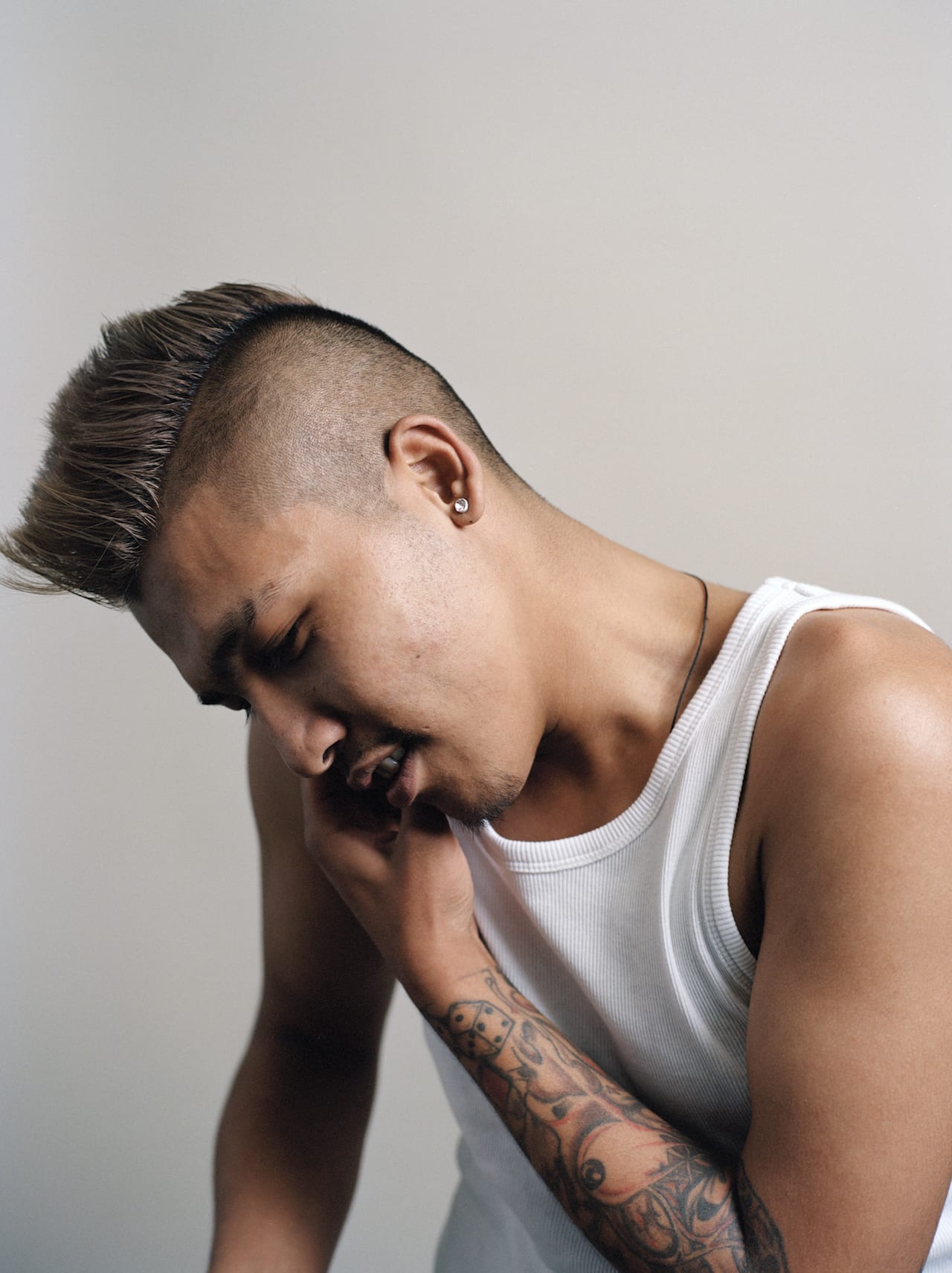
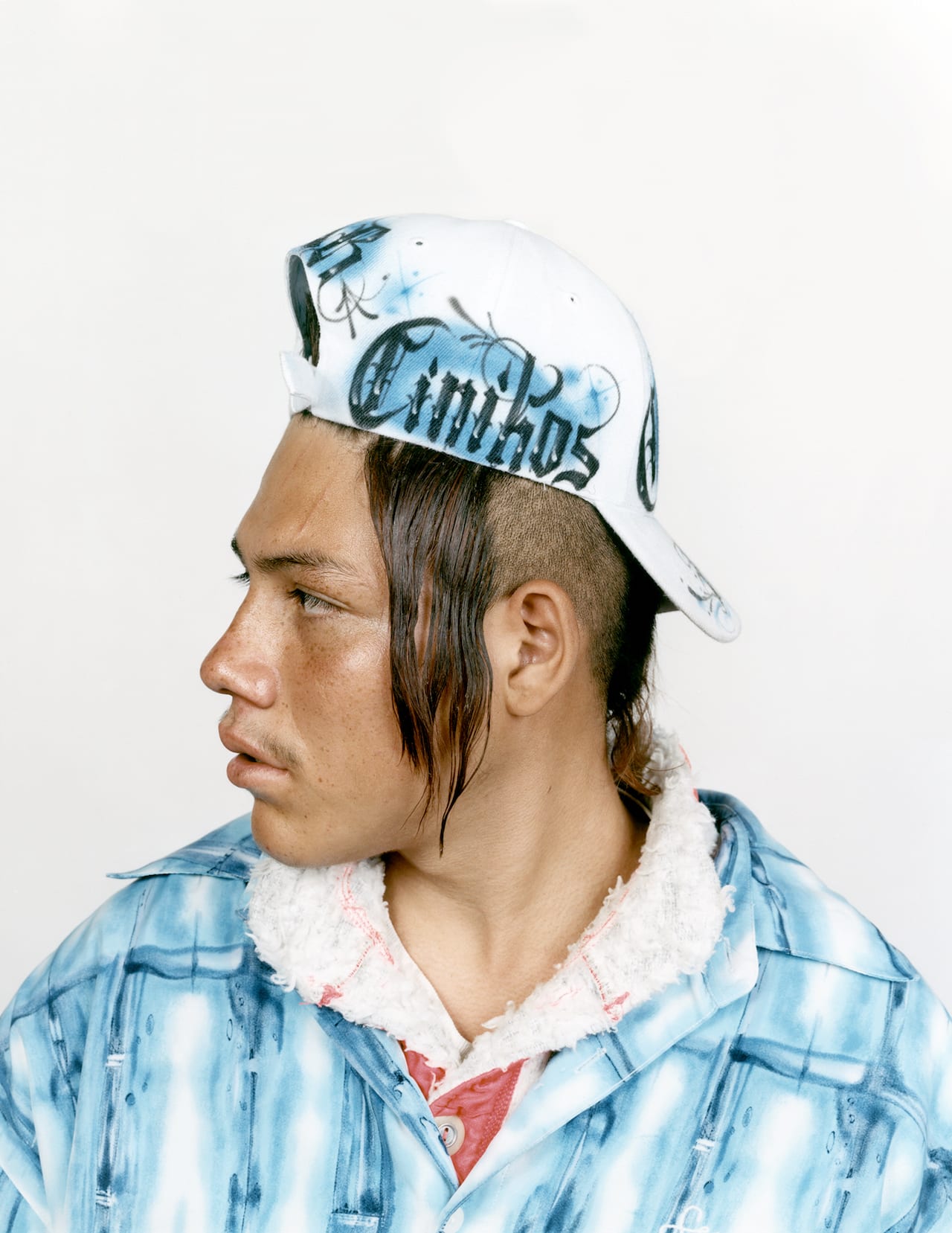
British-Nepali photographer Nina Manandhar’s most recent project, Gurkha Sons, questions the challenges and benefits of coming from a Gurkha family in the UK. The group she photographed calls themselves the k-BOYZ – the “k” standing for Kaprukka, the Nepali word for “frozen stiff” as that’s how they feel when they go out on their motorbikes in cold British weather. Manandhar asks how living in the UK informs their sense of identity, and most importantly, where home now lies for them
18 October 2018

Te ahi kā: The Fires of Occupation

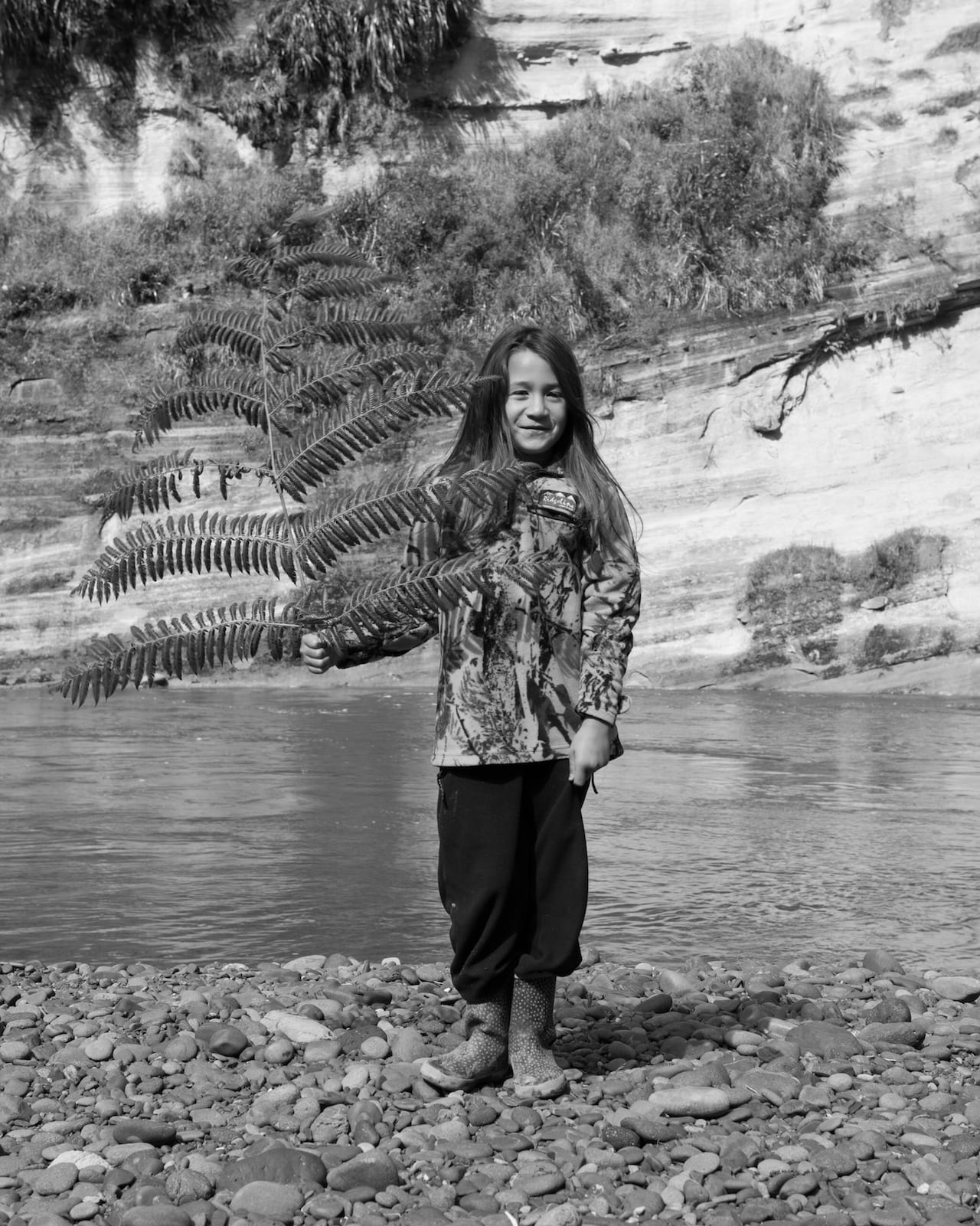
When the Treaty of Waitangi was signed in 1840, most of the land in New Zealand belonged to the Māori tribes. The treaty prevented the sale of land to anyone other than the Crown, and was intended to protect the indigenous people against other European colonial forces. But within a century, the Crown had either bought, occupied, or outright confiscated huge portions of the country, leaving the Māori with only a few pockets of their sacred land.

The Whanganui river is New Zealand’s third longest river, home to the Whanganui tribes and seen as both their ancestor and source of spiritual sustenance. The land surrounding the river was once one of the most densely populated areas in New Zealand. But with the arrival of colonial settlers, it became a major trading post.

On 15 March 2017, after 140 years of negotiation – New Zealand’s longest-running litigation – the Whanganui river was granted the same legal status as a human being, meaning it would be treated and protected as an indivisible whole. Hundreds of members of Māori wept with joy as the lifeblood of their tribe, from which they take their name, spirit and strength, was given recognition as one of their ancestors.

16 October 2018

Photo Vogue Festival: embracing diversity and the many shades of masculinity

Diversity has never been hotter in the fashion industry. This year, more non-white, plus-sized, and transgender models have walked the runway than ever before, and a record number of black women have appeared on the covers of glossies worldwide. Alessia Glaviano, senior picture editor at Vogue Italia and director of the Photo Vogue Festival thinks we owe it to the internet. “I believe that nothing would have happened, or not this fast, in terms of inclusivity, if it wasn’t for social media,” she says. “It’s a progressive platform for talking about race, identity, sexuality, and disability.”

But diversity isn’t just a trend, it’s a reality. Years before #diversity began to take off, forward-thinking publications such as Vogue Italia were already poking holes in the industry’s representation problem, with initiatives such as the July 2008 “all black” issue. Vogue Italia is known for being adventurous, for setting a standard for cutting-edge fashion photography. Over the years has given artistic freedom to commissioned photographers such as Steve Meisel, Ellen von Unwerth and Miles Aldridge, who have shot stories unlikely to be seen elsewhere, engaging with themes such as plastic surgery and domestic violence.

“It’s been in our DNA since the beginning,” says Glaviano. “We’ve always been really engaged and committed to this part of fashion that can be very strong and influential.

“I’ve never believed in boundaries and labelling things,” she adds. “No one cares that Michelangelo was commissioned to create the Sistine Chapel. What they care about is the final result.”

15 October 2018

Carla Kogelman’s vision of childhood

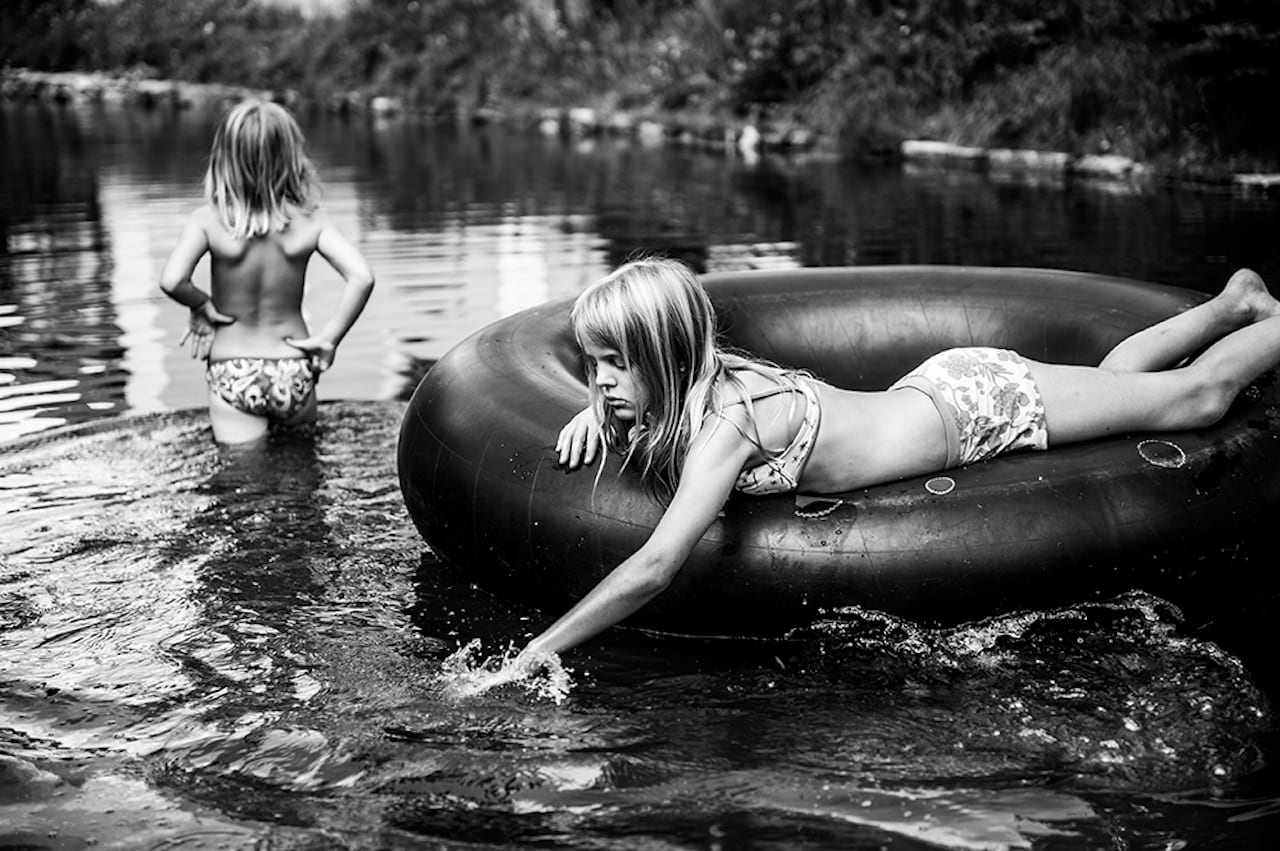
Merkenbrechts is a small, rural village in Waldviertel, Austria, with a population of 200. It has a fire station, a church, and a large stretch of water where the village’s 35 children spend their summers swimming, climbing trees and playing hide and seek.

Carla Kogelman originally visited the area in 2012 while working on a documentary about the region for a commission. During her stay she met Sonja and Roman Liebhart, who invited her to come and photograph their children on their farm in Merkenbreacht.

Visiting the village, Kogelman found its residents were very conscious of how they produced and consumed resources. They powered their homes using solar panels, resisted using chemicals on their crops, and had community gardens in which children could learn to grow their own vegetables and herbs. “People over there, they just care about the soil, about the earth, about each other and the animals,” she says.

9 October 2018

Race, segregation and violence in Rosalind Fox Solomon’s Liberty Theater

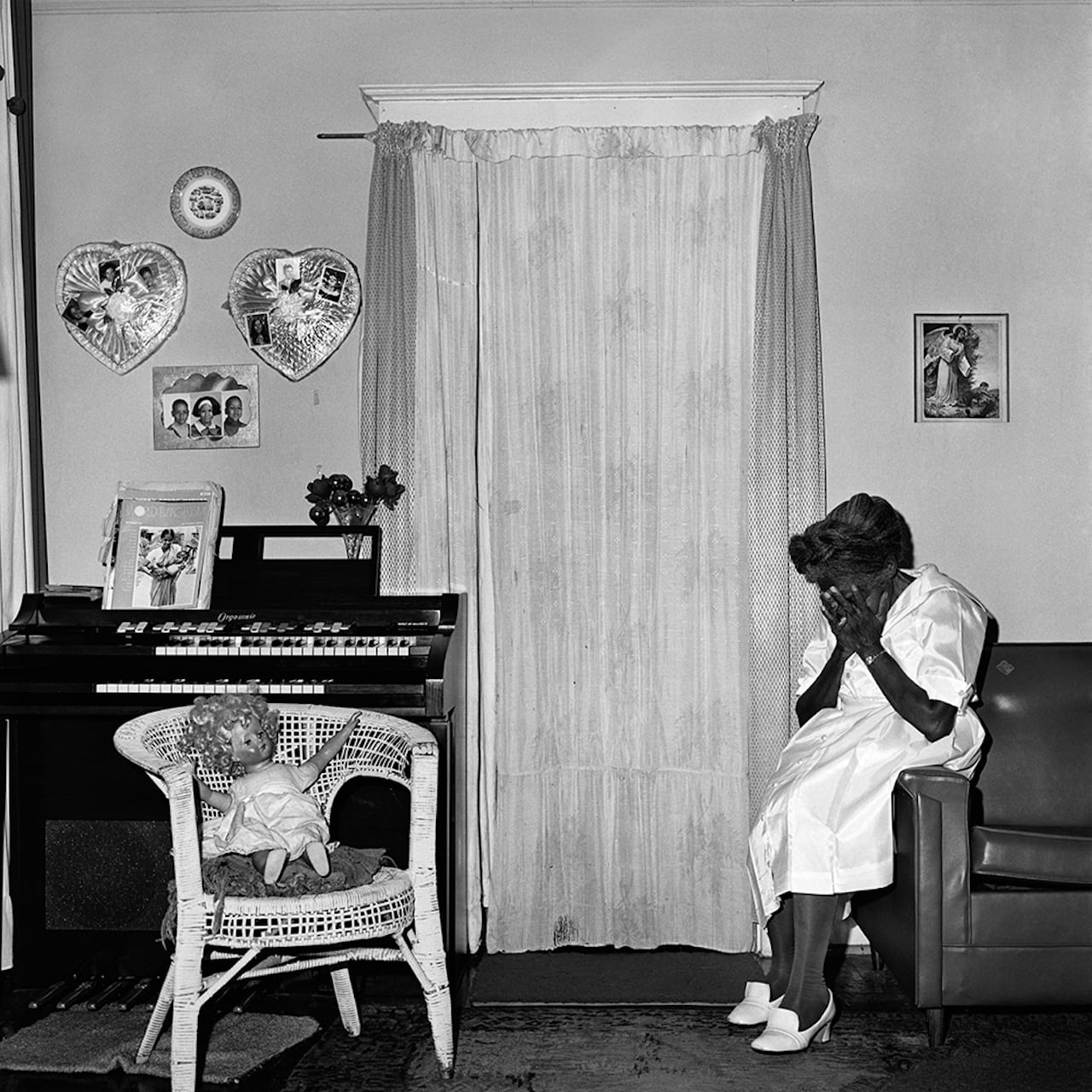
Between 1930 and 1964, Liberty Theater was the name of a non-whites only cinema owned by Rosalind Fox Solomon’s family in Chattanooga, Tennessee. “There was an irony in the name. I chose Liberty Theater as the title of this book because of its multiple meanings,” she says. “In a broader context, the title relates to performance and pretence in the theatre of life.”

The photographs Liberty Theater collects together were taken through the 1970s to 90s in the southern United States, and have never before been published as a group. From Georgia to South California, through Mississippi, Tennessee and Louisiana, Solomon captured the complexity of race, class, and gender divisions.

“I had no idea that photography would change my life,” says Solomon, who began photographing when she was 48, after graduating from college, getting married and raising two children. In 1977 she moved to Washington DC, where her husband worked for the General Services Administration, and visited New York City to study privately with Lisette Model.

8 October 2018

Sabelo Mlangeni’s images of South Africa

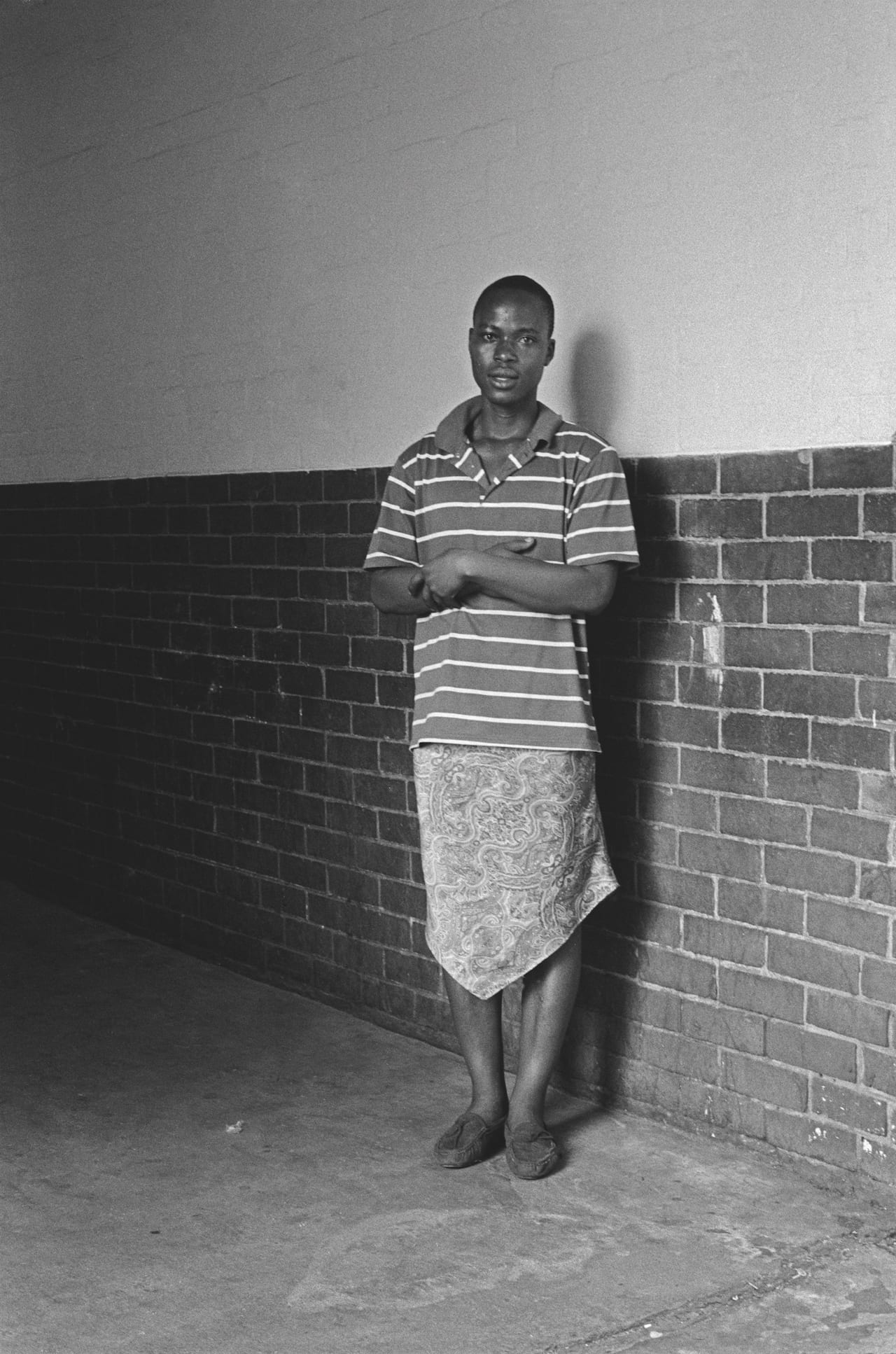
“I have still never seen the first work I made as a photographer,” says Sabelo Mangleni, who started his career as a delivery boy for a local photographer in his hometown in Driefontein, four hours drive east of Johannesburg. The photographer he worked for had been asked to shoot a wedding but, unable to attend herself, asked Mangleni to cover it – sending him off with a camera around his neck and a crash course in photography. After the wedding the newlyweds quickly picked out the images they wanted to remember their day with – so quickly, Mangleni never got to see them. 

Still, the experience of looking for a good photograph and working with people from within a community, got him hooked, and in 2001 Mangleni moved to Johannesburg and joined the Market Photo Workshop. Set up by renowned documentary photographer David Goldblatt in 1989, this well-respected organisation supported young black photographers during apartheid South Africa.

It was an excellent start in photography, but arriving in Johannesburg, Mangleni felt alienated. “I couldn’t understand what people were saying,” he says, describing the struggle to communicate with people in English, which he was still learning at the time. To avoid speaking, he channelled his feelings into photographs of the buildings and architecture, which lead to his first, and ongoing, series Big City.

5 October 2018

Eugene Richards: The Run-on of Time

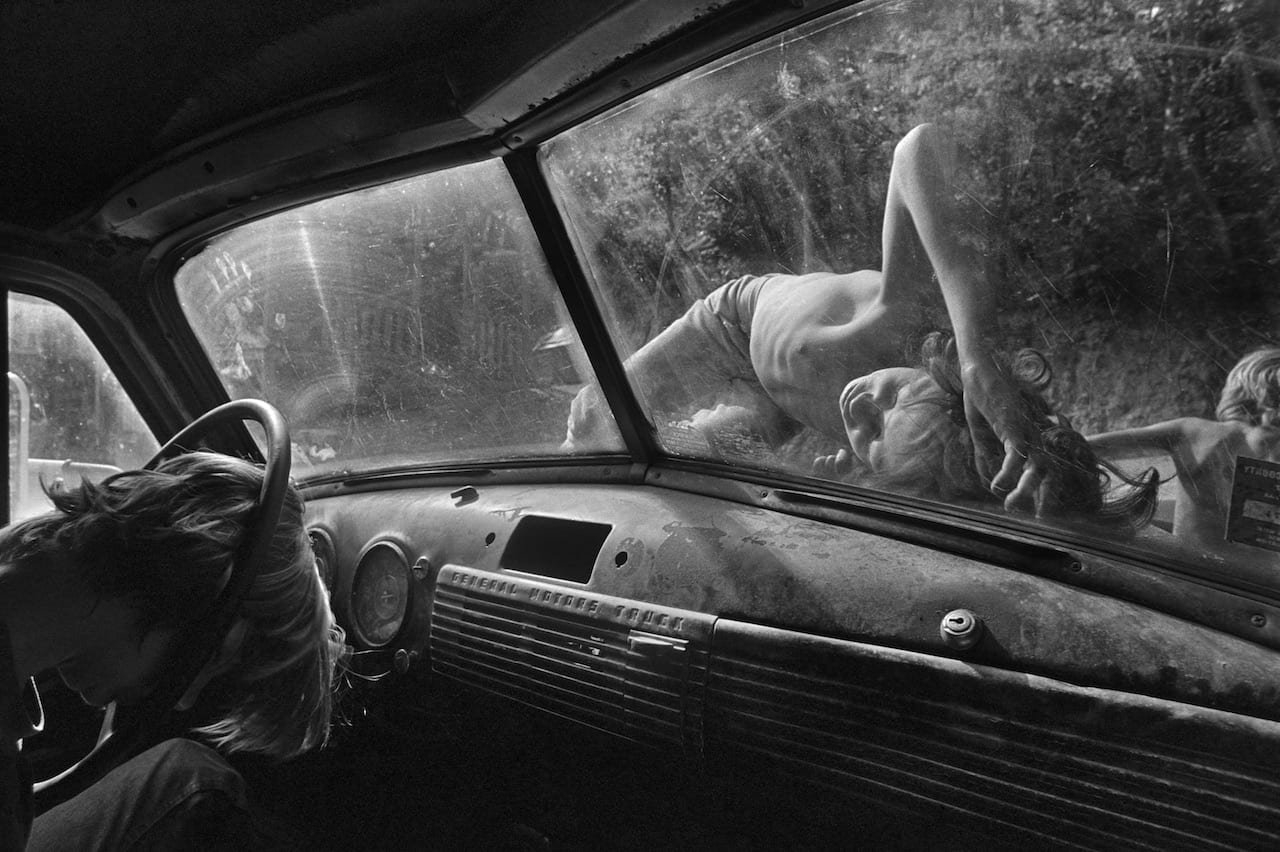
“You’re always looking for that time where everybody forgets you’re there and becomes themselves. Surprisingly, they do, sometimes to the detriment of what you knew about them,” says Eugene Richards, who has devoted his career to documenting social injustice in America, and injecting himself into intensely personal situations.

Richards’ style is up-close and unflinching, “ironically it’s the process of becoming as not there as you possibly can, if you hang around long enough people don’t care”, he says. Though his photography has been described as poetic and lyrical, he has never thought of himself as an artist. “I went in with some knowledge of photography, but mostly with the idea of providing information,” he says.

28 September 2018

The Wonderful World of Sean Hillen

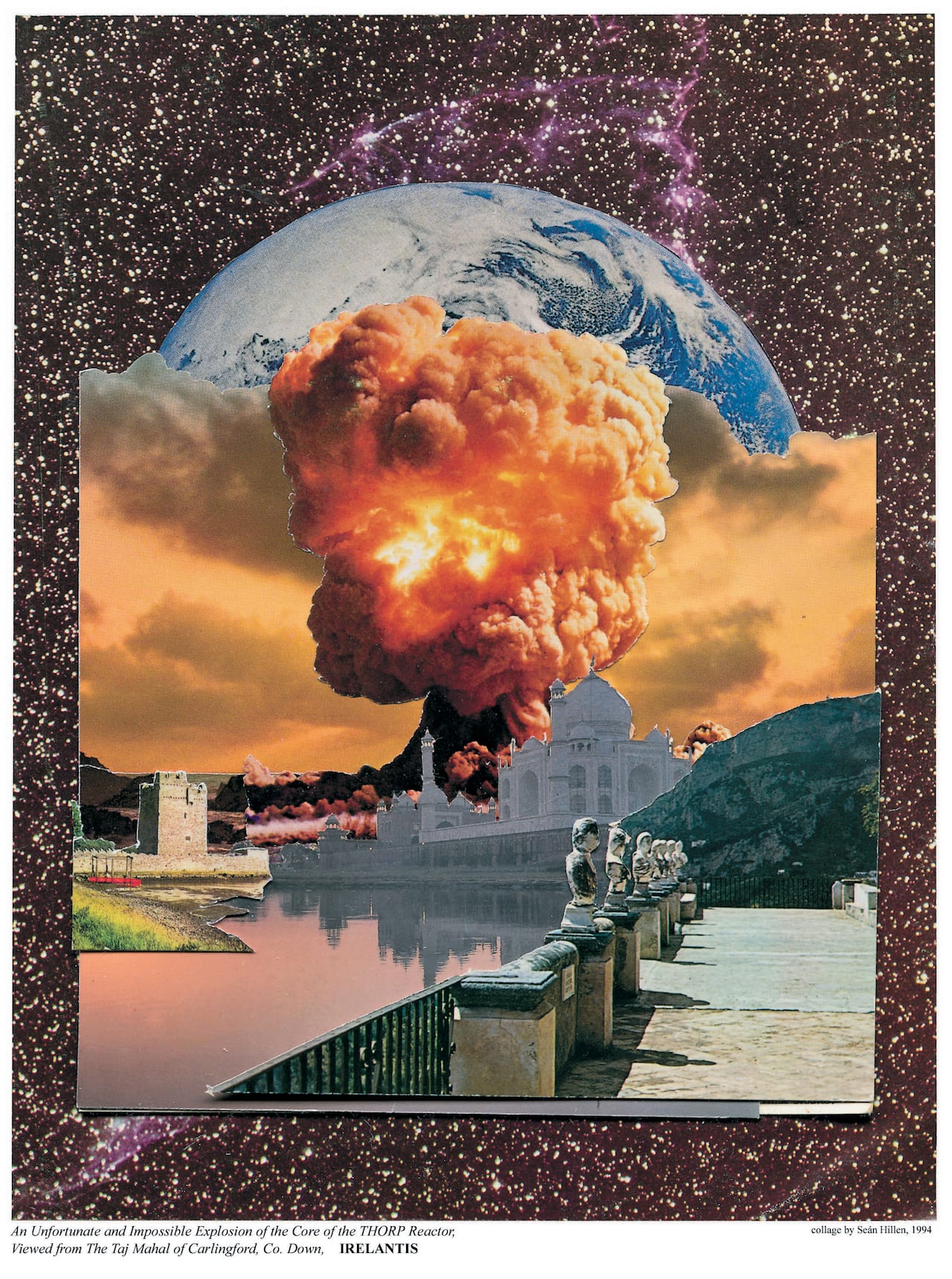
Before becoming a photographer, Sean Hillen was a tinkerer. As a young teenager, one of his favourite pastimes was to take apart his grandfather’s old cameras and then piece them back together again. It wasn’t long before he discovered that with a bit of tweaking he could fix a brand new 120 roll of film into an outmoded 620 camera. “I did that, I got them developed, and I was immediately addicted to photography”.

Hillen grew up through the Troubles in Newry, Northern Ireland, close to the border with the Republic of Ireland. “It was utter chaos,” he says. “I knew people who got killed, and I knew people who killed other people”. Hillen and his four siblings would lie awake in bed at night listening to gun battles, which were so frequent that they were able to distinguish between the sounds of different weapons.

27 September 2018

How We See: Photobooks by Women

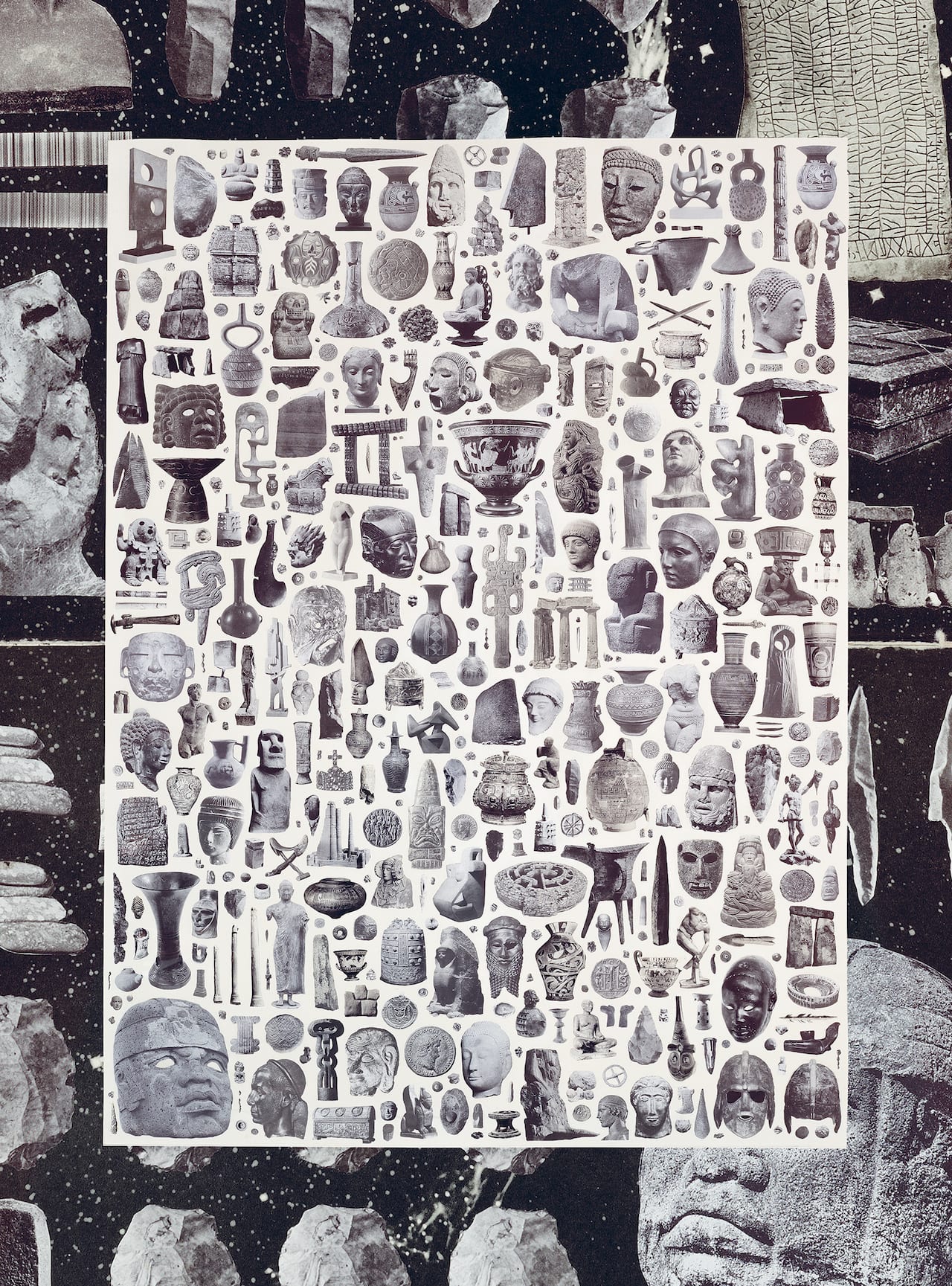
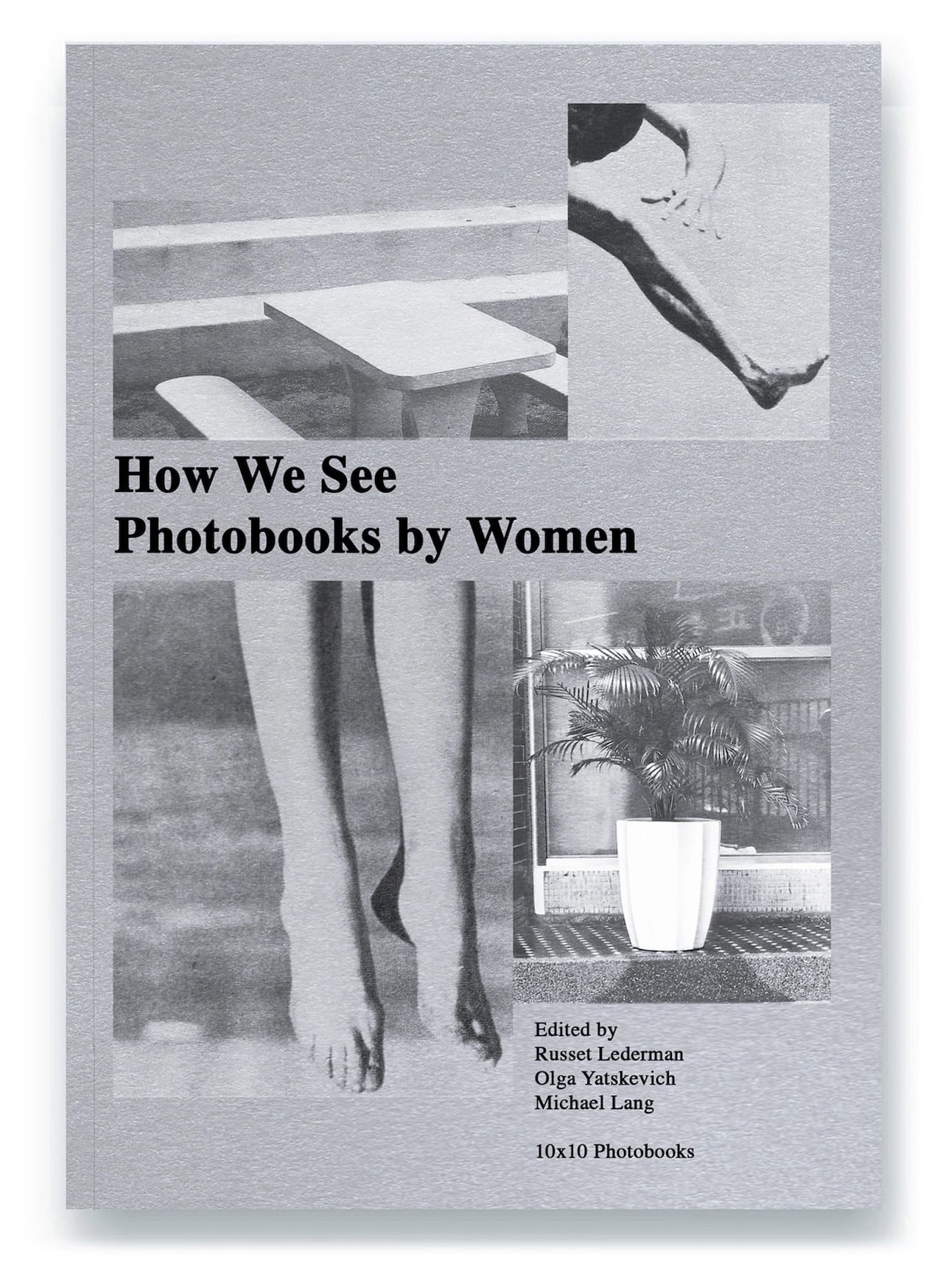
History confirms it – the first photobook was made by a woman, with British photographer Anna Atkins publishing Photographs of British Algae: Cyanotype Impressions in 1843, a year before Henry Fox Talbot’s The Pencil of Nature. Still, many historians, including Allan Porter in his introduction to The Photobook: A History, dismiss Atkins’ work as “photographic prints” rather than photography.

“Unfortunately, this is far too often emblematic of the uphill battle women photobook-makers still encounter when we talk about their history,” says Russet Lederman, co-founder of 10×10 Photobooks. “As we conducted research for the How We See project, we discovered that although women photographers produce relatively equal numbers of photobooks to men, their representation in the higher-profile sectors was, and still is, disappointing.”

26 September 2018