
Marigold Warner

Deputy Editor

Marigold Warner worked as an editor at BJP between 2018 and 2023. She studied English Literature and History of Art at the University of Leeds, followed by an MA in Magazine Journalism from City, University of London. Her work has been published by titles including the Telegraph Magazine, Huck, Elephant, Gal-dem, The Face, Disegno, and the Architects Journal.

Winners announced for the 2018 Paris Photo/Aperture Foundation Photobook Awards

Out of nearly 1000 submissions, the winners for this years Paris Photo/Aperture Foundation Photobook Awards, established in 2012 to celebrate the photobook’s contribution to the narrative of photography, have been announced at Paris Photo.

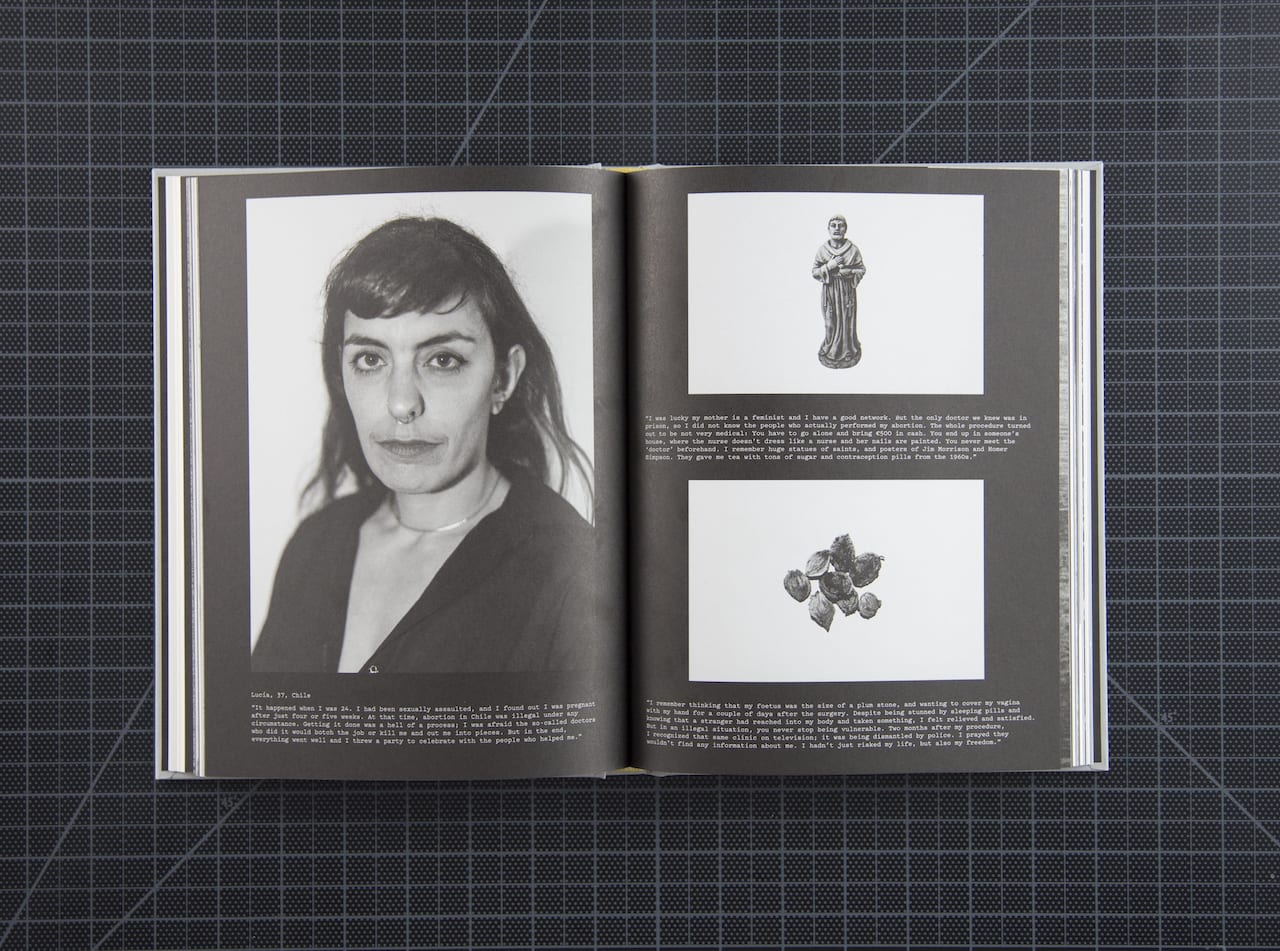
The Photobook of the Year award went to Laia Abril, for part one of her long-term project, A History of Misogyny, Chapter One: On Abortion (Dewi Lewis). The project is not about the experience of abortion itself, but about the repercussions for women who do not have access to legal, safe or free abortions, forcing them to consider dangerous alternatives that cause physical and mental harm.
9 November 2018

Q&A with Nataal: the media brand championing contemporary African culture

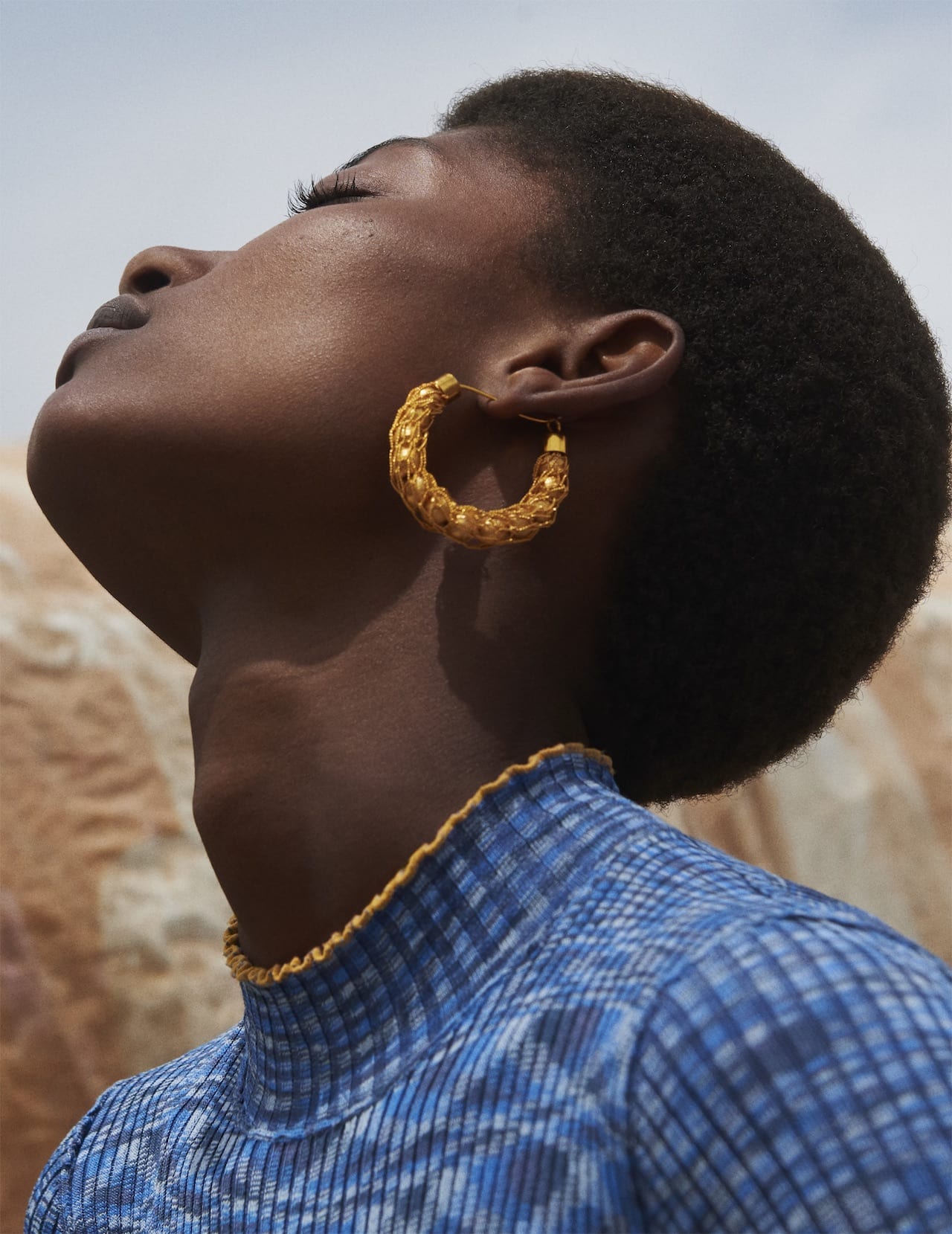
Nataal.com was born in 2015 as a platform to communicate the creativity coming out of Africa. It was launched by Sara Hemming, former art director at AnOther, Helen Jennings, former editor at Arise magazine, and Senegalese actor and director Sy Alassane. Focusing on fashion shoots, long form features and visual essays, Nataal collaborates with emerging artists around the world who are shaping global narratives around African culture.

This year, Nataal published its first annual print magazine, built around the theme “Future Gaze” and containing 336 pages of photography by well-known artists such as Viviane Sassen, Lorenzo Vitturi and Ayana V Jackson, as well as commissions by up-and-coming photographers such as Arielle Bobb-Willis. The photography is accompanied by in-depth editorials covering a range of topics including fashion, visual arts and music, as well as a short story by American-Ghanaian writer Nana Ekua Brew-Hammond, and articles about contemporary African culture and business.

BJP spoke to creative director Sara Hemming and editorial director Helen Jennings about Nataal media and why photography is so integral to their magazine.

7 November 2018

Salt Ponds by Peng Ke

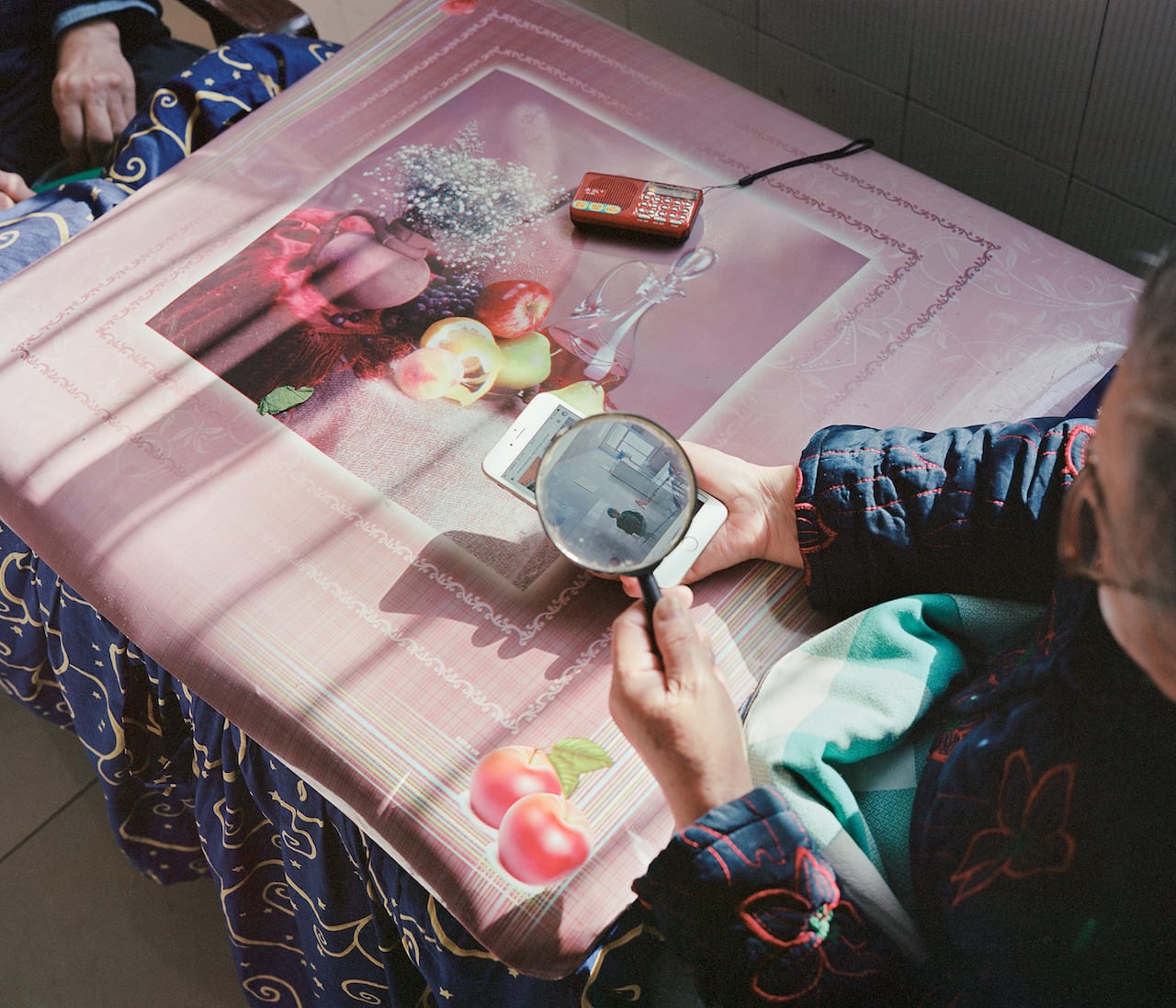
“I like objects that don’t have much of a style. Like patterns in colouring books, clean black lines, and primary colours. Things that aren’t trying to sell you an ideology or concept,” says Peng Ke, who calls from her home in Shanghai, where she has just closed her first solo exhibition in the city, I Have Seen Many People Although They Have Not Seen Me. “Most visual languages are so coded, so if I see things that are almost innocent, they really stand out to me.”

Peng Ke’s exhibition coincided with the launch of Salt Ponds, her first book published by Jiazazhi. The project has been ongoing for five years now, but only became a solid body of work after her friend and graphic designer Pianpian He approached her to collaborate on a book. It began in the cities where Peng’s parents grew up, and quickly expanded to other fast developing, smaller cities in China. Though they are shot hundreds of miles apart, her photographs are anonymous; you can never tell which city she is in. So the project became less about her own hometown, and more about the collective experience of Chinese people who live in these places, “because in a way, everyone comes from the same city”.

2 November 2018

The good life in Denmark by Giulia Mangione

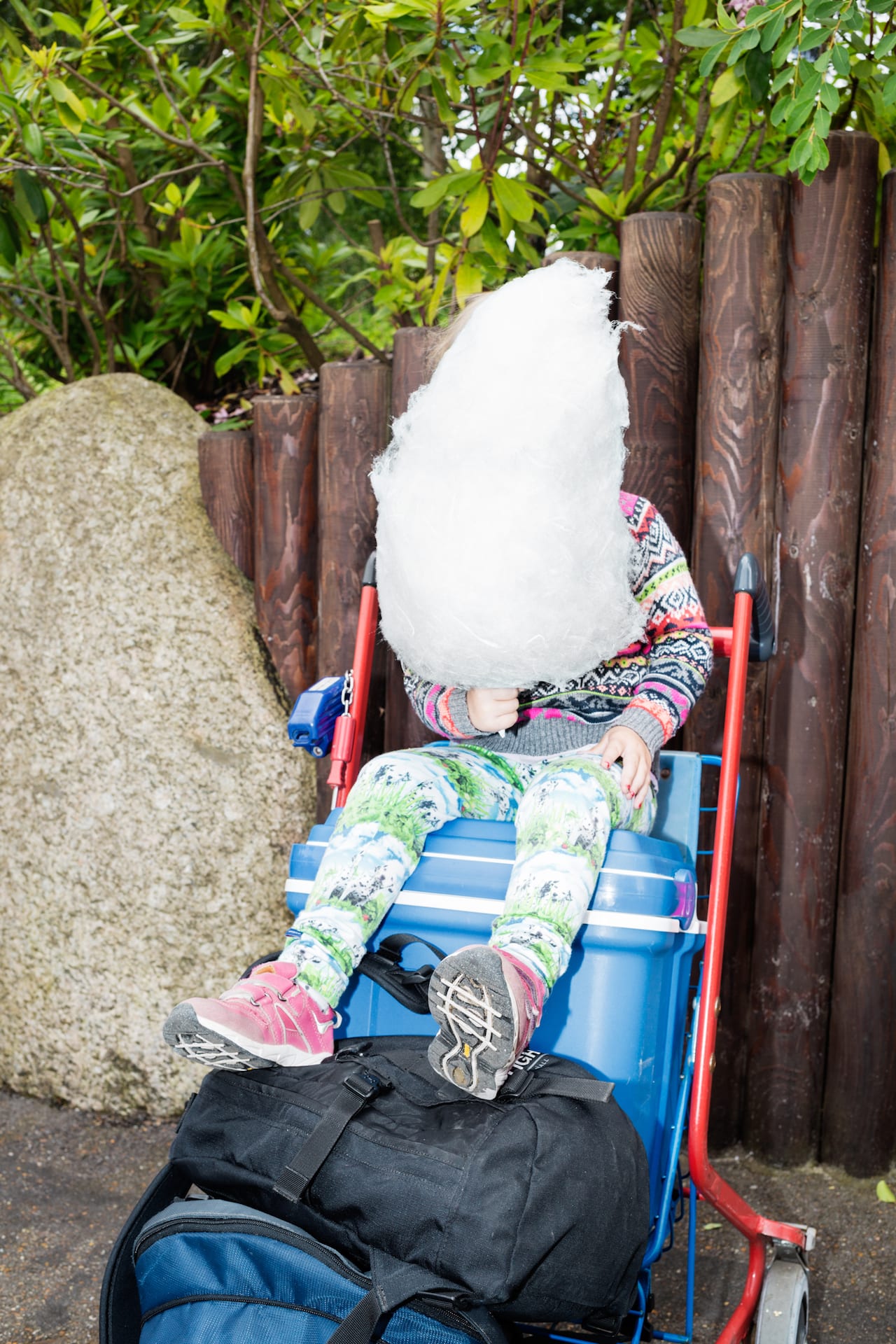
In the yearly World Happiness Report, Denmark, along with its Nordic neighbours, continuously ranks in the top three spots. But what is it about the Danes that makes them so happy? “After three years, I still don’t really have an answer,” says Giulia Mangione, whose new book, Halfway Mountain, seeks to uncover this very question. Mangione started the project in 2014, as part of a photography course she was taking in at the prestigious Danish School of Media and Journalism. Her experience as assistant photo editor at Calvert Journal and interning at MACK Books had helped her “develop a taste for documentary photography” and photobooks, she says, and, after showing a dummy of her project to Corinne Noordenbos – a celebrated educator and former tutor of contemporary photographers such as Rob Hornstra and Viviane Sassen – she decided to expand on it.

24 October 2018

All I Know Is What’s On The Internet

“What do I know about it? All I know is what’s on the internet.” So said Donald Trump in an interview in March 2016, after he was confronted about the legitimacy of a video he had tweeted, along with the claim that the protester it depicted was a member of ISIS. The video has since been proved as a hoax, neatly demonstrating the difficultly of navigating between truth and fiction in today’s digital landscape. In a world where even a layperson can manipulate images on their phone, and spread them to thousands of fake followers with one click, how can we begin to know what is #real?

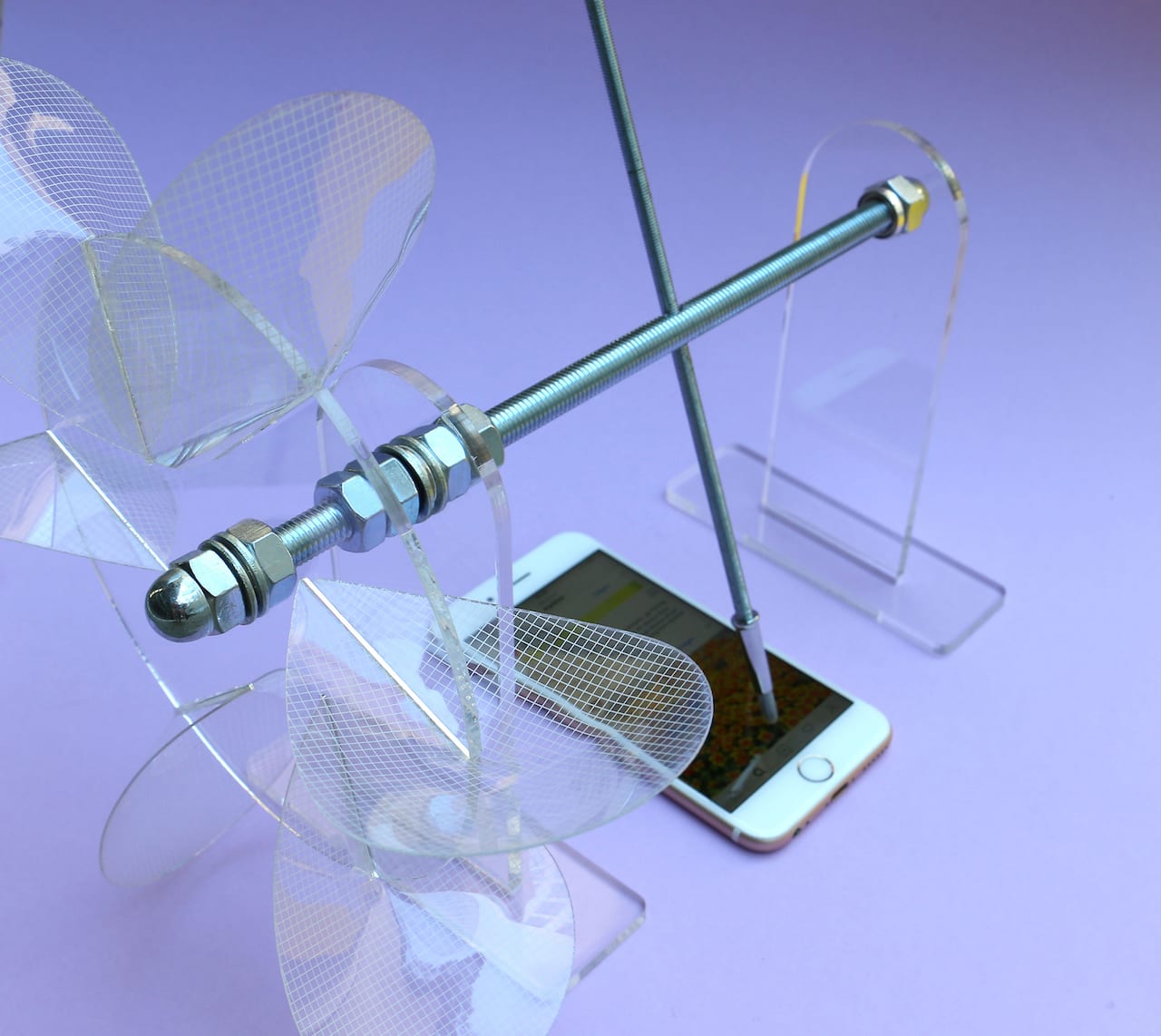
It’s the kind of question that All I know is what’s on the Internet will pose, a new exhibition opening at The Photographers’ Gallery, London including work by 11 artists and collectives. It includes “social media machines” made by Australian designers Stephanie Kneissl & Maximilian Lackner, built to maximise activity and likes; and wall-mounted installations by Eva and Franco Mattes that reveal the lesser-known, surprisingly personal, world of online content moderators. Curated to draw attention to the neglected corners of digital image production, the show helps visualise the vast infrastructure of online platforms, and the enormous amount of human labour needed to keep it churning.

24 October 2018

Q&A: Model Studies III by Thomas Demand

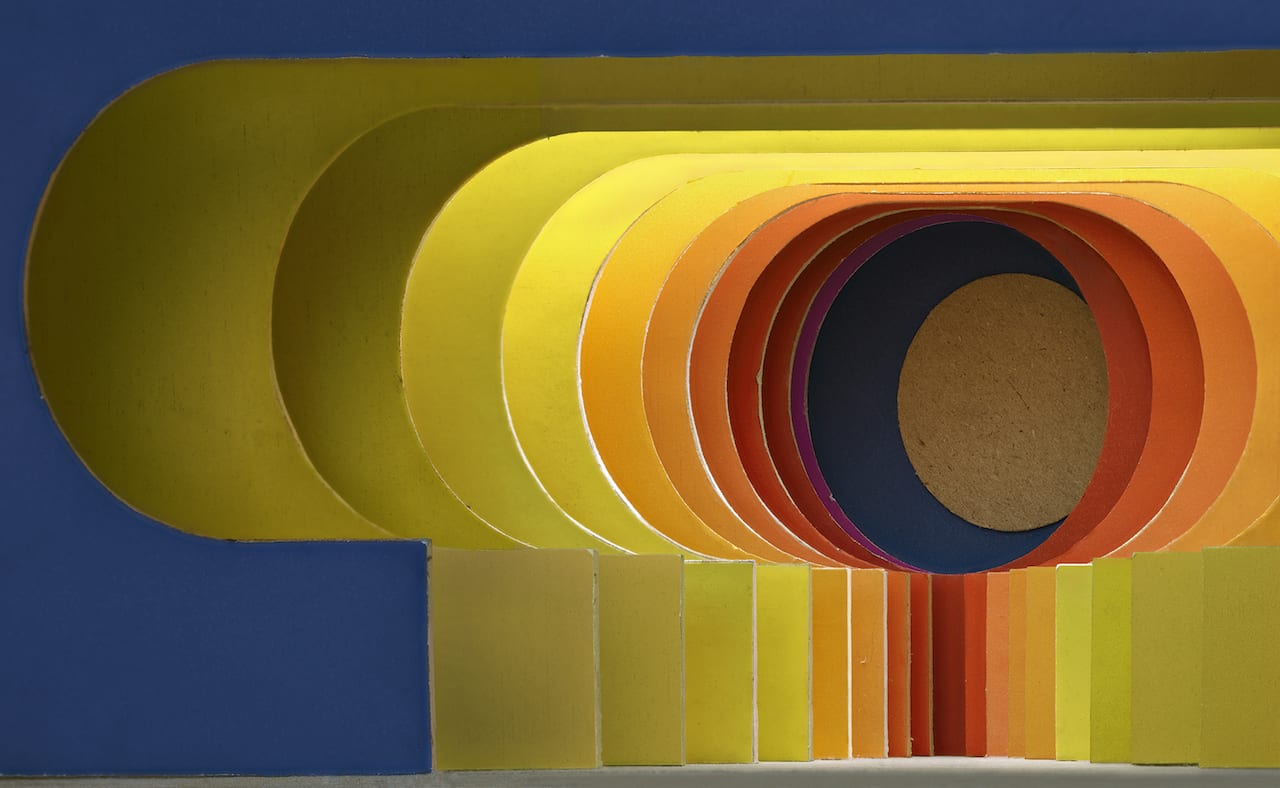
Thomas Demand is known for building and photographing three-dimensional models that are made to look like real rooms. Often loaded with political significance, his recreations include the kitchen in which Saddam Hussein cooked his last meal, the location of a failed assassination attempt on Hitler, and the interior of the Daiichi nuclear power plant in Fukushima after the 2011 earthquake forced workers to evacuate.

Recently his work has taken a new turn, and he has become more interested in other people’s models than his own. In Model Studies, Demand photographs discarded structures made by famous architects such as John Lautner.

22 October 2018

Astana’s Ice Fishers

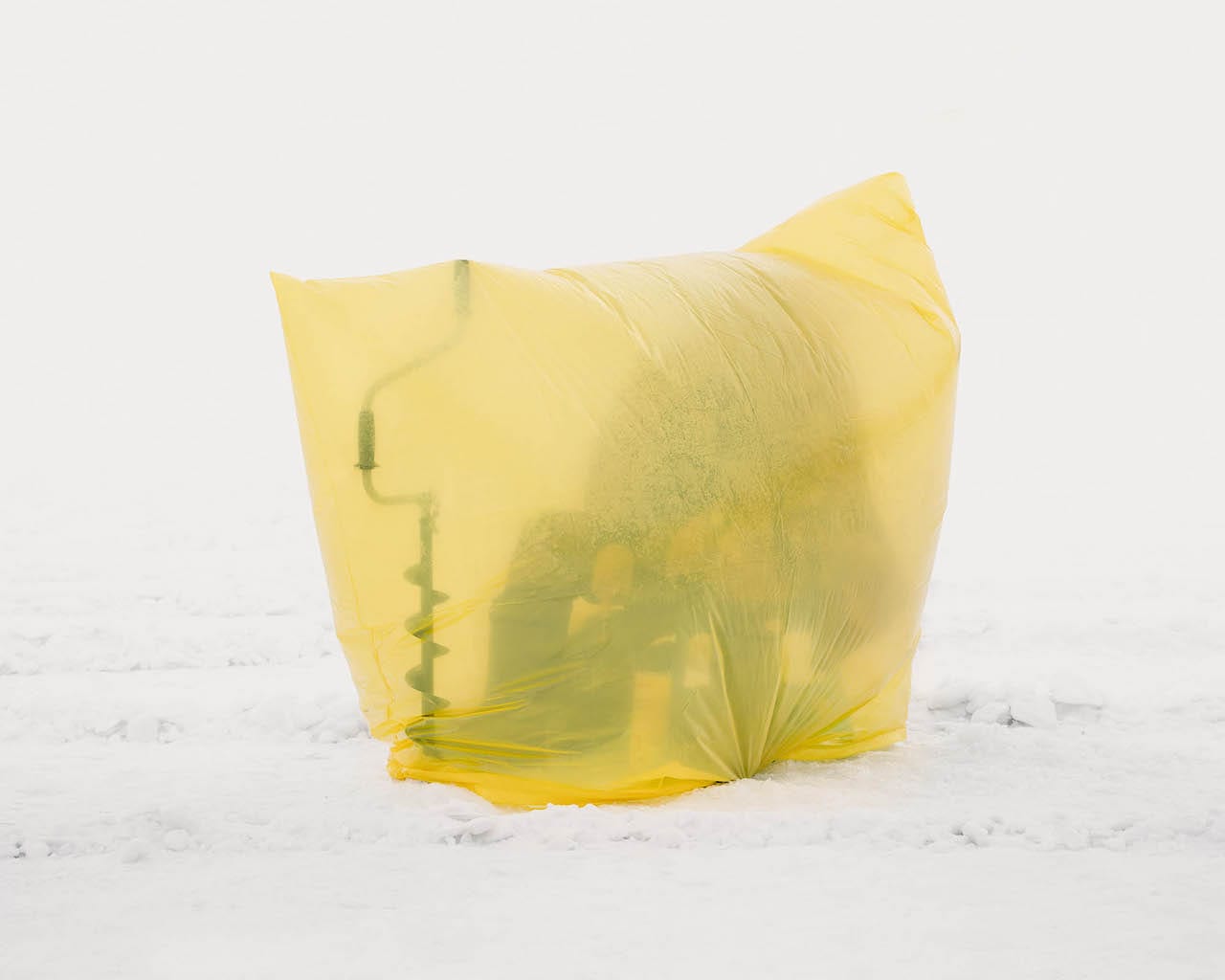
During the winter months in Kazakhstan’s capital city, Astana, fishermen park up on the frozen Ishim river, hoping for a bite beneath the ice. The tradition goes back for generations, back to when Astana was a small rural farming village, not the high-rise, futuristic city it is today.

When the country was part of the Soviet Union, fishing equipment was standardised and sold only at government-run hunting shops. But since the collapse of the USSR in 1991, the fishermen have been constructing their own customised fishing tents, sewn together out of plastic packaging found in the city’s markets.

Aleksey Kondratyev’s new book, Ice Fishers, examines the use of this salvaged material, mostly originally used to import Western, Chinese, and Russian goods, as a means of protection against the harsh weather conditions. Kondratyev, who has lived in America for most of his life, but is originally from Kyrgyzstan, first saw the fishermen when he travelling through Central Asia in 2015 for his project Formations. “I wasn’t sure what they were, but as I got closer I could make out what was going on,” he says.

22 October 2018

Behind the Glass by Alexandra Catiere

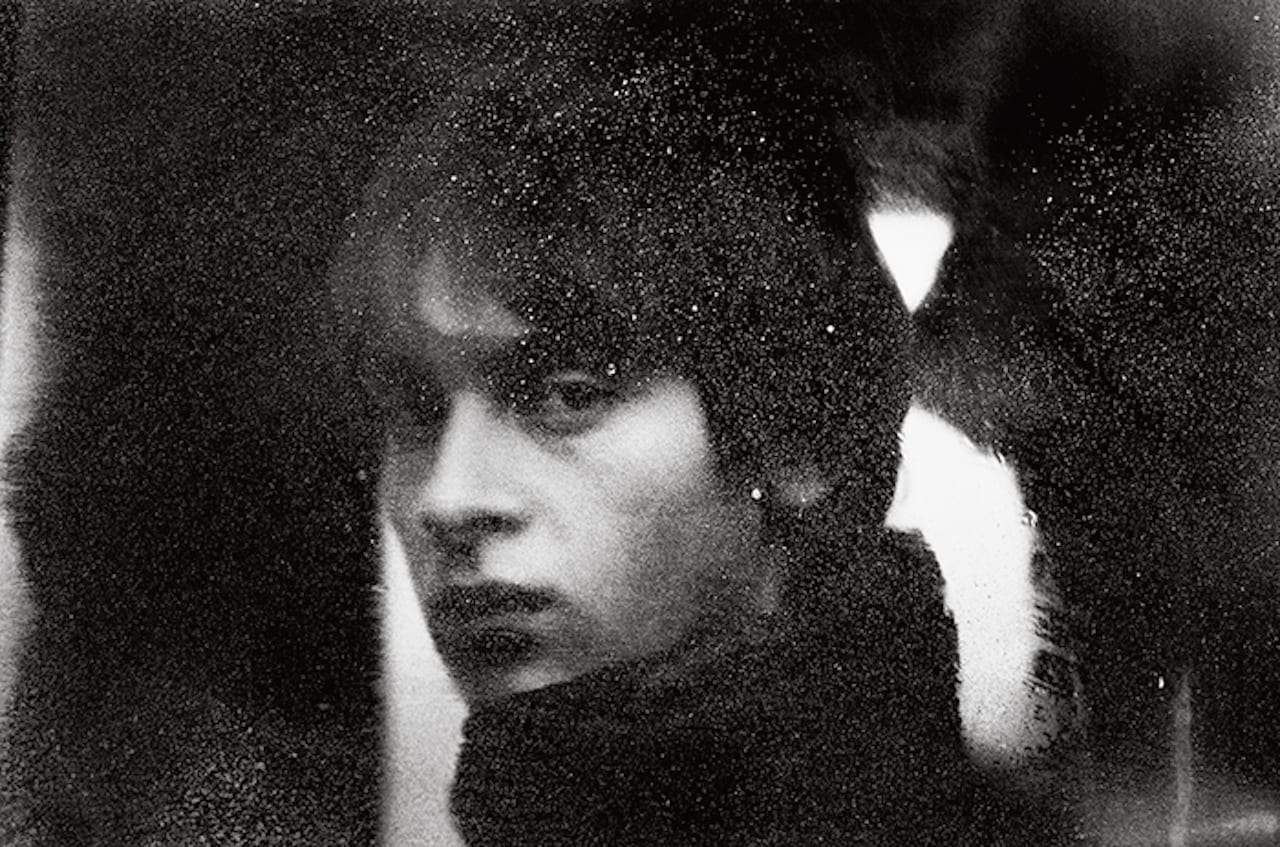
While most photographers value their time behind the camera, Alexandra Catiere’s love for the craft lives in the darkroom. “For me, the beauty of a picture doesn’t lie in the beauty of the subject matter,” she says. “I’m more interested in pushing the boundaries of printmaking, and how far you can go from reality.”

Catiere always knew she wanted to become an artist, and in photography found a craft that was both independent and experimental. “Taking pictures is fascinating, but for me, it’s not enough,” she says. When she was 21, she built a darkroom in the bathroom of her house in Minsk, Belarus, where she spent most of her time developing photographs of still lifes, seeing how far she could push a gelatin surface.

19 October 2018

Photography as a way of living

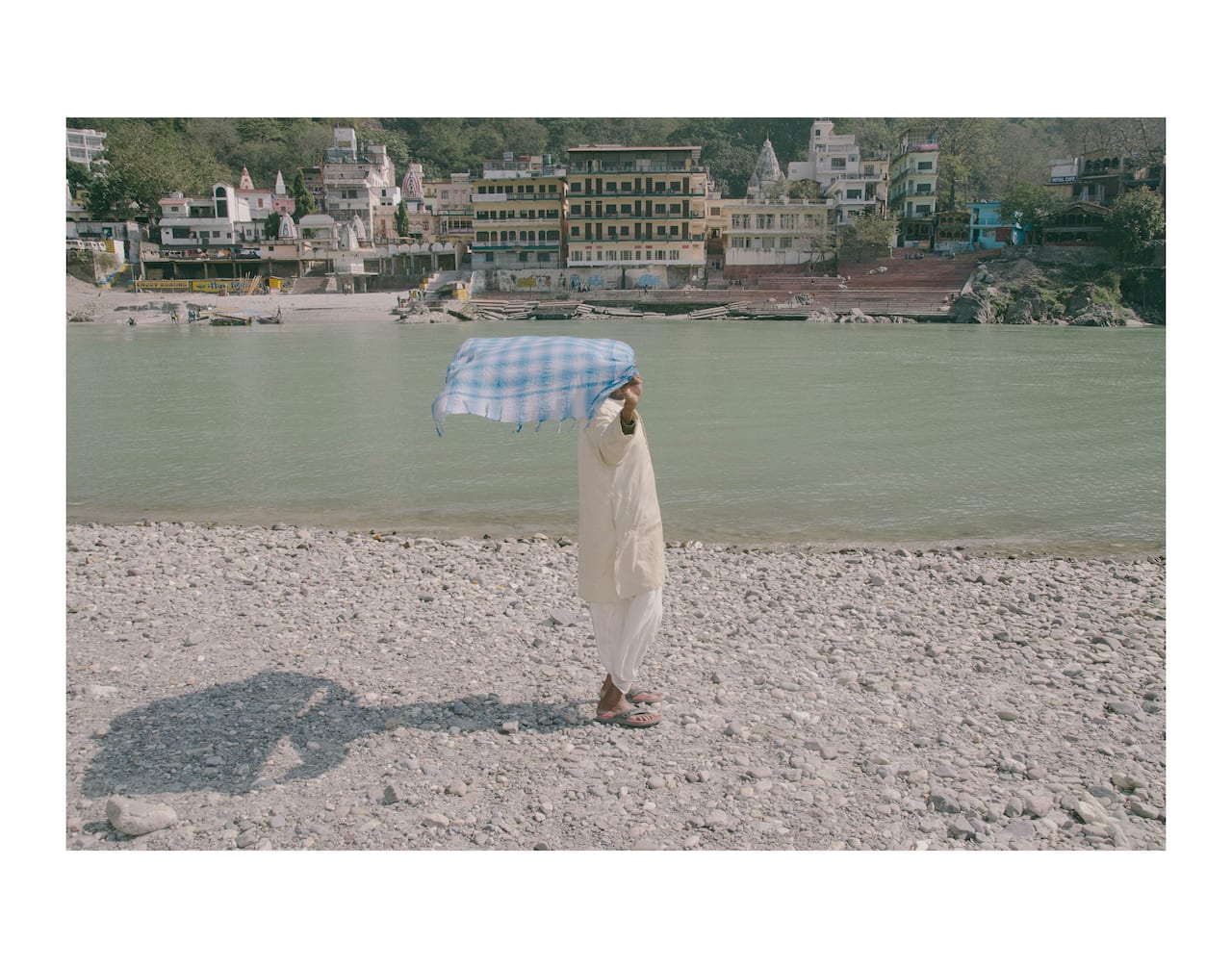
“For me, photography was more of a need, because I was going through a personal crisis. I had lost a friend, and I had to find a way of living again.” At the beginning of last year Debmalya Roy Choudhuri travelled to Rishikesh, a city in northern India, at the foot of the Himalayas, known as the “yoga capital of the world”.

He wanted to remove himself from the urban chaos and violence in his hometown, Kolkata, and challenge the idea of home as defined by four walls. “I had a very difficult childhood where I had to confront a lot of darkness,” says Choudhuri, who was sick for a long time. “I grew up in a very confined space. My parents went through a lot of problems and my family fell apart.”

19 October 2018