
“I’m usually looking for things that surprise me, things that have a deeper significance, a sense of humour, I suppose. I’m always open to what happens in life, because it tends to be more interesting than anything you can imagine.”
On 7 September 2017, just before midnight, a magnitude 8.1 earthquake hit Mexico’s southern coast, the second strongest earthquake in the country’s history. It was felt by 50 million people across Mexico and, in the heavily affected states of Oaxaca and Chiapas, killed dozens of people and left over 100,000 homes damaged.
When the earthquake hit, Andres Millan was living in his hometown in Bogota, Colombia, preparing for a four-month residency that would start in November at Casa El Ocote, a gallery and cultural centre in Oaxaca. At quarter to midnight, alerts started to pop up on Millan’s mobile phone. When he switched on the news, the first image he saw was of the Mexican flag at the Municipal Palace in Oaxaca, lit up by lights coming from police cars.
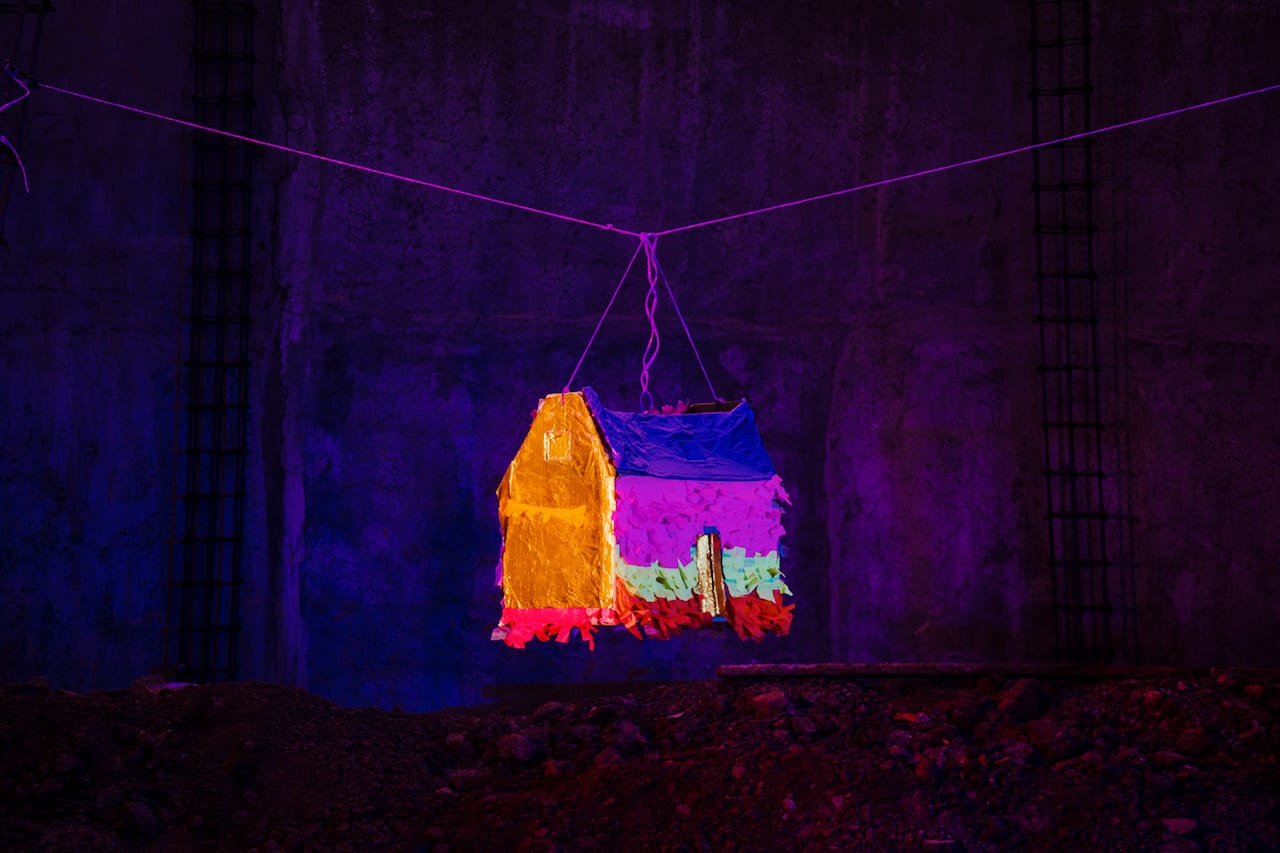
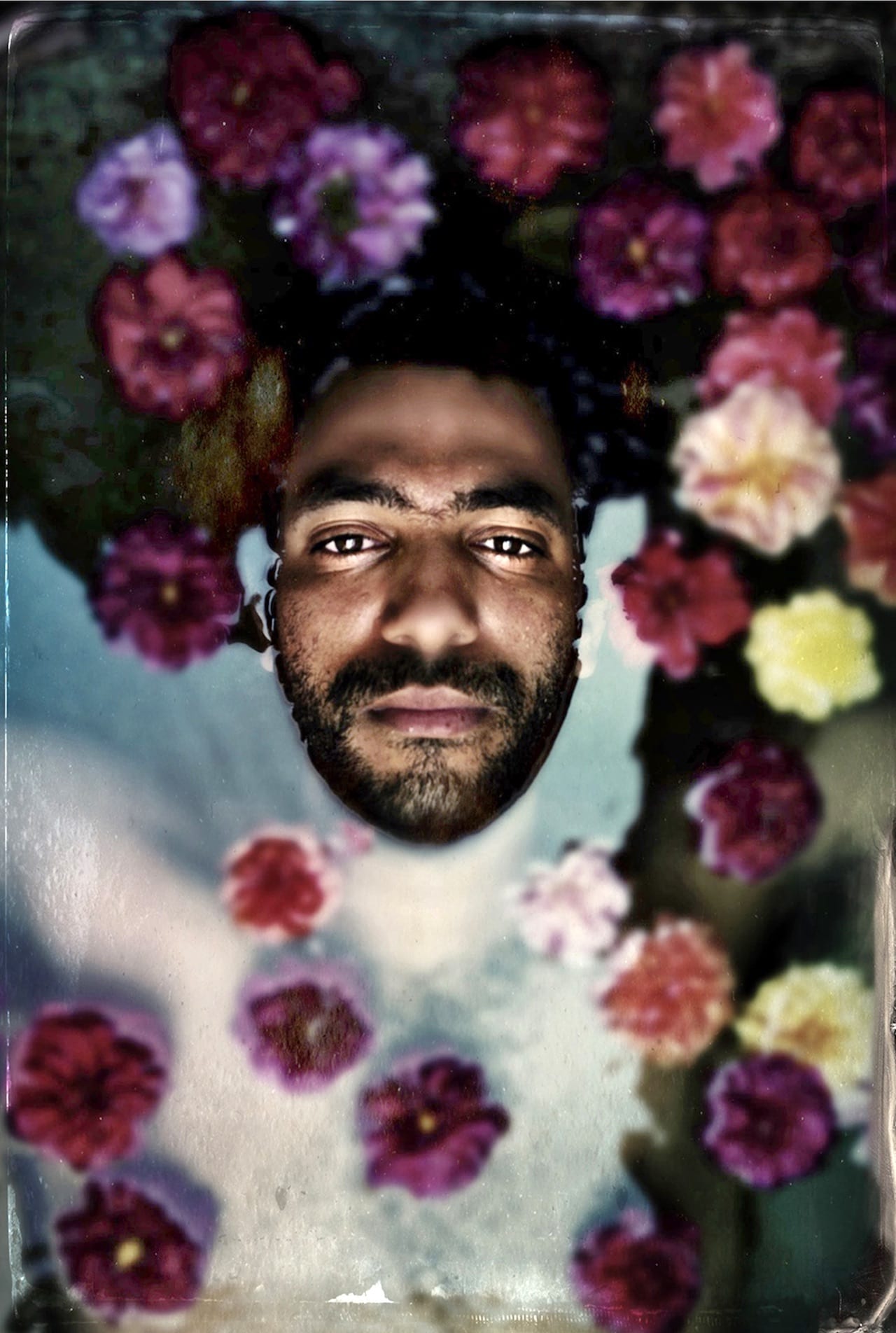
My home is my castle references these first images that Millan saw from Colombia when the earthquake hit. “I wanted to recreate the light from the police car, so the photos are made with two flashes, one with a red filter and another with a blue one. The mixture of colours made the images acquire that pink colour,” he explains.
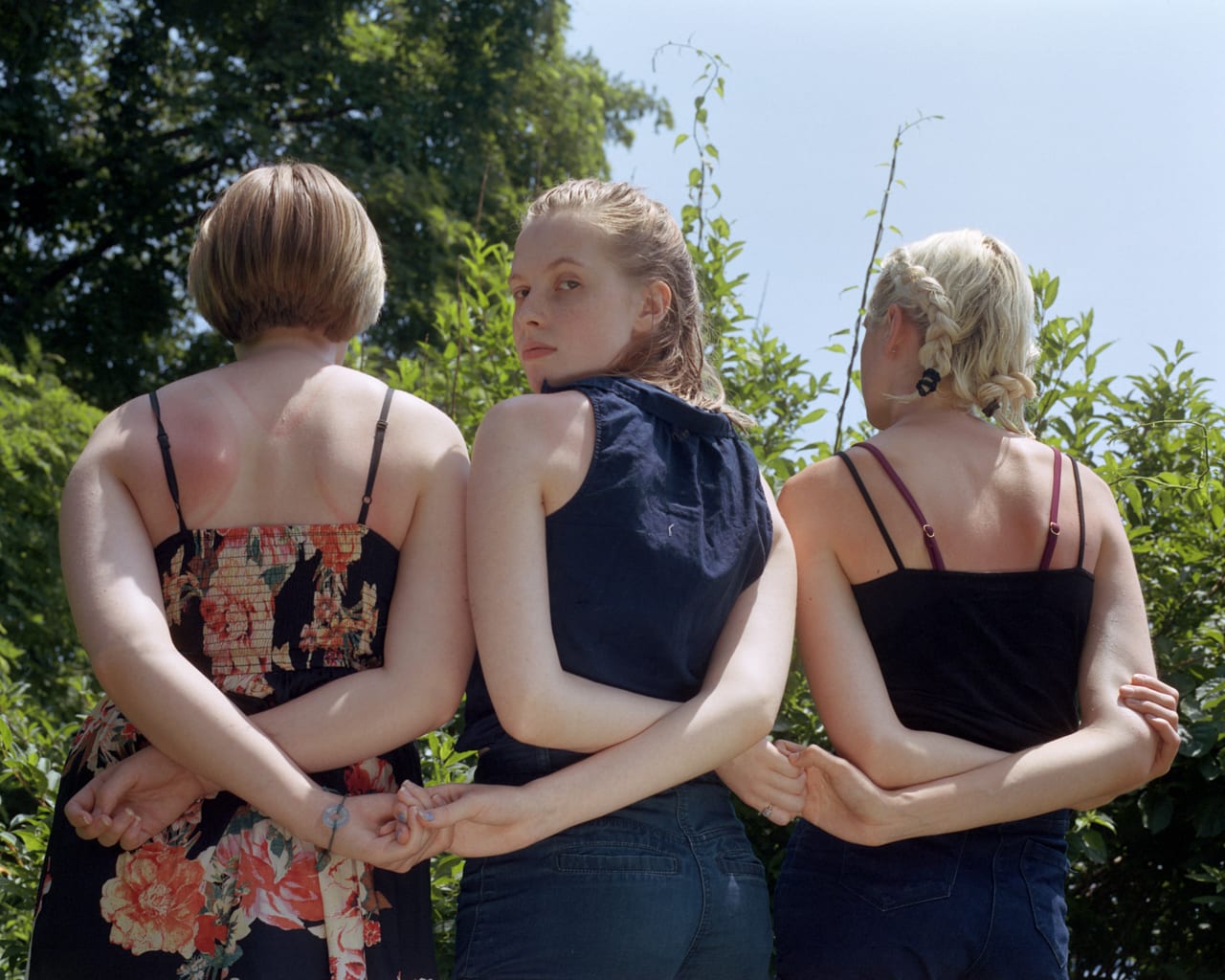
In Sisterhood, Tabitha Barnard photographs her three younger sisters, all on the cusp of womanhood, exploring sexuality, ritual, and the forbidden nature of the occult
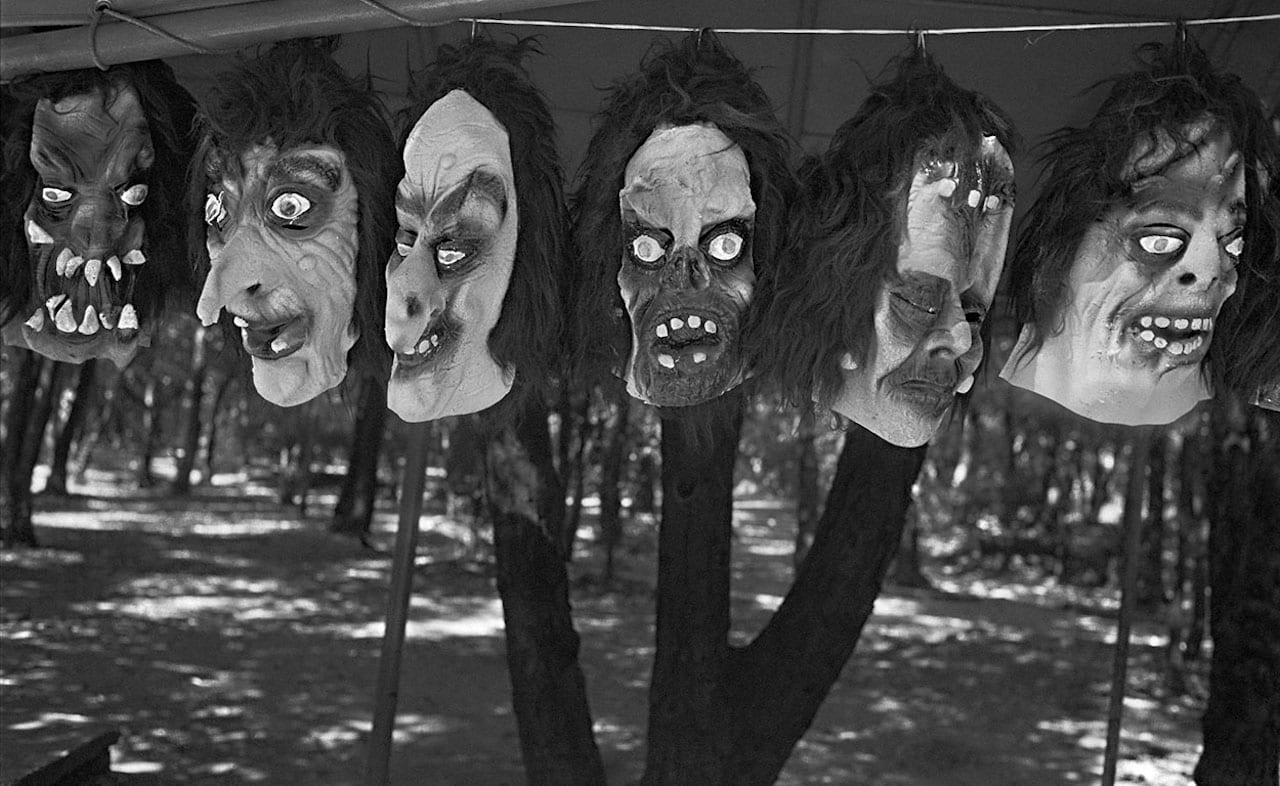
Between 1993 and 2010, Harvey Stein visited Mexico 14 times, which makes every year bar three. Fascinated by what he found, he photographed communities in small towns and villages, mostly during festivals such as Day of the Dead, Easter, and Independence Day.
In his new book, Mexico – Between Life and Death, Stein explores the disparities of a culture he became fascinated by, showing Mexico as a country of contrast – where life meets death, deep-rooted tradition meets creeping progress, and religious belief meets worldly corruption.
Last year, VII Photo Agency invited six women to join its collective. With seven female members in total, “the seven of VII” quickly became a phrase that stuck. After numerous email exchanges, and a big discussion at the annual general meeting in Barcelona in March, the seven of VII are now staging a group exhibition together – Her Take: (Re)thinking Masculinity, which opens at Photoville in Brooklyn, New York on 13 September.
The exhibition is made up of seven separate projects, each exploring the topic of masculinity. “The exhibition is a conversation, and it’s a conversation that we want to have with both women and men,” explains Sara Terry, whose project recreates Manet’s famous painting, Le Déjeuner sur l’herbe, with a naked man replacing the female nude.
Projects exploring mysterious religious rituals in Russia, Soviet health resorts in Poland, and Ukrainian school graduations all feature on the shortlist for this year’s New East Photo Prize. Including 16 photographers from Latvia, Romania, Ukraine, Poland, Hungary, Russia, Croatia, Slovakia and Azerbaijan, the shortlisted series will be exhibited as part of a group show this autumn.
“Each of the shortlisted photographers demonstrate a unique approach to the people, places and stories that shape the region,” says Ekow Eshun, creative director of Calvert. “The prize has proven itself once again to be an important space for emerging photographers to gain international recognition, and we look forward to working with each of them in the exhibition and beyond.”
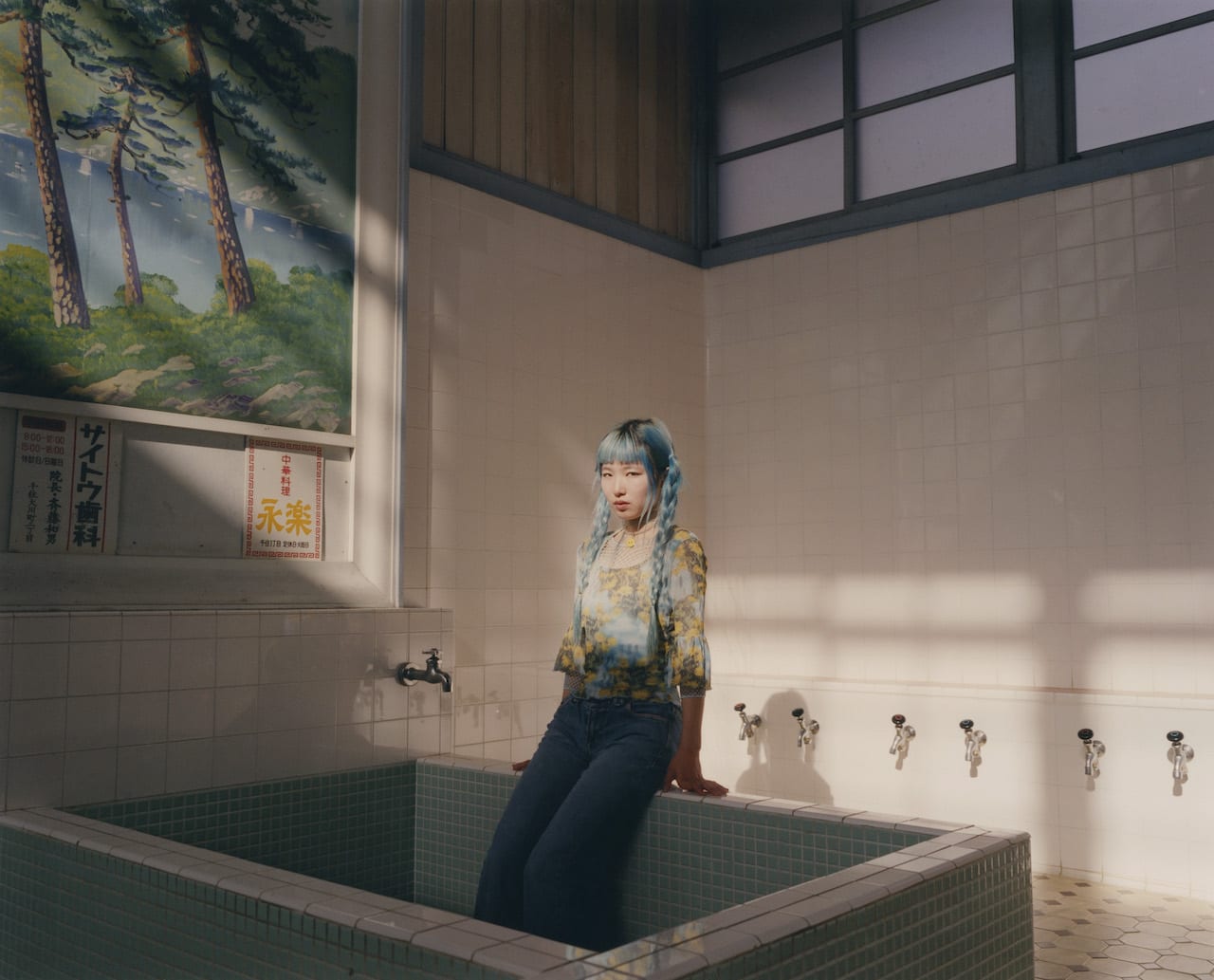
“There’s not enough journalism about female friendships, they’re not given the same credit as romantic relationships, but I actually think they can be so much stronger,” says London-based photographer Francesca Allen, who spent a month in Tokyo last spring photographing the subject of her new book, Aya, a Japanese musician and now Allen’s good friend.
The pair first met in 2016, during Allen’s two week vacation to Japan. Allen, whose work often centres on womanhood and sexual freedom and is regularly featured in publications such as Ripose and The Fader, used part of her time on holiday to photograph Japanese girls. Looking across her selection of images, she felt so drawn to the photographs of Aya that the following year, she arranged to go back and make a book with her.
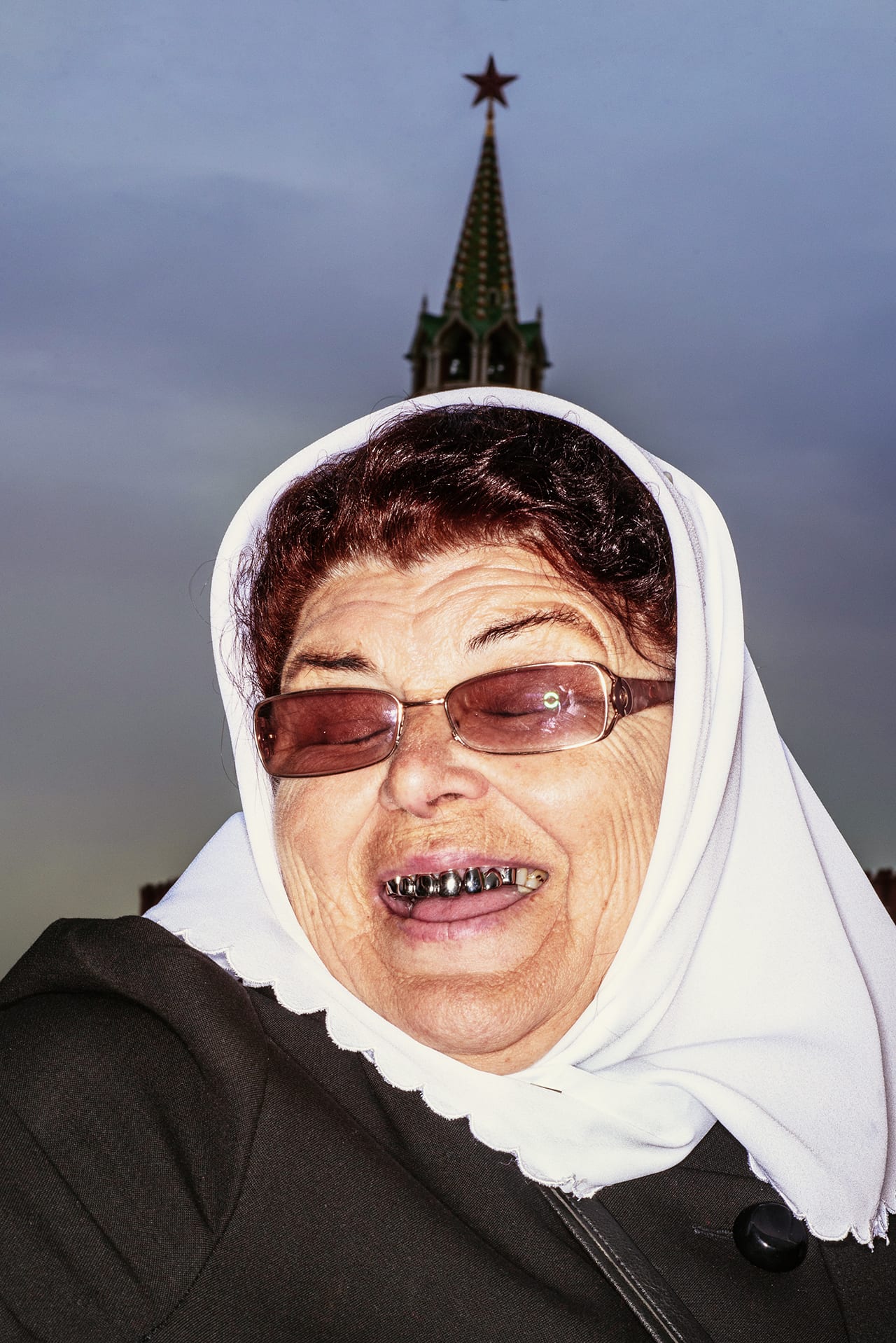
“If you live in Russia, you’re taught to love your family, and love your nation. It’s part of your life and education, we even have classes teaching patriotism at school,” says Alexander Anufriev, whose new project takes a closer look at what makes a modern Russia.
The idea for Russia Close-up came while he was studying at The Rodchenko Art School in Moscow, and starting to feel disillusioned with documentary photography. “At the time, it was important for me to tell stories and for them to be the truth, but it started to feel like a little bit of a lie,” he explains. “Even if you’re trying to be totally objective, it is always a bit subjective.
“I stopped shooting for six months, and I was about to quit photography, but then I thought, ‘What if I tried to be completely subjective?’ So I cropped the images very tightly, and included only the elements I wanted to show. It was a farewell to convention.” Unconventional it may be, but the series has already had some success, exhibited in Cardiff, Sydney, and Saint Petersburg, and winning third place in the Moscow Photobookfest Dummy book award.
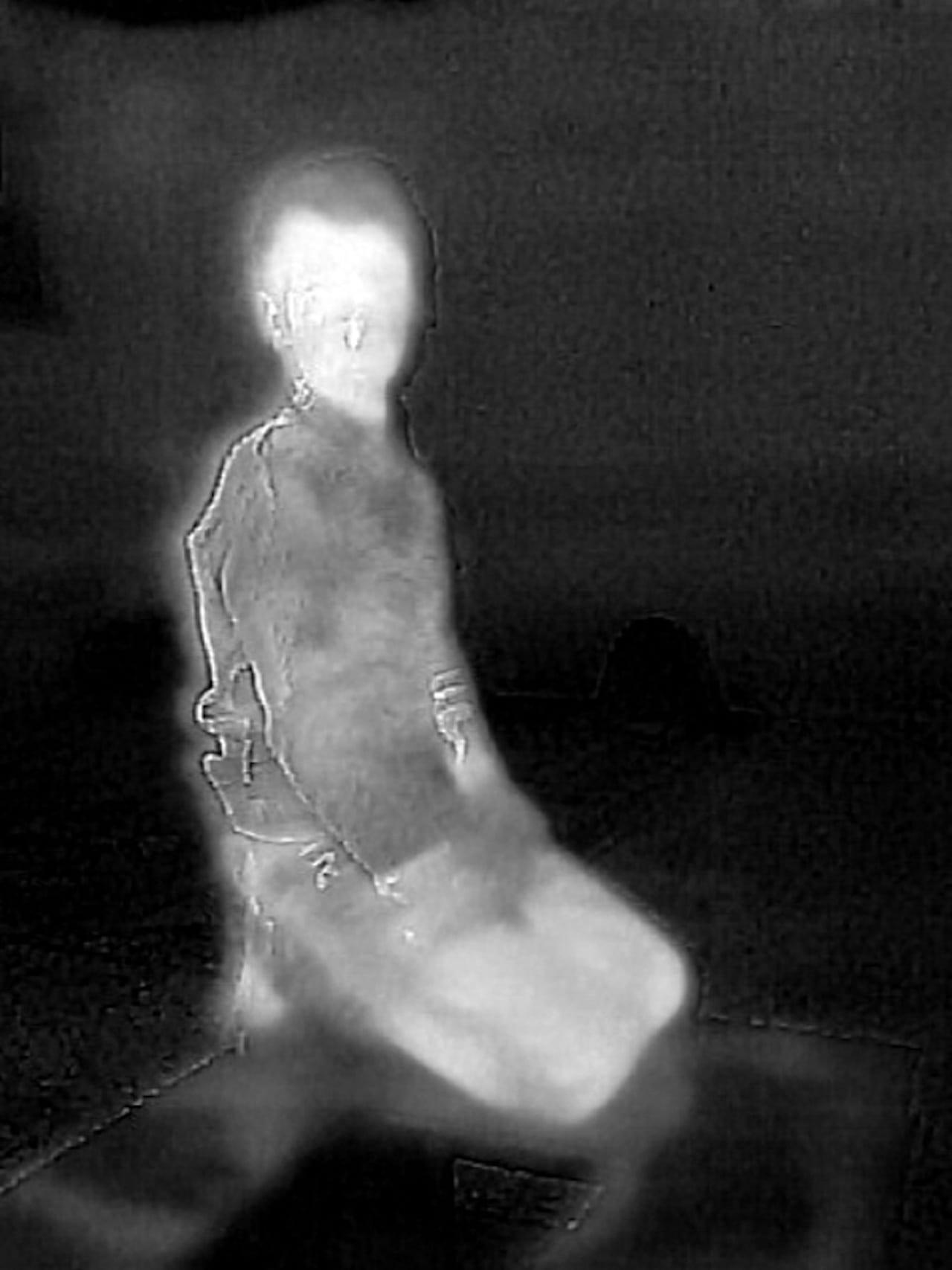
“Talking to people in Gaza, you realise how much the drones are burrowed into their daily lives,” says Daniel Tepper, an American photographer who has been researching and documenting the production and militarisation of drones in Israel since the 2014 conflict in Gaza.
In Arabic, unmanned aircrafts are referred to as ‘zenana’, local slang for the buzzing of a mosquito; in English ‘drones’ take their name from the male honeybee, and the monotonous hum it makes in flight. The Israeli military pioneered the use of drones in combat, employing the technology during the 1982 Lebanon War, and since then people in Gaza have become accustomed to the insidious noise of drones, sounding so close “they could reside beside us”, as Dr. Atef Abu Saif writes in his first-hand account of the 2014 conflict, The Drone Eats With Me. “It’s like it wants to join us for the evening and has pulled up an invisible chair,” he adds.
Despite this familiarity, what’s most scary about the drones is the fact it’s always unclear why they’re out – if they’re doing surveillance, if they’re armed, or if they’re about to strike. During the summer of 2014 the people of Gaza lived under constant surveillance, so much so you couldn’t distinguish a star or a satellite from a drone at night, says Vittoria Mentasti, an Italian photographer who experienced the conflict while reporting on it. According to Hamushim, a human rights group based in Gaza, drone warfare was responsible for almost a third of the 1543 civilian casualties in the 2014 war.
“I’ve spent so many hours on end in the dark, listening to loud music and just watching people, trying to see who I can take photos of and sussing out the environment” says Lionel Kiernan, “my work is a recording of what we can see with the naked eye in these constantly repetitive environments”.
At 21, Kiernan is the youngest photographer, and only Australian, to ever be shortlisted for the MACK First Book Award. After graduating from the Photography Studies College in Melbourne in 2017, Kiernan was nominated this year for his first major body of work documenting Melbourne’s nightlife scene, At Night.