
Marigold Warner

Deputy Editor

Marigold Warner worked as an editor at BJP between 2018 and 2023. She studied English Literature and History of Art at the University of Leeds, followed by an MA in Magazine Journalism from City, University of London. Her work has been published by titles including the Telegraph Magazine, Huck, Elephant, Gal-dem, The Face, Disegno, and the Architects Journal.

Obituary: Jacqueline Hassink, photographer 1966-2018

“I was trained as a sculptor, and this was the first time I had used the camera,” wrote Jacqueline Hassink in the Financial Times in 2011, of her breakthrough project The Table of Power. Between 1993 and 1995 Hassink contacted forty of the largest multinational corporations in Europe, asking to photograph their boardrooms. “I wanted to find a table that symbolised modern society’s most important value: economic power,” she writes. Nineteen refused, while the remaining 21, in Britain, the Netherlands, Germany, France, Switzerland and Italy, eventually agreed. 

The book was published in 1996; it was the first time that photographs of these places had been made public, and in the spring of 2009, after the global recession, Hassink decided to revisit the boardrooms. With The Table of Power 2, she examined how boardroom design, revenue and employee numbers had changed over the intervening years.

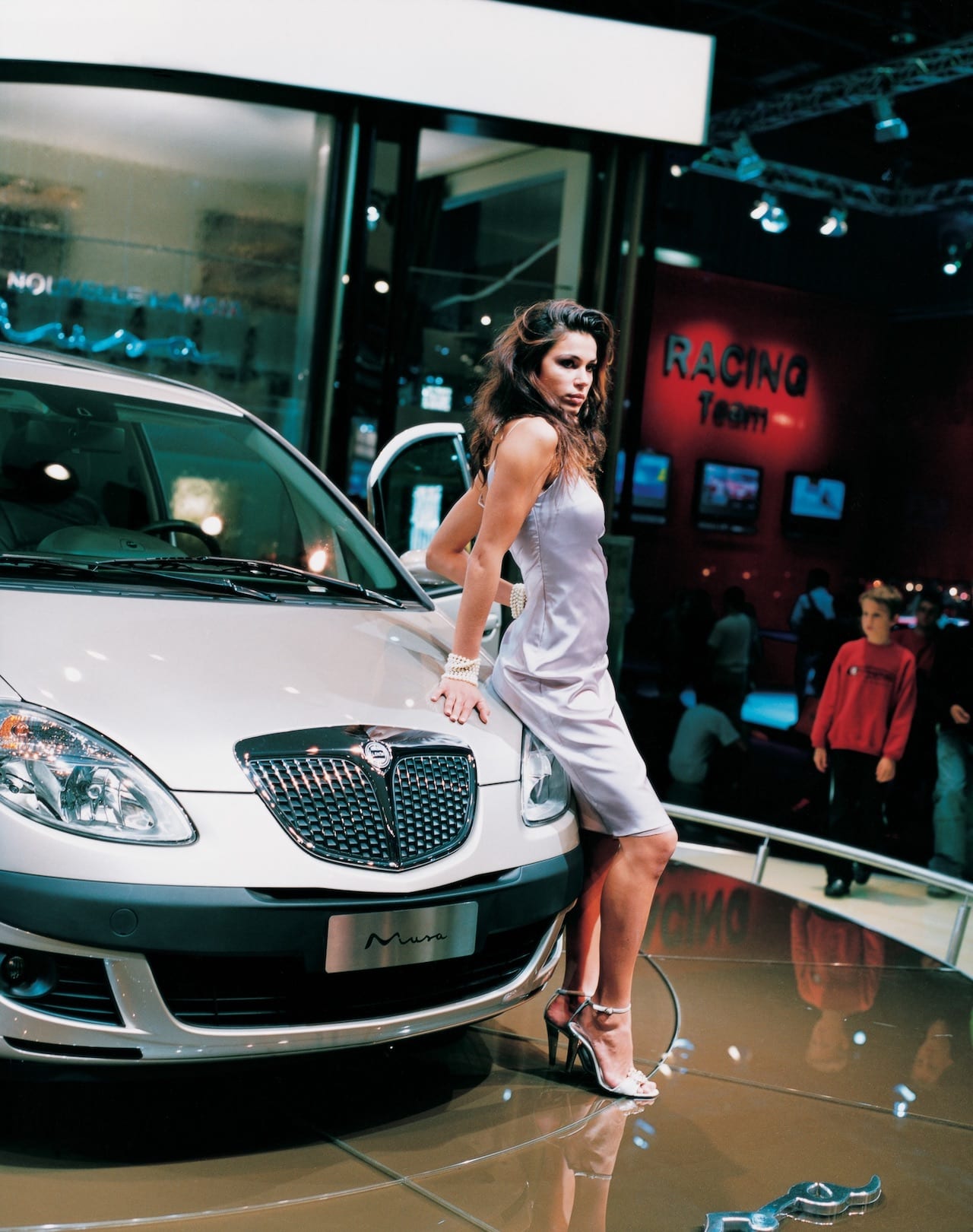
Hassink, who has died aged just 52, was born in Enschede, the Netherlands, on 15 July 1966. She trained to be a sculptor at the Royal Academy of Art in The Hague, and then at the Trondheim Academy of Fine Art in Norway, but after graduating in 1992, presented herself mainly as a photographer, publishing nine books – including another celebrated title, Car Girls, in 2009. It was shot over five years at car shows across seven cities in three different continents, including New York, Paris, Geneva, Tokyo, Detroit, and Shanghai, focusing in on differing cultural standards on ideals of beauty on the women paid to pose with the cars.
28 November 2018

Tom Wood: Women’s Market

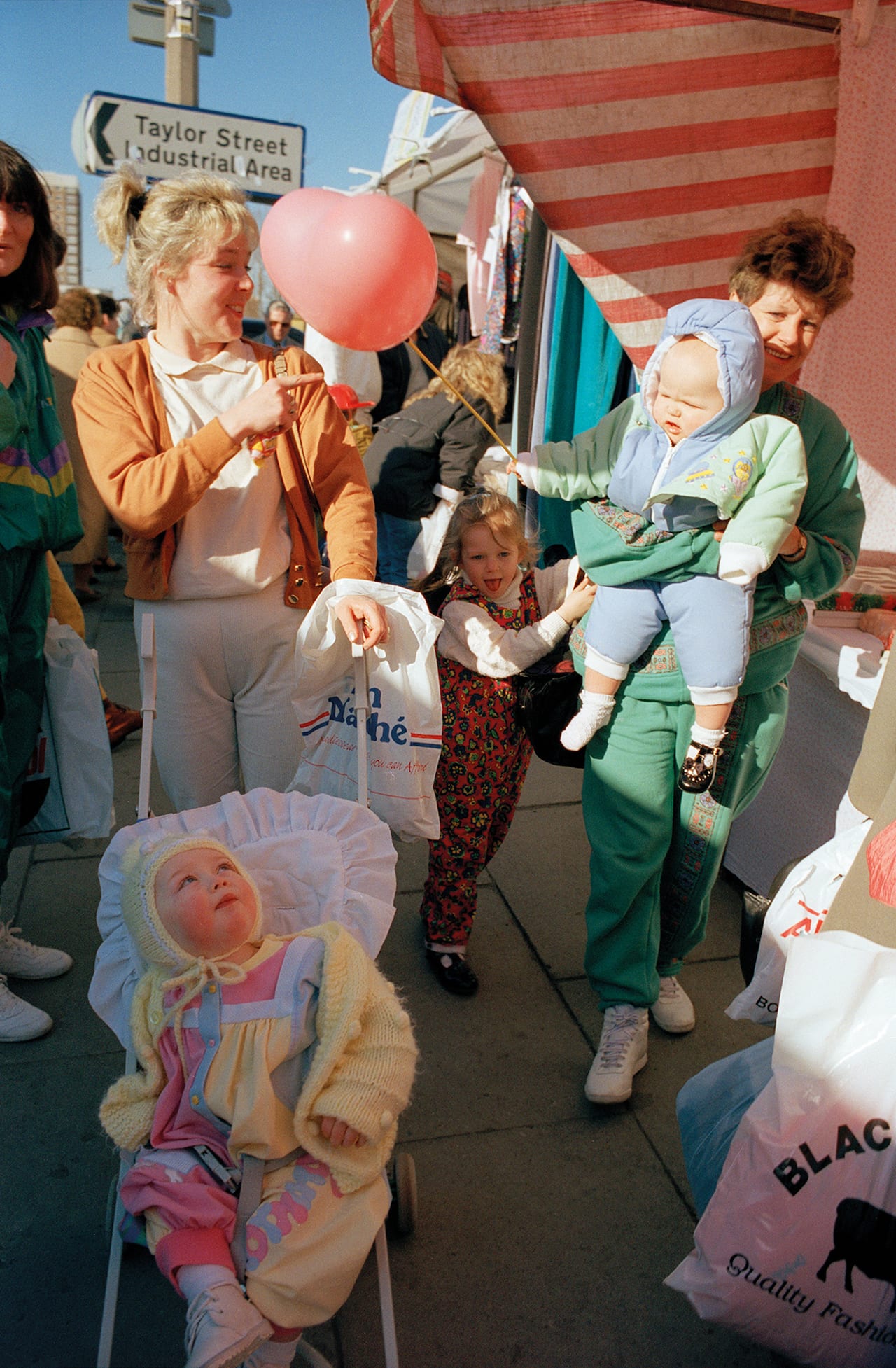
Almost every Saturday between 1978 and 1999, Tom Wood travelled from his home in New Brighton by ferry and bus to Great Homer Street market, just outside Liverpool city centre in the North West of England. He would spend the morning there photographing the mothers and daughters, kids dressed in matching blue and lilac tracksuits, teenagers chatting away with their curly hair swept up into side-ponies, and grandmothers haggling for of a string of pearl necklaces or a second-hand coat. In the afternoon he’d travel on to either Everton or Liverpool football ground, then back on the bus and ferry, taking pictures every step of the way.

”God knows how many photographs I took,” he says. “When I first began photographing in Liverpool I was just overwhelmed by the people and the place. It was an exciting place to be, I fed off the energy there.”

22 November 2018

If Slovenia Were

“What lies behind this project is my particular, unique attachment to Slovenia,” writes Klavdij Sluban, a French photographer of Slovenian origin and curator of If Slovenia Were. “It is an exceptional project in as much as it was born out of the desire to share a stretch of a photographic journey with a group of young Slovenian photographers, quite apart from any institutional, educational or other structures.”

Stemming from a desire to keep in touch with the country of his roots, Sluban began the project with an open call, selecting 18 young Slovenian photographers to take part. Each responded freely to the theme, and have been working on their projects for the past three years, developing them in meetings with Sluban on his occasional visits to the country. The resulting projects include series on expatriates who have emigrated elsewhere, photographers’ personal interpretations of Slovenian family life, and introspective series dealing with the artists’ private experiences.

22 November 2018

Out of the Shadows: The untold story of people with learning disabilities in prison

It is estimated that 7% of the prison population in the UK has a learning disability, compared to around 2.2% of the general population. A study by Prison Reform Trust in 2008 found that people with learning disabilities are seven times more likely to come into contact with the police, five times more likely to be subject to control and restraint, and three times more likely to suffer from anxiety or depression, and spend time in solitary confinement.

These numbers are estimates rather than straight statistics because there is no system in place to screen, identify, and record whether a prisoner has a learning disability. In a research paper from 2005, psychologist John Rack estimated that around 20% of prisoners have some form of “hidden disability” which affects their performance in education and work settings. It’s worryingly disproportionate, and it begs the question – if prisons don’t have systems in place to even identify these people, how can they begin to give them the support they need to survive in a prison environment?

21 November 2018

Shahidul Alam has been released from jail

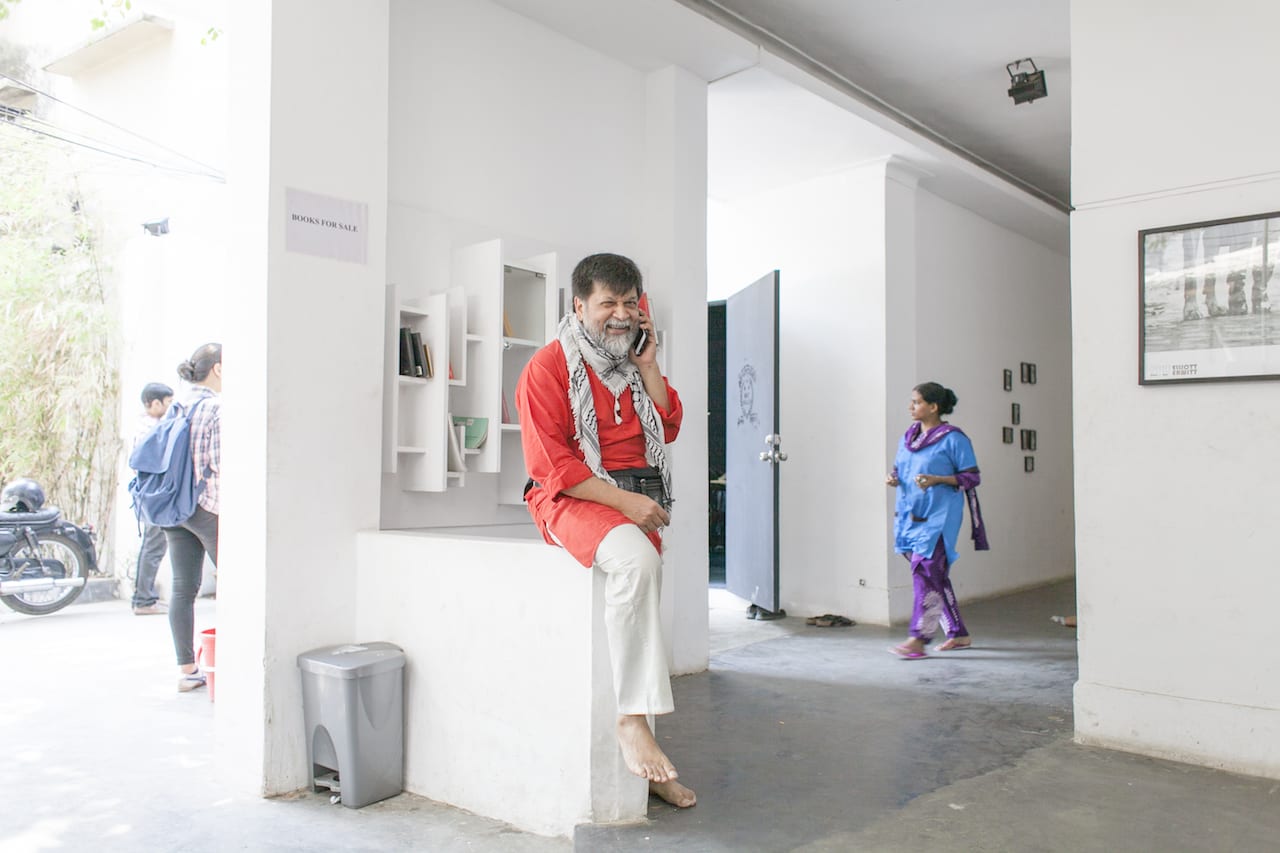
Bangladeshi photographer and social activist Shahidul Alam was freed from Dhaka Central Jail at on 21 November, after being locked up for 107 days for spreading “propaganda and false information”.

The 63-year old photographer and Drik Gallery director was arrested at his home in Dhaka on 05 August, and was charged with violating Section 57 of Bangladesh’s Information and Communication Technology Act (ICT), which has been used in more than 20 recent cases involving journalists, most of them related to news-reporting, according to Bangladeshi paper The Daily Star.

20 November 2018

Vivian Maier: The Color Work

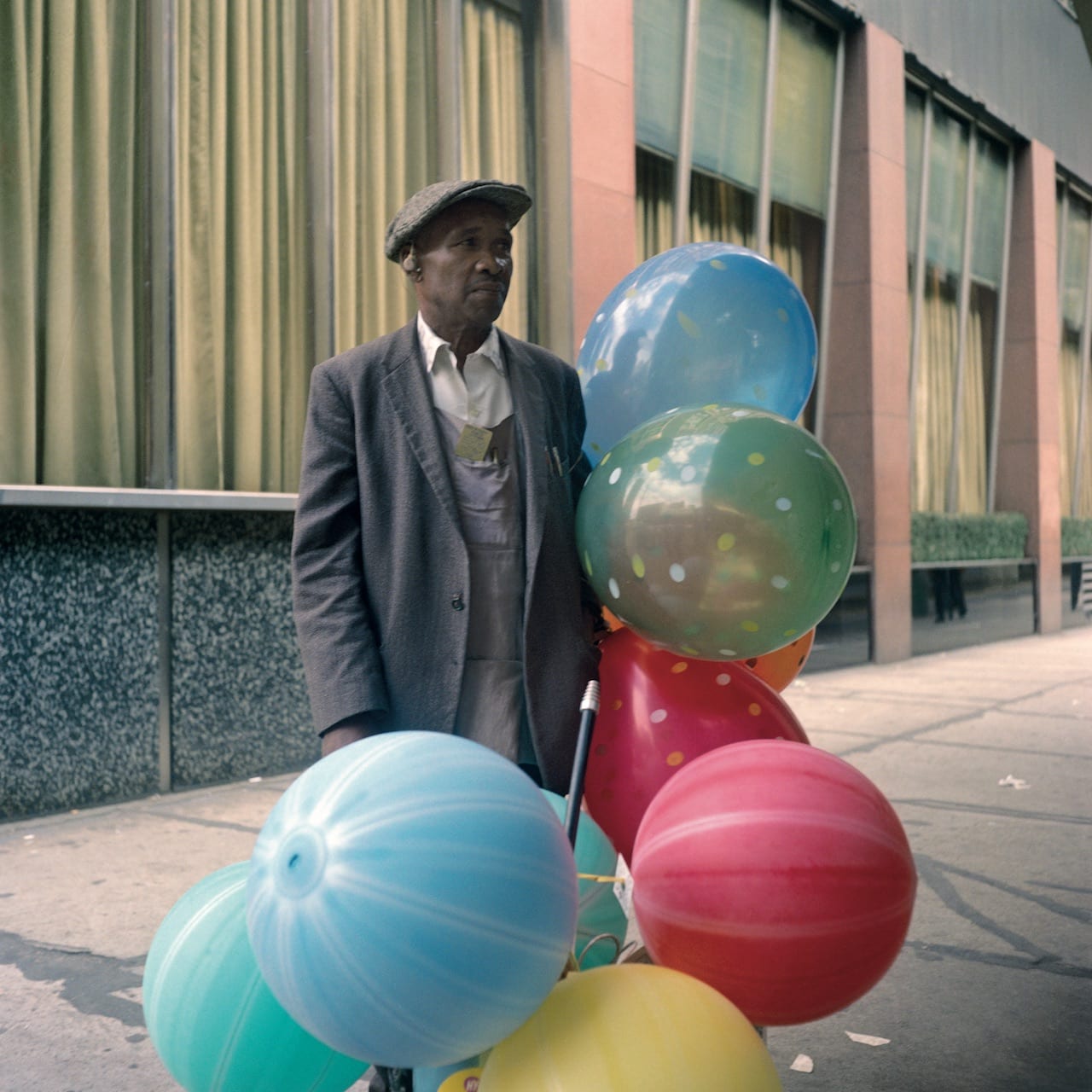
Since its discovery in 2009, Vivian Maier’s work – and her life – has attracted global attention. It been exhibited all over the world, featured in mainstream media outlets, and circulated in multiple books and films. Even so, many details of the American street photographer’s life remains a mystery.

We know that she worked as a nanny for 40 years in Chicago, and that she liked to spend time walking the streets, taking photographs with her Rolleiflex camera – with and without the children she was looking after. We also know that Maier took more than 150,000 photographs, many of which remain unseen, mostly of the people and architecture in Chicago, New York and LA, but also of herself, and her young charges. 

19 November 2018

Q&A: Sole Satana’s From a Bad Place

Although it is Spanish photographer Sole Satana’s latest body of work, From a Bad Place was conceived several years ago, during a difficult time when she was struggling with anxiety and depression.

Closely related to her personal life, Satana’s photography tells a very subjective story about her take on everyday life. Her images will be on show at the Centro Parraga in Murcia, Spain, as part of a collaborative project between the gallery and collective UnderPhoto. Now in its second edition, the project aims to bring together emerging creators who offer a “deeply personal representation of reality”.

From a Bad Place will be exhibited alongside photography from Satana’s partner in life and work JD Valiente, a BJP One to Watch this year. The couple met when they were teenagers and have been together for 14 years. They often now collaborate on joint projects, such as the story Dead Meat, but this show, titled Parentésis, is made up of two solo series.

19 November 2018

50 years since PROVOKE: reprinting the radical Japanese photo magazine

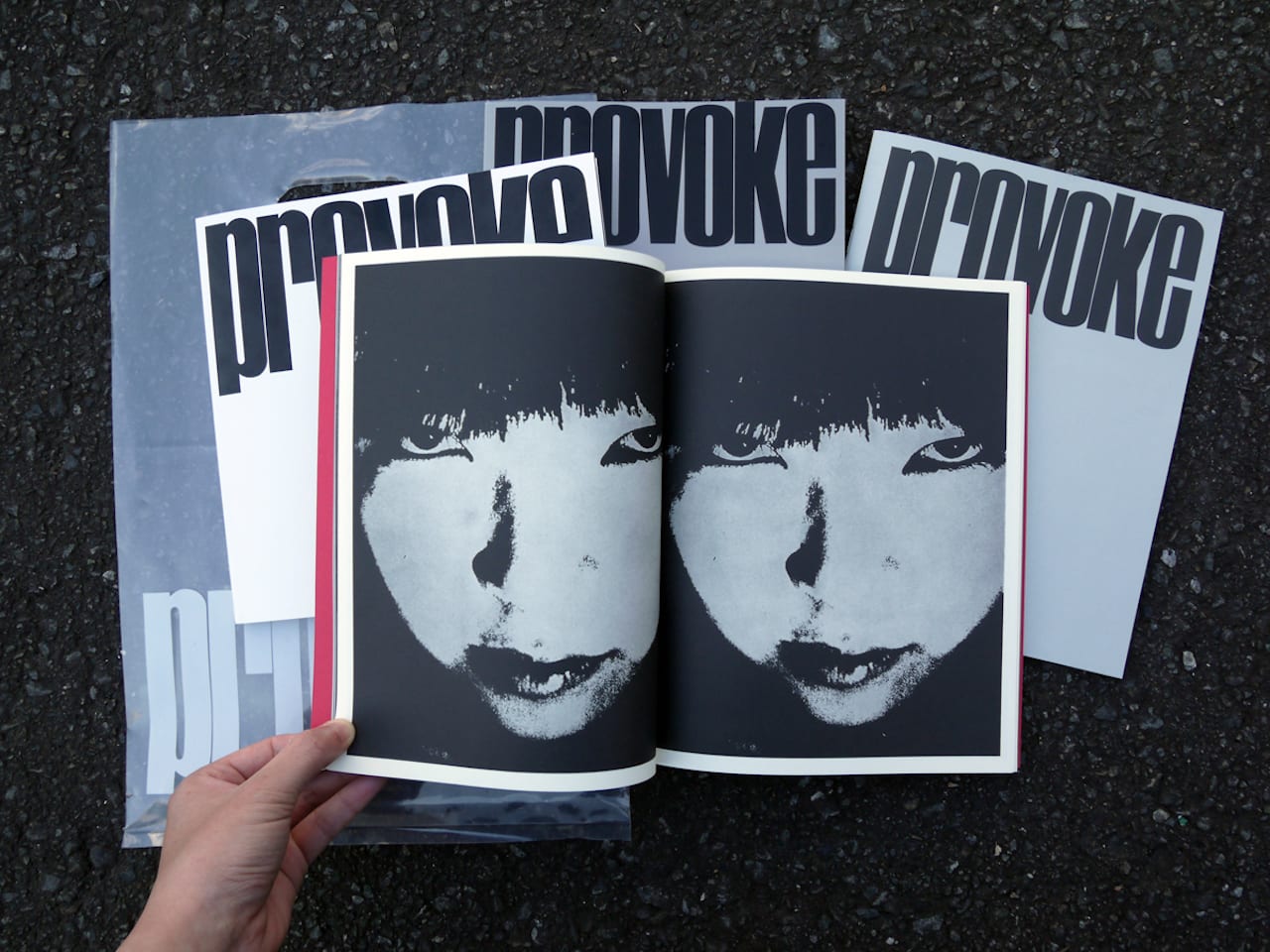
“How to fill the gap between politics and art? This is both an old and a new problem,” writes Takuma Nakahira, in the afterword to PROVOKE no.1, published 50 years ago this month. Led by some of Japan’s best-known photographers and art critics – including Takuma Nakahira, Koji Taki, and iconoclast Daido Moriyama, who joined from the second issue – the magazine stemmed from the anger and discontent that they felt towards the post-war world. Though it survived only three issues, and was criticised at the time, it is now widely recognised as a ground-breaking publication in the history of contemporary Japanese photography.

The magazines were printed in 1968 and 1969, both turbulent years for politics which featured the May 1968 riots in Paris; the assassination of Martin Luther King Jr and the anti-Vietnam protests in the US; the end of the Prague Spring. In Japan, 1968 was the year that a string of violent student uprisings forced many of the top universities to close.

16 November 2018

X-ray artist Nick Veasey opens a purpose-built gallery

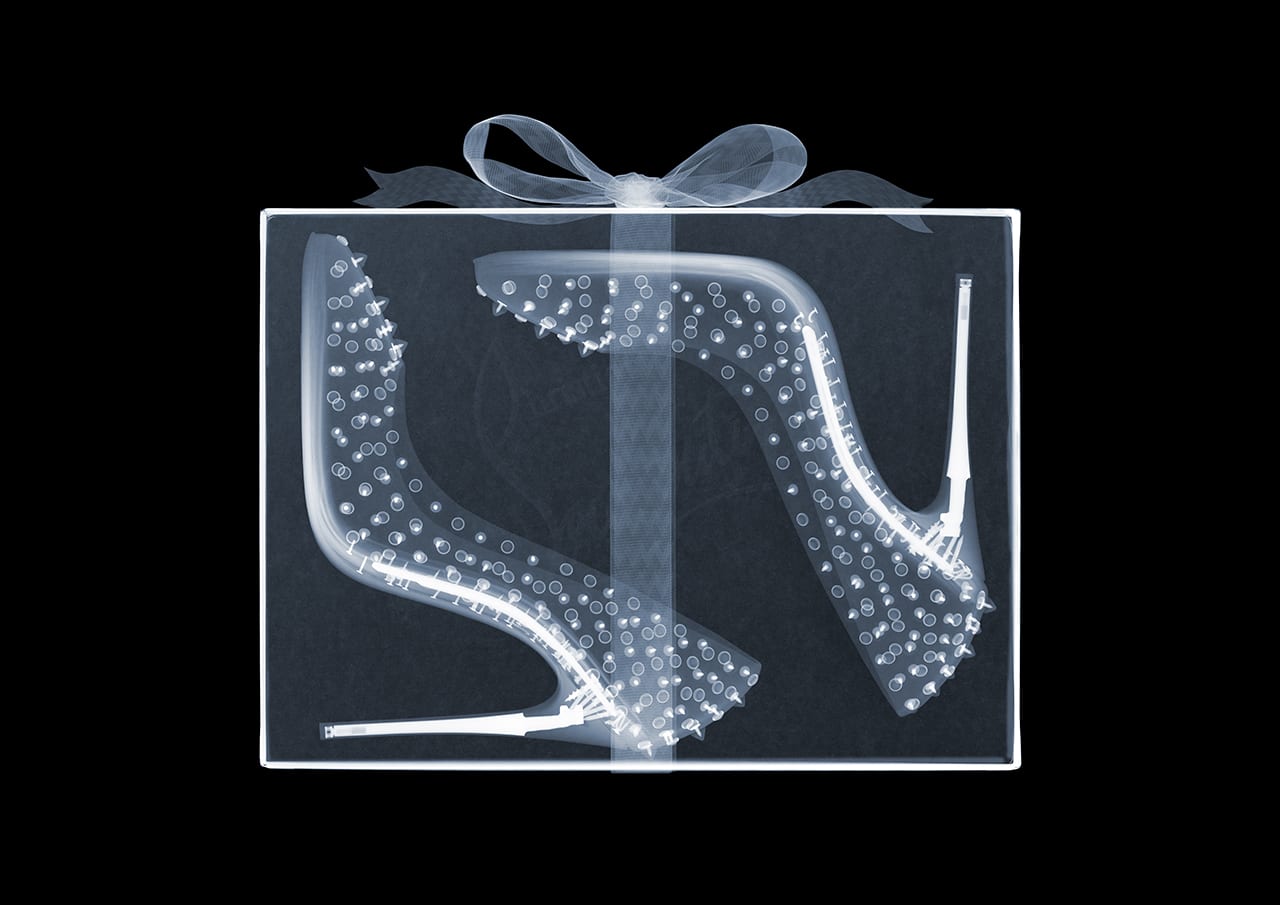
It’s better-known as a medical process, but x-ray imaging has helped Nick Veasey carve out a very successful career over the last 20 years, working with clients such as the V&A, Adidas, H&M, Time, Harper’s Bazaar, and Vice, and exhibiting at galleries such as Stockholm’s Fotografiska. Now Veasey is opening an exhibition space next to his studio in Kent, rural England, in which visitors can watch him work in a purpose-built x-ray chamber, and see exhibitions by him and other contemporary artists.

Process Gallery is set in the middle of a two-acre site that will be landscaped into a sculpture garden next year. The opening exhibition is dedicated to Veasey’s work, but the photographer plans to show work by other artists, specialising in those who take an alternative approach to process. 

12 November 2018

Nadia Arroyo will be the new cultural director of Fundación MAPFRE

As of 2019, Nadia Arroyo will be the new cultural director at Fundación MAPFRE in Madrid. She will be replacing Pablo Jiménez Burillo, who announced at a press meeting last week that he would be retiring after 30 years and over 500 curated exhibitions at the museum.

 Jiménez was the first to bring a permanent exhibition space for photography to the museum, and championed the once-undervalued world of nineteenth century Spanish painting, bringing the gallery to the forefront of the art world in Spain. Arroyo is currently Head of Exhibitions at the Fundación MAPFRE.

12 November 2018