
Tag: Arles

Arles: Les Rencontres d’Arles 2018 programme

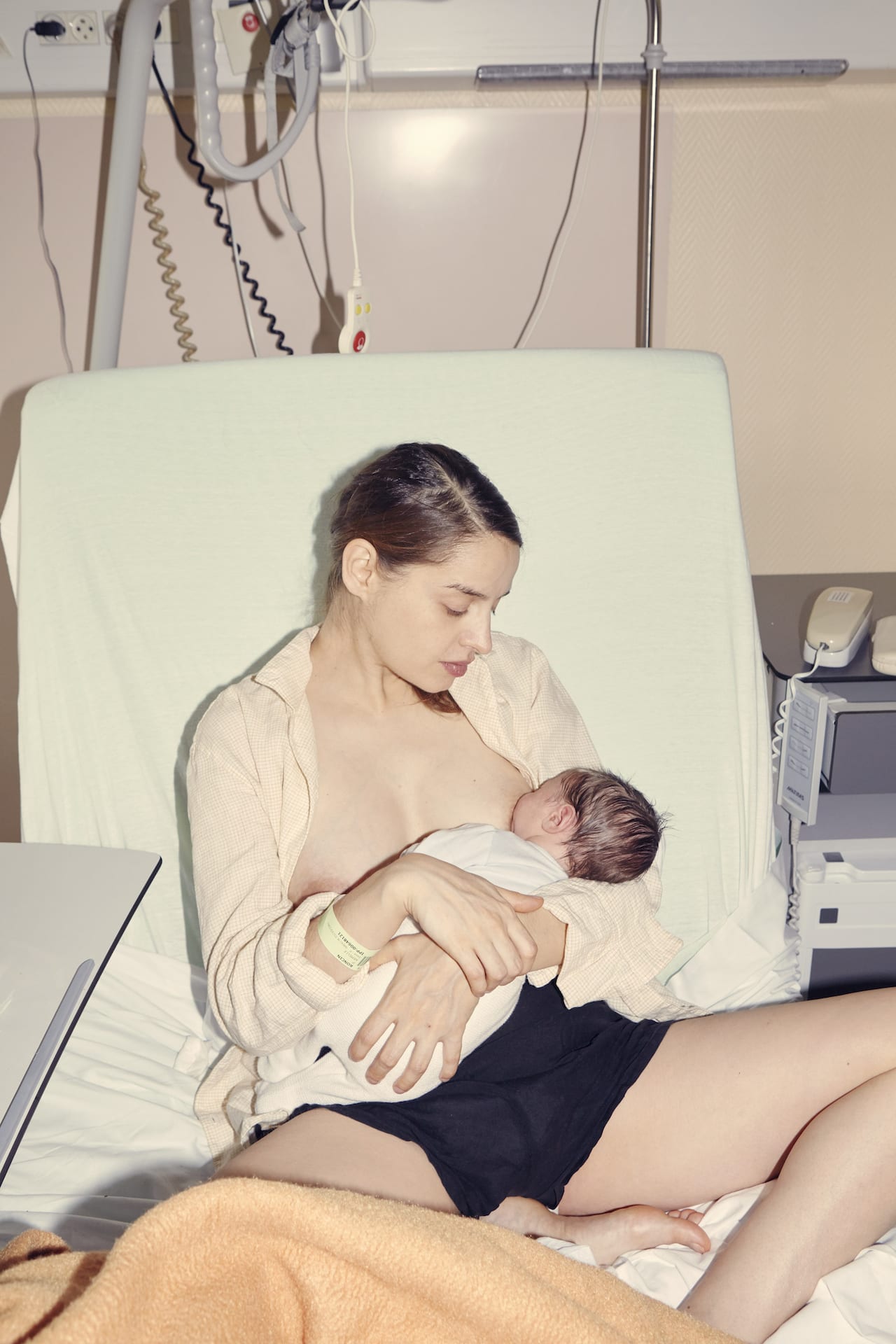
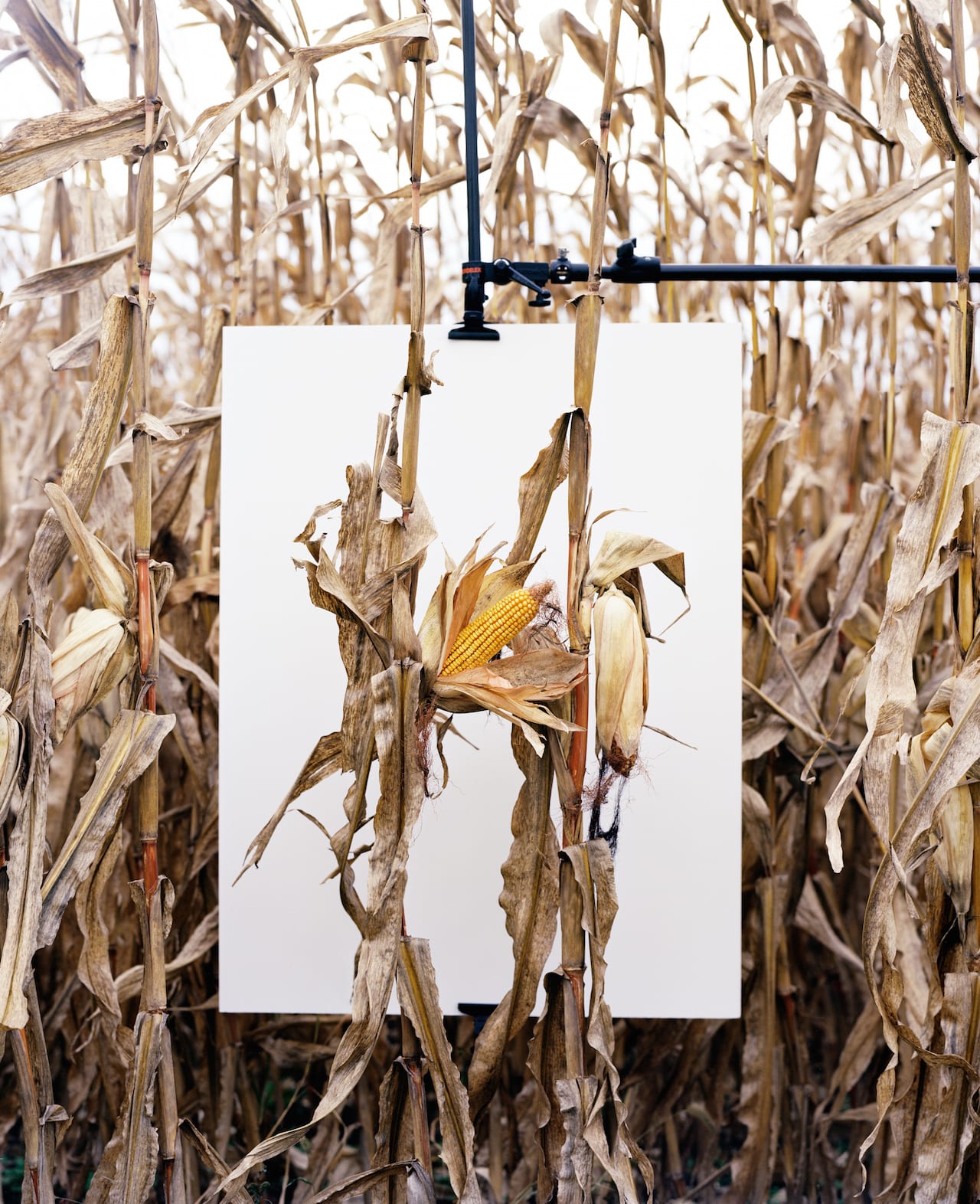
It’s the biggest and best-respected photo festival in the world – it’s Arles and it’s back from 02 July-23 September, with a special opening week from 02-08 July. With the blessing of the French Minister of Culture François Nyssen – who declares that “Arles wouldn’t be Arles without photography” in her welcome to the festival – the 49th year of the festival is lead by director Sam Stourdzé, who took over its organisation in October 2014. As you might expect, the momentous events of May 1968 are commemorated at Arles this year, with a group of exhibitions titled Run Comrade, The Old World is Behind You. Considering events such as the student demonstrations and strikes in France, and the assassination of Robert F Kennedy that year, this section includes shows such as 1968, What a Story! which uses previously unseen images from police archives, Paris Match and Gamma-Rapho-Keystone. Elsewhere Arles looks to the future with a group of shows titled Augmented Humanity which includes work by Cristina de Middel & Bruno Morais, Matthieu Gafsou and Jonas Bendiksen; and in the Emergences section, which includes the ten photographers included in the New Discovery Award this year.
2 July 2018

Out of time with Géraldine Lay

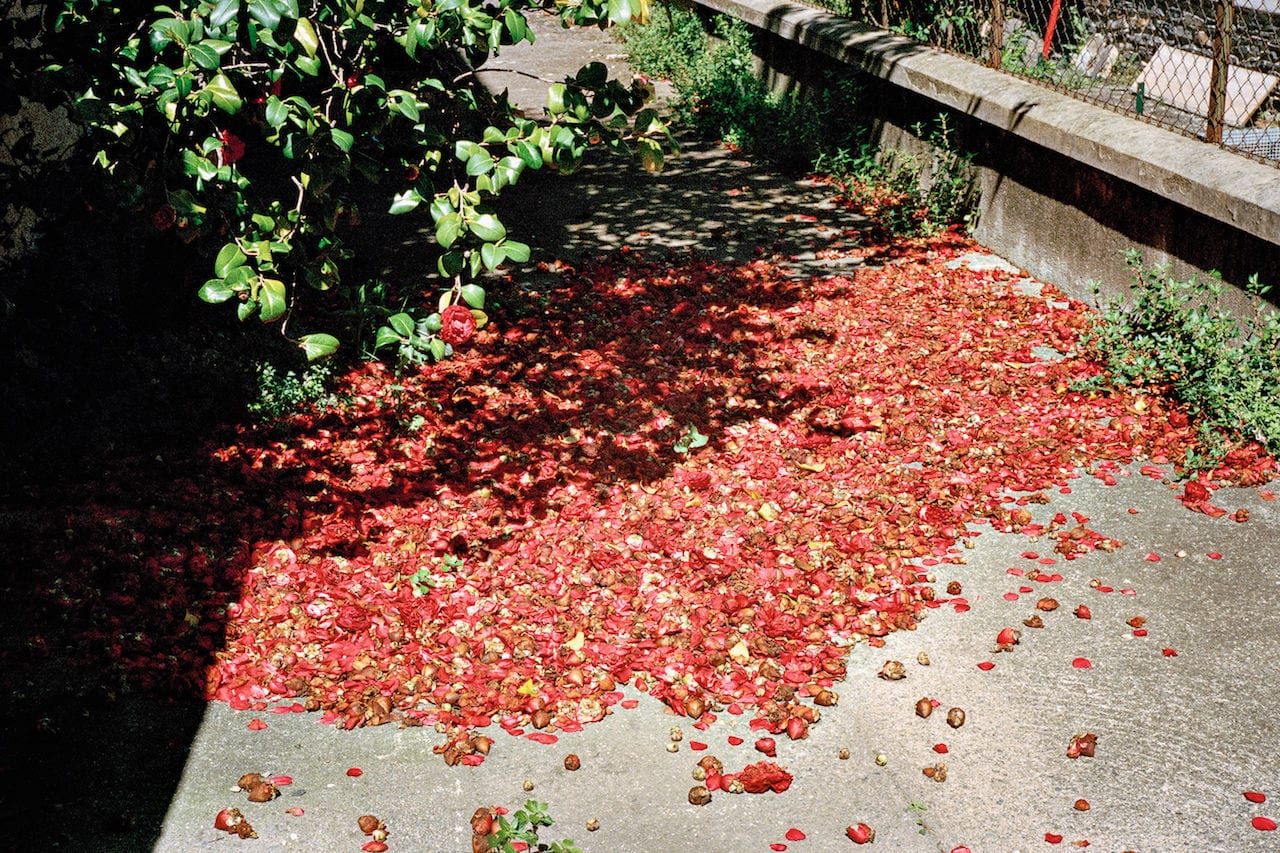
In classical music, ‘impromptu’ refers to a short improvised piece, performed spontaneously with little or no preparation. Géraldine Lay’s new book, Impromptus, is a visual take on the term, aiming “not to tell a story about the place or the country, but to be out of time”.

Lay first encountered photography during her course in History of Art at the University of Lyon; studying the history of the medium, she was bitten by the photography bug, and went on to study at the National Photography School. She graduated in 1997, and is now based in Arles.

“Initially, my practice was part of my daily life, I had no preconceived ideas or strict subject,” says Lay. “I got into the habit of always having a camera with me, to take advantage of all the little moments of life.”

6 June 2018

Chris Dorley-Brown’s singular vision of East End London

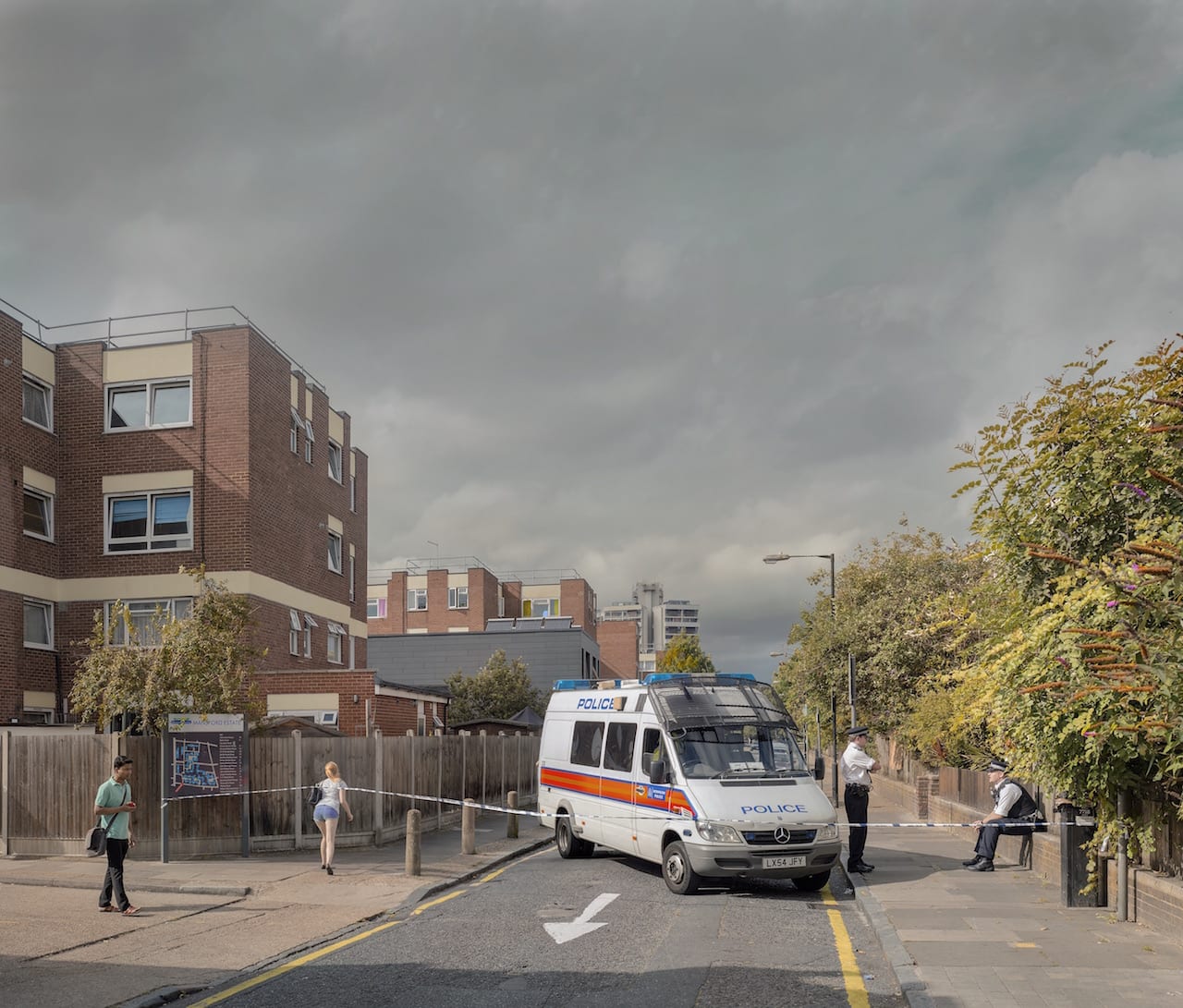
“I don’t have a journalistic bone in my body,” says Chris Dorley-Brown. “I’ve never been to Kosovo. Loads of people do that really well, but I don’t have the urge or the instinct, and that’s partly why I don’t really think of myself as a professional. I do the odd advertising job to earn money, and I think I do it okay, but the phone isn’t ringing off the hook with jobs because I don’t put the energy into promoting myself, since I’m wandering around here all the time. I keep my overheads low and can just about get away with it.” It’s a modest way to sum up an extraordinary body of work – more than 30 years of images, nearly all shot in London’s East End, and most photographed on the street. Some show luxury new developments, others rundown social housing. Some capture crowds of people, some empty streets. Many are one-offs, others – such as the images in The Corners – are manipulated using Photoshop to put various passersby together on one intersection

29 May 2018

John Myers’ portraits

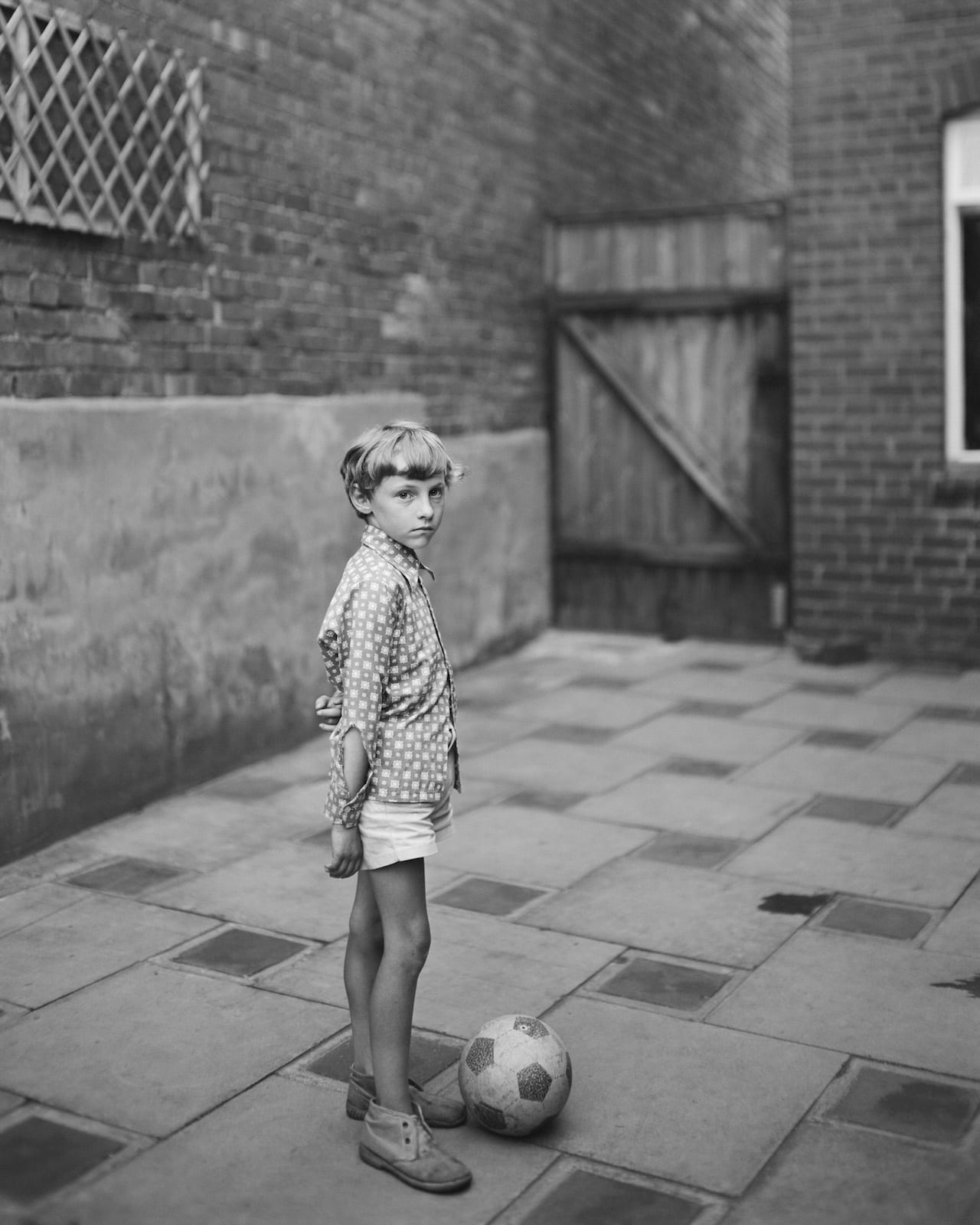
“It was a different time to now, it’s hard to remember just how scarce images were,” says John Myers. “Now you can get things on screen, in the early 1970s there was only a smattering of images available. When I give a talk, I often start by handing out a sheet of paper with a list of interests and influences in 1972-75. The names run across just half a side of A4. There aren’t that many on it, and it includes people I was interested in on the basis of one or two images.” But for Myers, this scarcity was part of the allure. After studying Fine Art with Richard Hamilton, he got into photography in 1972 “because I had never done it”; initially only familiar with Bill Brandt and Henri Cartier-Bresson’s work, as photography rapidly gained recognition in Britain he soon had access to much more. “I was so excited to come across people, when photography suddenly started emerging from the shadows and books were being published,” he says. Myers started shooting with a Mamiya but, finding it “odd” to be looking down at his waist, moved to a 5×4 plate camera and soon found his stride.

14 May 2018

Obituary: Pete James, Curator of Photography Collections at the Library of Birmingham, 1958-2018

Peter James was an instrumental figure in British photography, establishing an outstanding collection of photography at the Library of Birmingham over his 26-year career at the institution, and researching and curating exhibitions at the V&A, National Portrait Gallery, Somerset House, Birmingham Museum and Art Gallery, Ikon Galley, the Library of Birmingham, and many more. He was also a modest and affable man, universally known as Pete and as at home over a curry as in a lecture hall delivering an academic paper. As Hilary Roberts, research curator at the Imperial War Museum, put it in a tribute on James’ Facebook page: “Pete has been a wonderful friend and exceptional colleague for more years than I can remember. His contribution to the world of photography cannot be overstated. It was a privilege to work with him and I will miss him more than I can say.”

14 March 2018

In Paris: Nothing's In Vain in Senegal for Emmanuelle Andrianjafy

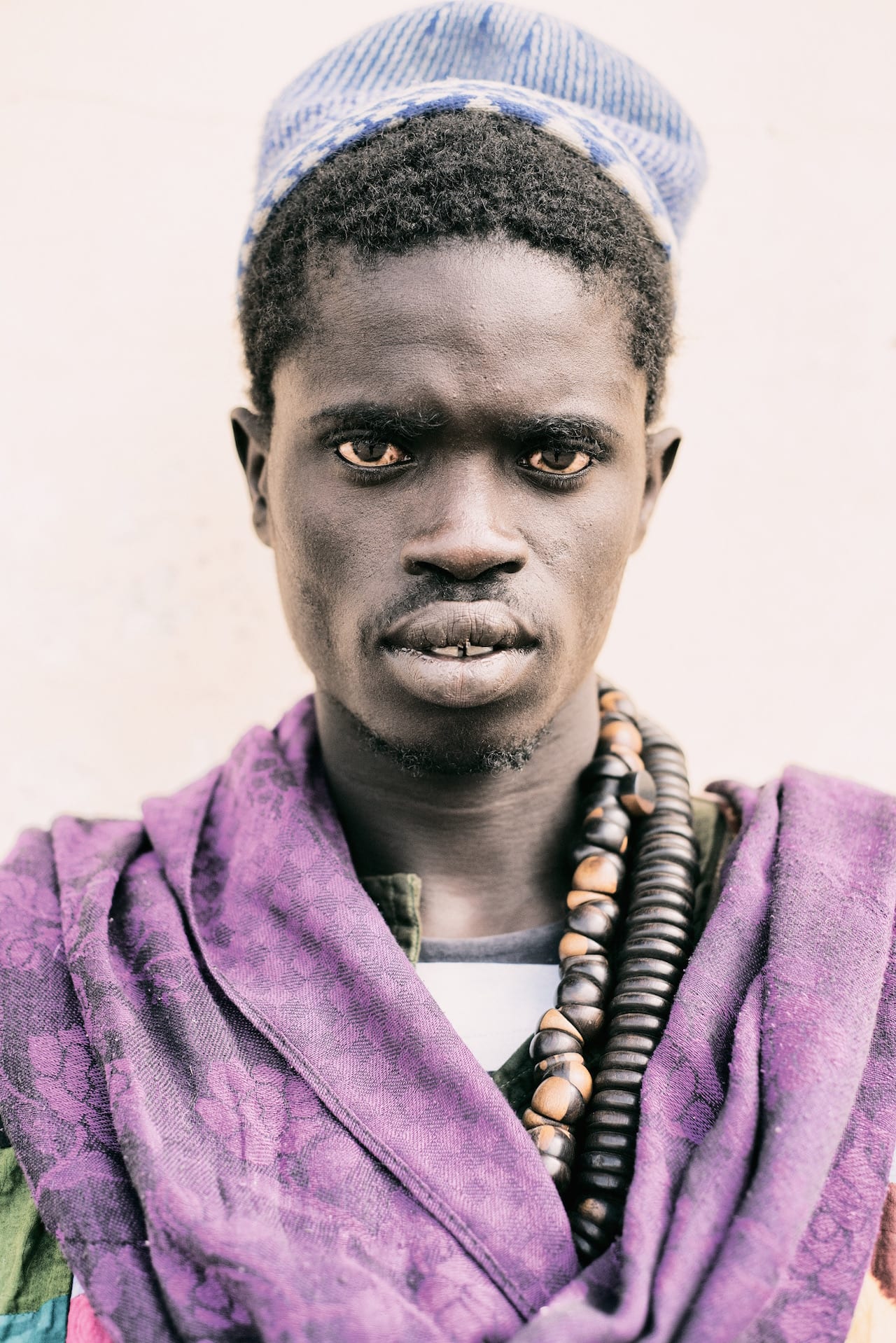
Born in 1983, Emmanuelle Andrianjafy grew up in Madagascar and worked as an engineer in France before moving to Dakar in 2011. Relocation to Senegal proved quite a shock. “It’s very energetic, very hectic, very loud,” she told BJP for the June Ones to Watch issue. “It’s very different to where I’ve lived before. It’s by the sea but it’s not peaceful; the landscape is harsh and dry. I was tempted to not deal with it and just stay at home.”

10 November 2017

In Paris: Mathieu Pernot's 20-year project Les Gorgan

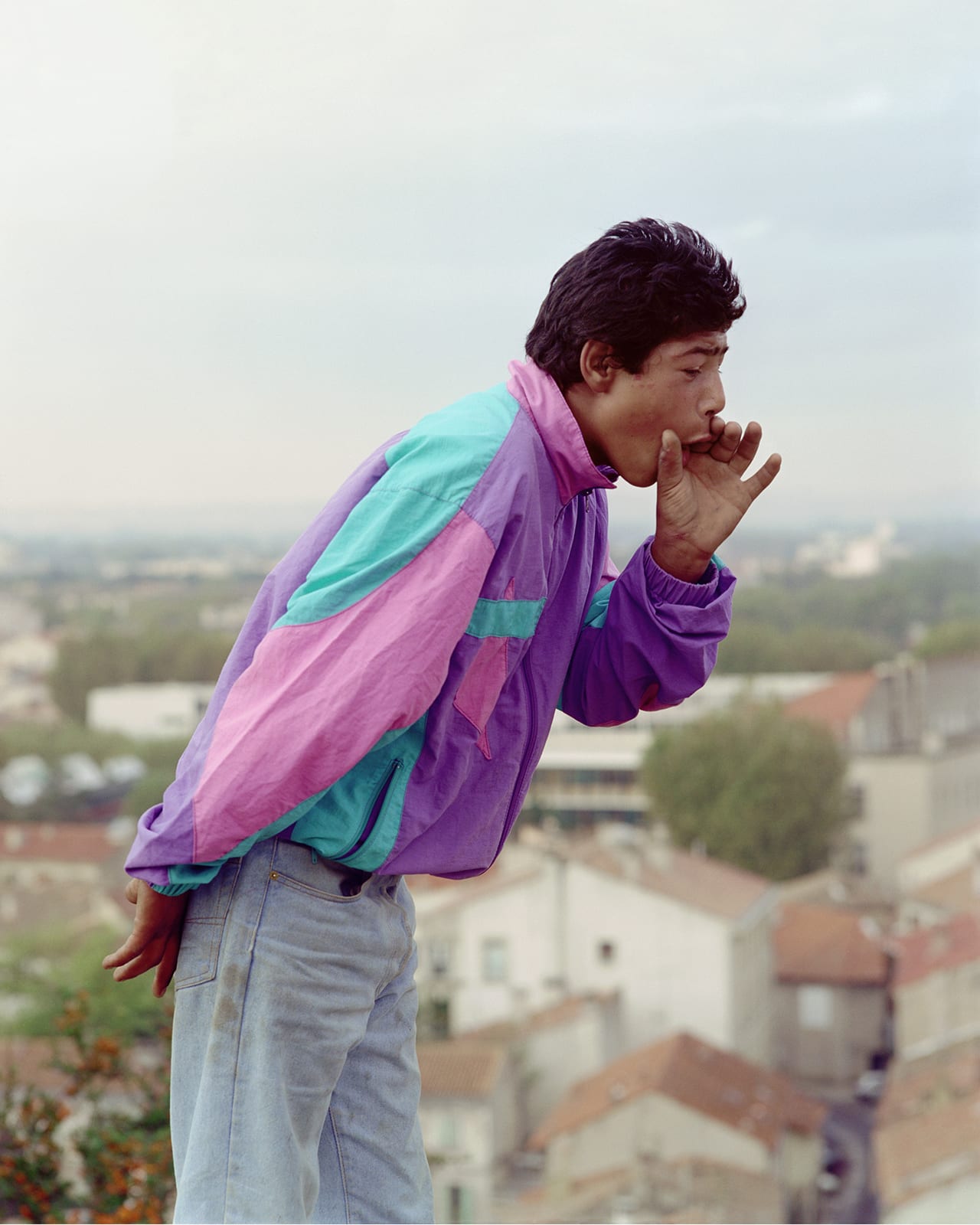
When approaching Mathieu Pernot’s 20-year-spanning work on a Roma family settled in southern France, you should leave all misconceptions and prejudices aside, as he did, and read the introduction to Les Gorgan, the photobook published by Editions Xavier Barral to accompany his critically-acclaimed exhibition at this year’s Rencontres d’Arles festival. When he began, the French photographer writes, he didn’t know anything about the Gorgan family, nor was he aware that its members had been living in France for over a century. It was to be a transformative experience, one that led Pernot to witness the birth of a child for the first time, attend funerals and engage in a type of intimacy that only time and surrender can offer.

9 November 2017