
Marigold Warner

Deputy Editor

Marigold Warner worked as an editor at BJP between 2018 and 2023. She studied English Literature and History of Art at the University of Leeds, followed by an MA in Magazine Journalism from City, University of London. Her work has been published by titles including the Telegraph Magazine, Huck, Elephant, Gal-dem, The Face, Disegno, and the Architects Journal.

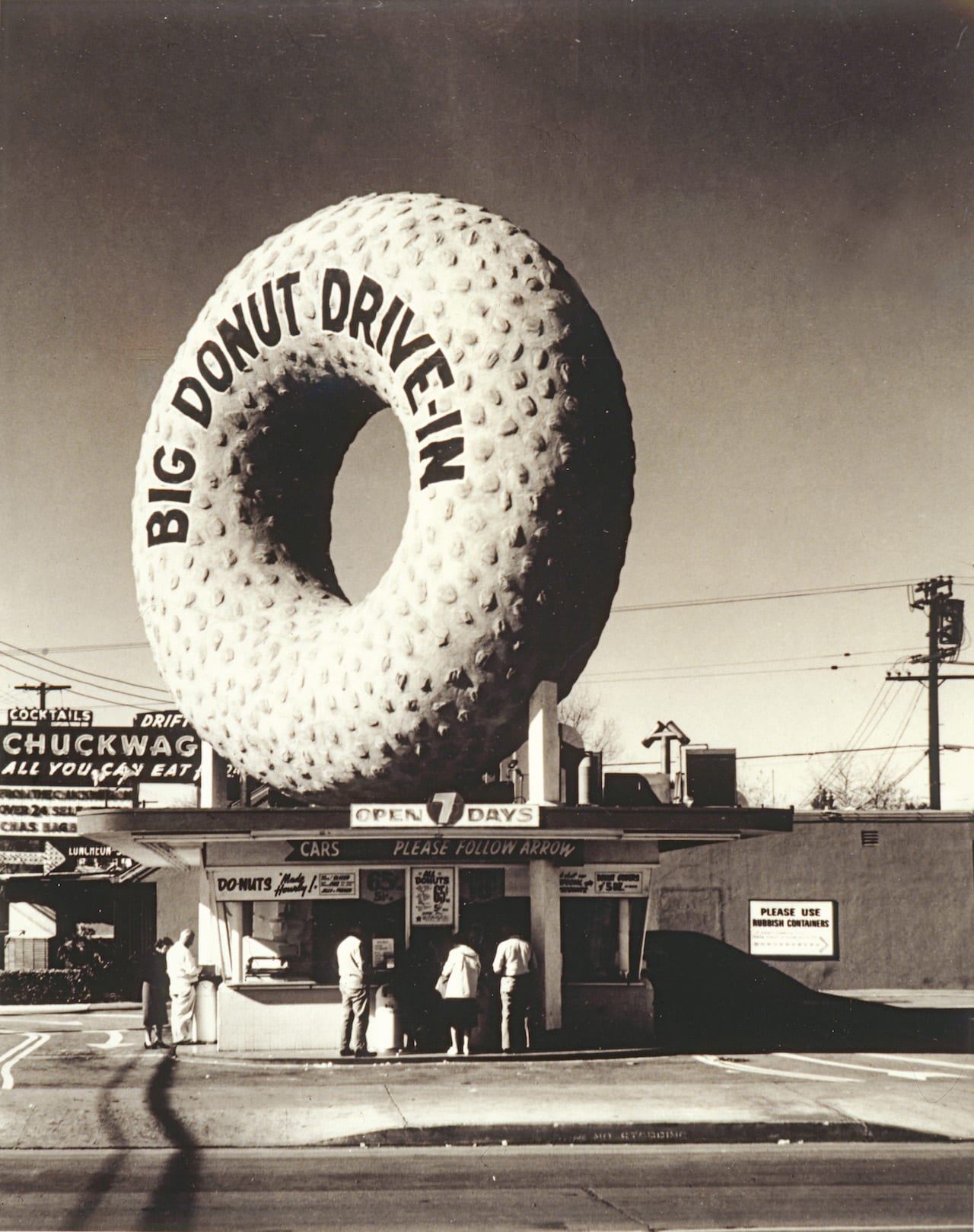
Architecture goes California Crazy

In 1920s America, at the dawn of the automobile age, diners and souvenir shops sought new, creative ways to lure drivers into their roadside establishments. The result was eccentric structures all along America’s Sunbelt, designed to be spotted from miles away. The roster includes owls, dinosaurs, coffee-pots, and even a Mexican giant standing on a roof serving nachos and beer. At the time, the architectural establishment dismissed these structures as “monstrosities”, but they flourished nevertheless, and now they’re even celebrated. 
29 May 2018

Kenji Toma’s Most Beautiful Flowers

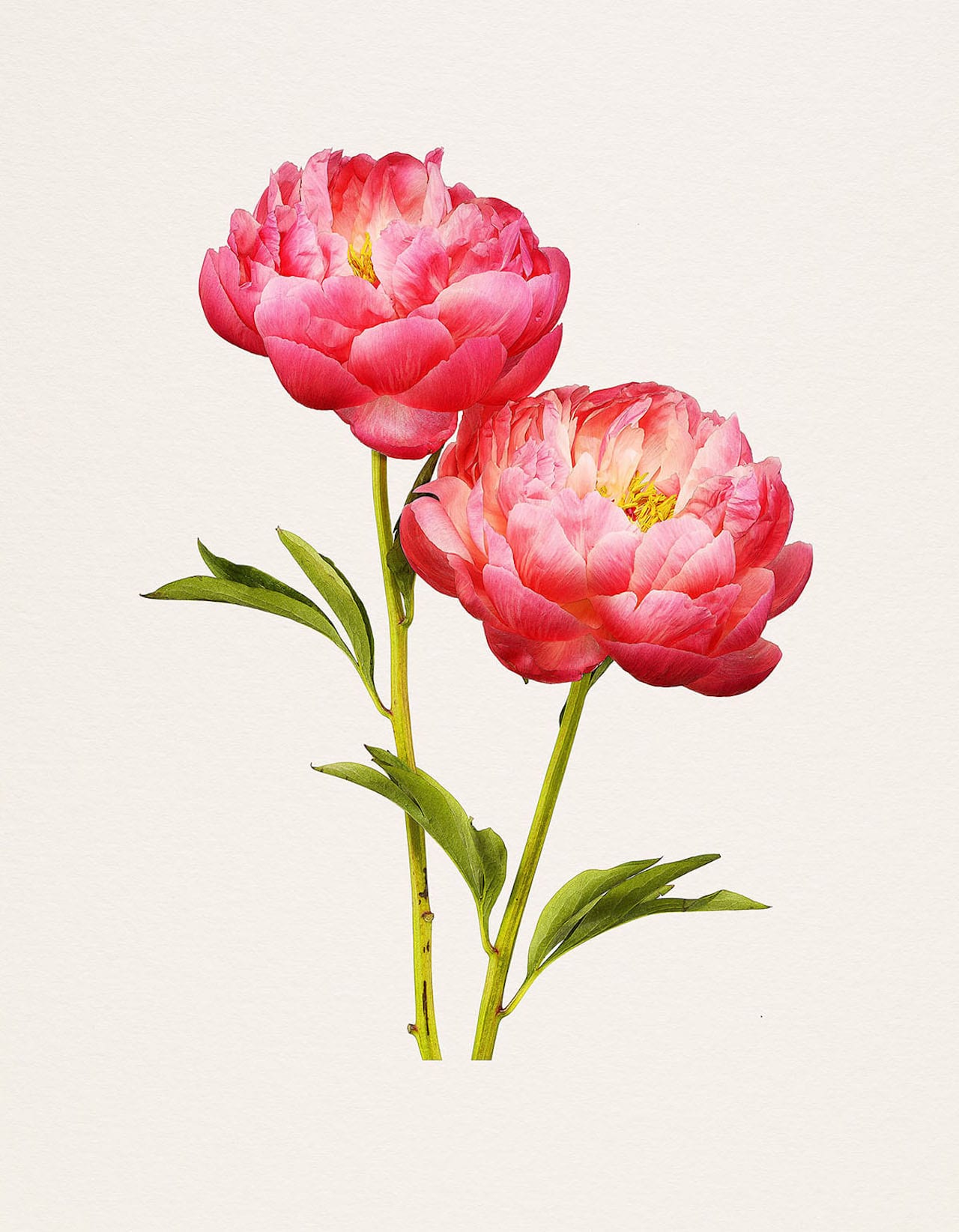
“I am just obsessed by the beauty of botanical drawings,” says Kenji Toma, describing his new book, The Most Beautiful Flowers. It’s a homage to Pierre-Joseph Redouté’s celebrated book of watercolours, Choix des plus belles fleurs [The most beautiful flowers], which was first published in France back in 1827 – long before colour photography was available. “His images were illustrated with the purpose of replicating the botanic subject as close to reality as possible,” says Toma. “I’m more interested in doing the exact opposite with photography.” His series shows hyperreal, unrealistically perfect images of flowers, each shot with the same lens, angle, and lighting, and delicately arranged with pins and armature wire. Going one step further than nature, they put a contemporary spin on the concept of the botanical encyclopaedia.

29 May 2018

Family Values: Polish Photography Now at Calvert 22

“Eastern and Central Europe has a lot of treasure in its photographic histories,” says Kate Bush, speaking about the exhibition she has curated for Calvert 22, Family Values: Polish Photography Now. It’s the first exhibition in the UK to focus exclusively on Polish photography and, says Bush, “hopefully, it will all be part of feeding a greater understanding and interest”. Family Values is part of Calvert 22’s mission to show the cultural and societal change in eastern Europe, the Balkans, Russia and Central Asia through photography, and Bush – who is adjunct curator of photography at Tate Britain – was commissioned by the gallery for the project shortly after the EU referendum. She sees the exhibition as an opportunity to celebrate London’s Polish community, the largest outside of Poland, as well as commemorating the centenary of Poland’s independence.

24 May 2018

Following female deminers in Nagorno-Karabakh

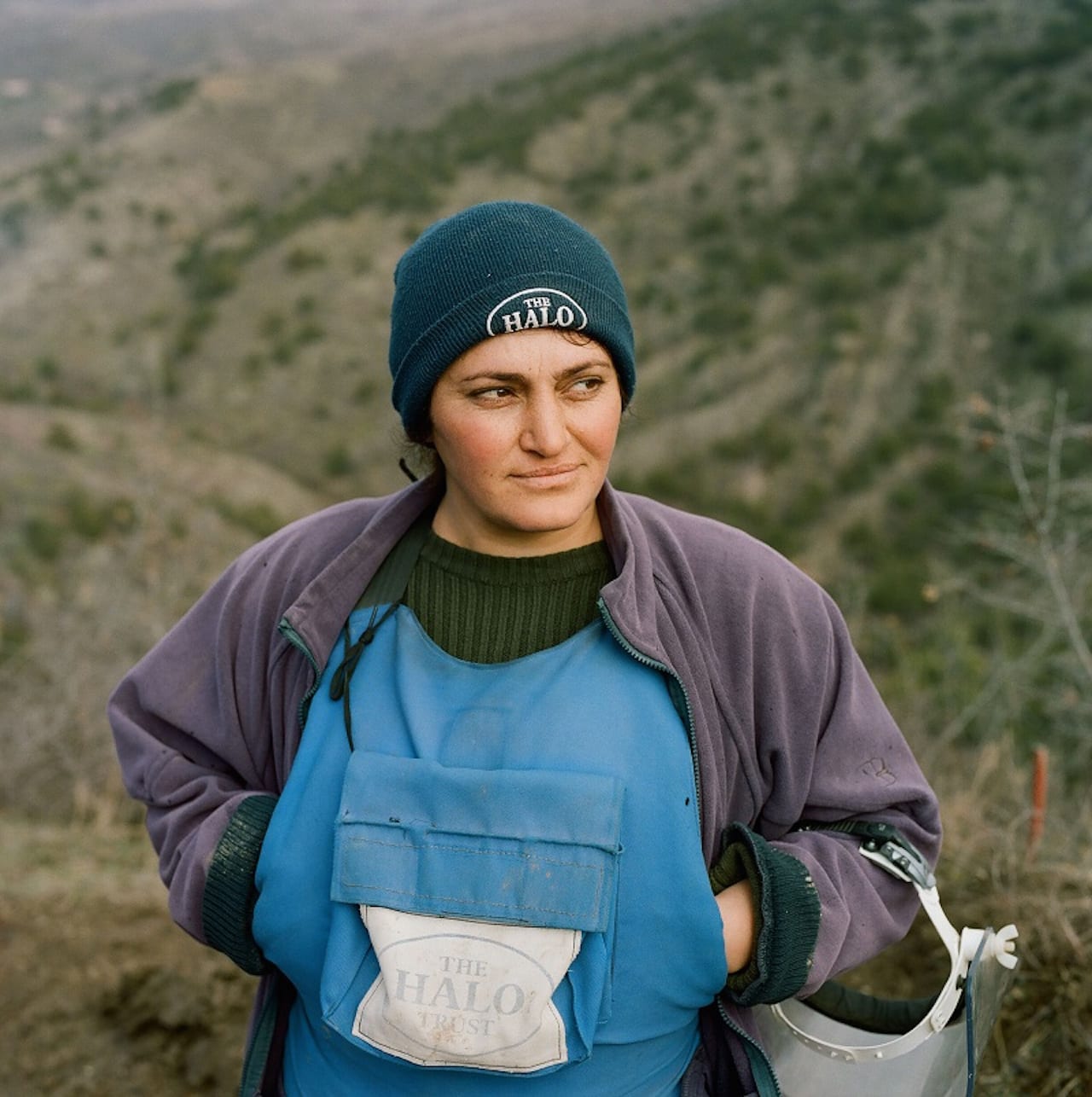
Unexploded landmines are responsible for the deaths of 15-20,000 people every year, and currently contaminate 78 countries worldwide. Nagorno Karabakh, a landlocked, mountainous region in South Caucasus, Eastern Europe, has one of the highest per capita incidences of landmine accidents in the world, and a third of the victims are children. Eva Clifford, former online writer at BJP, spent a week with the world’s largest mine clearance organisation, HALO, and their first female demining team in Nagorno Karabakh. Since employing its first female demining team in 2015, HALO now employs 11 women, with more undergoing training this year.

22 May 2018

Five women star in Work in Process

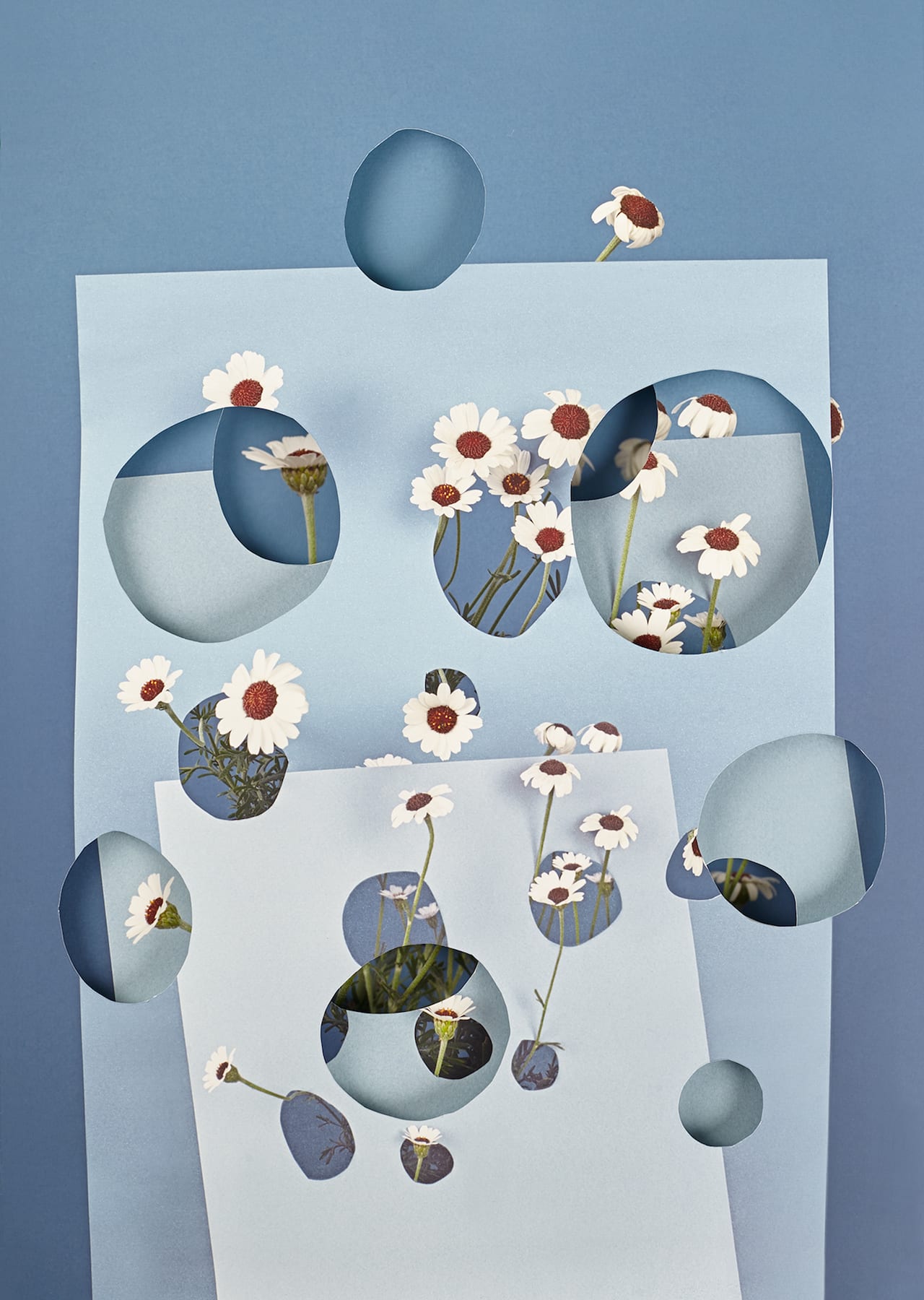
Work in Process is a new exhibition at The Print Sales Gallery, championing the work of five female contemporary artists who use alternative processes in their photography. According to Gemma Barnett, curator of the show, the initial idea was to look at artists who approach photographs as “three-dimensional objects”. She also wanted to focus on women and their approach to photography, which in turn “gave a much more personal feeling” to the exhibition. 

21 May 2018

Photo London: Killed Negatives at the Whitechapel Gallery

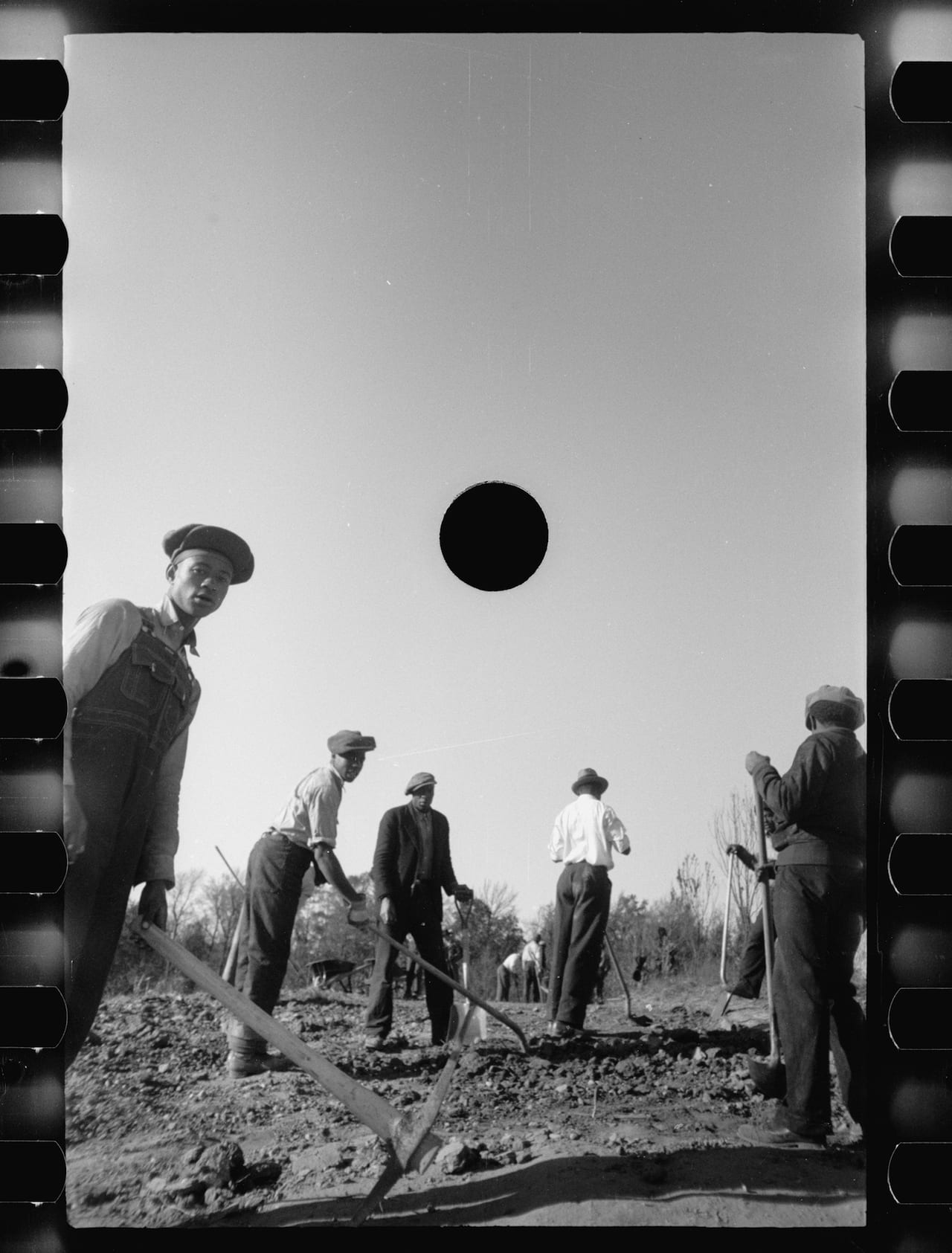
In 1935 Roy E. Stryker, head of the Information division of the Farm Security Administration (FSA), commissioned several photographers – including Walker Evans, Dorothea Lange and Russell Lee – to document America’s farm life and workers. The USA was in the throes of the Great Depression, and the scenes that the image-makers captured, from 1935-1944, created a damning and lasting vision of destitution. Lange’s 1936 portrait of the so-called Migrant Mother became a symbol of the plight of the impoverished itinerant farmers, for example – and, for Stryker, summed up his entire project at the FSA. “She has all the suffering of mankind in her but all of the perseverance too,” he reportedly said. “A restraint and a strange courage. You can see anything you want to in her. She is immortal.” As Stryker’s words suggest, he had a very particular vision of what he wanted to achieve with these photographs. Images that did not fit in with that vision were ruthlessly “killed” – rendered unpublishable by having a hole punched through the negative. Thousands of photographs were defaced in this way, in an act of censorship that has since been described as vandalism.

16 May 2018

Photo London: Léonie Hampton’s Mend at the Italian Cultural Institute

For Léonie Hampton, photography is a tool to connect with the present moment. “I use it to explore the experience of being in a place, and being in that moment in time,” she says. Most recently this approach inspired Mend, her project for the 2017 Rome Commission which will be on show at the Italian Cultural Institute as part of Photo London this week. “Rome is a great place to explore the idea of being in the present,” says Hampton, “because everywhere you go there are layers of time, visually and architecturally”.

15 May 2018

Alexander Montague-Sparey announced as Fotografiska London’s curator

Swedish organisation Fotografiska has announced Alexander Montague-Sparey as the chief curator of their new gallery in London. He will oversee the exhibition programme for all seven spaces in the London venue, which will open in Whitechapel later this year. Montague-Sparey is an independent curator who has worked with a variety of private clients including collectors, art fairs and museums. He holds a Masters Degree in Art History from the University of Oxford, and is a photography specialist. “Fotografiska London’s seven exhibition spaces will allow for the display of some of the most cutting-edge and accomplished international photo and video artists,” he told BJP. “The venue in Stockholm has become one of the foremost international spaces dedicated to contemporary photography in the world. I look forward to advancing the discussion in this state of the art space, in London’s most exciting and creative postcode.”

15 May 2018

Photo London: Foam Talent

Foam Talent returns to London, with an exhibition of forward-thinking photographers under the age of 35 including Alinka Echeverria (UK/Mexico), Weronika Gęsicka (Poland), Namsa Leuba (Switzerland/Guinea), Erik Madigan Heck (USA), Viacheslav Poliakov (Ukraine), Harit Srikhao (Thailand), and Vasantha Yogananthan (France). This year 1790 artists responded to Foam Fotografiemuseum Amsterdam’s annual talent call, and the 20 selected photographers were picked out for their experimental approaches to the medium. The new generation of artists explore a variety of subjects, says Foam, including several photographers openly denouncing the totalitarian regimes of their countries.

15 May 2018