
Marigold Warner

Deputy Editor

Marigold Warner worked as an editor at BJP between 2018 and 2023. She studied English Literature and History of Art at the University of Leeds, followed by an MA in Magazine Journalism from City, University of London. Her work has been published by titles including the Telegraph Magazine, Huck, Elephant, Gal-dem, The Face, Disegno, and the Architects Journal.

What To Do With A Million Years by Juno Calypso

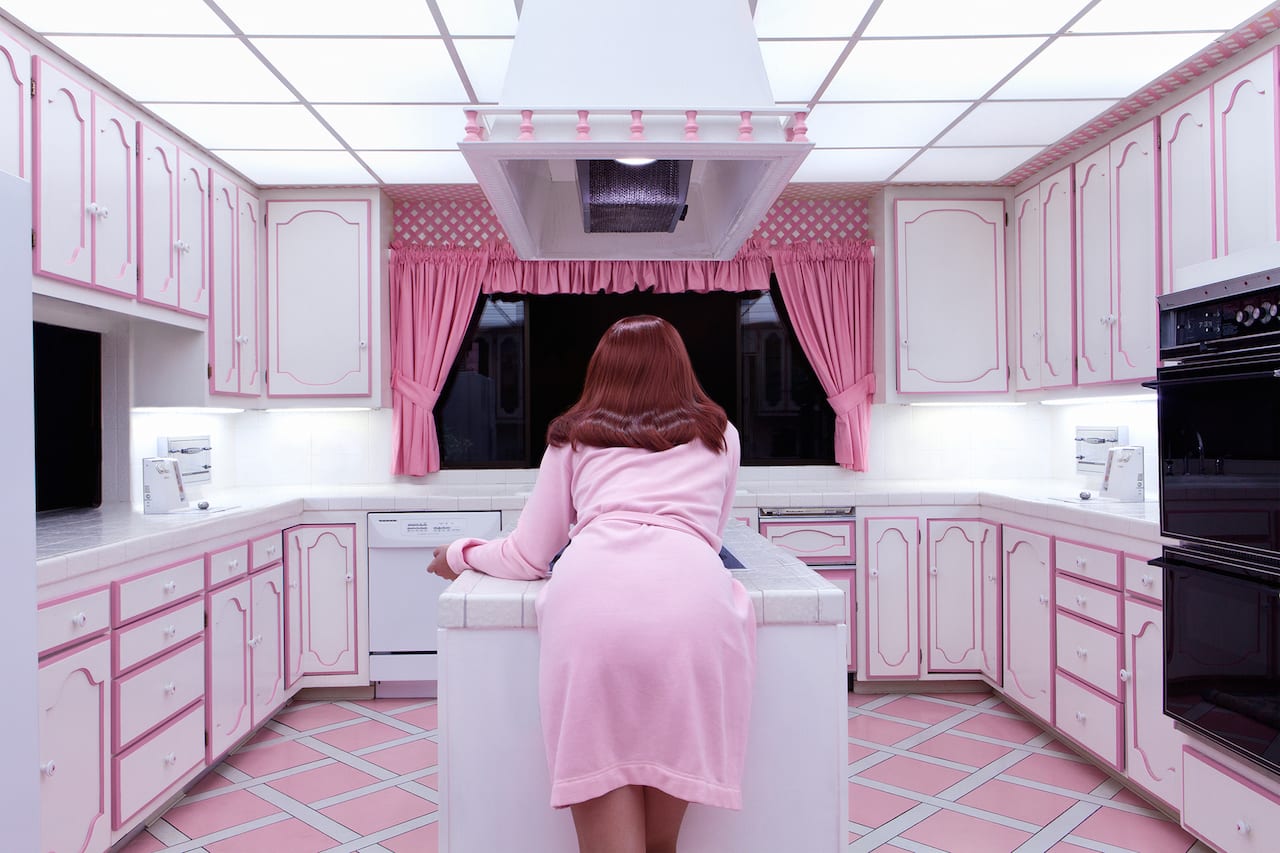
Under the back garden of an unremarkable family home in Las Vegas is an extraordinary 16,000sq ft, all-pink, bomb-proof bunker. Inside are decadent bedrooms decorated with crystal chandeliers and baby pink wallpaper, and a bathrooms with a hot-pink toilet, white marble hot tub, and opulent golden fittings. Surrounding the house is a hand-painted mural of the countryside, and an underground garden with a swimming pool and fake trees growing out of a carpet that stands in for grass.

“It’s basically a house within a house,” explains Juno Calypso, who spent three days of solitude in the bunker, for her project What To Do With A Million Years. Designed to be safe from any disaster or intruder, the bunker was built in 1964 by Avon cosmetics founder Gerry Henderson and his wife, who were terrified of a potential nuclear breakout in the advent of the cold war.

Calypso is currently showing the series at London’s TJ Boulting gallery, and has transformed the basement space into a version of the garden, complete with fake plants, eerie mood lighting, and a soundtrack of soft romantic rock that plays against the continuous sound of running water from a stone fountain in the corner.

11 June 2018

Karim El Maktafi on life with dual heritage

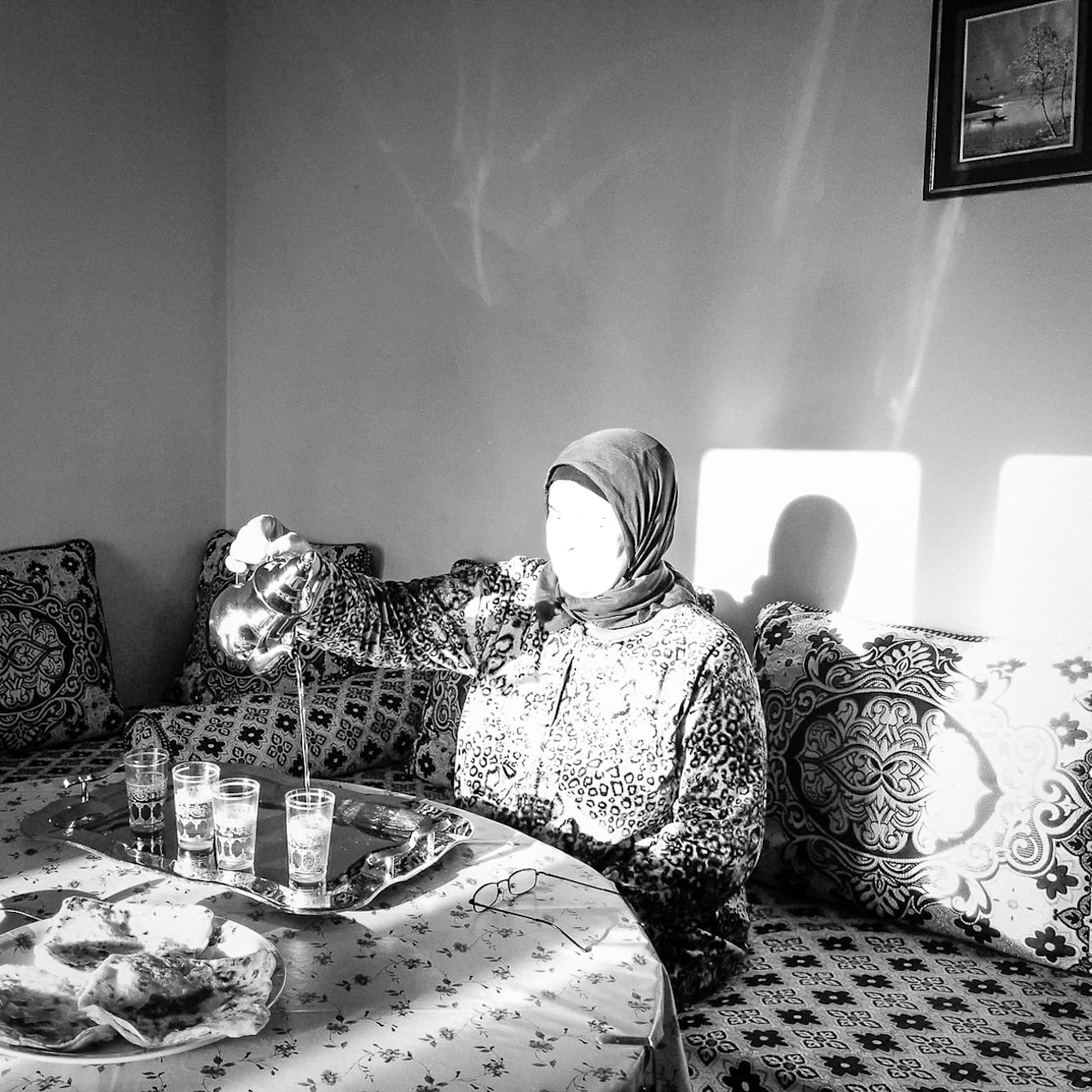
Hayati, meaning “my life” in Arabic, reflects on photographer Karim El Maktafi’s dual identity as a second-generation Italian born to Moroccan parents. The images were taken in both Italy and Morocco, and are all shot on an iPhone SE [Special Edition] – for a couple of reasons.

El Maktafi got into image-making via smartphones as a teen, after using them to take photographs of his friends. After graduating from the Italian Institute of Photography in 2013, he decided to return to the device with a more trained eye, when he decided to shoot Hayati.

He also uses a smartphone camera is because it’s less intrusive. El Maktafi’s family were against him photographing them, and in general don’t approve of photography as a career, which is why their faces are either cropped out or disguised by rays of light in the project. Using a smaller camera proved gentler way to record them, and the many other people involved.

6 June 2018

Out of time with Géraldine Lay

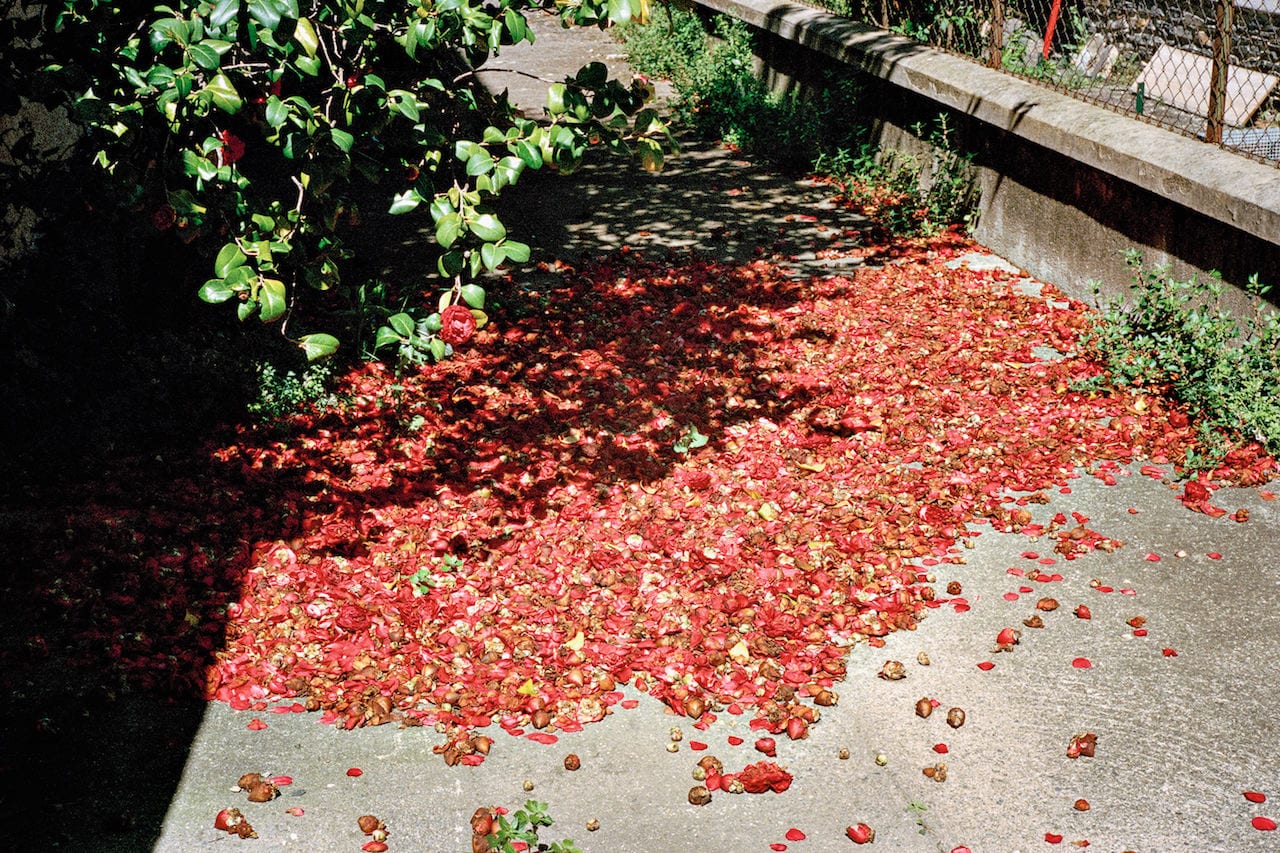
In classical music, ‘impromptu’ refers to a short improvised piece, performed spontaneously with little or no preparation. Géraldine Lay’s new book, Impromptus, is a visual take on the term, aiming “not to tell a story about the place or the country, but to be out of time”.

Lay first encountered photography during her course in History of Art at the University of Lyon; studying the history of the medium, she was bitten by the photography bug, and went on to study at the National Photography School. She graduated in 1997, and is now based in Arles.

“Initially, my practice was part of my daily life, I had no preconceived ideas or strict subject,” says Lay. “I got into the habit of always having a camera with me, to take advantage of all the little moments of life.”

6 June 2018

Mitch Epstein’s Rocks and Clouds

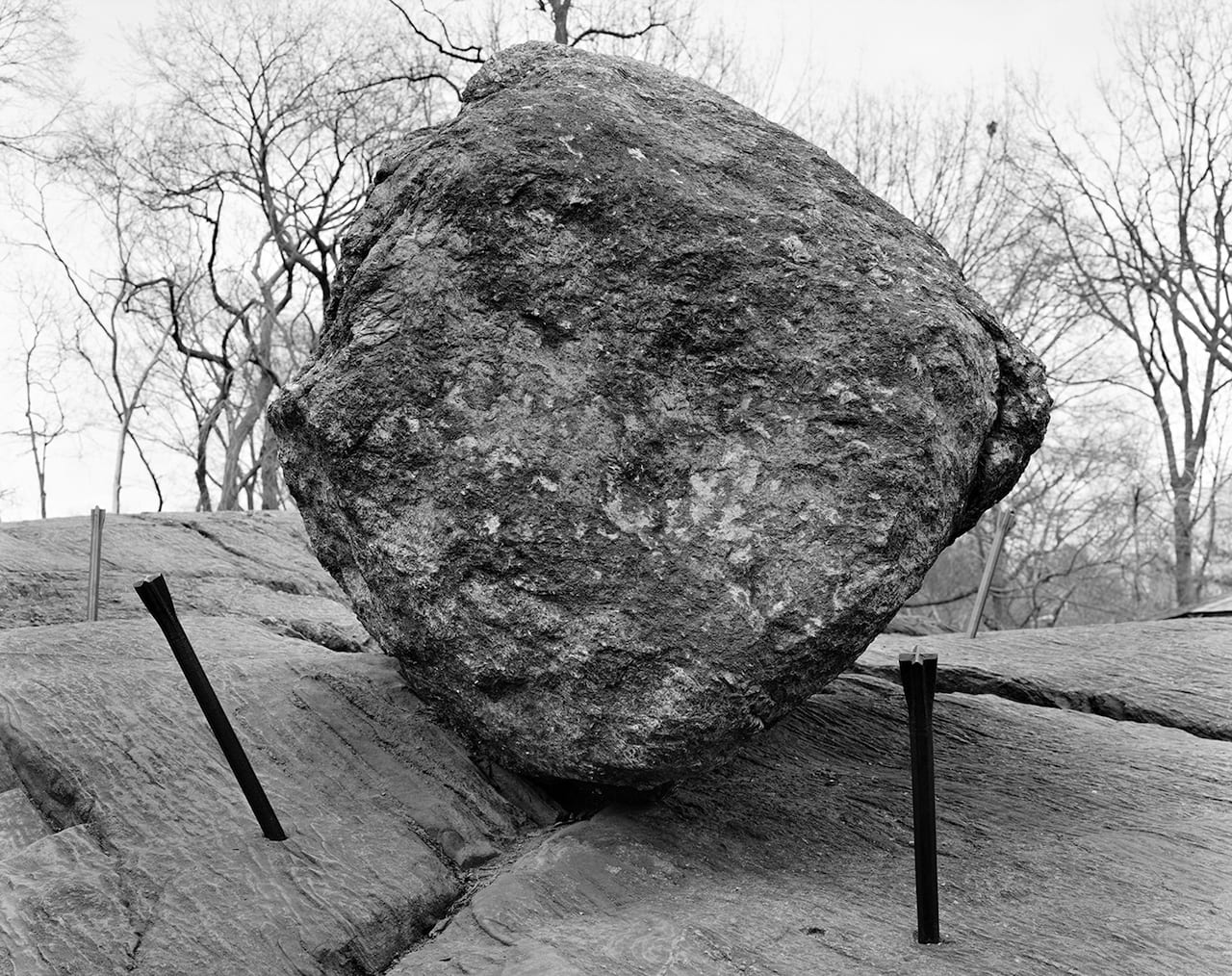
“I’m one of those people who enjoy feeling like they have control over their life,” writes Mitch Epstein in Rocks and Clouds. “My house is spare and neat, my photographic expeditions are well-planned. Here’s the thing about clouds: they don’t give a damn if you planned well or not.”

Despite having spent years confronting the FBI as he shot power plants throughout America, and photographing his father as he faced the failure of his business, clouds ended up being one of Epstein’s trickier subjects. “I’m really just at the mercy of the unexpected and nature itself,” he says, adding that shooting clouds requires malleability and intuition – both of which are central to his practice.

5 June 2018

Into the Forest with Yan Wang Preston

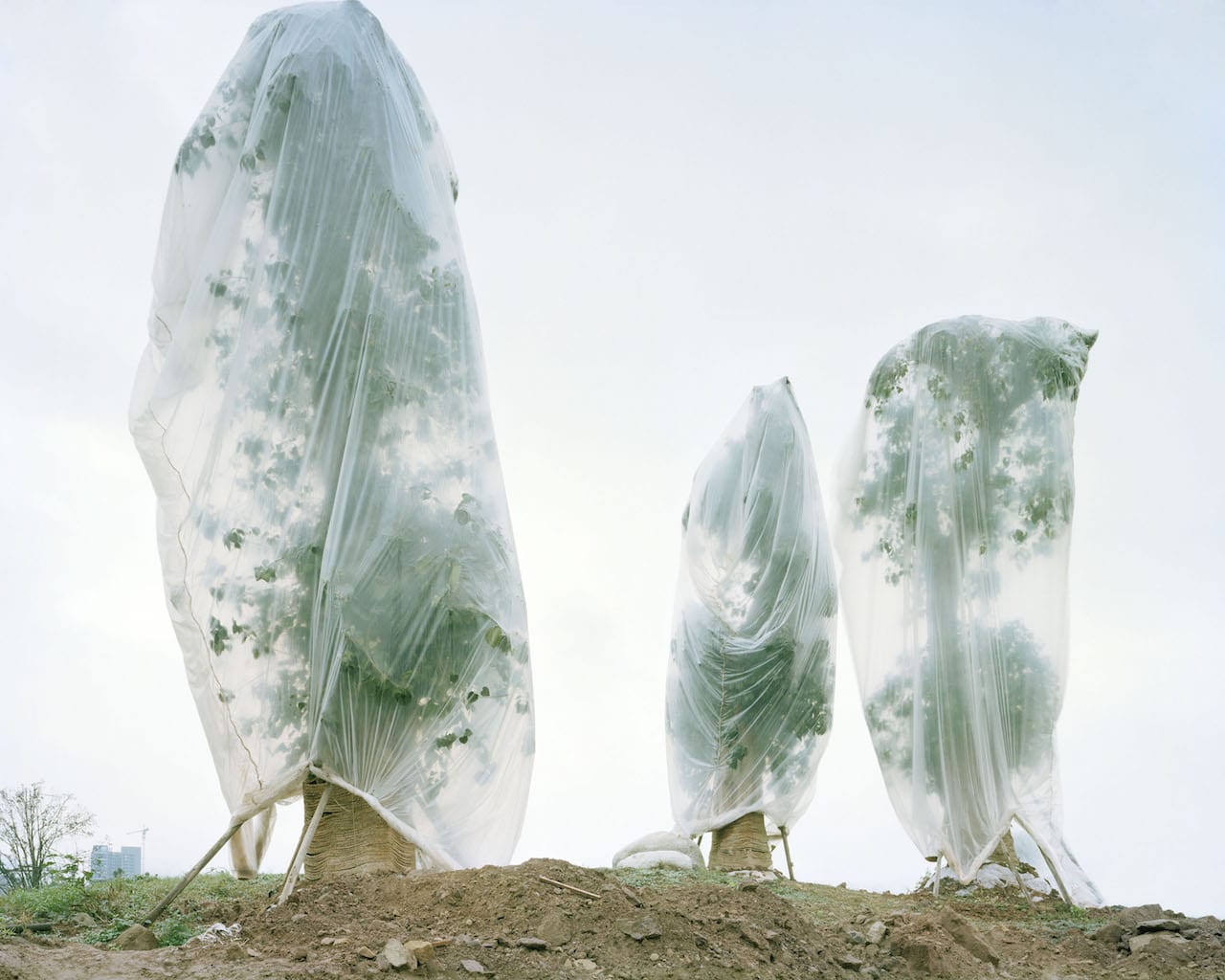
In Chongqing, the largest city in southwest China, city officials have been planting trees for over a decade, aiming to create a “forest city”. But after investigating the origins of these trees, photographer Yan Wang Preston uncovered a troubling process. “The whole concept of trying to be green is being abused,” she says.

By way of example, she tells the story of Frank – a 300 year-old tree that’s a central character in her new book, Forest. When Preston first encountered Frank in 2013, he was being forcefully removed from a small village that was soon to be flooded by one of the Yangtze River dams. Frank was sold to the owners of a five-star hotel in a nearby county for 250,000 RMB, approximately £30,000. When asked whether the tree would survive, one of the guards replied with pride, reassuring Preston that they were all experts at transplanting trees.

But when she returned in 2017, Frank had been dead for over two years – and so had the tree that had followed it. “The older the trees are, they more likely they will die, because it’s hard for them to adapt to a new environment,” says Preston. “I’m interested in the complicity of this whole thing. For the tree, it’s very sad to be relocated. But then, the ultimate motivation is to be closer to nature”.

4 June 2018

Arielle Bobb-Willis’ darker shade of bright

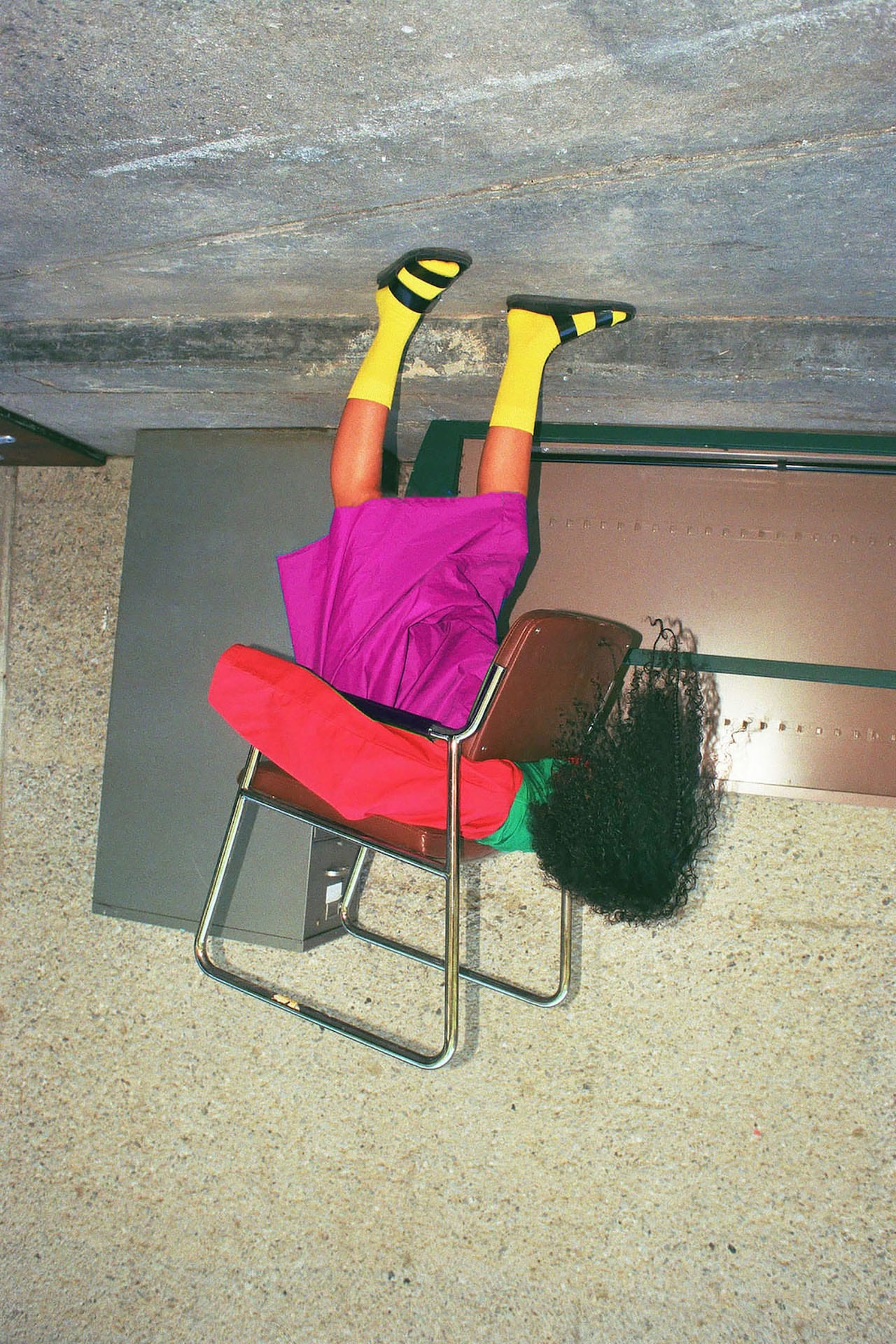
“Anxiety is universal,” says Arielle Bobb-Willis. “Some people paint, others do yoga or exercise [to help manage it]. Whatever it is, everyone can find something to make them feel more present. I was just lucky to have found mine early in my life.”

At first glance, Bobb-Willis’ work is happy and lighthearted – full of colour and movement. But there is also an uneasy element to her work, in the, often faceless, models’ awkward positions. “When you dig a little deeper, you see that part of me that was in a depressive state,” says Bobb-Willis, “All the uncomfortable positions I have been in, it plays a huge role in my work.”

31 May 2018

Windrush: Portrait of a Generation by Jim Grover

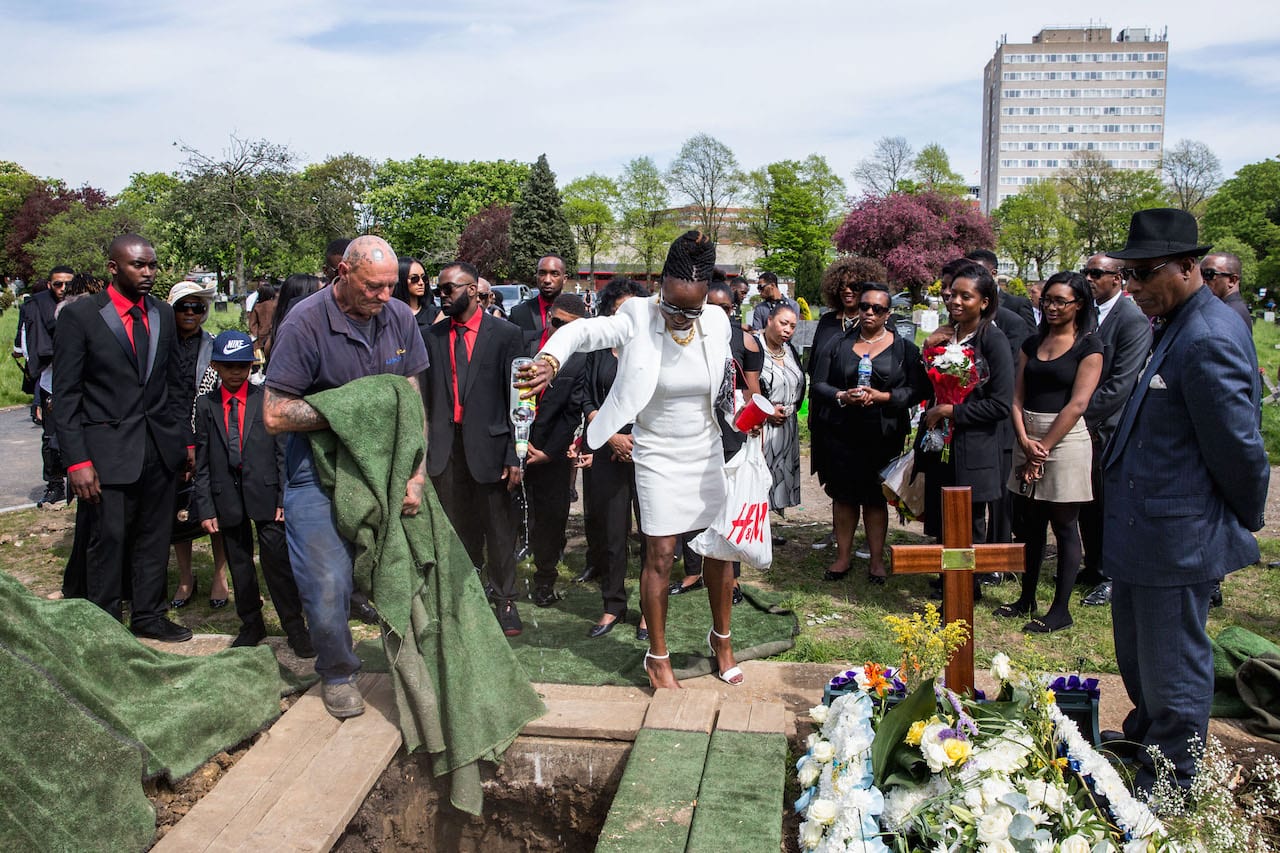
70 years ago, on 22 June 1948, HMT Empire Windrush anchored at Tilbury Docks, Essex, carrying 492 men, women, and children from former British Caribbean colonies, who came to be known as the “Windrush generation”. They crossed the Atlantic in response to Britain’s post-war labour shortages, and are now recognised to have transformed vital parts aspects of British society. Amid the recent scandals surrounding the mistreatment of the Windrushers by the Home Office, Jim Grover’s Windrush: Portrait of a Generation seeks to give a more intimate insight into the lives of one community of Caribbean migrants – and their families – who made a corner of South London their home. On show at gallery@oxo until 10 June, the exhibition doesn’t specifically address current issues, but Grover hopes it will help celebrate a group which “truly deserves our respect and admiration”. 

29 May 2018

Architecture goes California Crazy

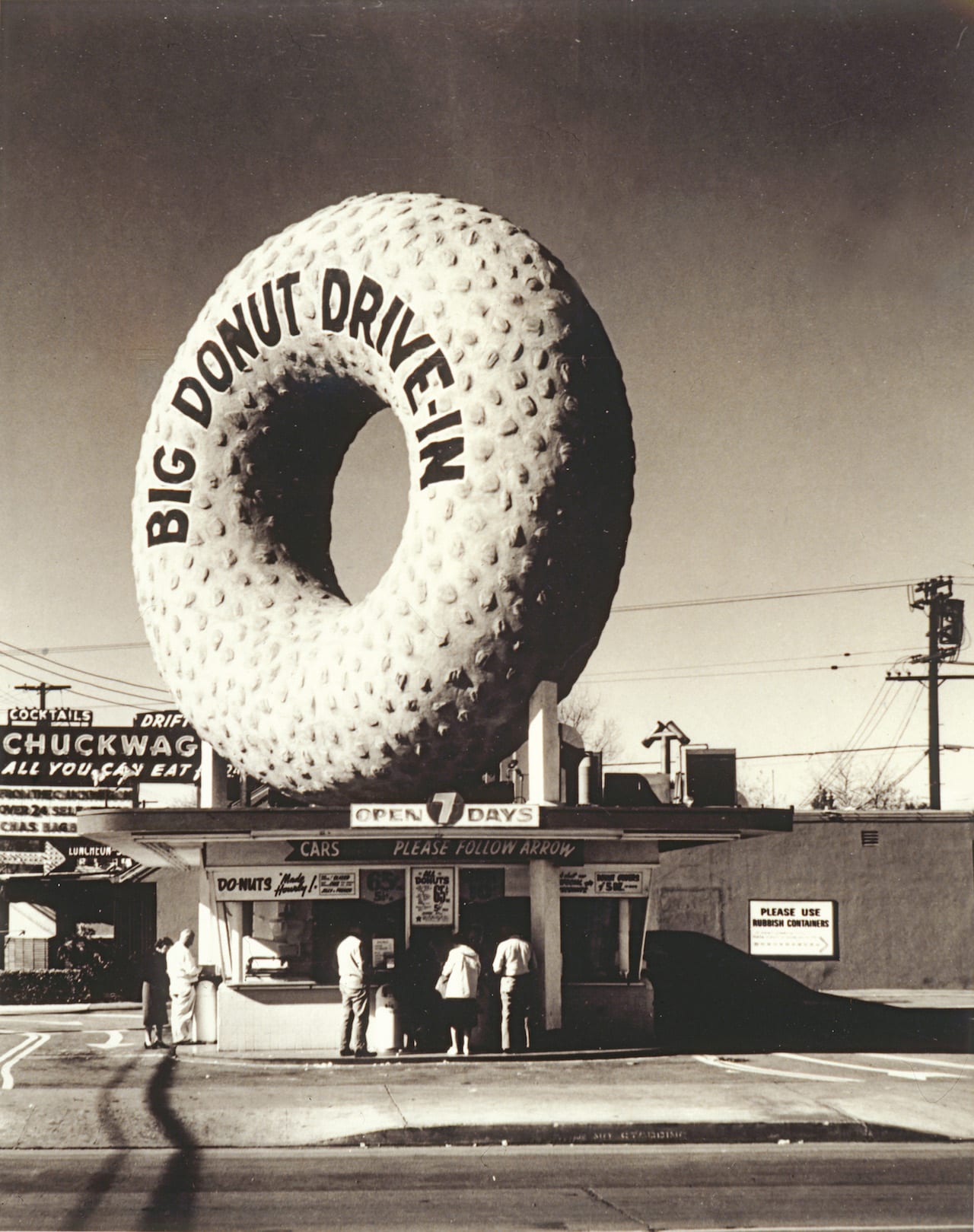
In 1920s America, at the dawn of the automobile age, diners and souvenir shops sought new, creative ways to lure drivers into their roadside establishments. The result was eccentric structures all along America’s Sunbelt, designed to be spotted from miles away. The roster includes owls, dinosaurs, coffee-pots, and even a Mexican giant standing on a roof serving nachos and beer. At the time, the architectural establishment dismissed these structures as “monstrosities”, but they flourished nevertheless, and now they’re even celebrated. 

29 May 2018

Kenji Toma’s Most Beautiful Flowers

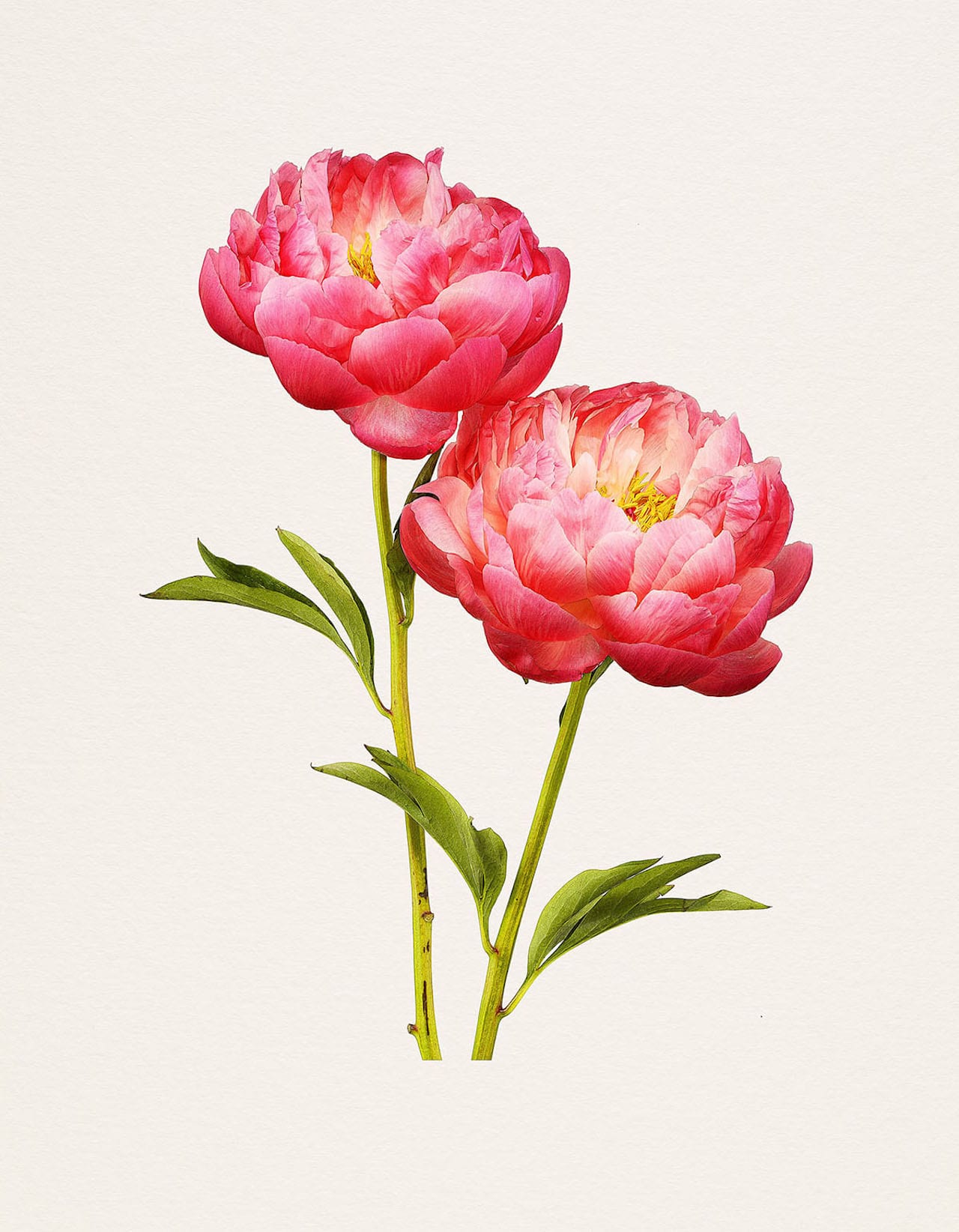
“I am just obsessed by the beauty of botanical drawings,” says Kenji Toma, describing his new book, The Most Beautiful Flowers. It’s a homage to Pierre-Joseph Redouté’s celebrated book of watercolours, Choix des plus belles fleurs [The most beautiful flowers], which was first published in France back in 1827 – long before colour photography was available. “His images were illustrated with the purpose of replicating the botanic subject as close to reality as possible,” says Toma. “I’m more interested in doing the exact opposite with photography.” His series shows hyperreal, unrealistically perfect images of flowers, each shot with the same lens, angle, and lighting, and delicately arranged with pins and armature wire. Going one step further than nature, they put a contemporary spin on the concept of the botanical encyclopaedia.

29 May 2018

Family Values: Polish Photography Now at Calvert 22

“Eastern and Central Europe has a lot of treasure in its photographic histories,” says Kate Bush, speaking about the exhibition she has curated for Calvert 22, Family Values: Polish Photography Now. It’s the first exhibition in the UK to focus exclusively on Polish photography and, says Bush, “hopefully, it will all be part of feeding a greater understanding and interest”. Family Values is part of Calvert 22’s mission to show the cultural and societal change in eastern Europe, the Balkans, Russia and Central Asia through photography, and Bush – who is adjunct curator of photography at Tate Britain – was commissioned by the gallery for the project shortly after the EU referendum. She sees the exhibition as an opportunity to celebrate London’s Polish community, the largest outside of Poland, as well as commemorating the centenary of Poland’s independence.

24 May 2018