

42 shortlisted photographers have been announced for The Gomma Photography Grant – a prize for emerging image-makers
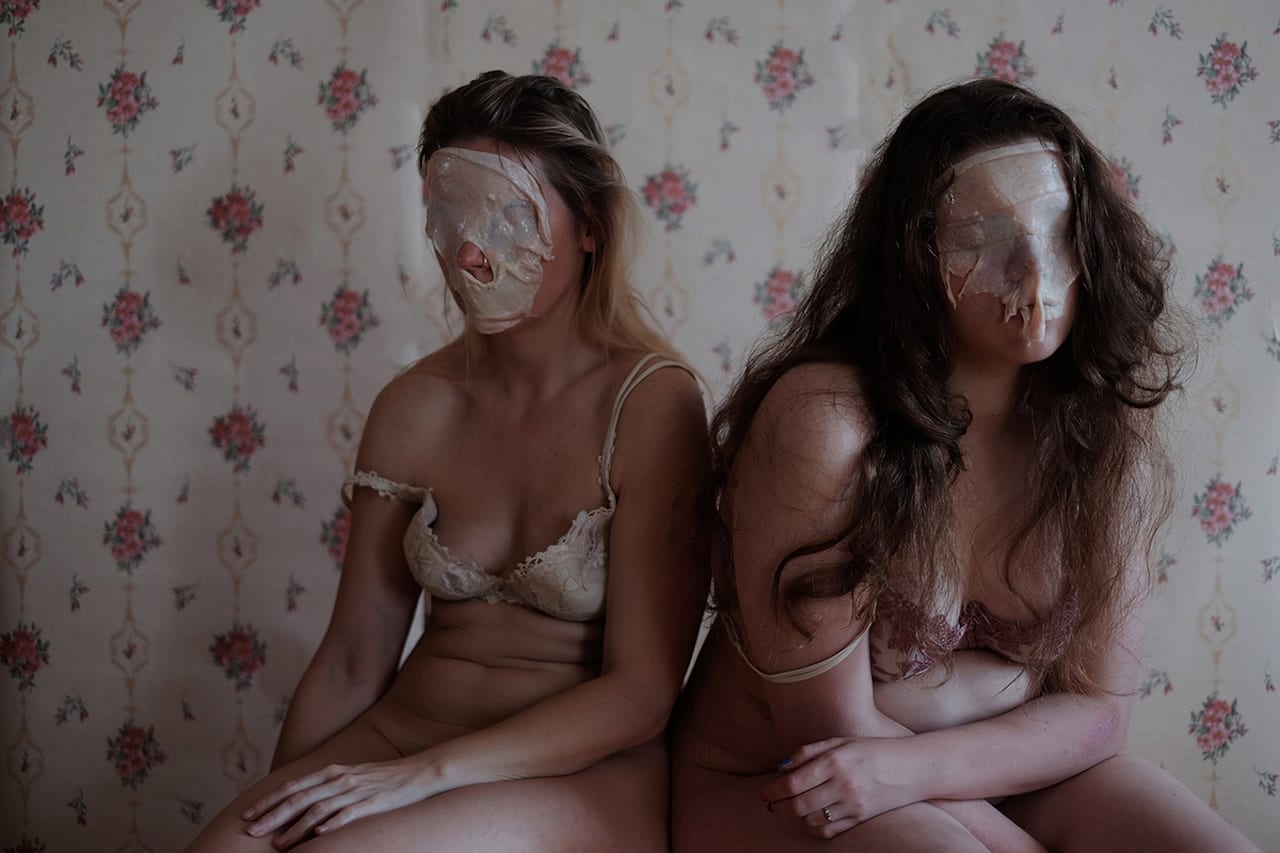

42 shortlisted photographers have been announced for The Gomma Photography Grant – a prize for emerging image-makers
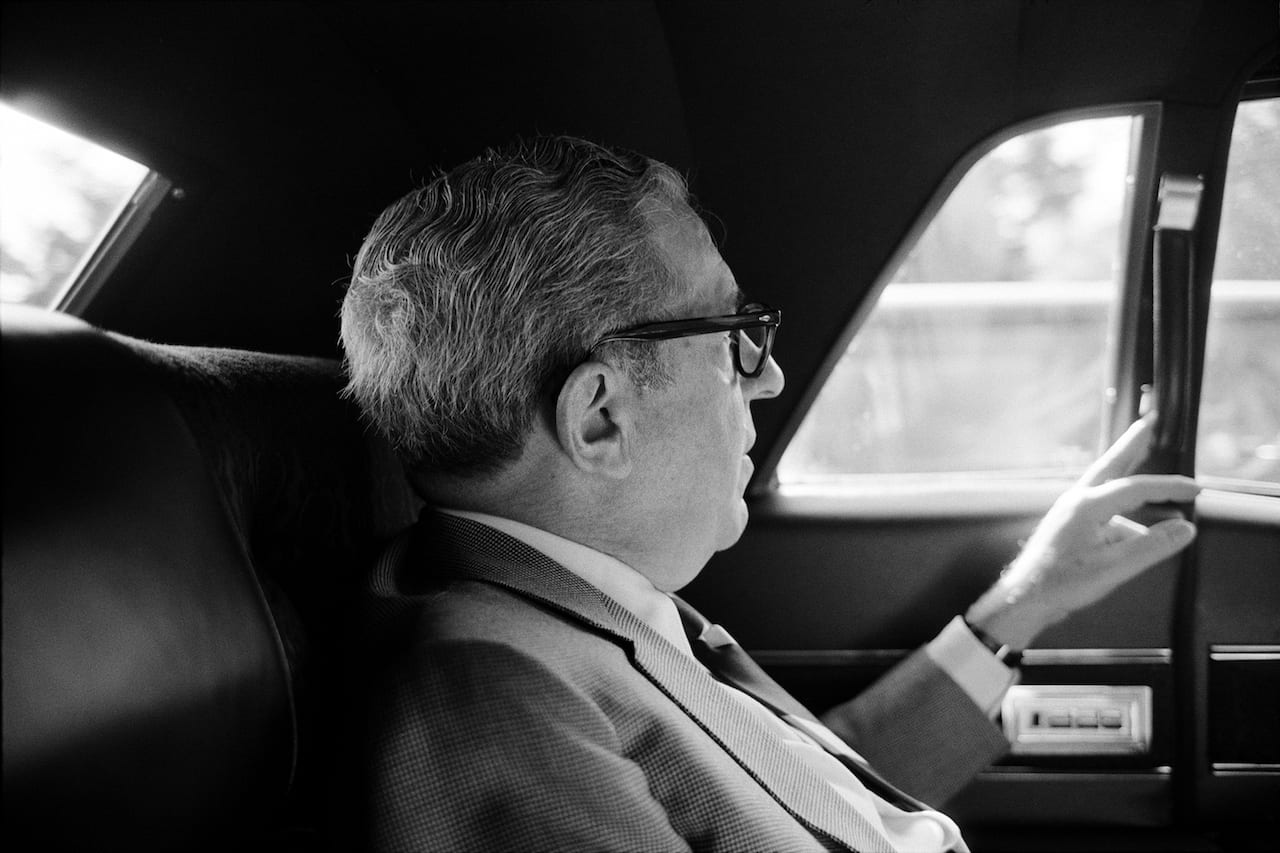
Photo London is back at Somerset House this May for its fifth instalment, with a special exhibition of new and unseen work by this year’s Master of Photography, Stephen Shore, plus Vivian Maier, Roger Fenton, Eamonn Doyle, almost 100 galleries from 21 different countries, and a giant egg sculpture.
Known for his pioneering use of colour photography, Shore’s newest body of work will be shown for the first time in the UK at the fair, as well as a series of 60 small photographs titled Los Angeles, taken through a single day in the city in 1969. “We are honoured to present Stephen Shore as our 2019 Master of Photography,” said Photo London’s founding directors Michael Benson and Fariba Farshad. “As his recent retrospective at MOMA (New York) admirably demonstrated, Stephen is a truly pioneering photographer who has consistently pushed the boundaries of image making throughout a long and successful career.”
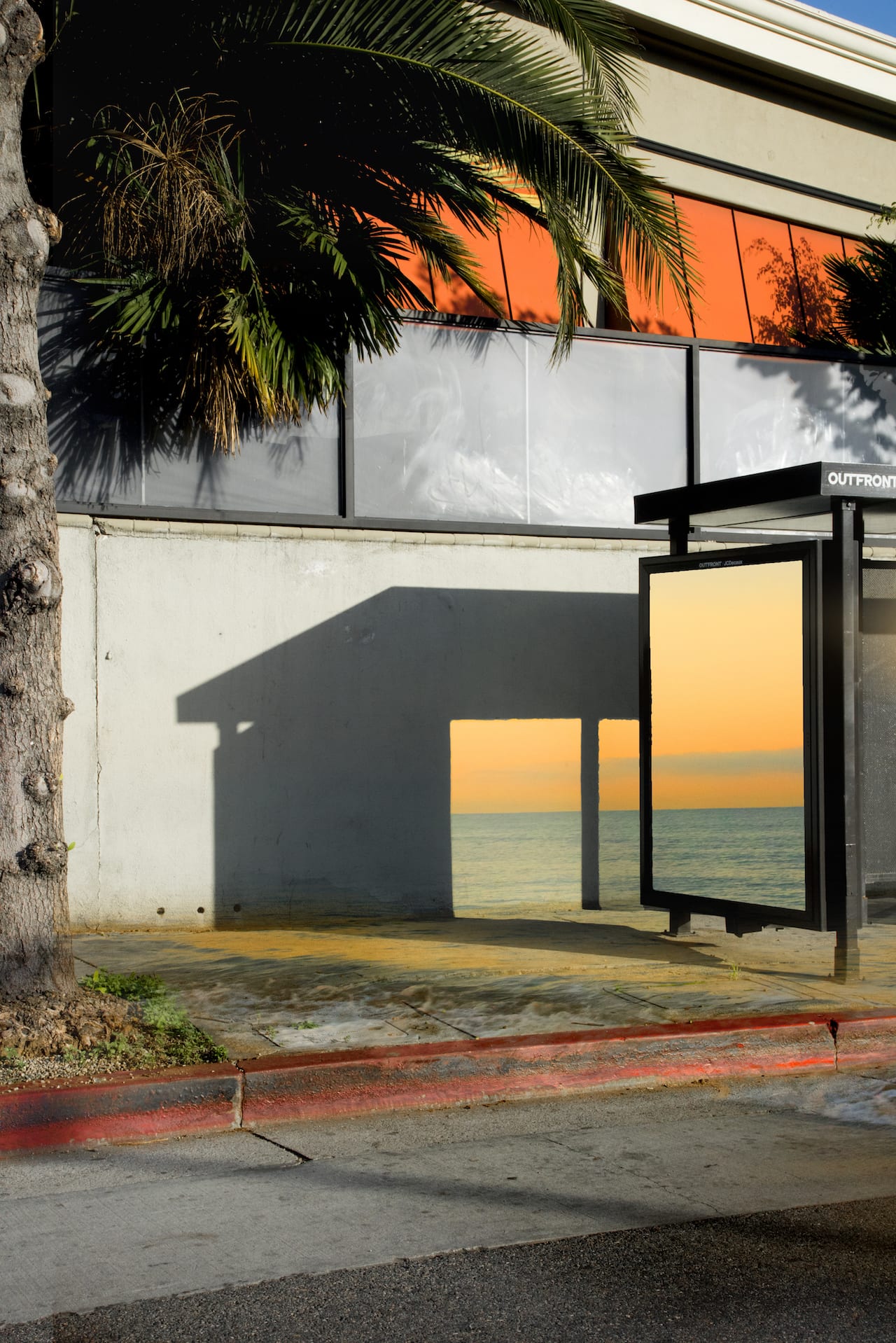
When Kanghee Kim started making photographs, it was out of frustration. Due to visa complications,…
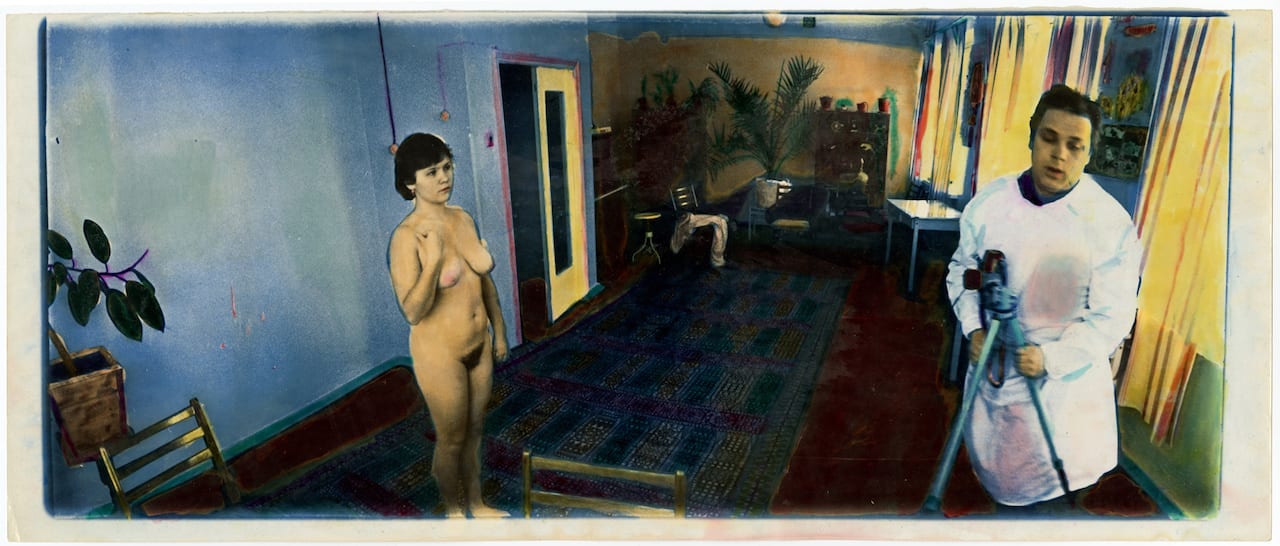
If you wanted to become a professional photographer in the Soviet Union, says Victor Kochetov, you only had two options. Either you could work at an atelier producing pictures for books or postcards, or you could work for the press – and both meant conforming to the ideological pressure of the state. Kochetov chose the first option, and through the 1960s he worked as a commercial photographer in Kharkiv, Ukraine, photographing events such as weddings and funerals, and providing images for books on travel.
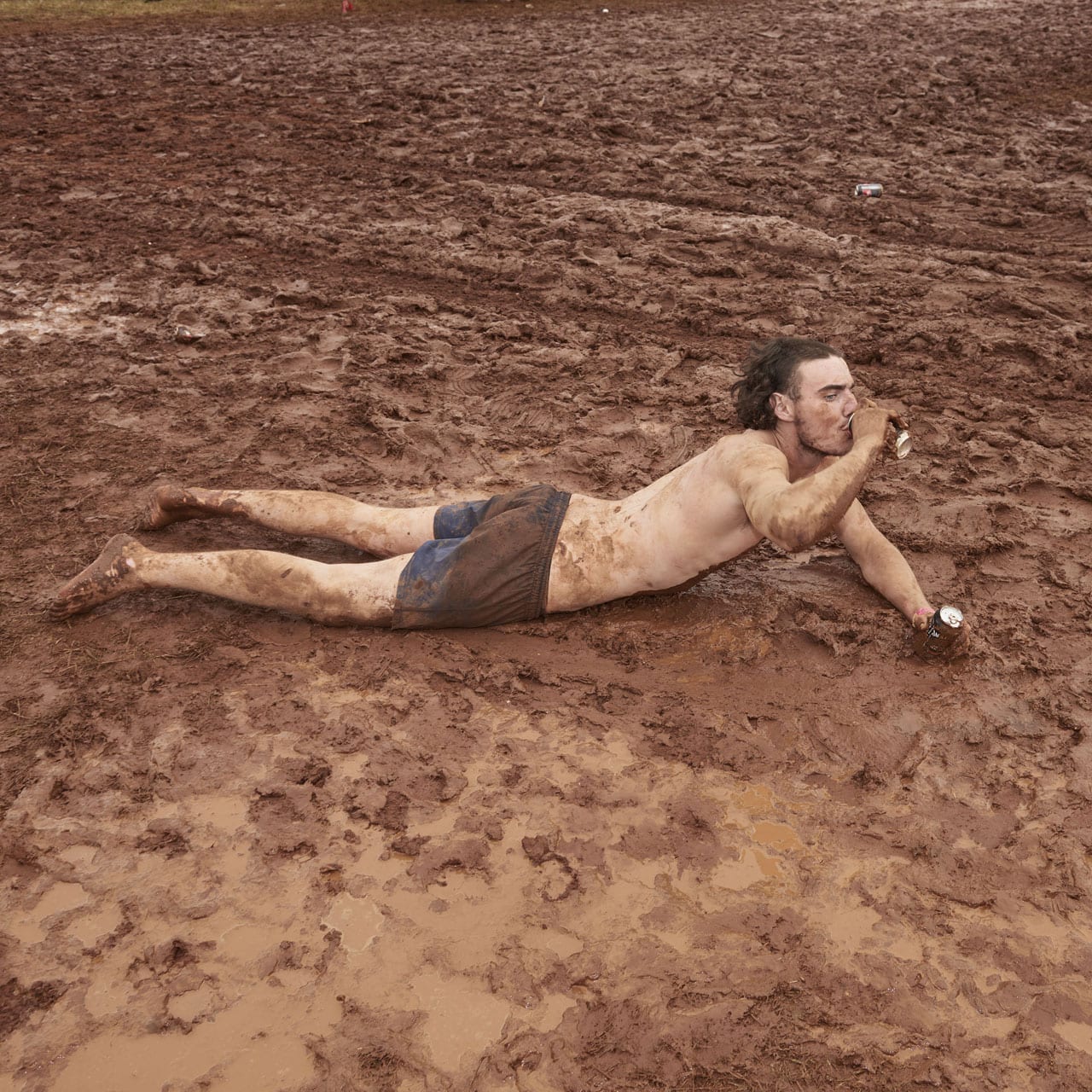
“I was quite scared to begin with,” says Ingvar Kenne, who has now been to ten Bachelor and Spinster (B&S) Balls, all in different regions of the Australian outback. “It’s by far one of the most intense things I’ve ever experienced. It’s full on, and non-stop.”
B&S Balls are notoriously drunken and raucous. They were originally set up to give young people in rural Australia the rare opportunity to meet a potential life partner. Nowadays they are mostly an excuse to party and let loose, but many of the old traditions have stuck, and hundreds of people still drive from all over the country to take part.
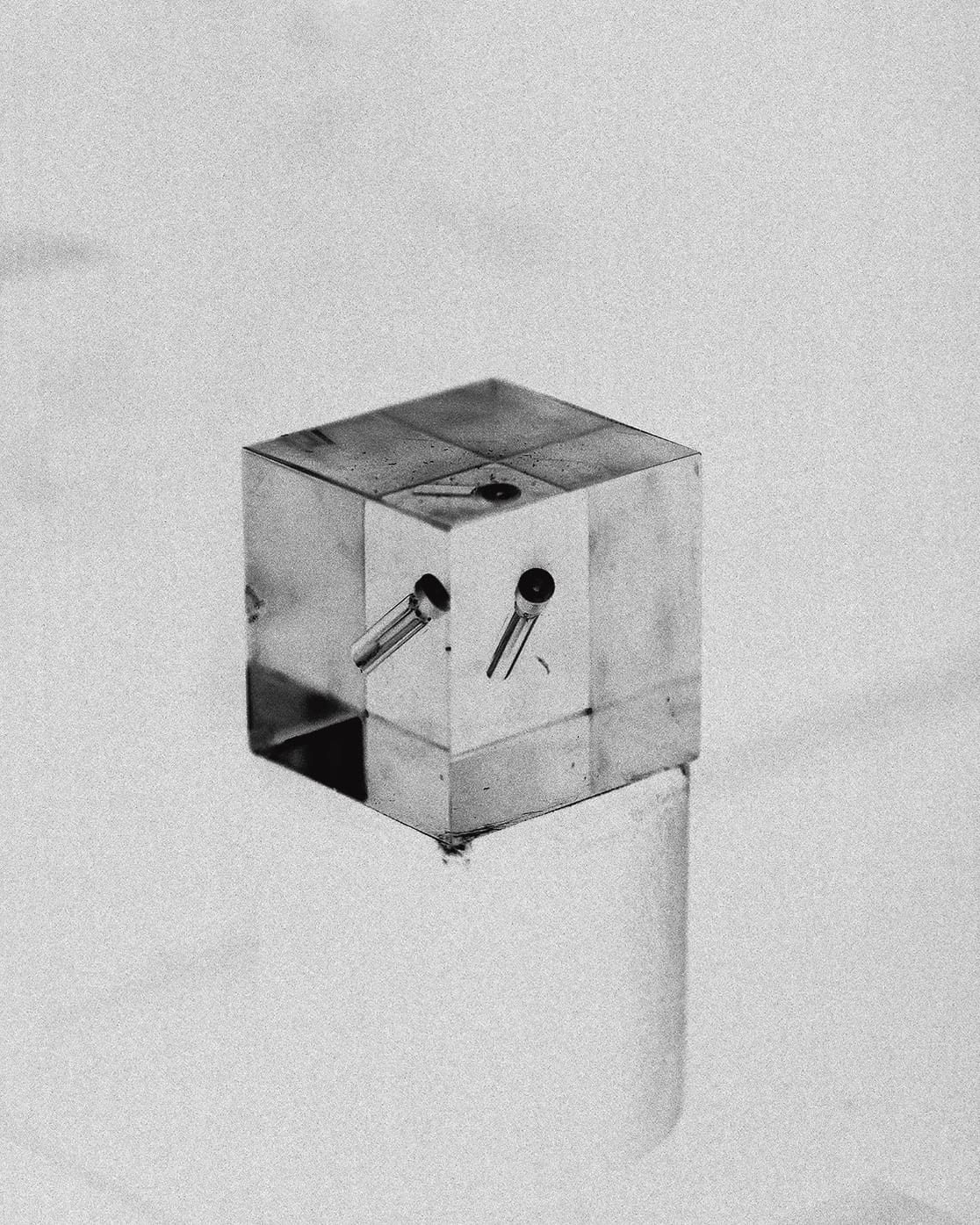
When Felicia Honkasalo’s grandfather passed away in 2009, he left behind boxes full of rocks and minerals, and stacks of notes, sketches, and fading photographs. “No one else in the family wanted them,” says Honkasalo, who never got the opportunity to meet her grandfather, “I was really intrigued by it all, but I didn’t really know what to do with it at first”.
Honkasalo’s debut book, Grey Cobalt, is an attempt to construct imagined memories of her grandfather, who was a metallurgist during the Cold War in Finland as well as an avid cosmologist. Published by Loose Joints, the book release accompanies an exhibition at the Webber Gallery in London, which will run till 15 February.
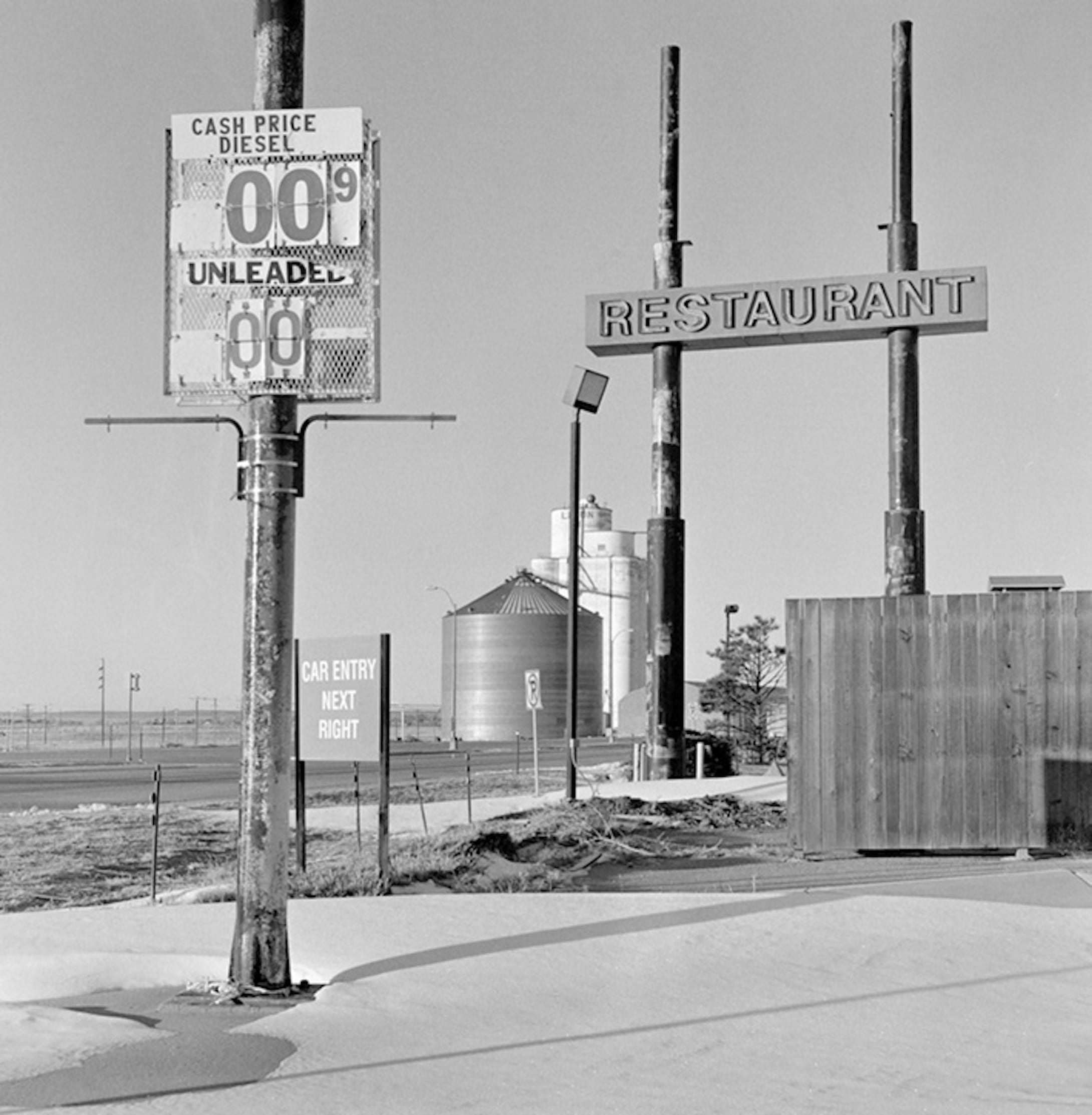
“For me it is important not to create a story with the pictures,” says Gerry Johansson. “Normally when you edit you try to sequence the photographs. But for me it is important that each picture is considered as a single, individual image.”
Johansson’s photography is largely driven by intuition, but when it comes to making a book, logic and order triumph. Almost all of his 31 photobooks are defined by their geography, if not the subject matter, and their equally-sized photographs are generally organised either alphabetically or chronologically, a bid to encourage readers to interpret them individually.
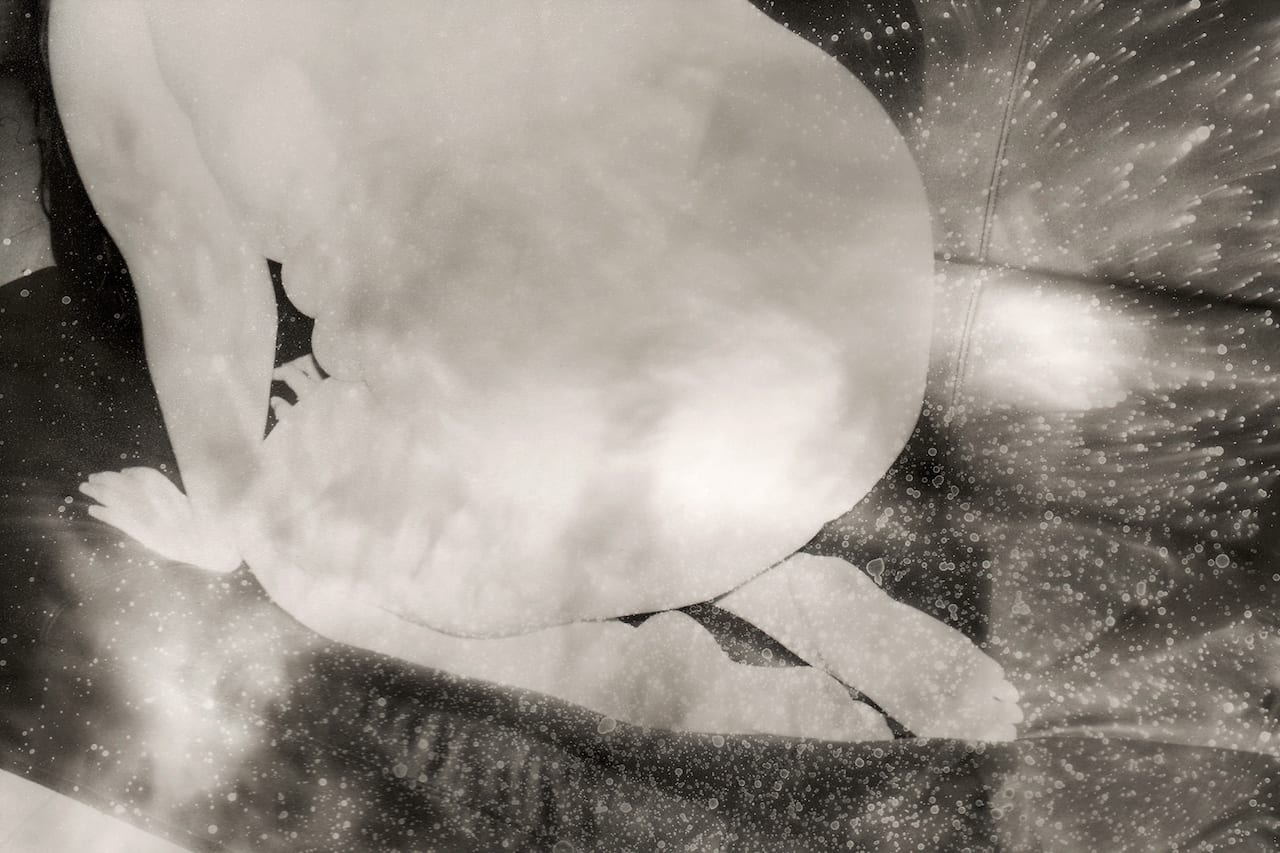
Hunger is an experimental project based on Franz Kafka’s short story, A Hunger Artist, about the once-glorious, but now dying, art of performers who starved themselves. Curated by Greek publishing house Void, it involves the work of 28 photographers, both established and up-and-coming, presented in seven broadsheet publications, and in an online exhibition on PHMuseum.com.
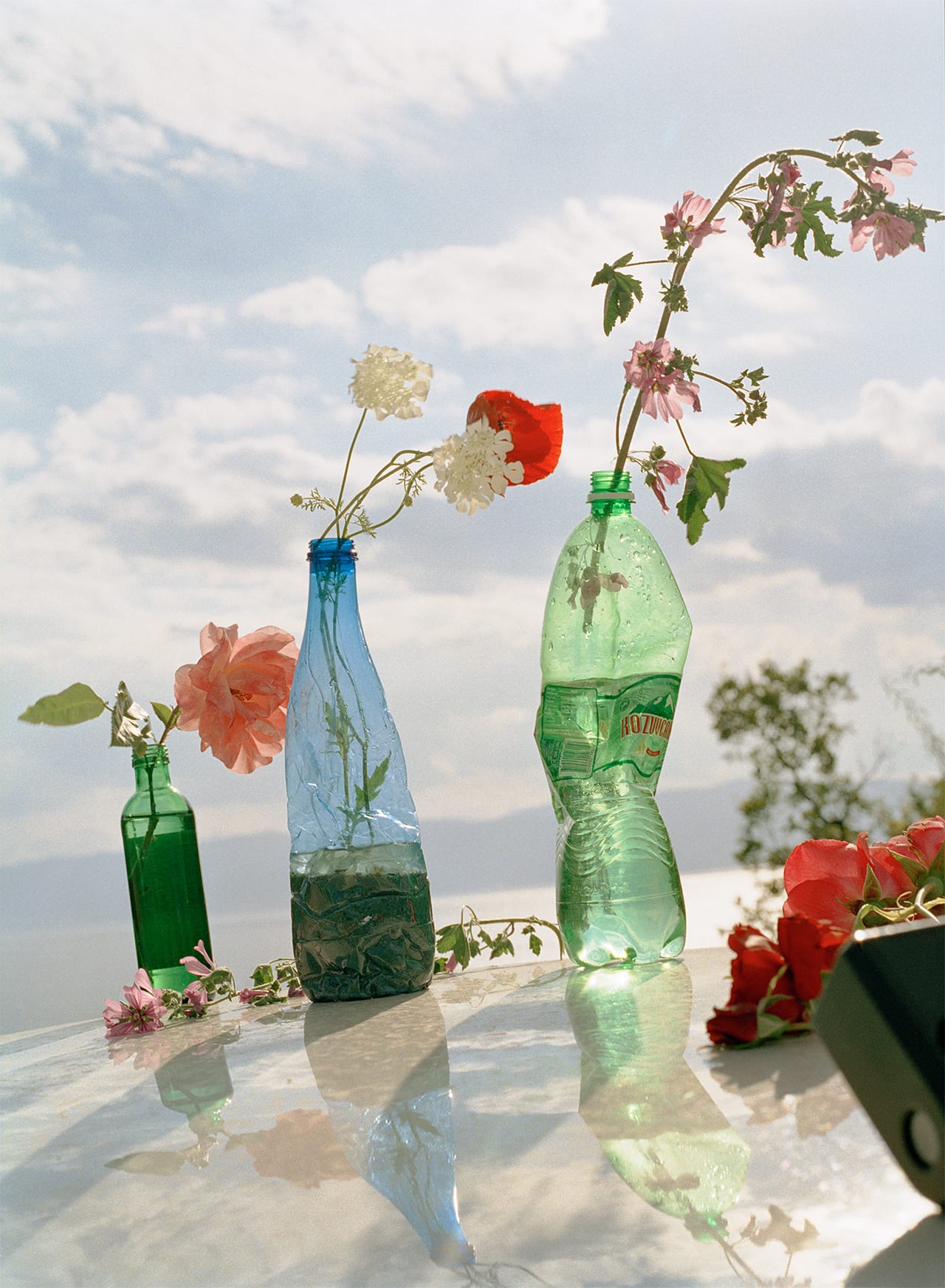
In 1989, a record number of 71,000 Soviet Jews were granted exodus from the USSR after a century of radical changes, fuelled by a wave of anti-semitism. Between 1988 and 2010 over 1.6 million Jews left the territory of the former Soviet Union, most of them settling in Israel but others heading for Germany, Canada, Australia, and the United States.
Irina Rozovsky was seven years old when her family fled from Russia to America in 1988. “It’s ironic in retrospect,” she says. “The USSR was a closed up place where Jews were discriminated against; in the end we were the ones that got to leave and seek out a better life. It was like winning the lottery.”
Rozovsky, now 37, lives in Georgia, US, with her husband and two-year-old daughter. “In my work I’m always circling back to the beginning of things, which for me is leaving one place and settling in another, adapting to a new life,” she says. “My photographs are not autobiographical, but I guess that history and the search for the familiar echoes in how I see. Not being able to see the place that you remember, I think that drives my photography.”
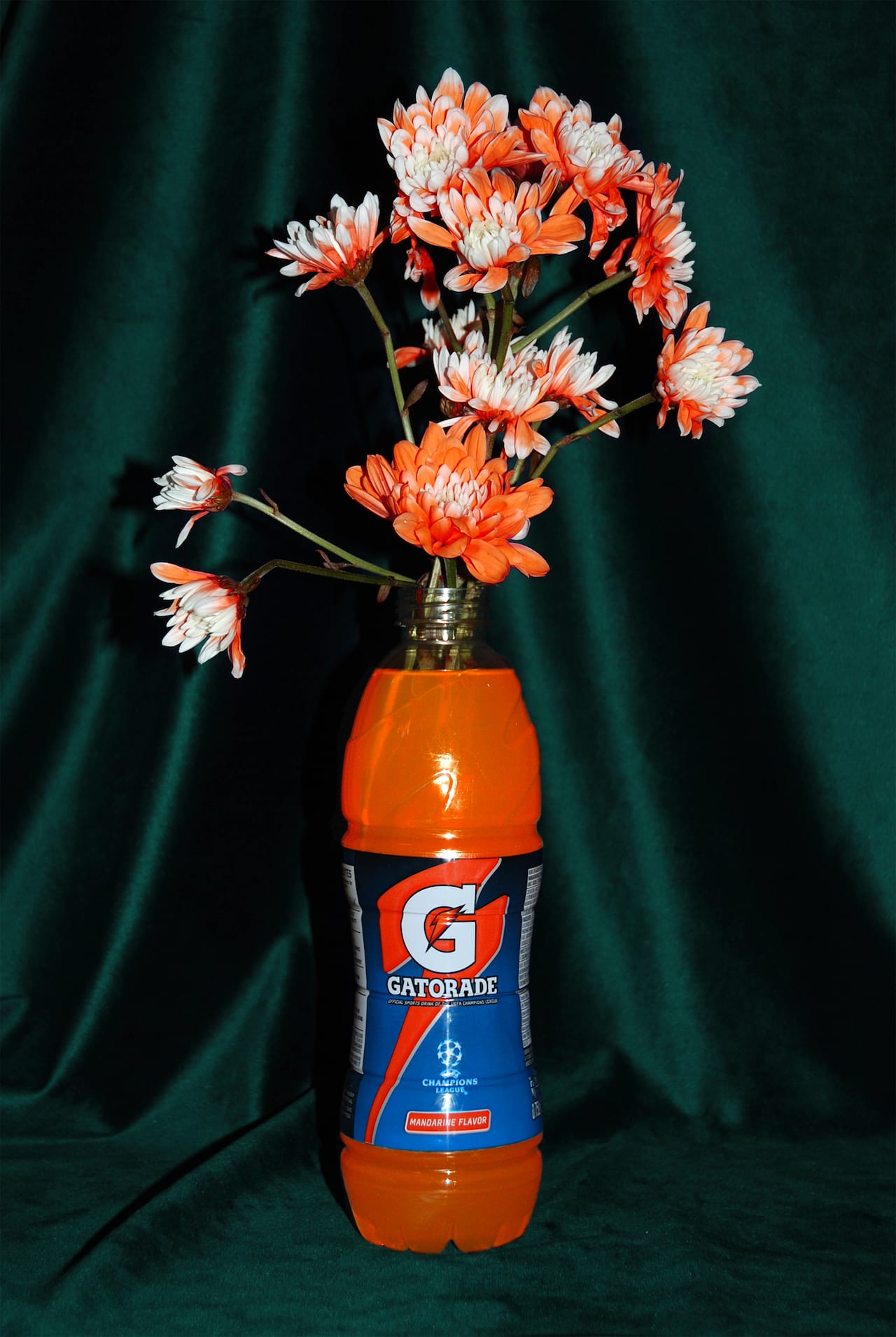
What happens when you put a white flower in a vase of coloured water? It’s an experiment some of us might fondly remember from our childhood, magically transforming a bunch of flowers with a dash of food colouring.
But the results are a little more frightening in a similar experiment by French artist Cornelius de Bill Baboul, as his flowers suck the colour out of sugary energy drinks. “I think they look a little bit like dancers,” he says. “Like kids on ecstasy in a techno club celebrating the end of the world”.