Marigold Warner

Deputy Editor

Marigold Warner worked as an editor at BJP between 2018 and 2023. She studied English Literature and History of Art at the University of Leeds, followed by an MA in Magazine Journalism from City, University of London. Her work has been published by titles including the Telegraph Magazine, Huck, Elephant, Gal-dem, The Face, Disegno, and the Architects Journal.

Irina Rozovsky’s search for the familiar in former Yugoslavia

In 1989, a record number of 71,000 Soviet Jews were granted exodus from the USSR after a century of radical changes, fuelled by a wave of anti-semitism. Between 1988 and 2010 over 1.6 million Jews left the territory of the former Soviet Union, most of them settling in Israel but others heading for Germany, Canada, Australia, and the United States.

Irina Rozovsky was seven years old when her family fled from Russia to America in 1988. “It’s ironic in retrospect,” she says. “The USSR was a closed up place where Jews were discriminated against; in the end we were the ones that got to leave and seek out a better life. It was like winning the lottery.”

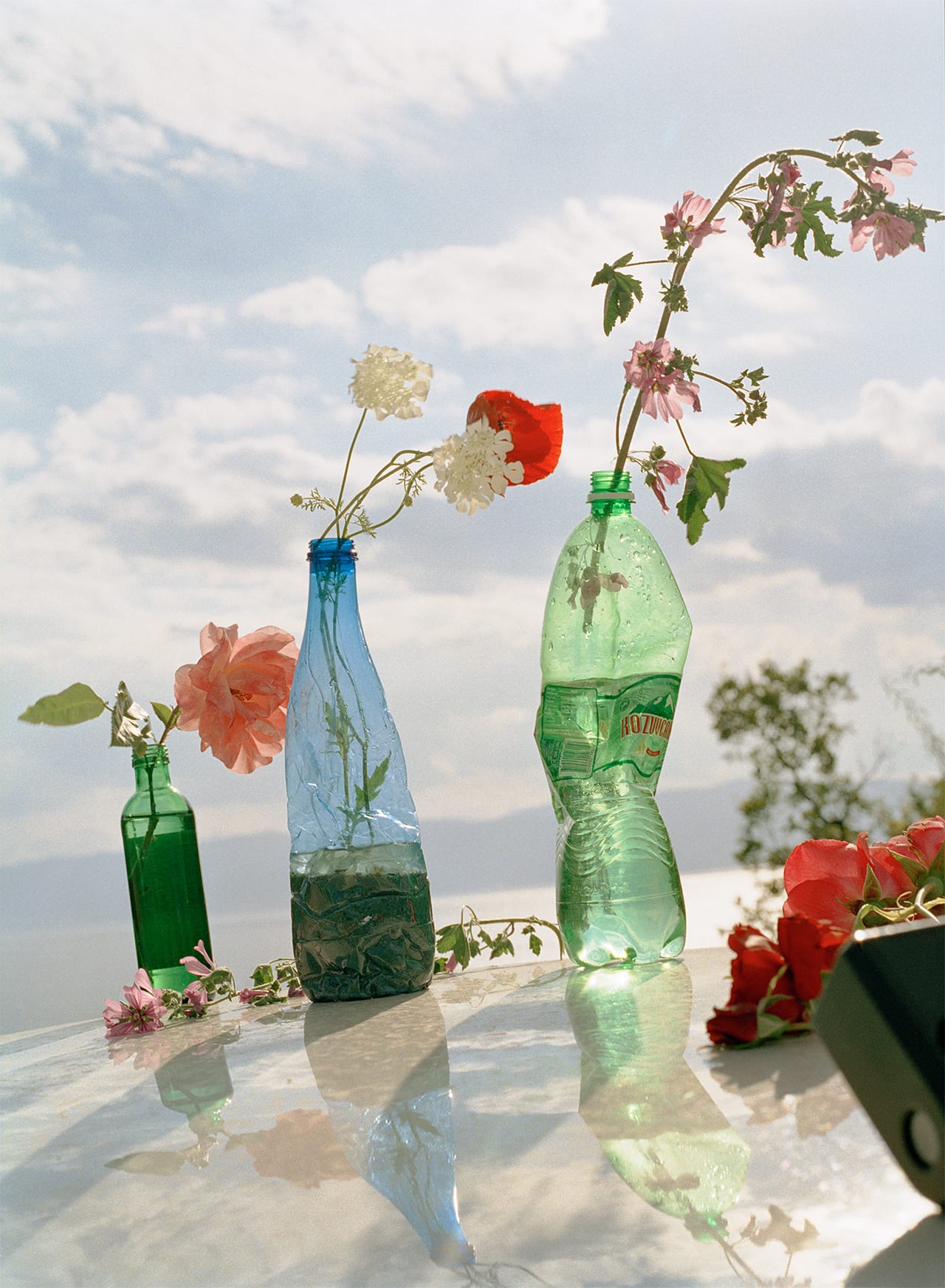
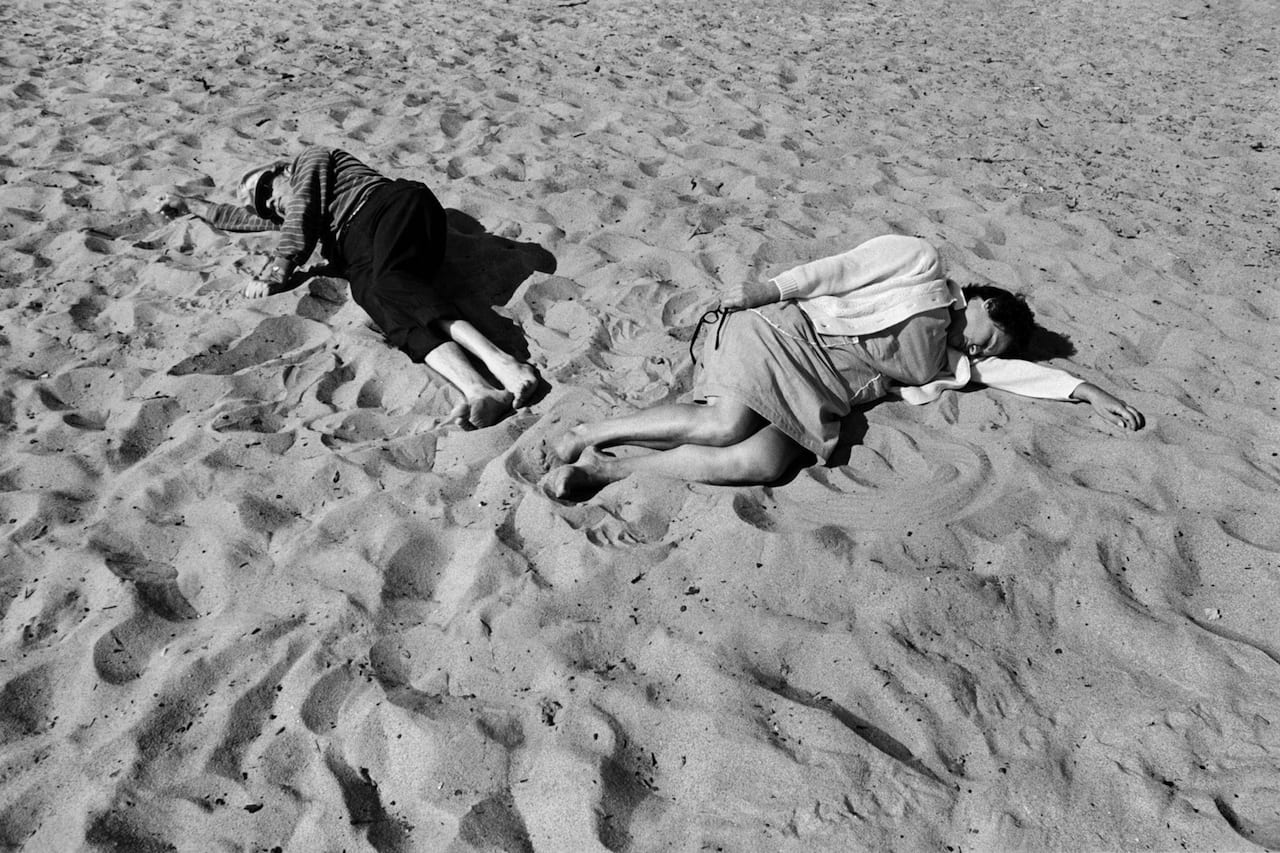
Rozovsky, now 37, lives in Georgia, US, with her husband and two-year-old daughter. “In my work I’m always circling back to the beginning of things, which for me is leaving one place and settling in another, adapting to a new life,” she says. “My photographs are not autobiographical, but I guess that history and the search for the familiar echoes in how I see. Not being able to see the place that you remember, I think that drives my photography.”

14 January 2019

Thirsty, then boosted

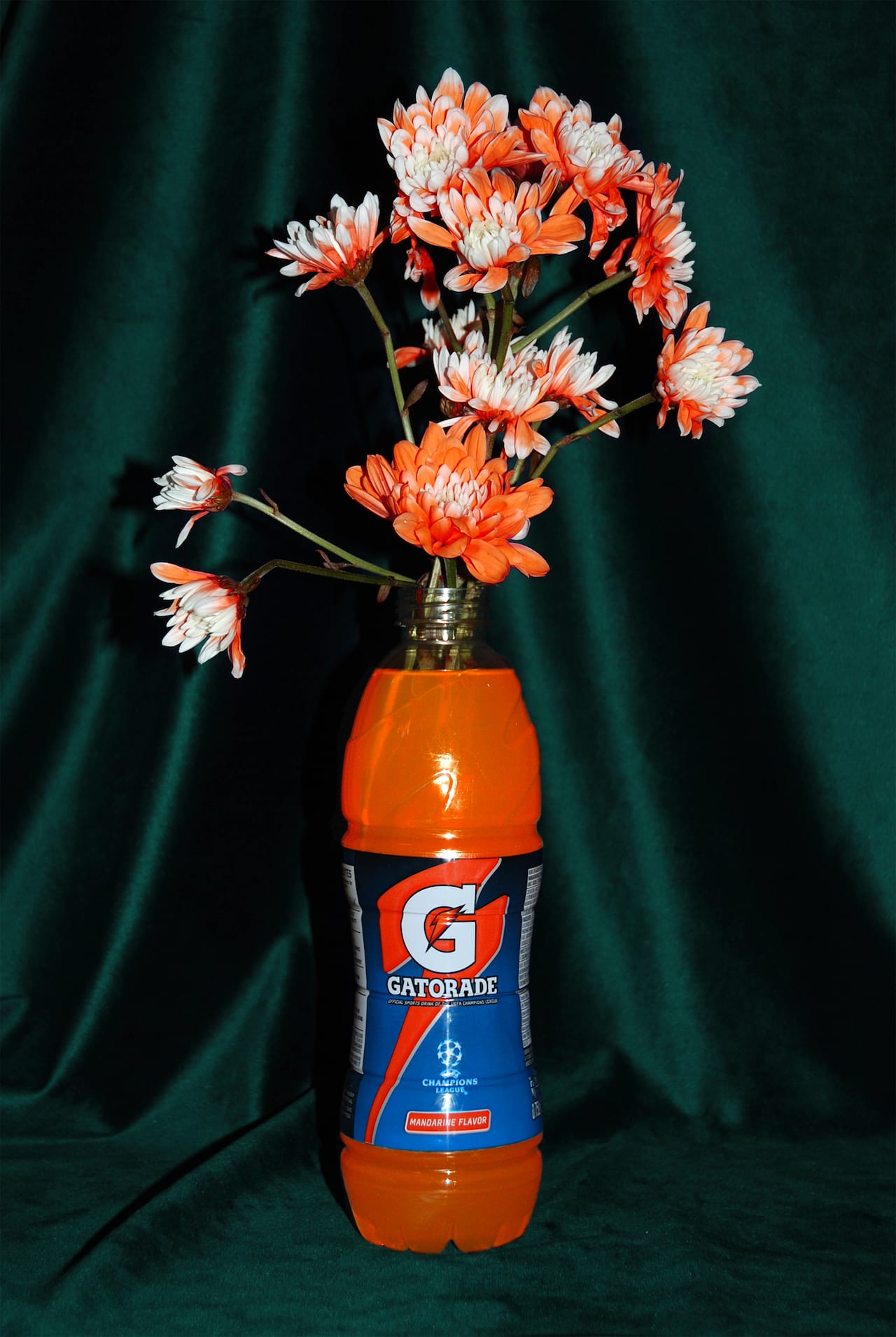
What happens when you put a white flower in a vase of coloured water? It’s an experiment some of us might fondly remember from our childhood, magically transforming a bunch of flowers with a dash of food colouring.

But the results are a little more frightening in a similar experiment by French artist Cornelius de Bill Baboul, as his flowers suck the colour out of sugary energy drinks. “I think they look a little bit like dancers,” he says. “Like kids on ecstasy in a techno club celebrating the end of the world”.

10 January 2019

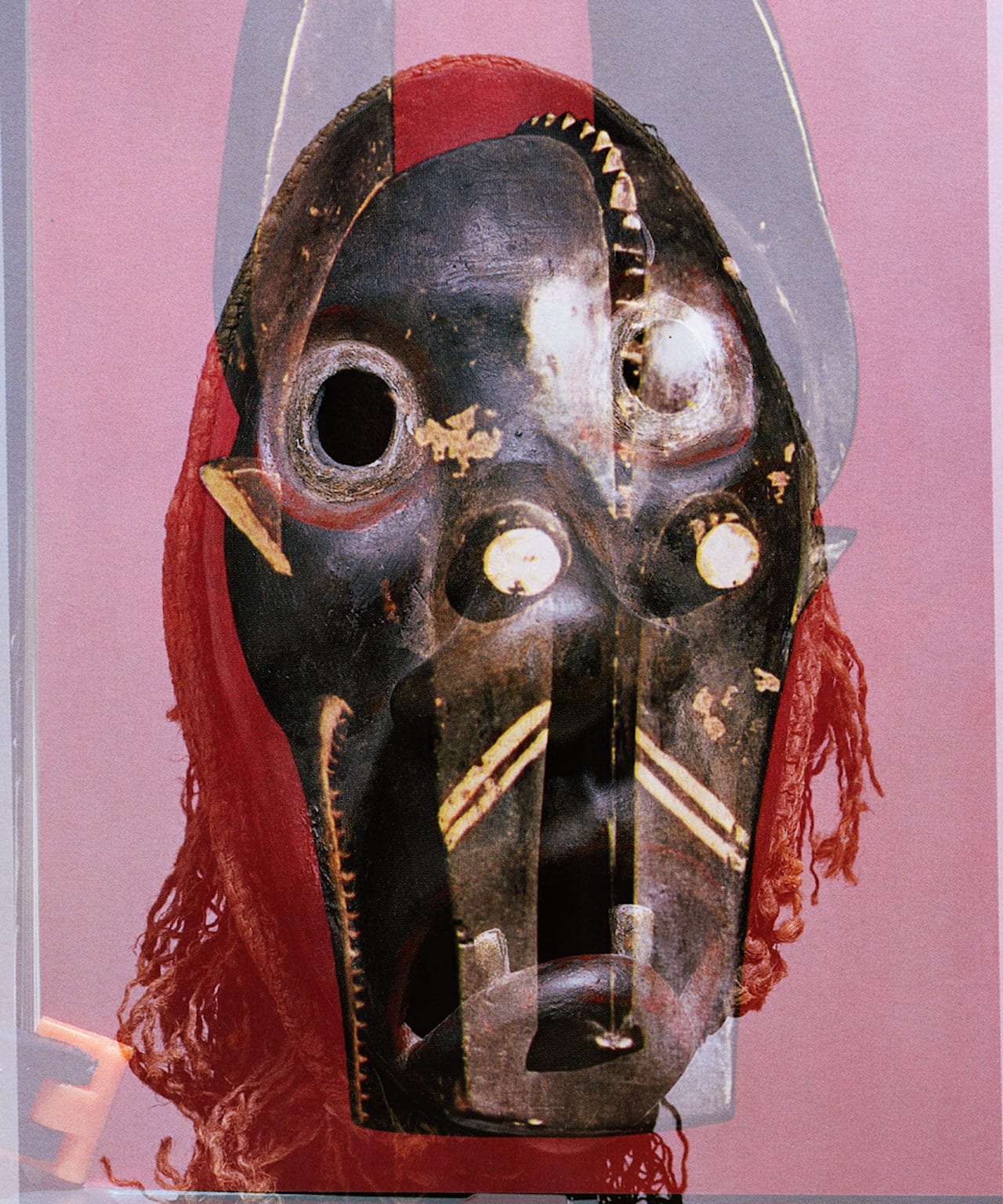
Masken by Michael Etzensperger

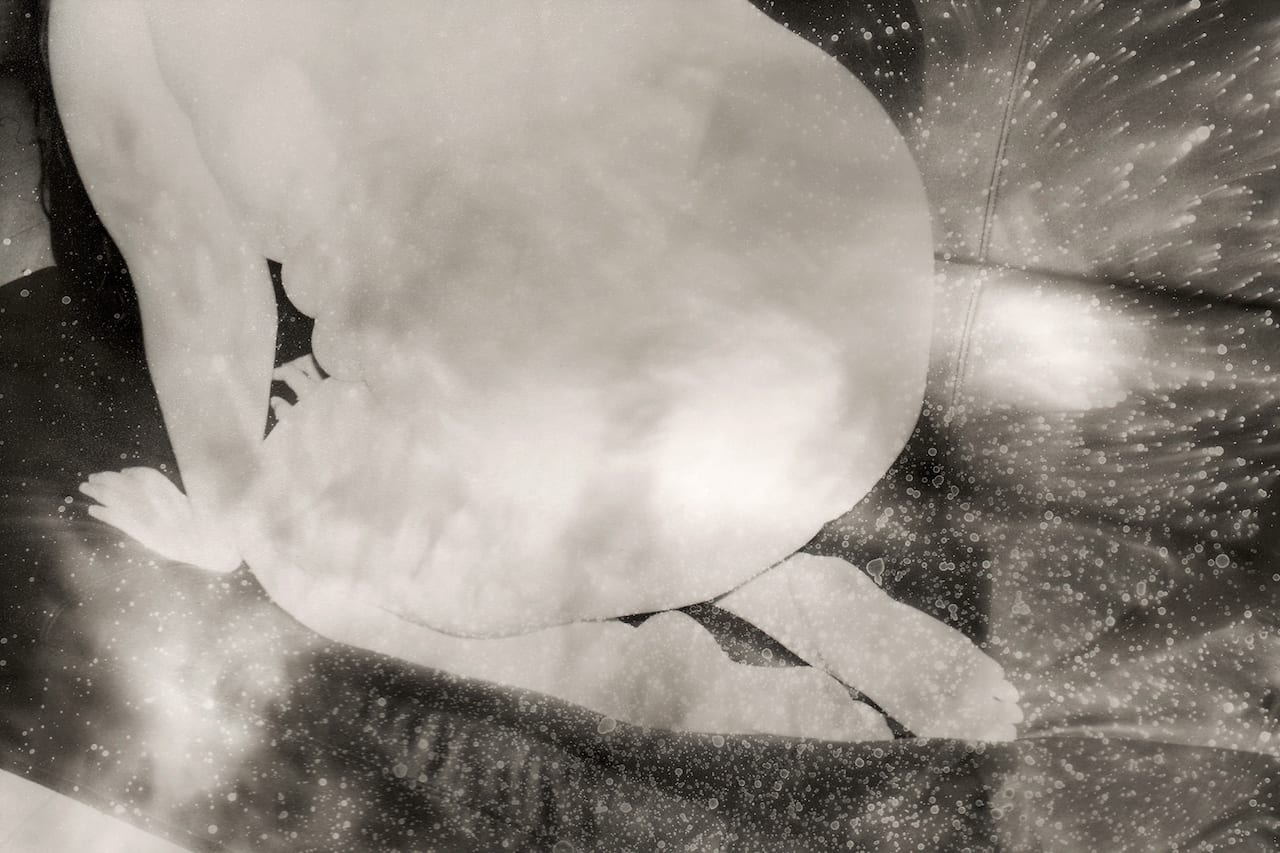
For his new book, Swiss artists Michael Etzensperger makes double exposures of pictures of masks from books of masks from all over the world. Historically, one of the most significant uses for photography is in the reproduction of historical and cultural artefacts for books. Studies such as art history and anthropology were hugely progressed by the invention of the camera, creating a largely overlooked photographic genre that has been the on-going concern for Swiss artist Michael Etzensperger.

4 January 2019

Who’s looking at the family now?

2019 marks a quarter of a century since Val Williams’ curated her seminal exhibition, Who’s looking at the family? at the Barbican in London. In photography, a lot has changed over 25 years, including the introduction of new technologies that have reshaped the way in which we make and consume images, and the changing definitions of what constitutes a photographer.

“On the one hand I thought it might be interesting to speculatively chart that development, but also to rethink notions of the family at the same time,” says Tim Clark, editor of 1000 words magazine and curator of this year’s Photo50 exhibition at London Art Fair. “The idea seemed to chime with a lot of people. I think that’s the key point about family, it’s a great unifying subject. Everyone can relate to it.”

19 December 2018

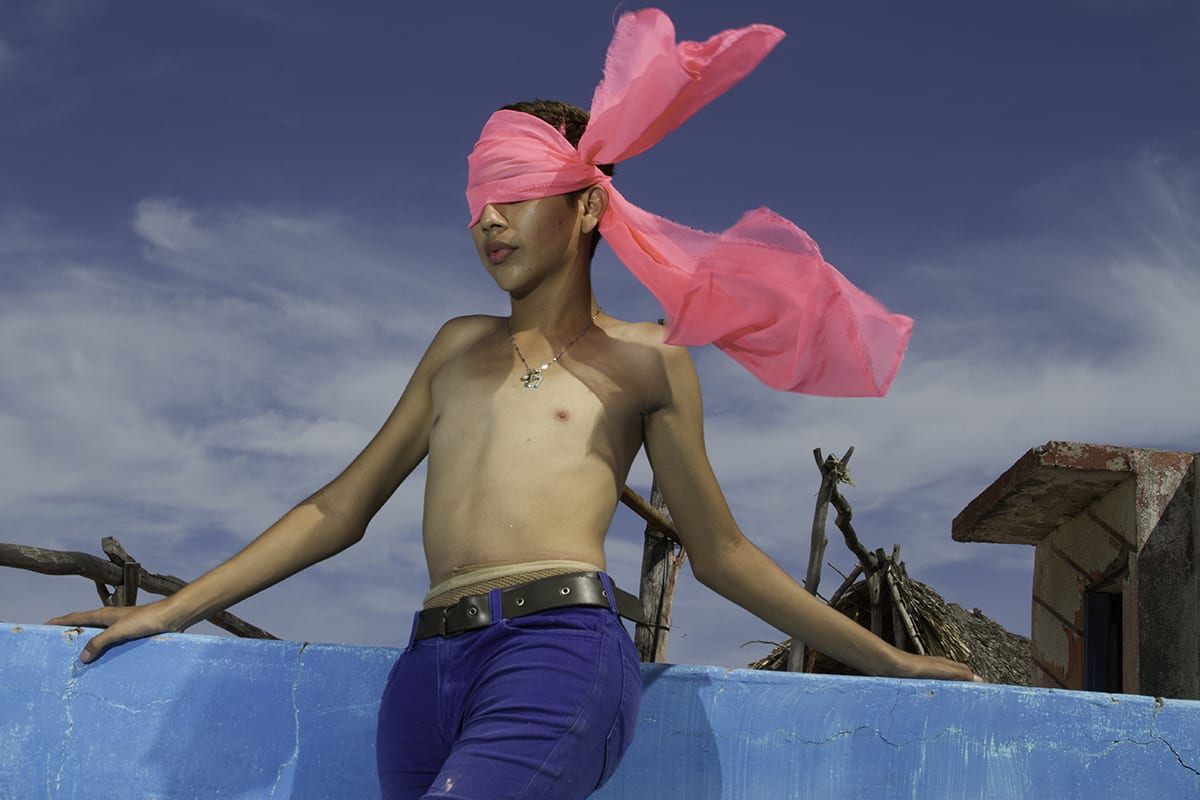
Q&A: Nelson Morales’ very personal look at Mexico’s third gender

Nelson Morales was seven years old when he saw a Muxe for the first time. Seeing an individual he didn’t identify as a woman proudly wearing a tiny swimsuit, fluffy feather boa and glistening sequins at a local festival, he was “shocked”, he says.

But Morales was growing up in the city of Oaxaca, central Mexico, where the Muxes are regarded as a third gender – assigned male at birth but interested in codes of dress and behaviour associated with femininity, often from a young age. Asked to photograph the Muxes community, Morales soon found himself liberated by them. 

He continued to photograph the Muxes – and himself – for eight years, hoping to capture the complexity of their lives and to confront his own identity as he joined their community. His book, Musas Muxes, is published by Mexican collective Inframundo.

In the city of Oaxaca, the Muxes are regarded as a third gender. They are assigned male at birth, but from a young age they dress and behave in ways associated with the female gender.

One day, Morales was asked by a friend to photograph this gender-fluid community, and soon he found himself liberated by them. Over eight years he photographed them, and himself, hoping to capture the complexity of the Muxes lives, while confronting his own identity in the  sensual and challenging space of the Muxes.

18 December 2018

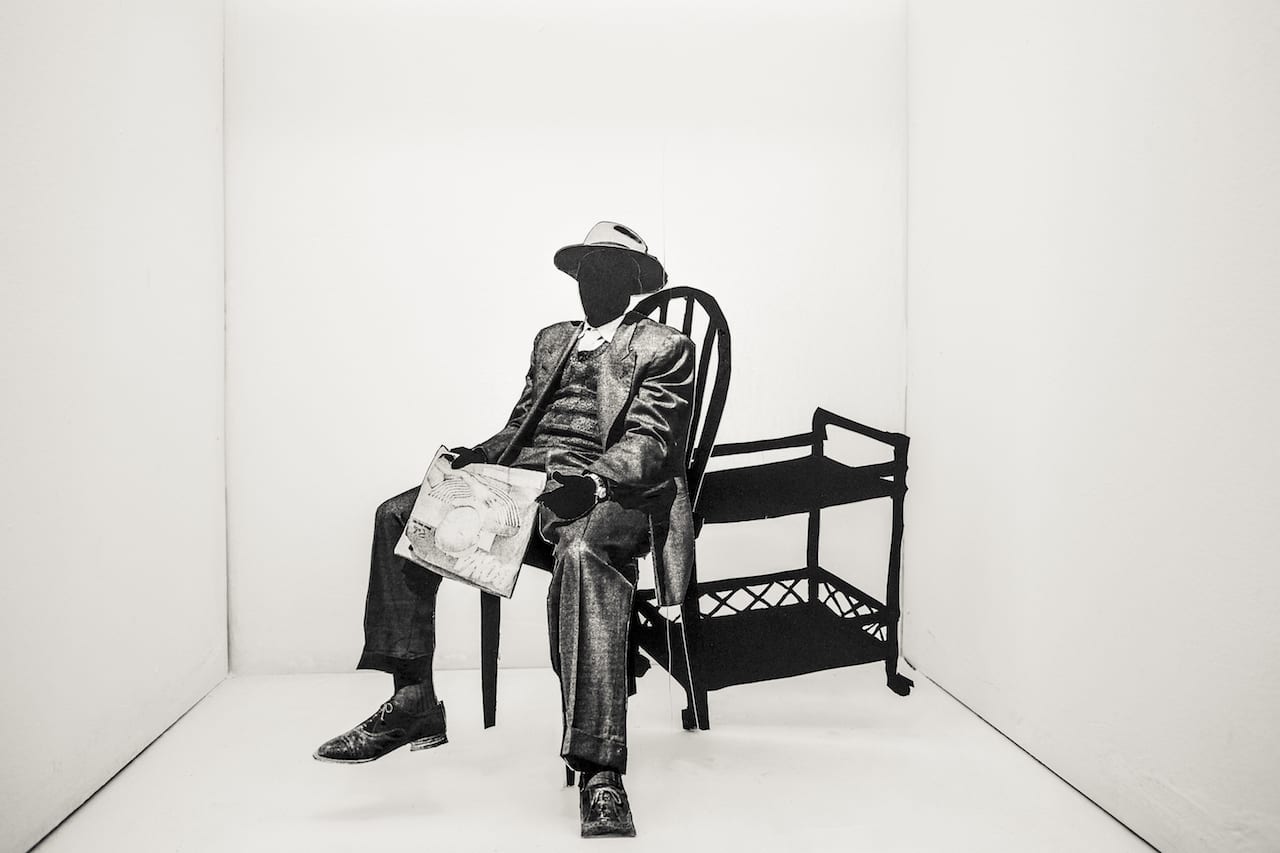
A Necessary Realism by José Pedro Cortes

“I felt like I was always playing the same cards. With this project, I wanted to collect the cards and reshuffle them,” says José Pedro Cortes, whose latest book, A Necessary Realism, proposes new ways of seeing old images, gathered from almost 15 years of work and presented in his favourite medium, the photobook.

“The book is always an important moment for me,” says the Portuguese photographer, who is co-founder of the publishing Pierre von Kleist. “They are a mirror into the time I am living in, where I looked for a while in the same area.

“I wanted to fill in the gaps,” he adds. “By trying to break from this idea that images have a connection to a specific geography, and also a specific time, I wanted to take a different look at my archive, as if it were something new.”

13 December 2018

La Vertigine by Federico Clavarino

“It was a moment where I could step out of my ordinary and rather boring existence, and shape it into something different,” says Federico Clavarino, who’s photographs from his foundational years at Blank Paper in Madrid are now published as a book

13 December 2018

Form & Function by Chloe Rosser

The people in Chloe Rosser’s anonymous human sculptures are sometimes friends or couples, but mostly, they are strangers. They twist, bend, and stretch, before they eventually lock, morphing into curious, intimate, and sometimes grotesque figurines.

“Photography is the only medium which allows me to sculpt with human flesh,” says Rosser, “the human body is the most intimately familiar thing to us. Seeing it in these strange poses affects you deeper than if you were to see a sculpture because it’s real, and you can imagine being it, and feeling what it feels.”

11 December 2018