
“We do see that our industry is male-dominated, world-wide – though not within NOOR,” say…
Foam founder Marloes Krijnen, curator Yumi Goto, and photographers Rob Hornstra, Mark Power and Mariela Sancari highlight the photobook that have impressed them most so far in 2018 – including Senta Simond’s Rayon Vert, Christian van der Kooy’s Anastasiia, and John Myers’ The Portraits
It’s little more than a decade since Ricardo Cases took his first tentative steps into the world with his personal work, exhibiting as part of New Spanish Photography at Lodz Fotofestiwal in 2007, a group show that travelled on to China and Slovakia. More than a dozen solo shows followed across Spain over the next three years before his international breakthrough with the book Paloma al aire [Pigeons in flight], published by Dewi Lewis in 2011. Ostensibly, the book follows pigeon-fanciers in Valencia and Murcia going about a local racing ritual, painting male birds for a competition in which the winner is the cock that attracts the hen. But with its distinctive spiral-bound, notebook appearance, and Cases’ tight framing, emphasising the surreality of the chase, it acquired a cult following, marking the arrival of a singular talent. The unconventional traits to this and his subsequent works are clearly evident in his first major survey exhibition, on show in Madrid from 13 June to 22 July at the spectacular Sala Canal Isabel II, as part of this year’s Photo España.
From the 4 June, for five days only, signed or estate-stamped, museum quality 6×6” prints…
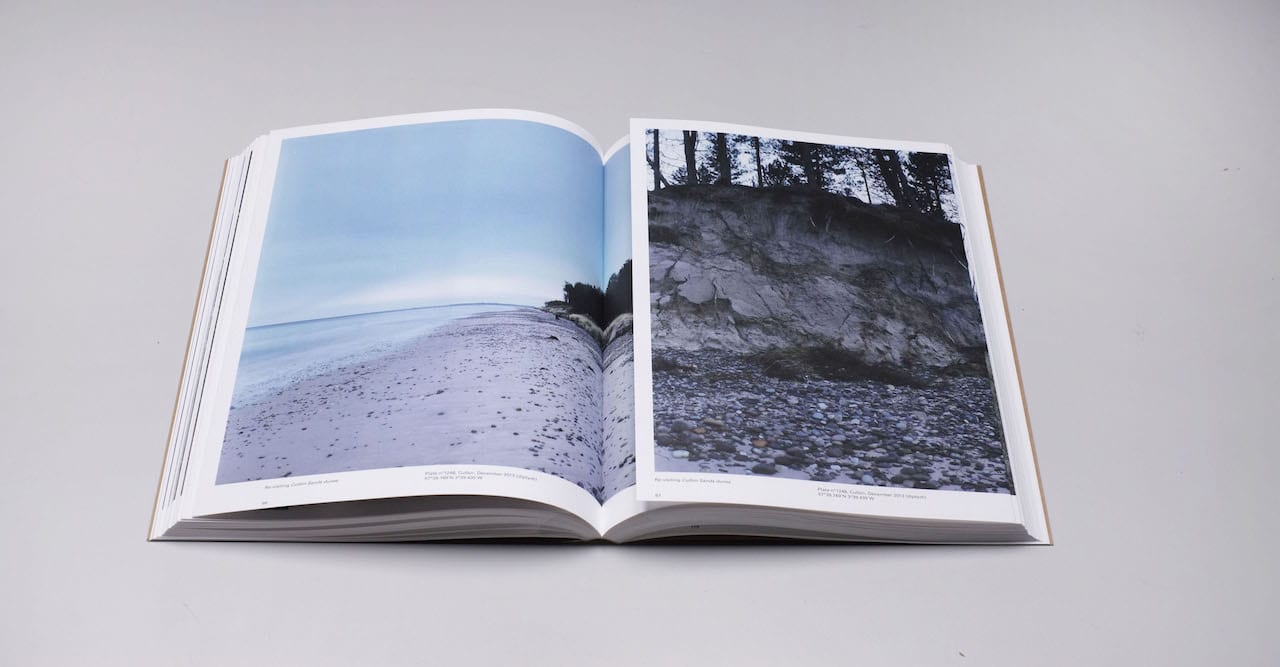
Chrystel Lebas has won the Kraszna-Krausz Foundation Photography Book Award, beating off the two other shortlisted photographers – Stephen Gill and Dayanita Singh. Lebas won the prize for Field Studies: Walking through Landscapes and Archives, which she published with Dutch outfit FW: Books. Field Studies is framed by the work of 20th century botanist Sir Edward James Salisbury, particularly his glass plate negatives from the 1920s, retracing his steps and making new images in the same Scottish landscapes. Gill was shortlisted for Night Procession, which he self-published through his imprint Nobody Books; Singh was shortlisted for her multi-book project Museum Bhavan, which was published by Steidl.
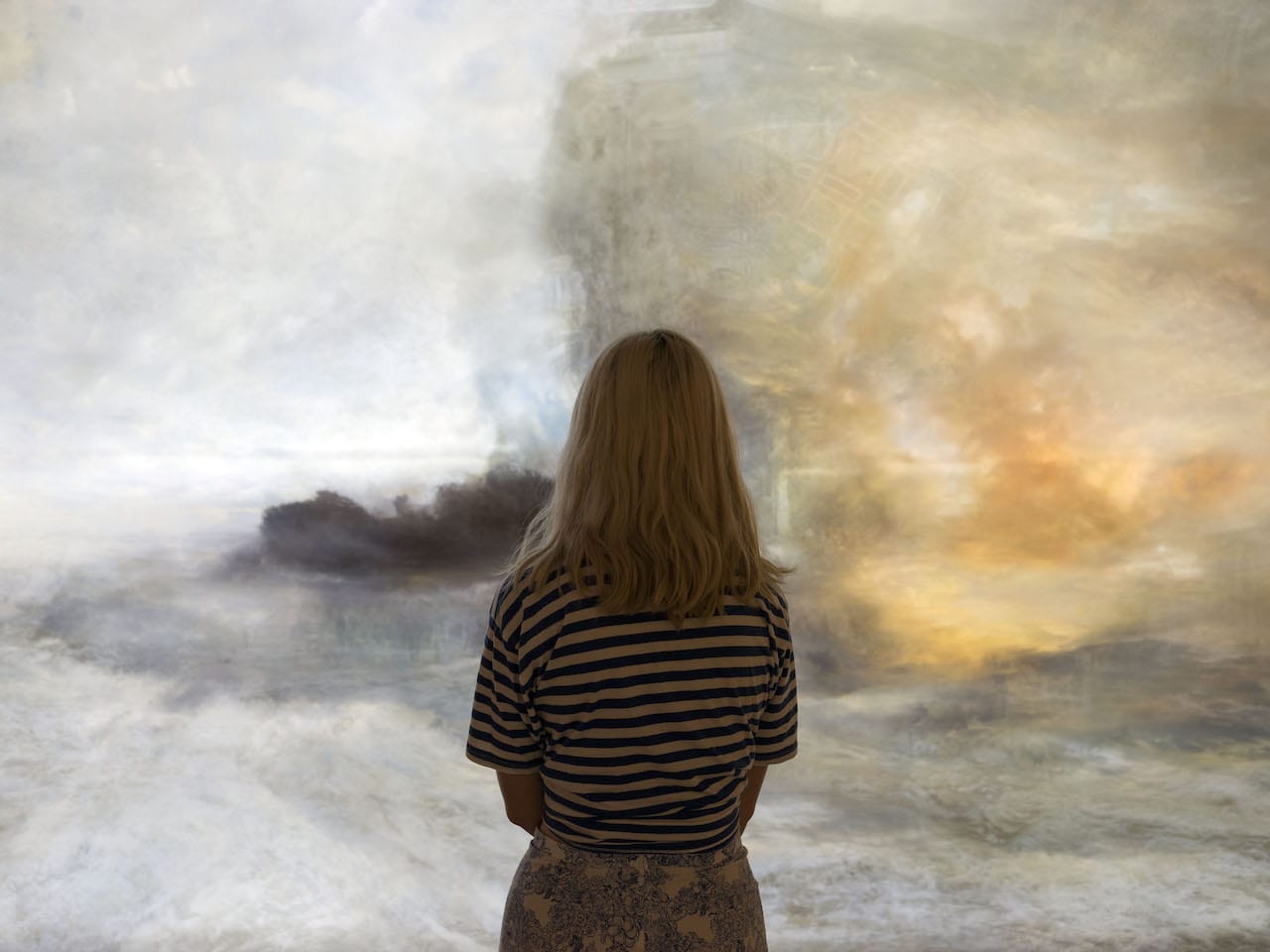
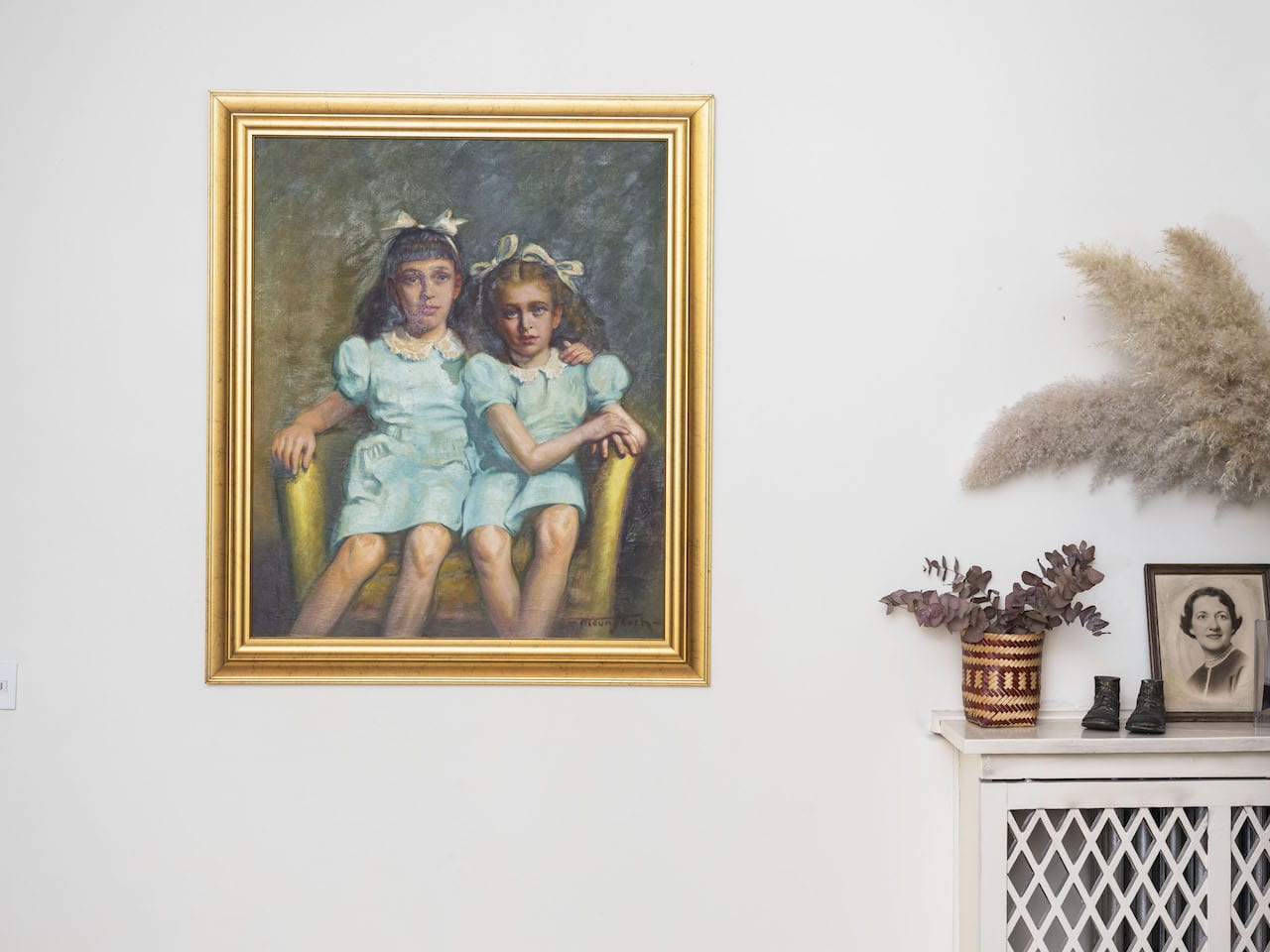
When he first heard about the HOME project, Brighton-based photographer Mark Power’s immediate reaction was to make something personal. “Home is such an abstract concept,” he says. “For instance, if I’ve been travelling abroad for a while I’d probably consider my home to be England. If I’m already there, then I might think of Brighton as home. In Brighton I’d probably think of my house.” Ultimately though ‘home’ translates as family for him, and by coincidence the project landed just as his family was undergoing seismic change. “By chance, the subject was staring me in the face – our daughter Chilli was leaving home in September, moving to London to begin a degree in Fine Art at Goldsmiths University,” explains Power. “Ironically, this date coincided almost exactly with the deadline to deliver the final project.”
New York in 1968, Alessandra Sanguinetti’s family moved to Argentina when she was two years…
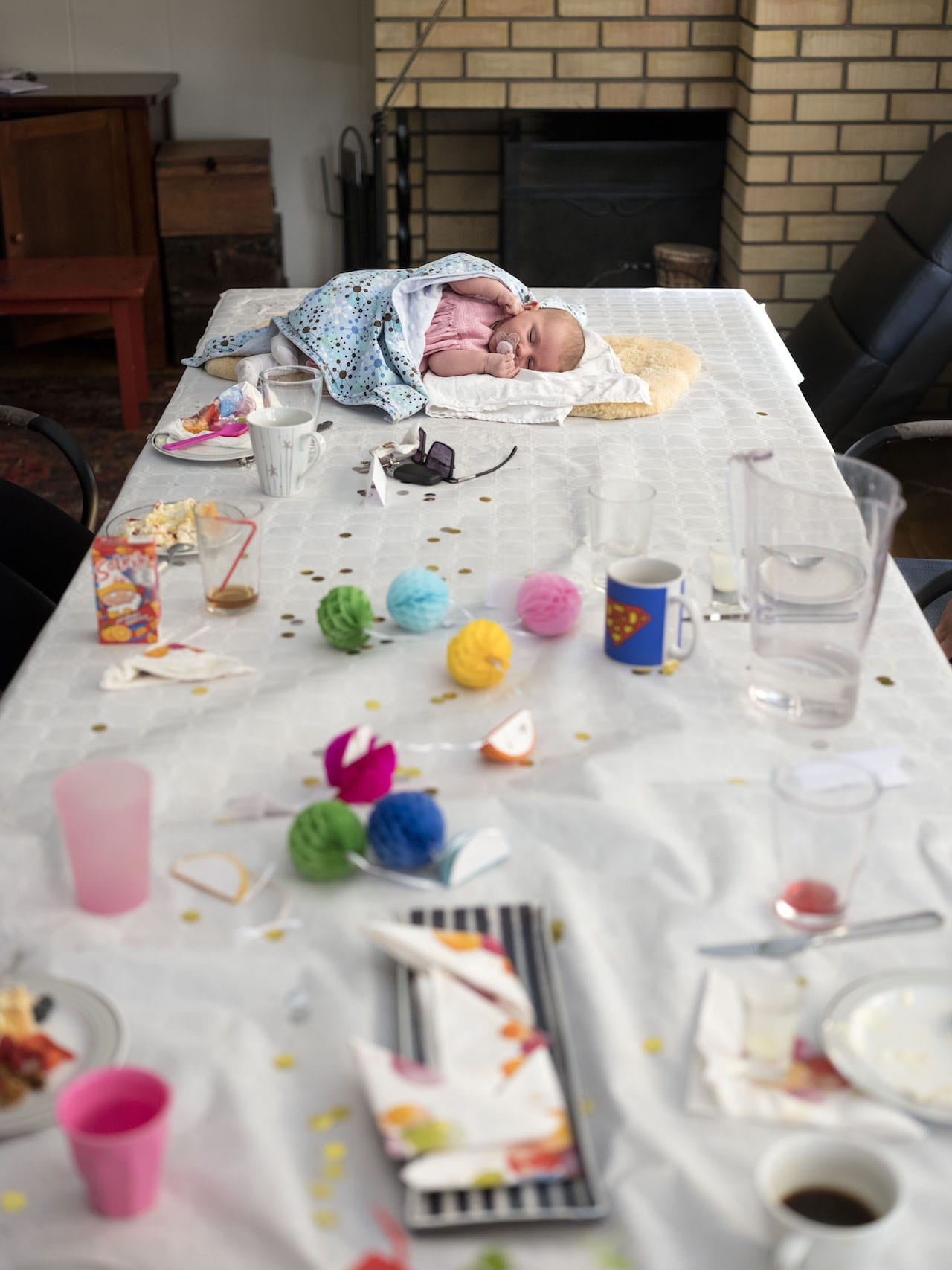
“I wonder what it will be like looking at them in twenty years,” write Magnum photographer Jonas Bendiksen of his contribution to the HOME group project. “This time capsule from when Anna and I were young, and the kids were just two bundles of limitless potential.” Born in 1977, Bendiksen is still young enough to be adding to his family, and shot his contribution to HOME last summer, “when Bille arrived and Boe went from being our little baby to being a big sister”. It’s a time he’ll never forget, he says, though it revolved around the simple things in life – playing, eating, being at home. “That’s what life was about at the time, so it seemed a bizarrely appropriate reason to photograph these events,” he says.
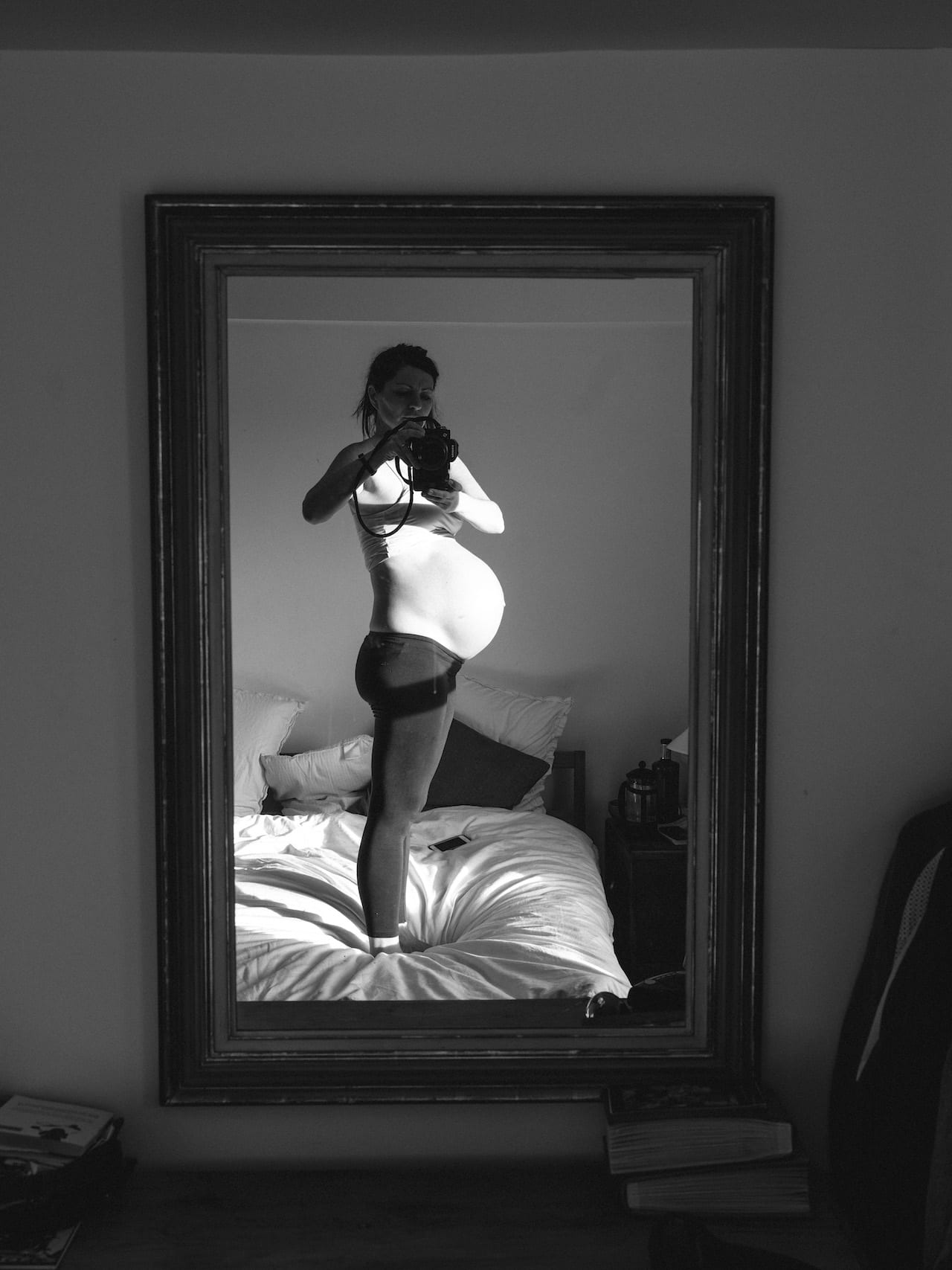
When the HOME project was proposed to her, Olivia Arthur was heavily pregnant with her second daughter and focussing that seemed a natural choice. “But in terms of presenting it as a project to the outside world, I think what’s interesting is this period of waiting – that’s where it all becomes very personal,” she says. Aptly titled Waiting for Lorelai, the project became about the anticipation she and her family experienced in the lead-up to the birth. “There’s this kind of emotion about how much it’s going to change the dynamics between us,” says Arthur, “and how my [older] daughter’s going to react when she finds out it’s not just her.”
“She believed that photography was an important form of visual communication that could stimulate discussions about real-life situations and captured accurate records of the world we live in,” Ella Murtha told BJP last year. “She was trying to force people to look at the truth and learn from it.” Born in South Shields in 1956, Tish Murtha left school aged just 16 and supported herself by selling hotdogs and working in a petrol station. She found her way into photography anyway, studying at the influential School of Documentary Photography at Newport College of Art, then returning to the North East to record the social deprivation she herself had suffered, as well as photographing in London.