
Tag: Magnum

Martin Parr’s Only Human

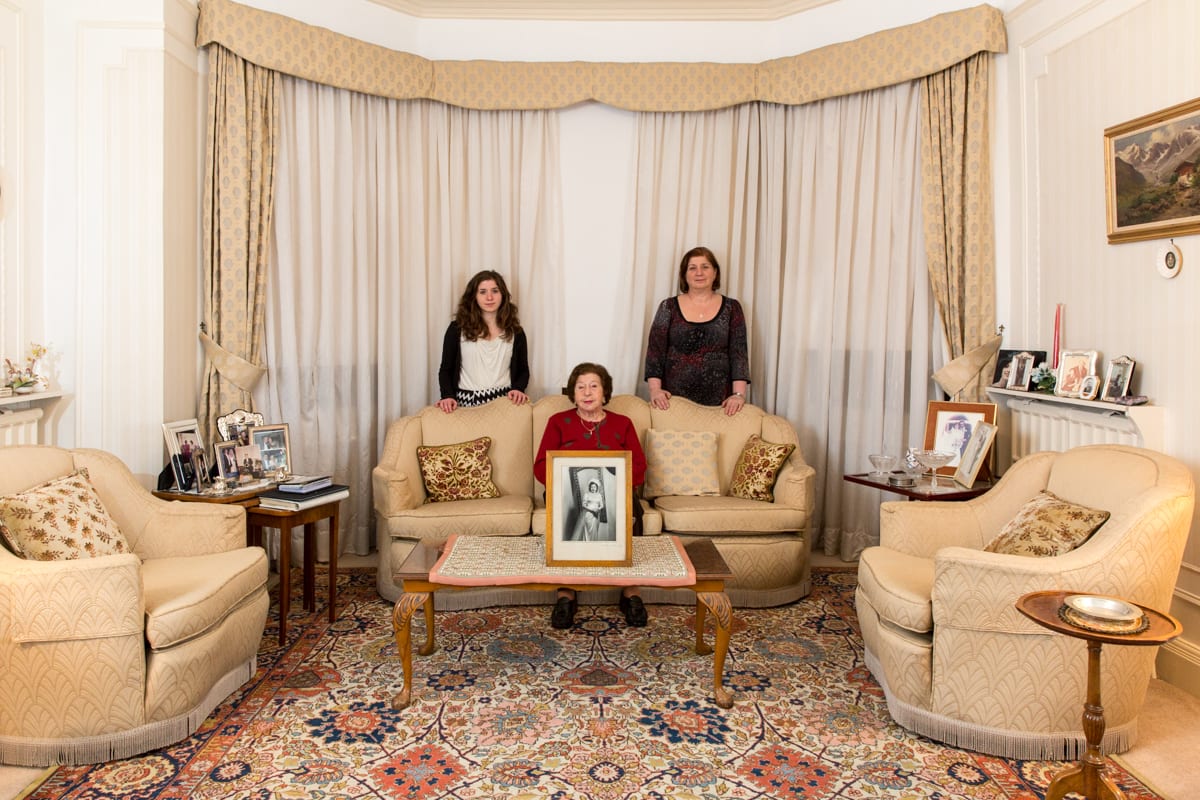
When the Portrait Gallery was established in London in the mid-19th century, its role was envisioned “to consist of those persons who are most honourably commemorated in British history”. Opening in an era when photography was still a new and untried technology, the National Portrait Gallery (as it later became known) was intended to be the national repository of the images, chiefly paintings and drawings, of those men and, much later, women who represented what was best among the British hierarchy of achievements, skills and aptitudes. Its function was to hold up a mirror to Britain that reflected its qualities back to those who came to observe them, as object lessons about how to aspire to, or more simply respect, the qualities and moral standing of the great and the good.

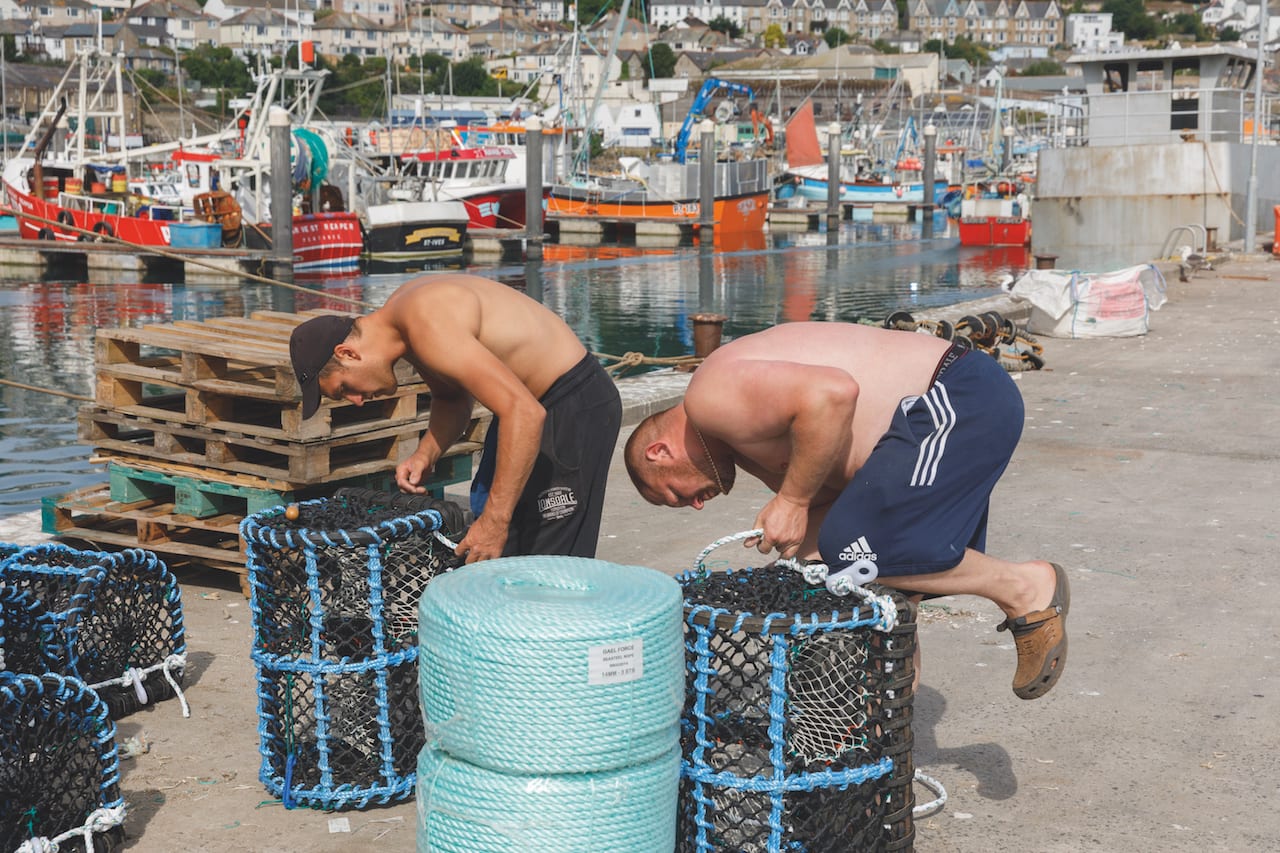
This conception of the NPG may still be widespread in the public mind, as even Martin Parr thought his work would be an ill-fit for a contemporary exhibition along these lines. “I never thought of myself as a portrait photographer,” he says, “and when I first met Phillip Prodger [NPG’s former head of photographs], I told him I had only a few celebrity portraits. I just put a lightbox together and sent them to him, though I was quite surprised at what I had.” Prodger, however, had other ideas, seeing in Parr the work of a social observer who could also offer a portrait of a nation at a key point in its history. So it is that the NPG put together Only Human, on show from 07 March to 27 May, bringing together some of Parr’s most famous photographs alongside a number of works never exhibited before.
4 March 2019

Chobi Mela festival opens in Dhaka, Bangladesh

“Chobi Mela continues the way it began,” writes Shahidul Alam. “Unyielding to power.” He’s referencing the very first Chobi Mela festival, which opened in Dhaka, Bangladesh back in 2000. Alam and Robert Pledge had painstakingly put together an exhibition on Bangladesh’s 1971 war, which a government minister – phoning at midnight – wanted to censor; rather than comply and remove the offending prints, Alam and Pledge moved the entire exhibition to a new venue, which opened at 3pm the next day.

“That is how we’ve always done it,” writes Alam, the founder of Chobi Mela. “Against the odds, facing the storm, with the wind against our face.”

Though he doesn’t mention it outright, it’s difficult to read his comments now without also thinking of Alam’s own recent experience, in which he spent 107 days in Dhaka Central Jail last year. The 63-year old photographer and Drik Gallery director was arrested on 05 August after stating in an interview with Al Jazeera that the wave of student protests in Bangladesh last year was a reaction to government corruption. He was charged with violating Section 57 of Bangladesh’s Information and Communication Technology Act (ICT) – which has been used in more than 20 recent cases involving journalists, most of them related to news-reporting – and was held for more than 100 days. 

26 February 2019

Maria Sturm wins the 2018 PHmuseum Women Photographers Grant

“It’s a bit hard to find words for this – You don’t look Native to me won the PHmuseum Women Photographers Grant,” says Maria Sturm. “I feel exponentially happy and glad to be sharing the list with other women photographers whose work I admire.”

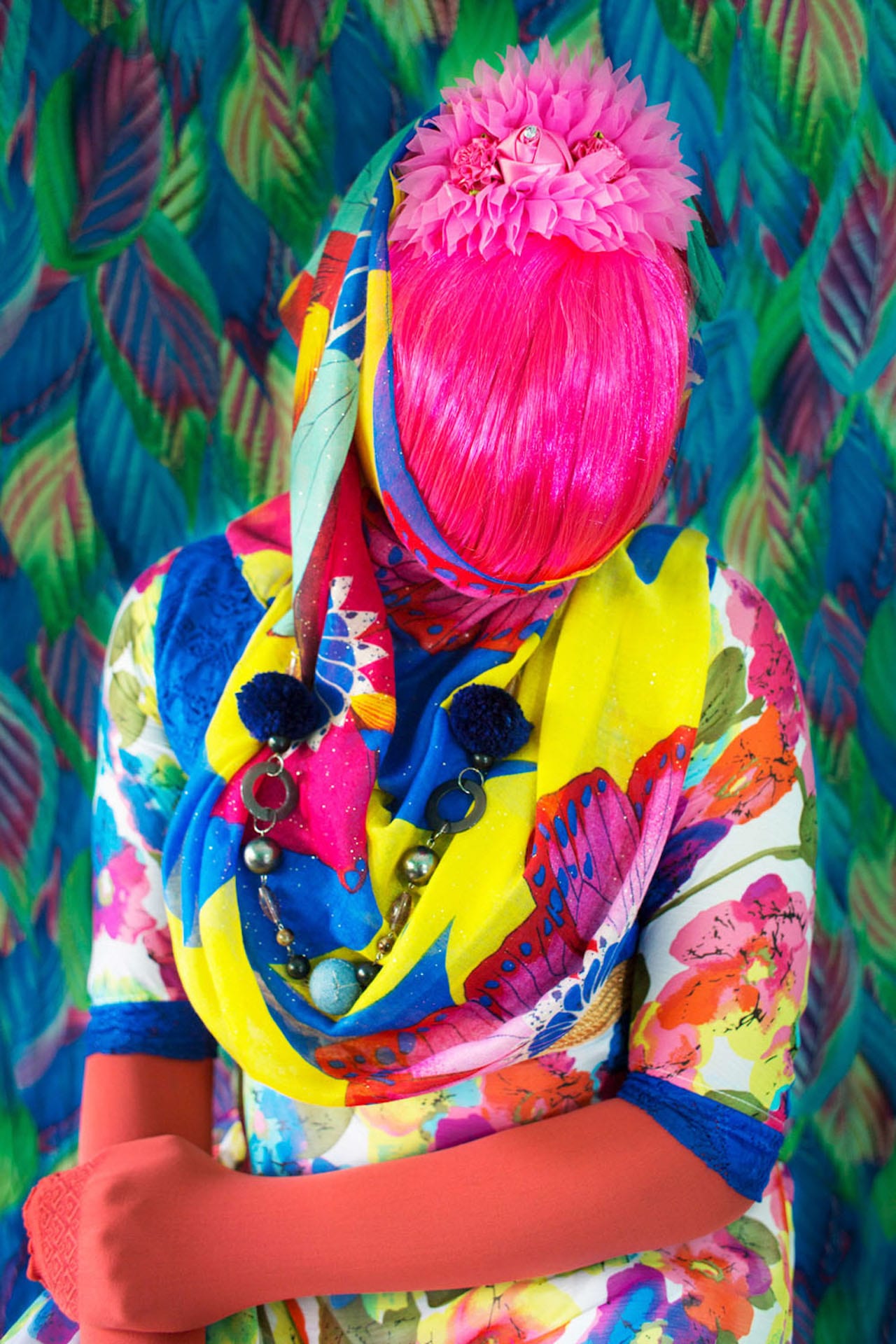
Sturm has won the prize in a strong year for the PHmuseum Women Photographers Grant, with the 31 shortlisted photographers including Magnum Photos’ Diana Markosian, Sputnik Photos’ Karolina Gembara, and Taylor Wessing Photographic Portrait Prize-winner Alice Mann. But her long-term project You don’t look Native to me, which shows young Native Americans in Pembroke, North Carolina impressed the judges with its sensitive approach to its subjects.

6 December 2018

David ‘Chim’ Seymour’s life in pictures

Though he co-founded Magnum Photos with Robert Capa, Henri Cartier-Bresson, and George Rodger and though – like them – he was one of the great documentary photographers of the 20th century, David ‘Chim’ Seymour is less famous than his colleagues. But this winter, a large retrospective in Amsterdam looks set to change all that.

Chim [pronounced “Shim’] acquired his nickname from his surname, because he was born Dawid Szymin in Warsaw, Poland, in 1911. His family was Jewish, and his parents were respected publishers of Yiddish and Hebrew Books; Chim and his parents left Warsaw for Odessa as World War One broke out in 1914, returning to Warsaw in 1919. Chim studied printing in Leipzig, then chemistry and physics at the Sorbonne in Paris, but got into photography while in France and started working as a freelance journalist in 1933. His first credited photograph was published in 1934 in the French communist magazine Regards.

29 October 2018

Q&A: Ara Güler, photographer, 1928-2018

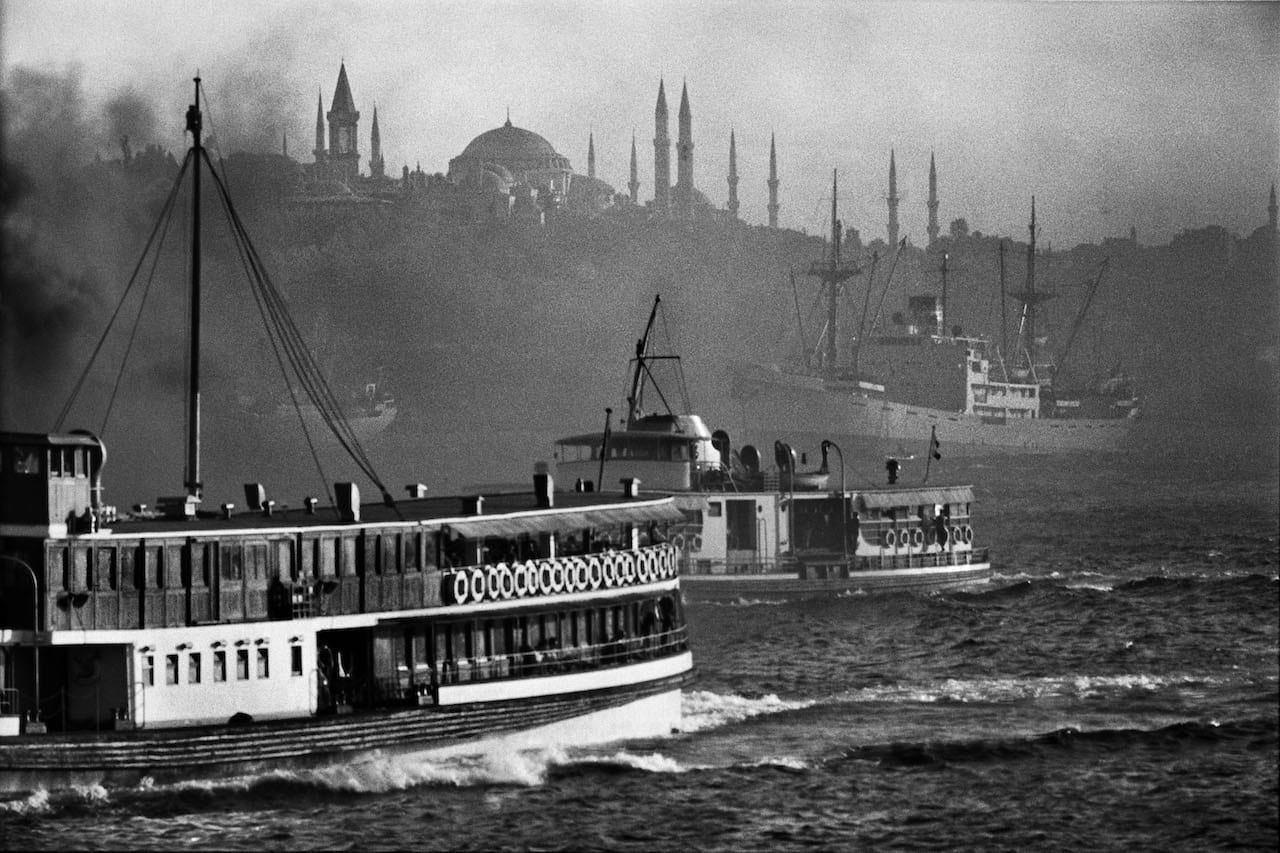
“He had such a strong character, he was full of energy and funny. Even if his health had worsened in recent months, he was always happy to welcome others and share good memories with friends in his famous Ara Kafé, near the no less well-known Istiklal Avenue. We will miss him,” says Emin Ozmen of Ara Güler – the ‘eye of Istanbul’ who has died aged 90

19 October 2018

Apply online to join Magnum Photos

Would you like to join Magnum Photos? The agency is inviting photographers worldwide to submit their portfolios online by 31 January to be considered for nominee status.

Magnum will accept digital submissions from all professional photographers, and entries for June 2019 can be made through this website: https://contests.picter.com/magnum-photos/submissions-2019/ Applicants are required to submit two to three projects, with up to 80 photographs in total. The new nominee members will be announced on 01 July 2019.

In addition MACK is accepting open submissions for its First Book Award this year – in contrast to previous years, in which photographers were nominated by a panel of industry insiders. The prize is open to any photographer or artist who has not previously published work with a third party company, and entries are invited from 12 November 2018 – 21 January 2019. All entries must be paper book dummies; digital submissions are not accepted.

19 October 2018

Alec Soth on his classic photobook, Niagara

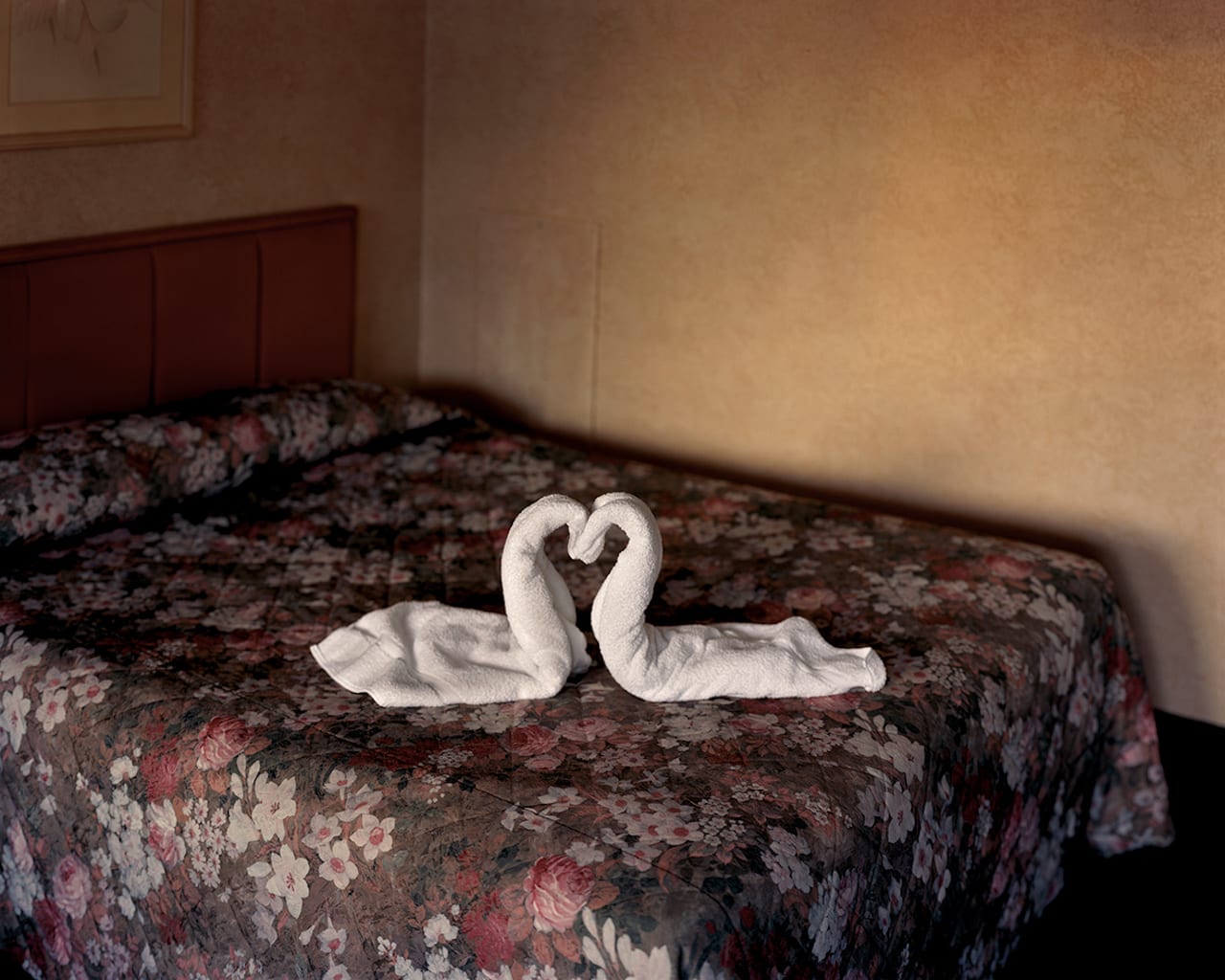
Alec Soth’s first book,  Sleeping in the Mississippi, was so sweeping in its epic statements, it seemed that Soth had nothing left to photograph. What could he do next? The answer is Niagara, a portrayal of the town that has traditionally been the romance capital of North America. In Niagara, Soth sets out to capture the grand passion of life, to do for love and marriage what Sleeping in the Mississippi does for the American Midwest.

“Niagara is part of American mythology. It’s a place of romance, where people go to get married,” says Soth. “But when I got there my view of the place totally changed. The American side is economically devastated. It’s bleak.” As Mack Books republishes Alec Soth’s classic book, BJP revisits our review first published in 2006

16 October 2018

Lu Nan’s insights into China – and life

“In 15 years, not a day went by when I didn’t question my own work,” says Chinese photographer Lu Nan, in an interview included in his new book Trilogy. “That’s why I scrutinise what I was doing by means of reading. This mode of assessing action through thought and assessing thought through action helped me to complete these projects. 

“The trilogy is concerned with human beings. I hope that by looking into real life, I’ll find something fundamentally and enduringly human.”

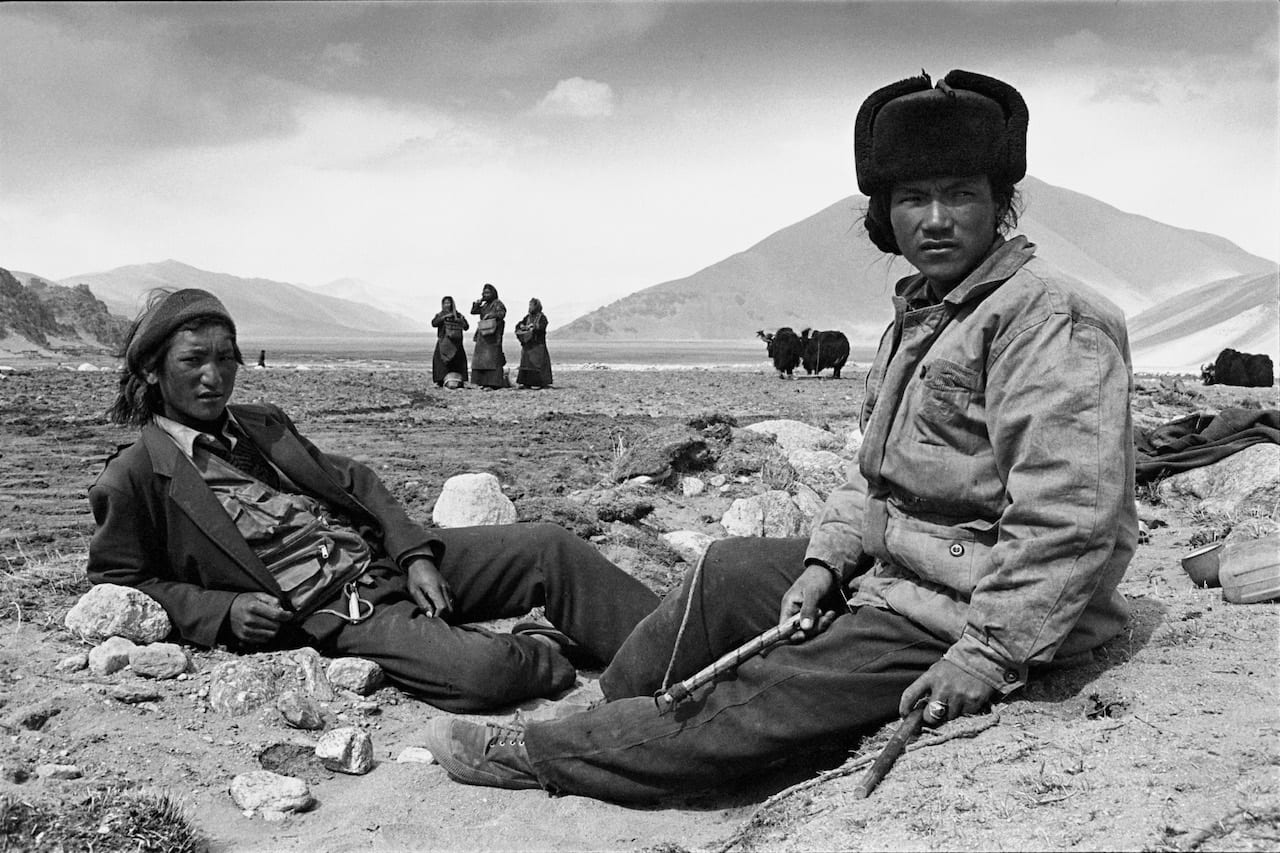
Lu Nan isn’t well known outside China but this book, his first in English, should change all that. It collects together three projects he shot over 35 years – The Forgotten People, a look at the lives of Chinese psychiatric patients, shot from 1989-1990; On the Road, a look at the lives of Catholics in China, shot from 1992-96; and Four Seasons, a look at the lives of rural Tibetans, shot from 1996-2004.

11 October 2018