
Search Results for: italy

Karim El Maktafi on life with dual heritage

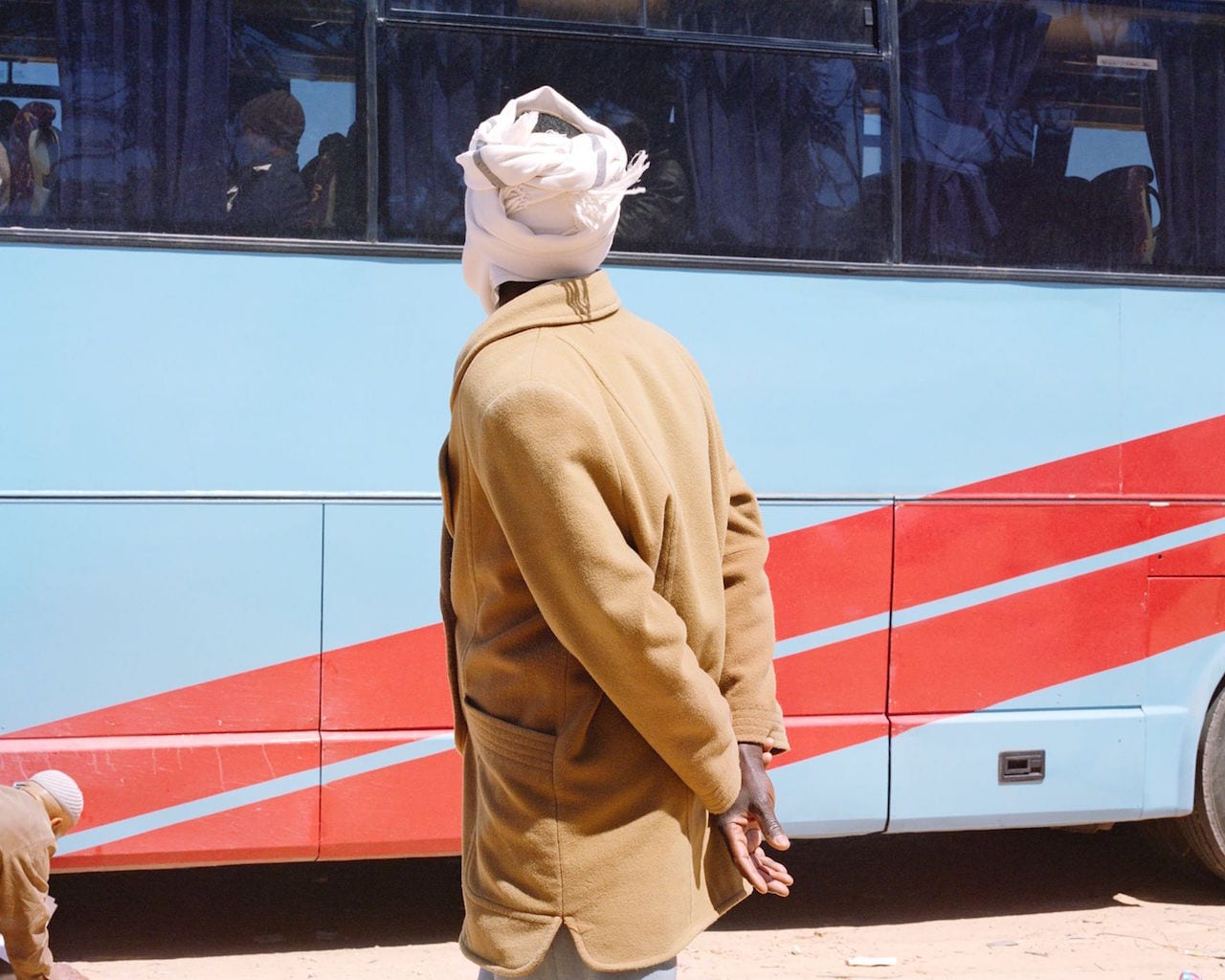
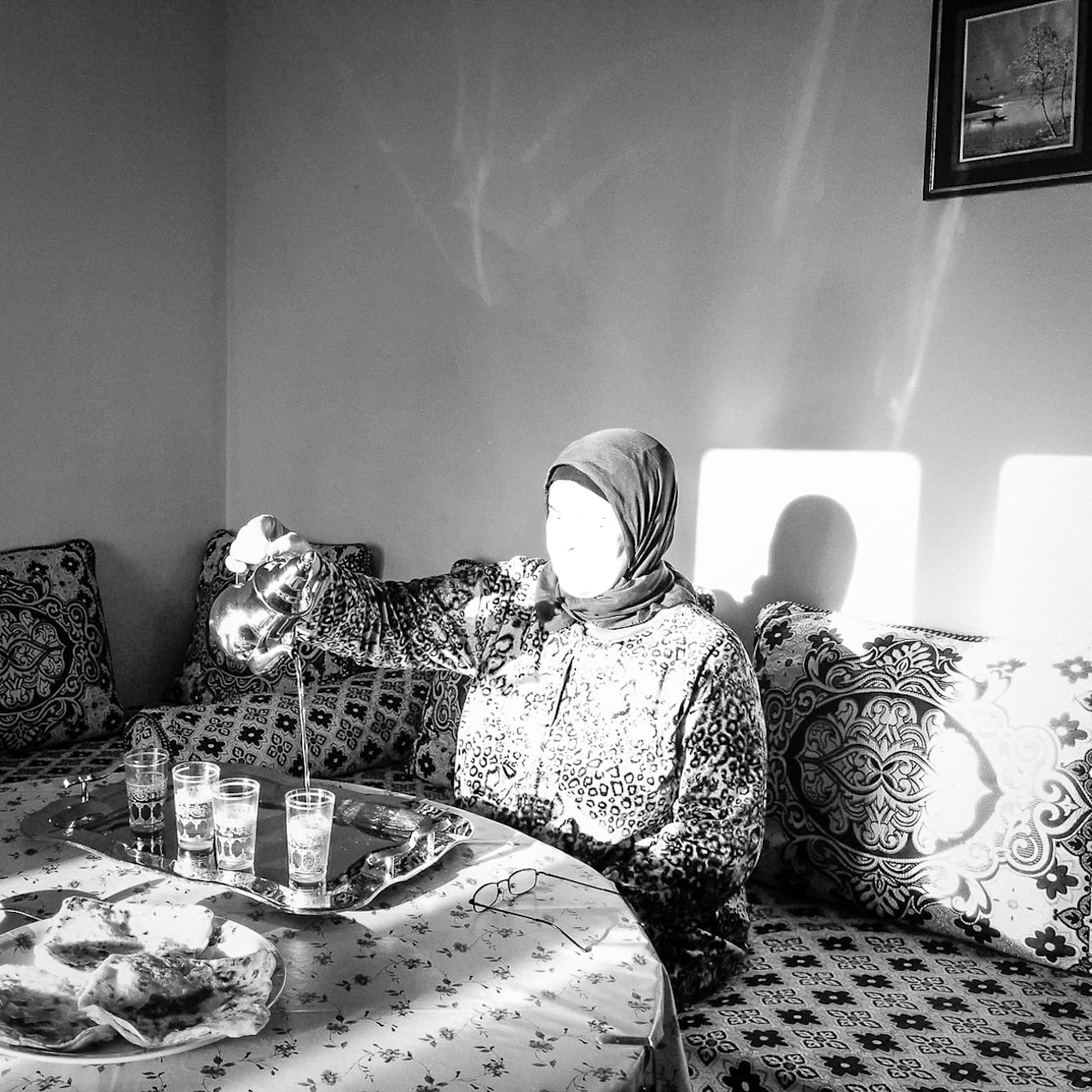
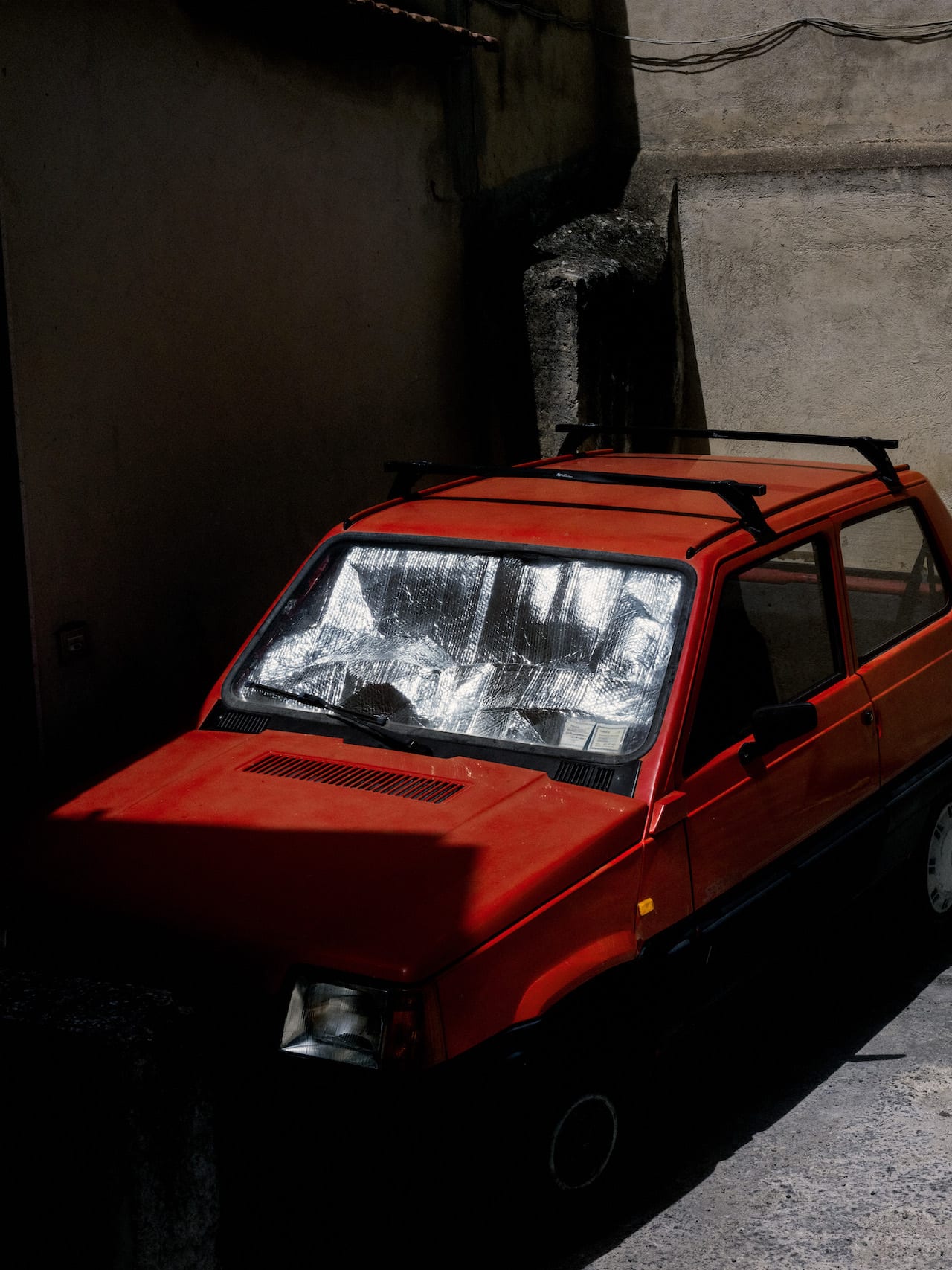
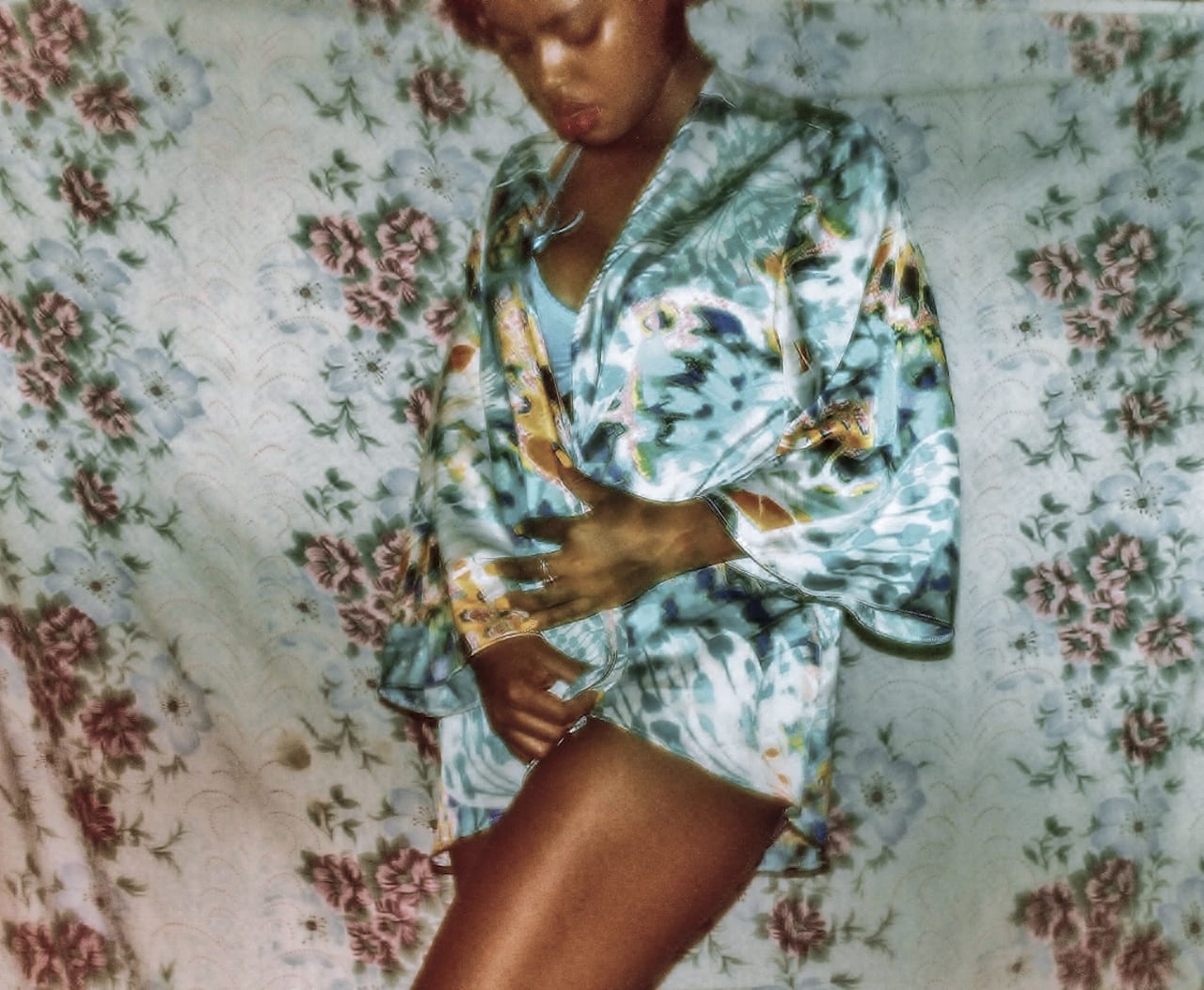
Hayati, meaning “my life” in Arabic, reflects on photographer Karim El Maktafi’s dual identity as a second-generation Italian born to Moroccan parents. The images were taken in both Italy and Morocco, and are all shot on an iPhone SE [Special Edition] – for a couple of reasons.

El Maktafi got into image-making via smartphones as a teen, after using them to take photographs of his friends. After graduating from the Italian Institute of Photography in 2013, he decided to return to the device with a more trained eye, when he decided to shoot Hayati.

He also uses a smartphone camera is because it’s less intrusive. El Maktafi’s family were against him photographing them, and in general don’t approve of photography as a career, which is why their faces are either cropped out or disguised by rays of light in the project. Using a smaller camera proved gentler way to record them, and the many other people involved.

6 June 2018

Michael Danner wins the Fotobookfestival Kassel Dummy Award

Michael Danner’s book project Migration as Avant-Garde has won the prestigious Dummy Award at the Fotobookfestival Kassel. His mock-up will now be produced and published by Kettler, Germany, the company behind Mathieu Asselin’s hit book Monsanto: A Photographic Investigation. 

Born in Reutlingen, Germany in 1967, Danner studied photography at Fachhochschule Bielefeld in Germany and the University of Brighton in the UK, and lived in London from 1997 to 2000. He’s now based in Berlin, where he lectures in photography at the Berliner Technische Kunsthochschule. He has previously published three monographs and seven artist’s books. 

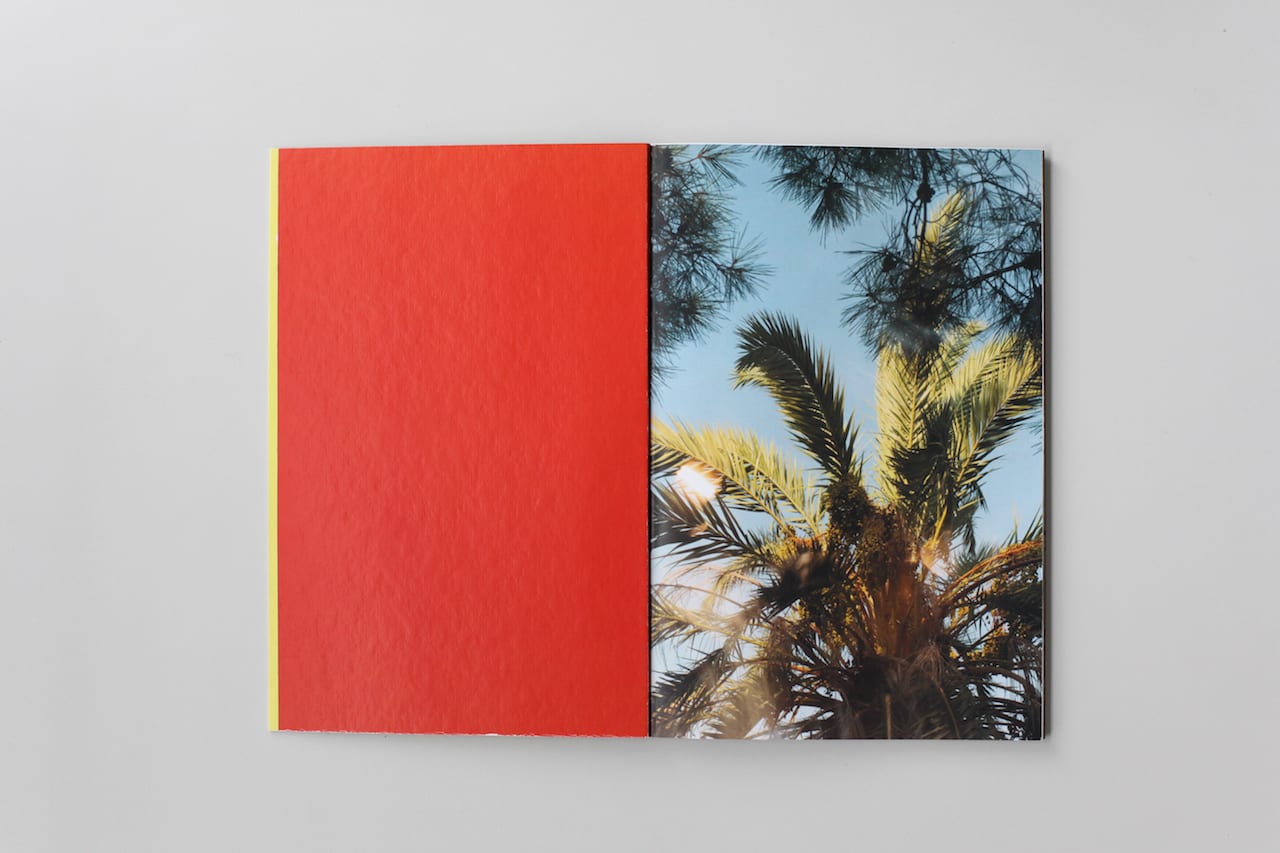
His project “examines the new ways in which migrants are pursuing their hope for a better life”, he states, adding: “The term ‘avant-garde’ stands for progress and the way of a pioneer. Driven by the desire to give their lives meaning, and guided by their own integrity, migrants bring new perspectives and points of view to our society. The origin of his work was the reading of a 1943 text by the philosopher Hannah Arendt.”

5 June 2018

Sam Ivin’s Lingering Ghosts on show in London

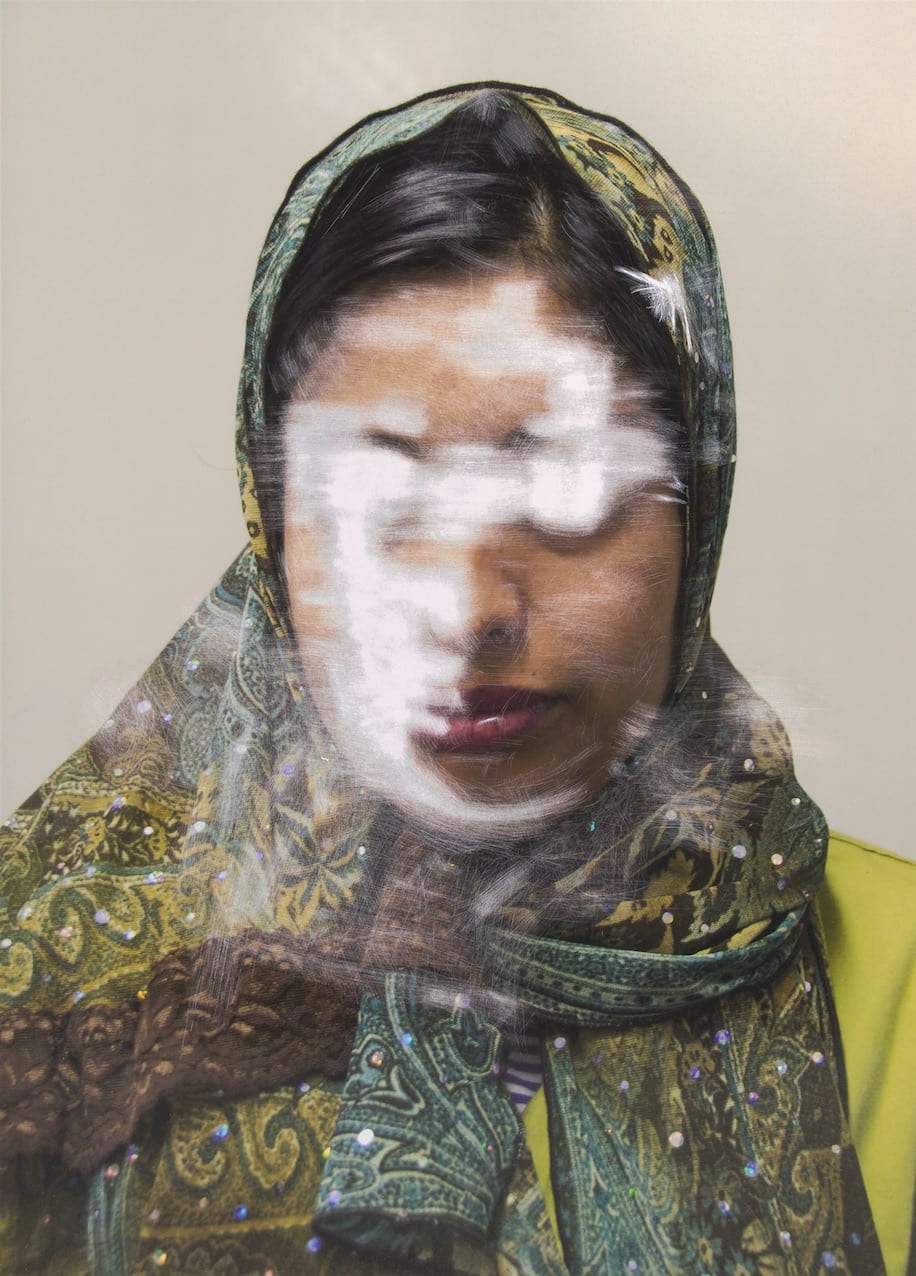
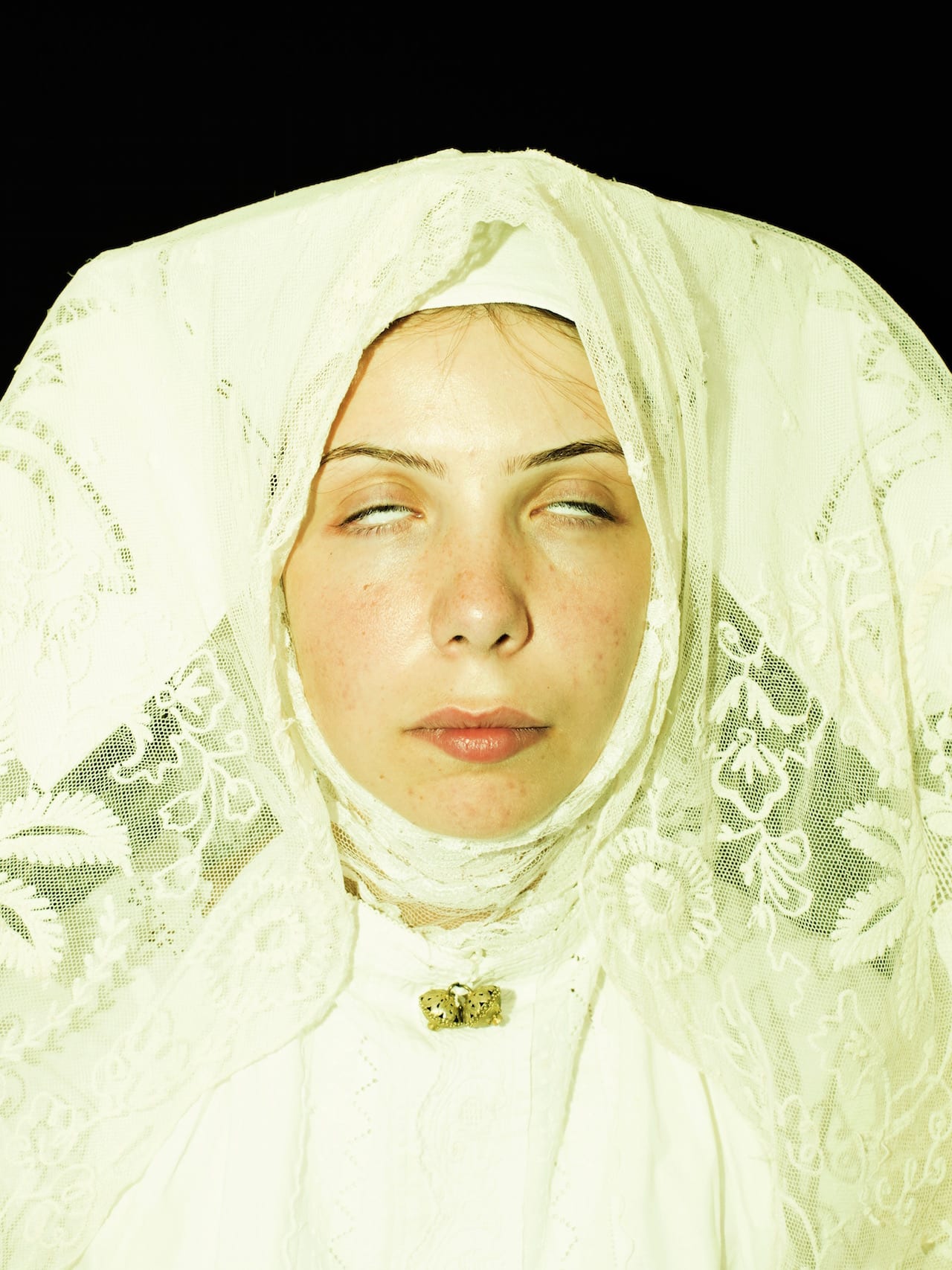
Article 14 of the Universal Declaration of Human Rights states: “Everyone has the right to seek, and to enjoy in other countries, asylum from persecution.” The UK was one of 48 nations to vote in favour of this document at the United Nations General Assembly in 1948 and now, 68 years later, British photographer Sam Ivin prints the full statement at the start of his first photobook, Lingering Ghosts. Made up entirely of portraits of people who have applied for asylum here, the book is a reminder – and an interrogation – of the codified notions of morality and fairness that Britain voted for but is not living up to.

Published by Fabrica, Lingering Ghosts asks a simple but thorny question – what does it mean to be an asylum seeker in the UK? Ivin scratched out the eyes of his subjects to induce a sense of foreboding, discomfort and alienation. As Gemma Padley notes in the foreword, “Once we remove our ability to connect with a subject through a person’s eyes, what remains?”

1 June 2018

Breaking Point at the Hamburg Triennial

The 18-year-old Hamburg Triennial will be directed for the second time by Polish curator Krzysztof Candrowicz, who moved to Hamburg four years ago and set about transforming the it, bringing people and institutions together, and determined to make it more relevant to the viewing public. The 2015 edition was, he says, “The first holistic attempt to create the collaborative framework of the festival. Before, the museums were basically highlighting their own exhibitions, but there was no actual curatorial collective structure.” The determinedly political and environmentally-conscious theme this year was inspired by an amalgamation of many factors, he says, including spending a year “away from structured, mechanised and commercial reality”, travelling around Latin America, Nepal and India. “Breaking Point became, for me, a metaphor for rapid and sometimes unexpected transformation on a personal and global level.”

23 May 2018

Ones to Watch: Valeria Cherchi

Between 1960 and 1997, the idyllic Italian island of Sardinia witnessed a series of kidnappings at the hands of the anonima sequestri sarda – a group of vigilantes meting out justice according to a traditional, local code of honour known as the codice barbaricino. Over 37 years, 162 people were kidnapped for ransom, with some of them killed. The kidnapping of seven-year-old Farouk Kassam in 1992 is particularly vivid for Sardinian-born-and-raised Valeria Cherchi, who was the same age at the time. The case instilled in her a profound fear. “I clearly remember the news, during his fifth month of imprisonment, that the upper part of his ear was found by a priest on a mountainous road in Barbagia, central Sardinia,” she recalls.

16 May 2018

Photo London: Magnum Photos on HOME

“What is ‘home’?” writes Magnum Photos curator Pauline Vermare. “Instinctively, the idea of peaceful haven comes to mind. A cocoon where one feels secure, loved and understood – a nurturing and forgiving place.” It’s a topic she’s been thinking about in depth, because back in 2017 Fujifilm invited Magnum Photos to collaborate on an ambitious group project, which eventually saw 16 of its documentary photographers reflect on the idea of ‘home’. These photographers are better-known for documenting the lives of others, but in this project, they were able to create intensely personal work instead. “This project provided photographers with an ideal pretext to explore a place they held dear, a familiar and familial landscape,” says Vermare. “It was an invitation to look inward and outward. Home – an inherently intimate and introspective subject matter – was also a formidable challenge to take on; for the past seventy years, Magnum photographers have predominantly been looking into the lives of others – and seldom looking into their own.”

14 May 2018

Announcing the 2018 Joop Swart Masterclass participants

“The stories that grabbed my attention were those created through unique personal approaches with a clear vision and a rich visual vocabulary,” says Noriko Hayashi, a Panos Pictures photographer who was a Joop Swart participant in 2015, and a judge for this year’s competition. Established in 1994, the Joop Swart Masterclass aims to reward the most talented emerging visual journalists and is designed to boost diversity in visual journalism and storytelling. This year 219 candidates from all over the world were nominated, and the 12 participants are: Mustafah Abdulaziz (US), Sharon Castellanos (Peru), Sabiha Cimen (Turkey), Samar Hazboun (Palestine), Alexandra Rose Howland (US), Katinka Hustad (Norway), Ksenia Kuleshova (Russia), Philip Montgomery (US), Léonard Pongo (Belgium), Ashfika Rahman (Bangladesh), Tasneem Alsultan (Saudi Arabia), and Cansu Yildiran (Turkey). There are also two runners-up, Alfredo Bosco (Italy) and Marie Hald (Denmark).

19 April 2018

Fuck it – Michele Sibiloni shoots Kampala’s eye-opening nightlife

Late in 2010, Michele Sibiloni left the sleepy town in the Emilia Romagna region of Italy where he had lived all his life and moved to Kampala in Uganda, a city eight times larger. He had come to cover the lead up to the 2011 general election in the country, which many had predicted might depose its leader, following the lead of the Jasmine revolution in North African countries. But, despite the jitter, all Sibiloni witnessed once the voting had ended was the swearing-in of President Yoweri Museveni for his fourth term in office since he helped overthrow Idi Amin in 1979. Even so, Sibiloni was hooked. “It’s so different to where I come from,” he tells me, by telephone from his apartment in Kampala. “At the beginning I found it really chaotic, but the more time I spent here, and the more I got to know about the surrounding region of East Africa, the more fascinated I became. In fact, I got really excited.”

4 April 2018