Diane Smyth

Diane Smyth is the editor of BJP, returning for a second stint on staff in 2023, after 15 years on the team until 2019. She also edits the Photoworks Annual, and has written for The Guardian, FT Weekend Magazine, Aperture, FOAM, and Apollo, plus catalogues and monographs. Diane lectures in photography history and theory at the London College of Communications, and has curated exhibitions for The Photographers Gallery and Lianzhou Foto Festival. Follow her on instagram @dismy

25 artists shortlisted for Contemporary African Photography Prize

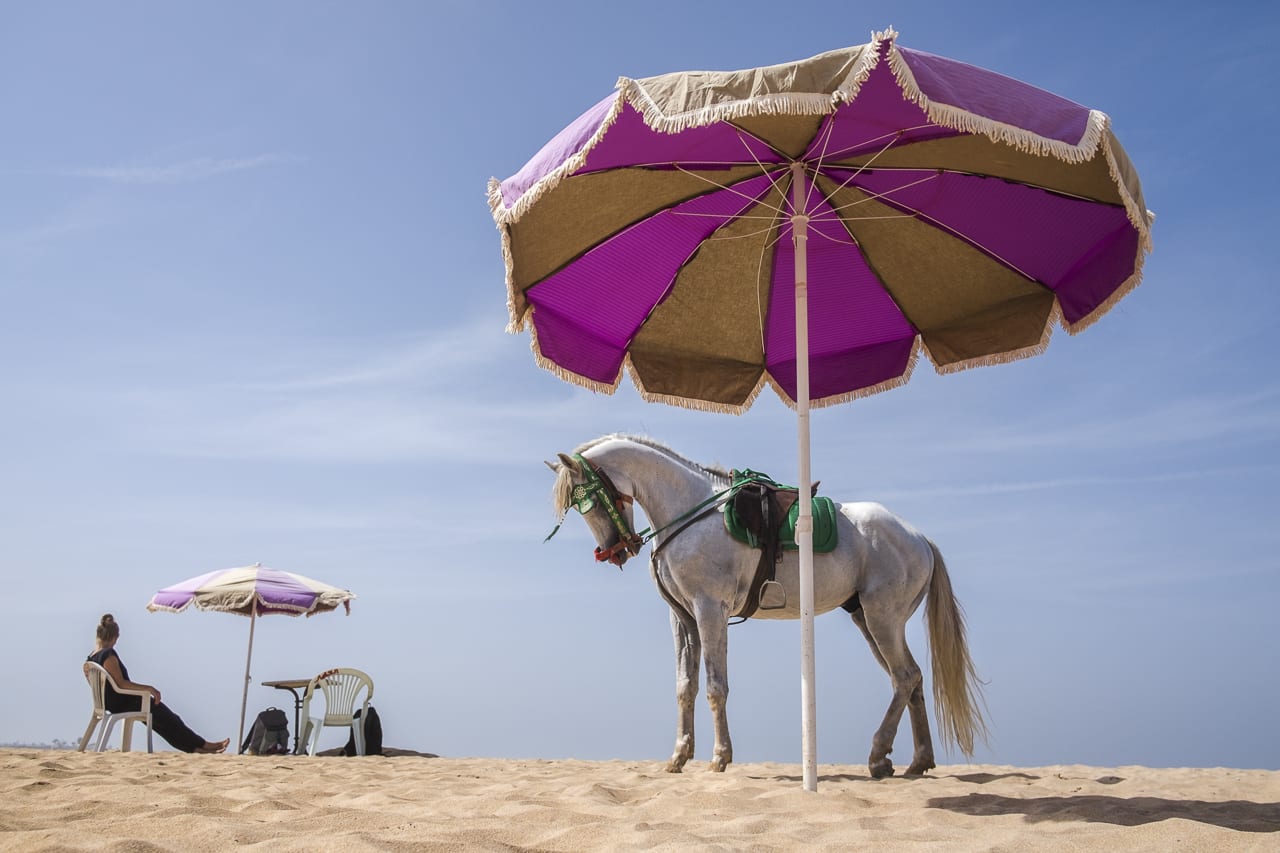
Founded in 2012 by Swiss artist Benjamin Füglister, the Contemporary African Photography Prize aims “to raise the profile of African photography and encourage a rethinking of the image of Africa”. Open to photographers from anywhere in the world whose work engages with the African continent or its diaspora, it picks out five winners every year and shows their work at major photography festivals around the world. This year 800 photographers entered, of whom 25 have made it to the shortlist.

28 March 2018

Man’s best friend and his own worst enemies on show in Dougie Wallace’s exhibition

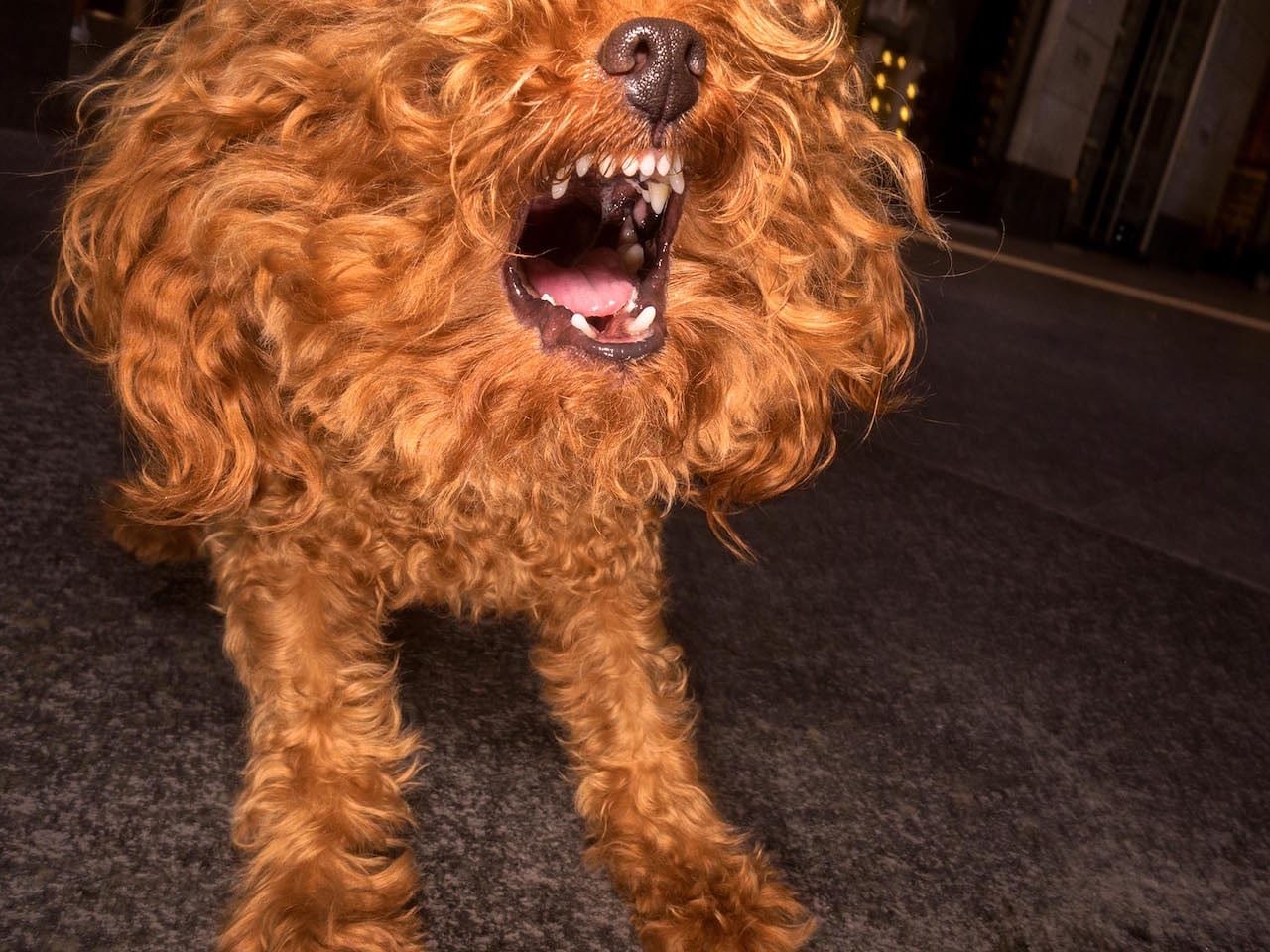
If you caught the documentary What Do Artists Do All Day on him on BBC Four a year ago, you’ll have an idea of what Dougie Wallace is like – upfront, funny, and very, very energetic. You could say the same for his photography too, which though it’s been shot in a variety of places ranging from Mumbai, to East London, to outside Harrods, always bears his trademark wit and momentum. Now Wallace is showing his five book projects to date at the Bermondsey Project Space in London –  Stags, Hens & Bunnies, Road Wallah, Harrodsburg, Shoreditch Wildlife, and a new title, Well-Heeled. A dogs-eye view of pampered pets, it’s now being published as a book by Dewi Lewis.

28 March 2018

Fay Godwin – on show and on film

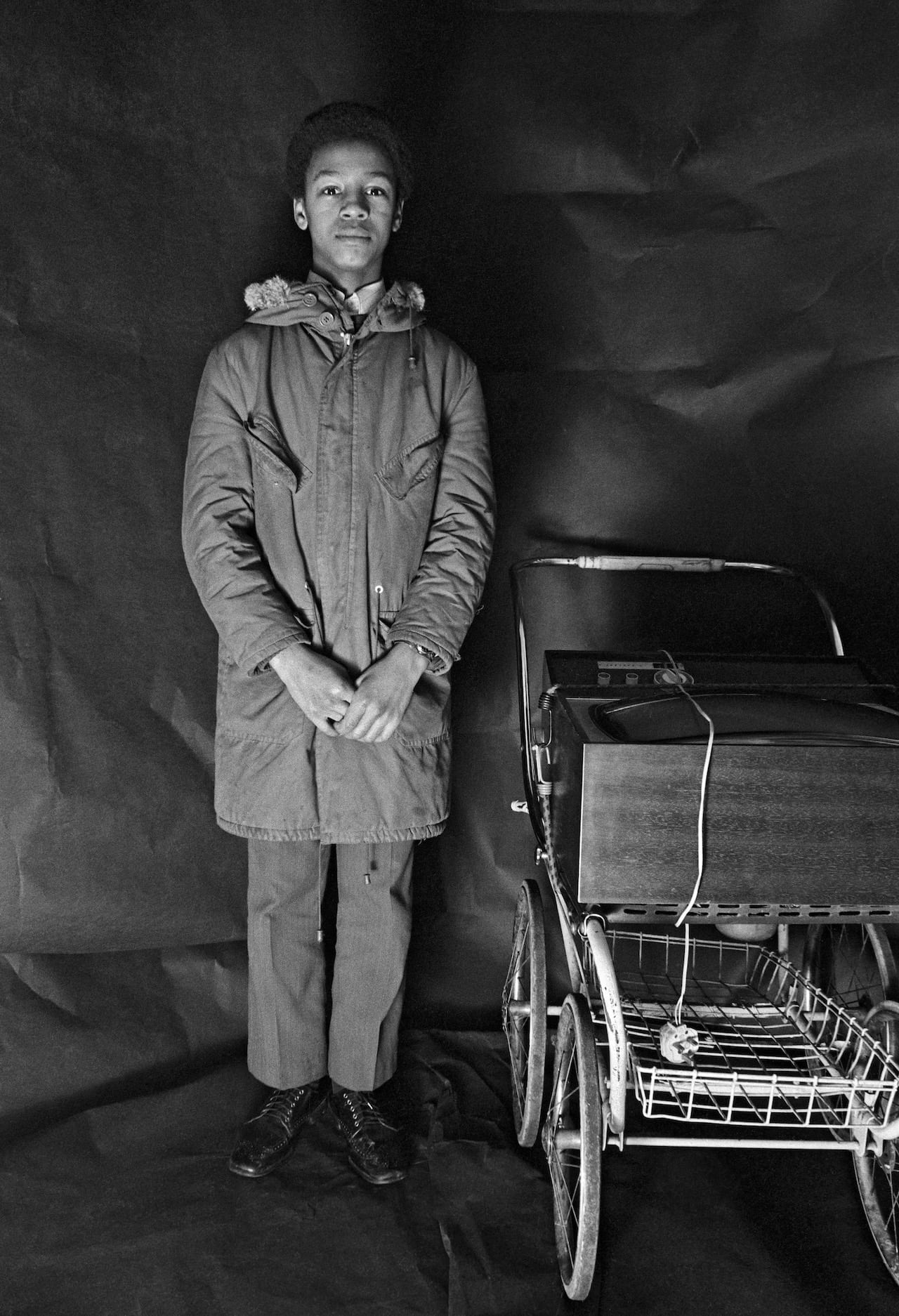
Born in 1931 to a British diplomat and an American artist, Fay Simmonds married publisher Tony Godwin in 1961, and was introduced to the cream of literary London. Already a keen amateur photographer, by the 1970s she had started taking portraits of the writers she met and by the end of the 1980s had shot almost every significant figure of the period – including Philip Larkin, Saul Bellow, Angela Carter, Ted Hughes, Philip Larkin, Doris Lessing, Salman Rushdie, Jean Rhys, and Tom Stoppard. But Fay Godwin was also a keen walker – in fact she led the Ramblers’ Association from 1987 to 1990 – and it was for her landscape photography that she became best known. Informed by a sense of ecological crisis, she shot books such as Rebecca the Lurcher (1973), The Oldest Road: An Exploration of the Ridgeway (1975), and co-authored Remains of Elmet: A Pennine Sequence with the poet Ted Hughes.

23 March 2018

1000 Words 10 Years – the respected online photography magazine goes into print

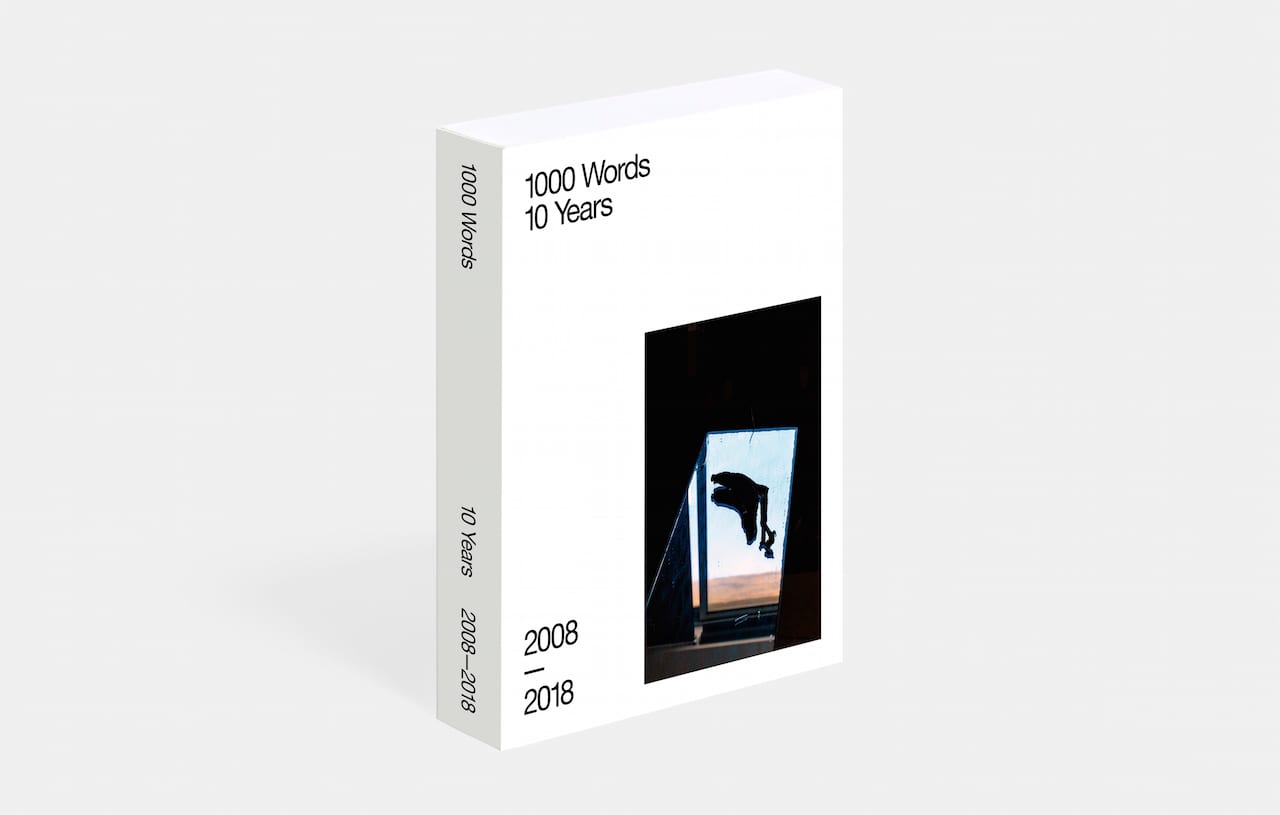
Back in 2008, Facebook was just four years old, Twitter was just two years old, and the iphone had just been released. Instagram had not yet been invented. A decade is a long time in internet years, and yet one online photography magazine launched into this unpromising landscape has survived and thrived – 1000 Words. Set up and still run by  editor-in-chief, Tim Clark, it includes long-form essays, interviews, and reviews, and has included contributors such as David Campany, Susan Bright, Gerry Badger, Charlotte Cotton, Wolfgang Tillmans, Adam Broomberg and Oliver Chanarin, Vanessa Winship and Lieko Shiga. Now, to celebrate its 10th anniversary, Clark is publishing a special print edition, 1000 Words 10 Years, designed by respected photography and art specialist Sarah Boris and featuring newly-commissioned content. The annual will be 200 pages long, and will feature 10 portfolios from influential artists such as Jose Pedro Cortes, Laia Abril, Edmund Clark, and Esther Teichmann, as well as a series of photo-centric city guides, profiles on curators and collectors, opinion pieces on the art of photobook publishing, and reflections on a decade’s changes in photography. It will also include a selection of memorable and talked-about articles from the 1000 Words back catalogue.


20 March 2018

Çağdaş Erdoğan speaks out

“I was not surprised at all at being arrested,” Çağdaş Erdoğan tells BJP. “It’s enough to say that as we speak there are still 170 reporters in prison in Turkey.”

The 26-year-old only recently regained his freedom, after being arrested on 02 September 2017 for taking photographs in Yoğurtçu Park. Officially he was taken into custody for photographing the Millî İstihbarat Teşkilatı (MİT) building, the home of Turkey’s answer to MI5, the National Intelligence Organisation. “But it is entirely fictitious,” he tells BJP, “because the place where I photographed is just a park and there isn’t any building, or even signs that show the presence of a restricted area where you cannot take pictures. Shortly after, the main reason of my arrest became the fact that I didn’t share any information about the contacts I used for some of my reportage as a journalist.

19 March 2018

Picturing a rural idyll in the little-acknowledged nation of Transnistria

As Moldova proclaimed its independence during the collapse of the Soviet Union, a 400km stretch of territory wedged between its border with Ukraine also declared itself a separate entity. With its own flag, parliament and currency, Transnistria has all the apparatus of being a nation yet it is only officially acknowledged as an independent state by three other republics, all of them also with limited recognition. Born at the same time as this new state, in 1990, Anton Polyakov and Anya Galatonova are first generation Transnistrians whose work is dedicated to visualising life in the region, believing that photography plays a crucial role in affirming their homeland’s identity.

15 March 2018

Obituary: Pete James, Curator of Photography Collections at the Library of Birmingham, 1958-2018

Peter James was an instrumental figure in British photography, establishing an outstanding collection of photography at the Library of Birmingham over his 26-year career at the institution, and researching and curating exhibitions at the V&A, National Portrait Gallery, Somerset House, Birmingham Museum and Art Gallery, Ikon Galley, the Library of Birmingham, and many more. He was also a modest and affable man, universally known as Pete and as at home over a curry as in a lecture hall delivering an academic paper. As Hilary Roberts, research curator at the Imperial War Museum, put it in a tribute on James’ Facebook page: “Pete has been a wonderful friend and exceptional colleague for more years than I can remember. His contribution to the world of photography cannot be overstated. It was a privilege to work with him and I will miss him more than I can say.”

14 March 2018

World Press Photo selects six emerging South American photographers

“There is no shortage of visual talent around the world, but some people are better known than others,” states World Press Photo. “To develop a new and more diverse visual representation of the world, we need to locate, recognise and share the best work.” With this in mind it launched the 6×6 Global Talent program, which aims to flag up six new talents drawn from one of six continents every three months. The first 6×6 flagged up six photographers from Southeast Asia and Occeania in November 2017; this time the focus is on South America and the selected image-makers are: Oscar B Castillo (Venezuela), Fabiola Ferrero (Venezuela), Luján Agusti (Argentina), Pablo Ernesto Piovano (Argentina), Felipe Fittipaldi Freire de Carvalho (Brazil), and Tamara Merino (Chile).

12 March 2018