
Diane Smyth

Diane Smyth is the editor of BJP, returning for a second stint on staff in 2023, after 15 years on the team until 2019. She also edits the Photoworks Annual, and has written for The Guardian, FT Weekend Magazine, Aperture, FOAM, and Apollo, plus catalogues and monographs. Diane lectures in photography history and theory at the London College of Communications, and has curated exhibitions for The Photographers Gallery and Lianzhou Foto Festival. Follow her on instagram @dismy

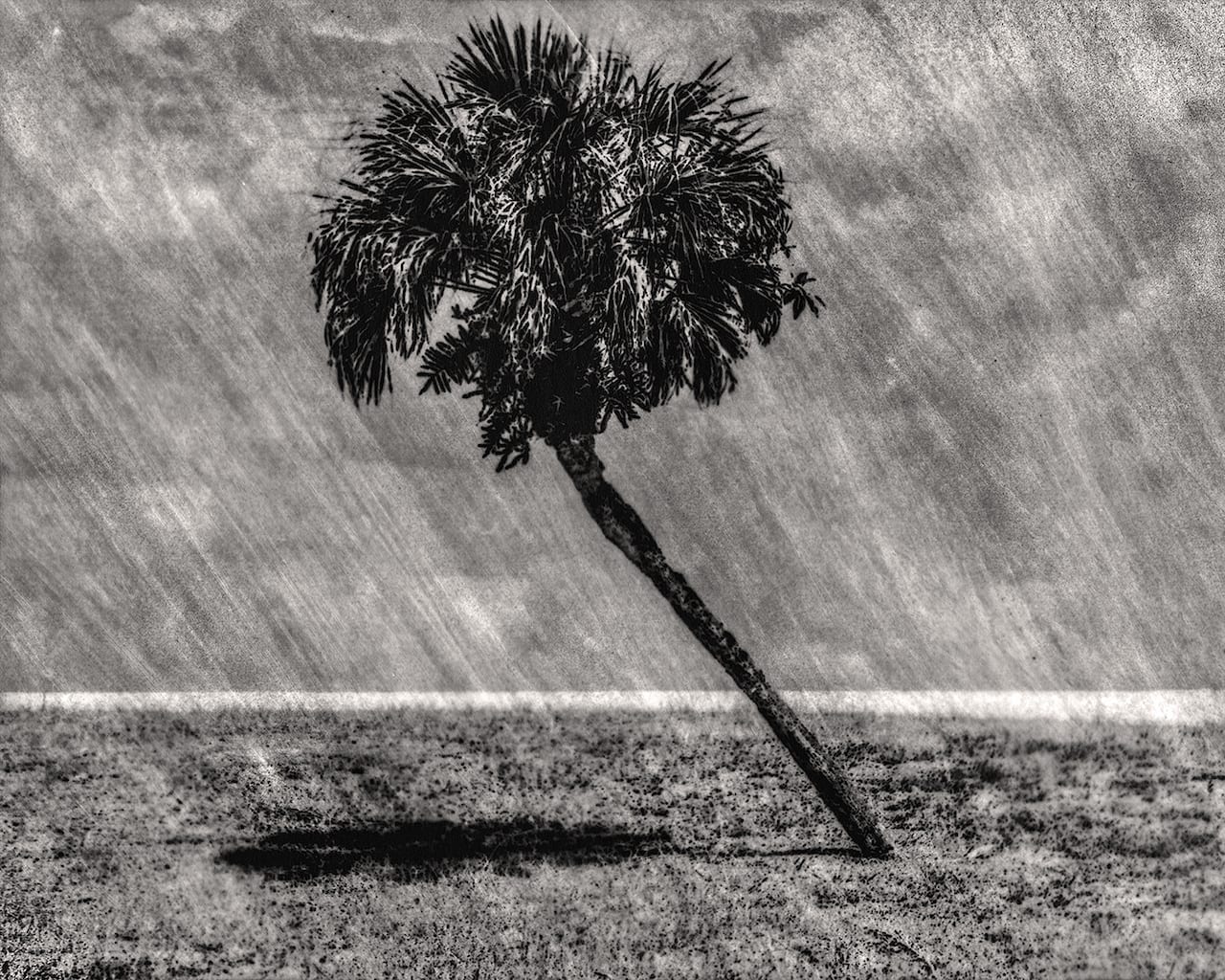
Marcus DeSieno records the No Man’s Land of surveillance cameras worldwide

Hacking into the live feed of a CCTV camera is “shockingly easy” says Marcus DeSieno, whose new book, No Man’s Land, presents a series of landscape photographs captured on surveillance cameras around the world. He got the idea for the project back in 2013, after seeing a couple of park rangers attach a security camera to a tree in the Everglades National Park, Florida. Even though the cameras were ineffective at night, when most trespassers would plan to break in, the wardens said that the purpose of installing them was to instigate fear, and “act as a symbol of power”.

16 May 2018

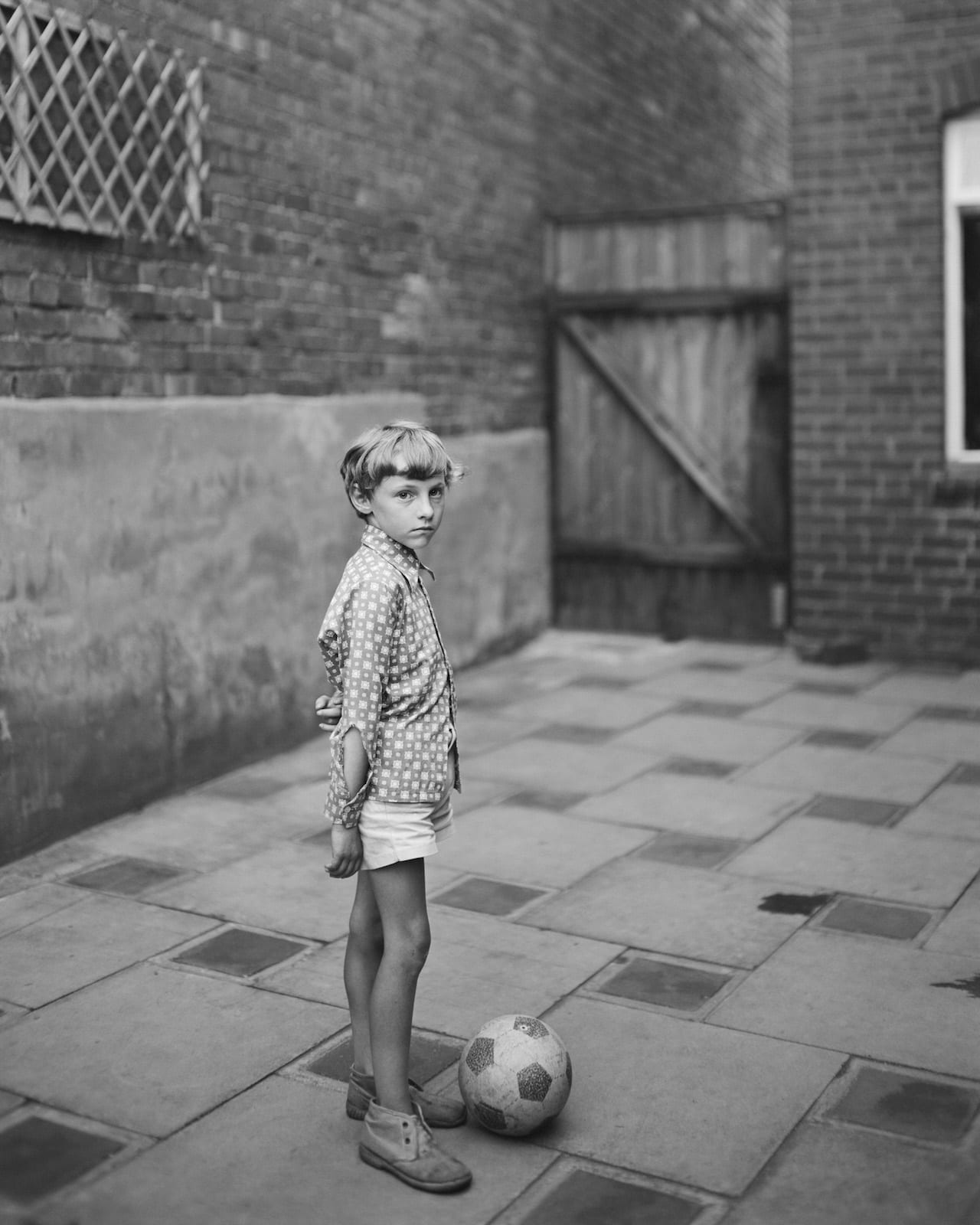
John Myers’ portraits

“It was a different time to now, it’s hard to remember just how scarce images were,” says John Myers. “Now you can get things on screen, in the early 1970s there was only a smattering of images available. When I give a talk, I often start by handing out a sheet of paper with a list of interests and influences in 1972-75. The names run across just half a side of A4. There aren’t that many on it, and it includes people I was interested in on the basis of one or two images.” But for Myers, this scarcity was part of the allure. After studying Fine Art with Richard Hamilton, he got into photography in 1972 “because I had never done it”; initially only familiar with Bill Brandt and Henri Cartier-Bresson’s work, as photography rapidly gained recognition in Britain he soon had access to much more. “I was so excited to come across people, when photography suddenly started emerging from the shadows and books were being published,” he says. Myers started shooting with a Mamiya but, finding it “odd” to be looking down at his waist, moved to a 5×4 plate camera and soon found his stride.

14 May 2018

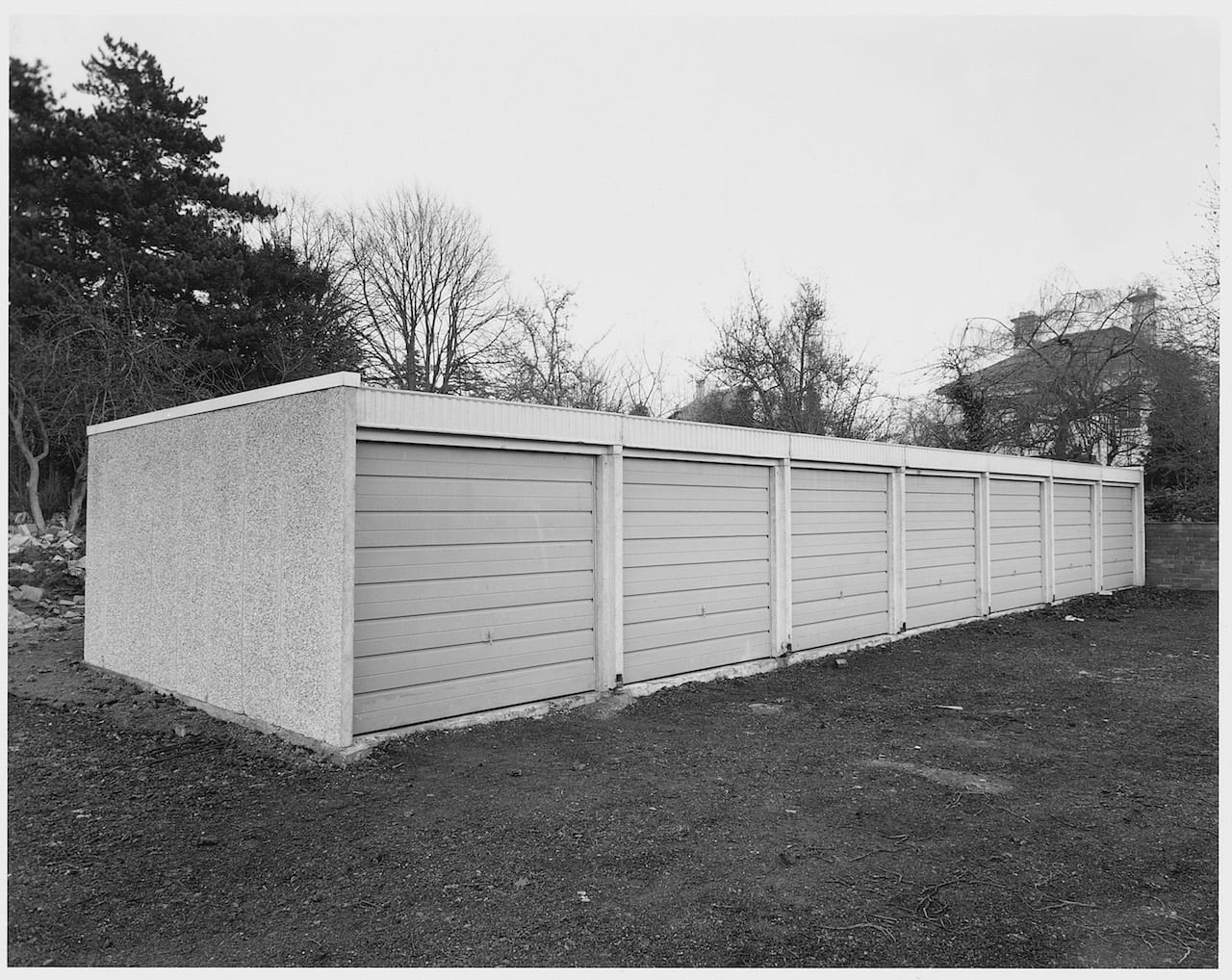
The World is Not Beautiful – But It’s There, by John Myers

“I believe photographers have got to come to terms with the world we live in, not the world journalists like, which is spectacular and exciting and makes good copy,” says John Myers. “Photographers and sub editors and journalists, all kinds of journalist want a story. They want to sell papers, and what sells is something unusual. ‘Man with three legs marries 86 year old widow’, it makes a terrific headline. They’re not so interested in what’s going on down the road at number 83.”

14 May 2018

Palm Photo Prize at London’s House of Vans

Work by 120 young photographers from around the world is on show in London’s House of Vans from 10 May – 03 June. Selected from an open call for the Palm Photo Prize, the show features one image per photographer and, say the organisers, “places an emphasis on raw, engaging work”. The winners will be announced online on 04 June, having been picked out by a judging panel comprising: Karen McQuaid, senior curator at The Photographers Gallery; Joshua Coon, director, content marketing & production at Kodak; Jack Harries, editor at The Heavy Collective; and Andrea Aurland, editor in chief at Huck Magazine.

10 May 2018

Victorian Giants Lewis Carroll, Julia Margaret Cameron, Oscar Rejlander and Clementine Hawarden at the NPG

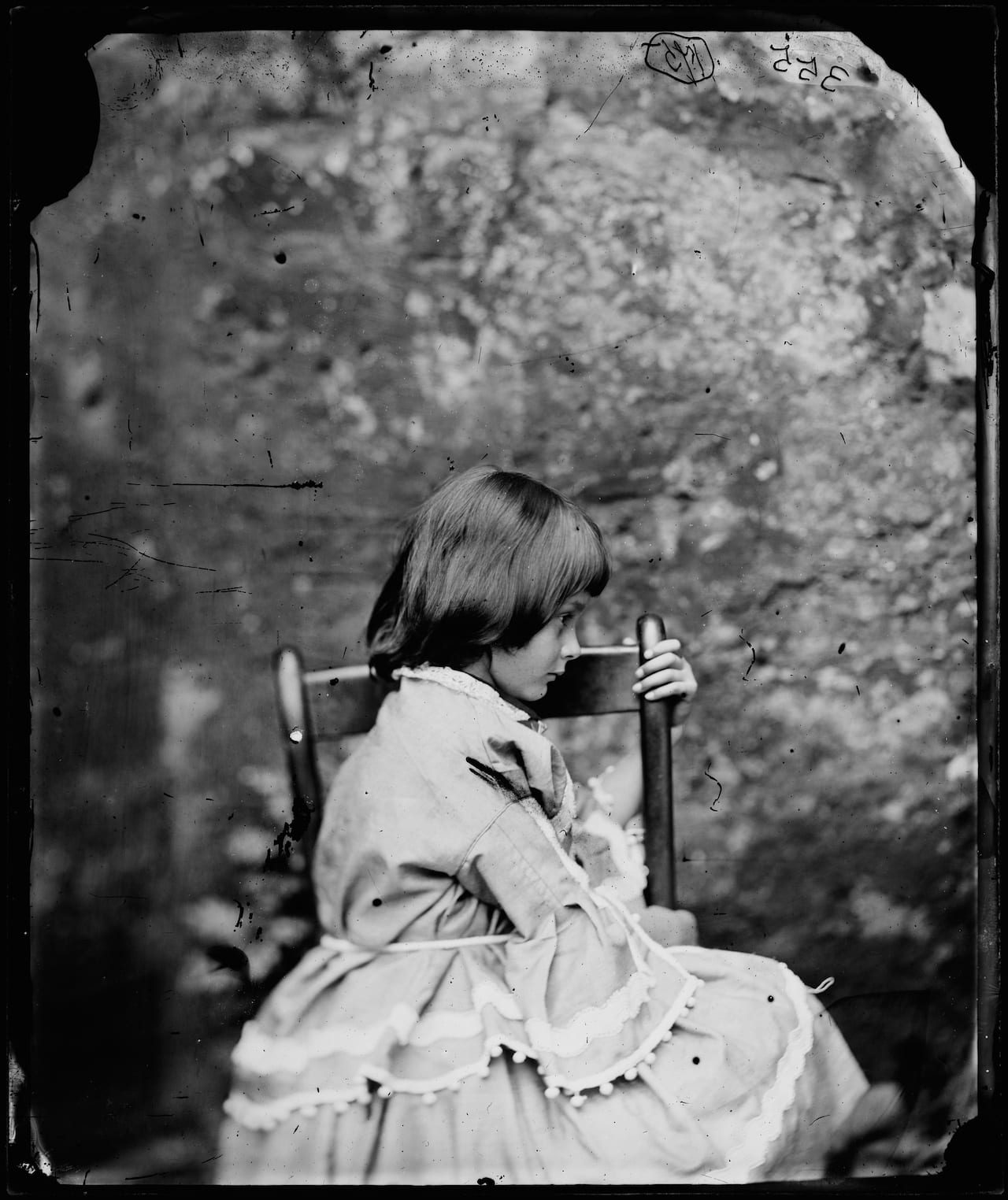
“When people think of Victorian photography, they sometimes think of stiff, fusty portraits of women in crinoline dresses, and men in bowler hats,” says Phillip Prodger, head of photographs at the National Portrait Gallery. “Victorian Giants is anything but. Here visitors can see the birth of an idea – raw, edgy, experimental – the Victorian avant-garde, not just in photography, but in art writ large. The works of Cameron, Carroll, Hawarden and Rejlander forever changed thinking about photography and its expressive power. These are pictures that inspire and delight. And this is a show that lays bare the unrivalled creative energy, and optimism, that came with the birth of new ways of seeing.”

10 May 2018

Poulomi Basu’s Centralia wins the PHM 2018 Grant

“In Centralia, Poulomi Basu continues to focus her gaze on the interrelation between violence, state power, and gender,” says Monica Allende, member of the jury for the PHM grant. “By intertwining multilayered fictional narratives she aims to challenge the viewer’s perception of reality, as well as established neocolonialist histories. “In an era of post-truth and fake news, where we battle for control of “official” narratives, Basu’s work forces us to reflect on our own prejudices and educated preconceptions. Despite addressing such complex issues, the work is both illuminating and engaging – a testament to her innate ability as a documentarian. The result is a beautifully executed story which is thoroughly deserving of the winning grant.”

8 May 2018

Nigel Shafran’s Work Books 1984 – 2018

Nigel Shafran first came to fame in 1990 with a series of images published by i-D; showing teenage shoppers in a down-at-heel precinct in Ilford, it was the antithesis of a high-end fashion shoot. His first venture into publishing, Ruthbook, had a similarly pared-down approach; showing his girlfriend shot mostly at home, in her dressing gown, say, or blowing her nose, alongside details such as crumbs on a kitchen work surface, a pot on the stove, or a hair stuck on a bar of soap. Shafran hand-wrote the title, in pencil, on all 600 copies. Now he’s found a new twist on this everyday approach, putting his work books on show. Dating from 1984 right up to 2018 they’re a creative insight into his working process and life, and a typically understated collection – though it’s the inaugural exhibition at Sion and Moore, the gallery run by Claire de Rouen’s Lucy Moore in the space that used to house Wolfgang Tillmans’ studio.

3 May 2018