
Diane Smyth

Diane Smyth is the editor of BJP, returning for a second stint on staff in 2023, after 15 years on the team until 2019. She also edits the Photoworks Annual, and has written for The Guardian, FT Weekend Magazine, Aperture, FOAM, and Apollo, plus catalogues and monographs. Diane lectures in photography history and theory at the London College of Communications, and has curated exhibitions for The Photographers Gallery and Lianzhou Foto Festival. Follow her on instagram @dismy

Chinese photographer Lu Guang officially arrested

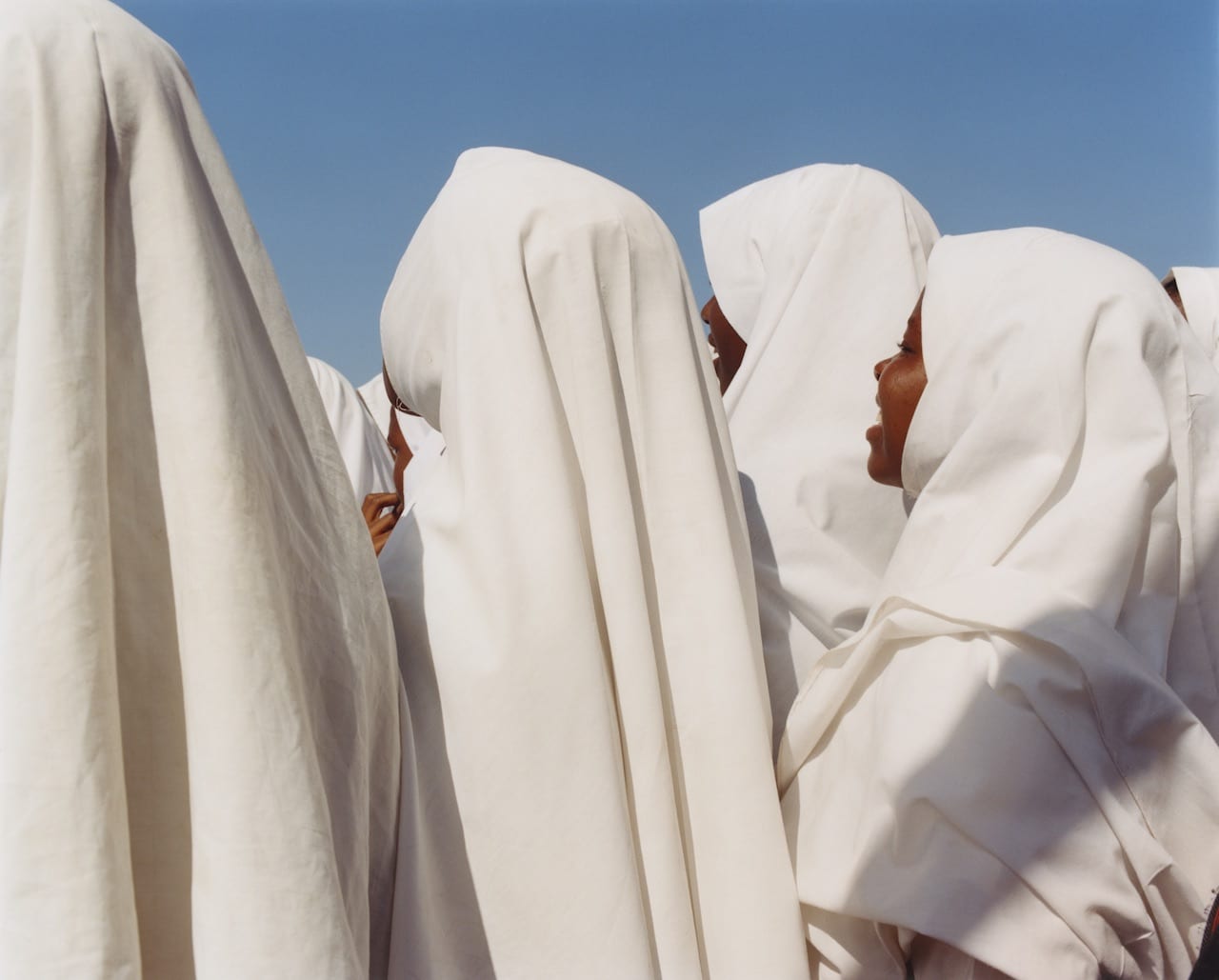
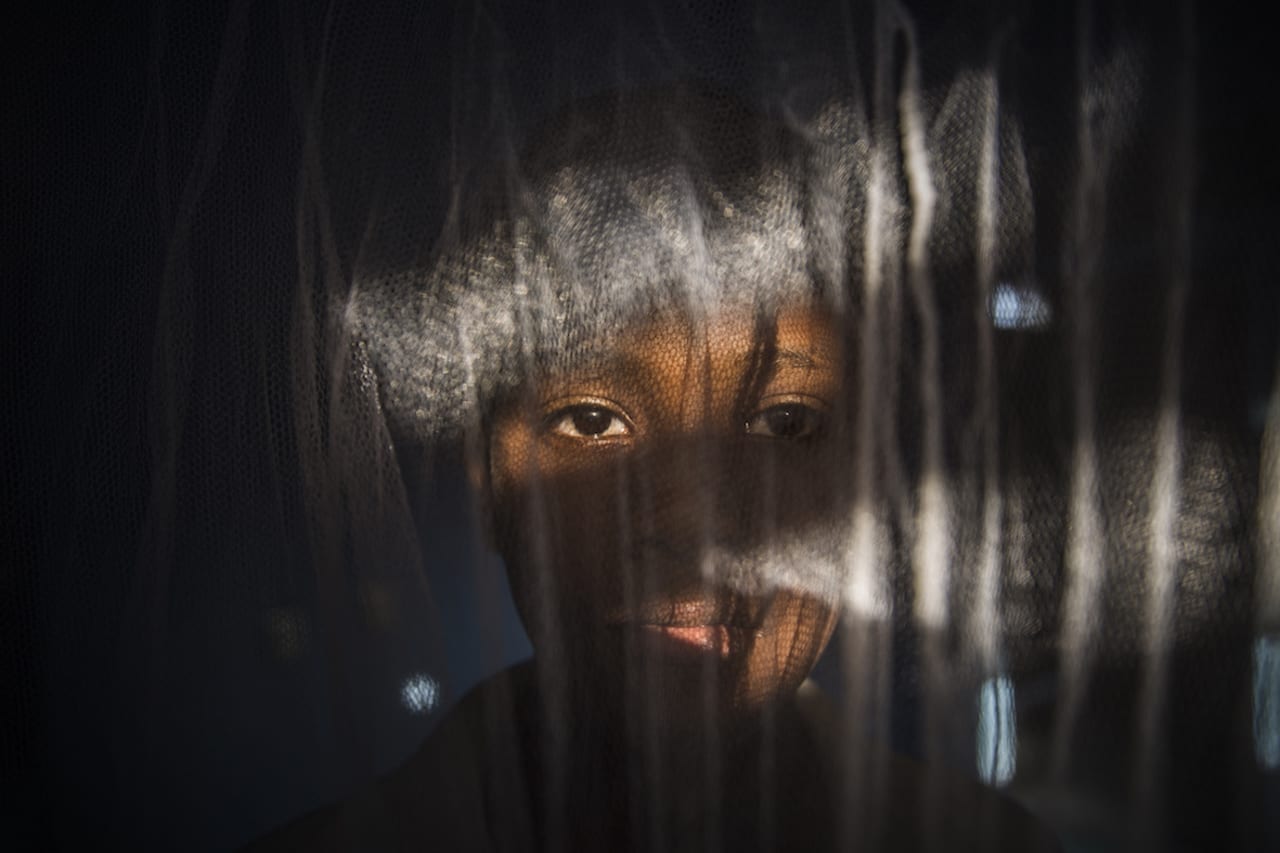
The Chinese police have confirmed that they have arrested photographer Lu Guang, according to reports in The New York Times and elsewhere. He has been missing since early November but, his wife Xu Xiaoli has apparently confirmed, the police called his family this week to confirm he was arrested in Kashgar – an ancient city in southern Xinjiang that has seen a government crackdown on Uighurs and other Muslim minorities.

 Xu says she still doesn’t know why Lu has been arrested though, and says that the police haven’t provided a written notice confirming the detention. A friend of Lu’s who disappeared at the same time is also still missing, though Xu had no more information about his fate.

14 December 2018

BJP-online Loves…

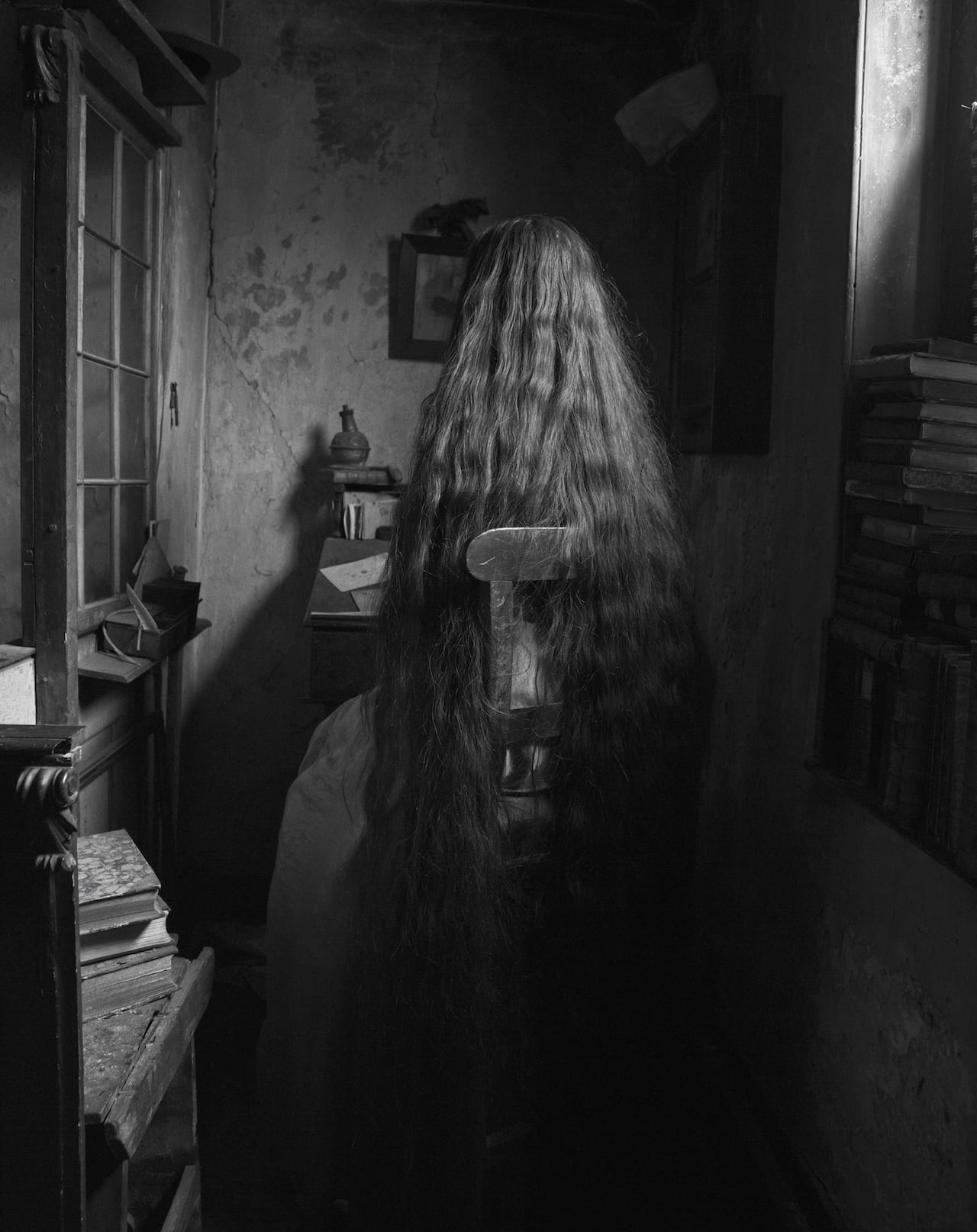
BJP-online Loves the new Russian photography on FotoDepartament’s Attention Hub, the RPS’ list of 100 photographic heroines, Claudio Majorana’s Head of the Lion, John Myers’ Looking at the Overlooked, Feast for the Eyes – The Story of Food in Photography on show at FOAM, Jamie Hawkesworth’s a blue painted fence, and La Vertigine by Federico Clavarino

14 December 2018

A hundred photographic heroines

What do Sophie Calle, Rineke Dijkstra, Susan Meiselas, and Hannah Starkey all have in common? They’re all on the list of 100 contemporary women photographers picked out by the UK’s Royal Photographic Society, after an open call for nominations. Over 1300 photographers were recommended to the organisation by the general public, which was slimmed down by a judging panel headed up by photographer Rut Blees Luxemburg.

The final list includes well-known names but also less recognised image-makers such as Native American artist Wendy Red Star, Moscow-based photographer Oksana Yushko, and Paola Paredes from Ecuador. Each Heroine will be awarded a Margaret Harper medal, named after the first female president of The Royal Photographic Society, and the first female professor of photography in the UK. An exhibition and accompanying publication will follow, all part of a bid to highlight women working in what is still a male-dominated industry.

“Although it was a truly challenging exercise having to consider 1300 women, being a part of the jury for Hundred Heroines was ultimately an incredibly stimulating and inspirational process,” says Luxemburg. “This final list reflects both the global expanse of female practice and the intergenerational input into contemporary photography. It reflects the wide range of methodologies, practices and diverse approaches of women working with the photographic medium. This is a moment of change and this list of heroines pays heed to it.”

14 December 2018

John Myers Looking at the Overlooked

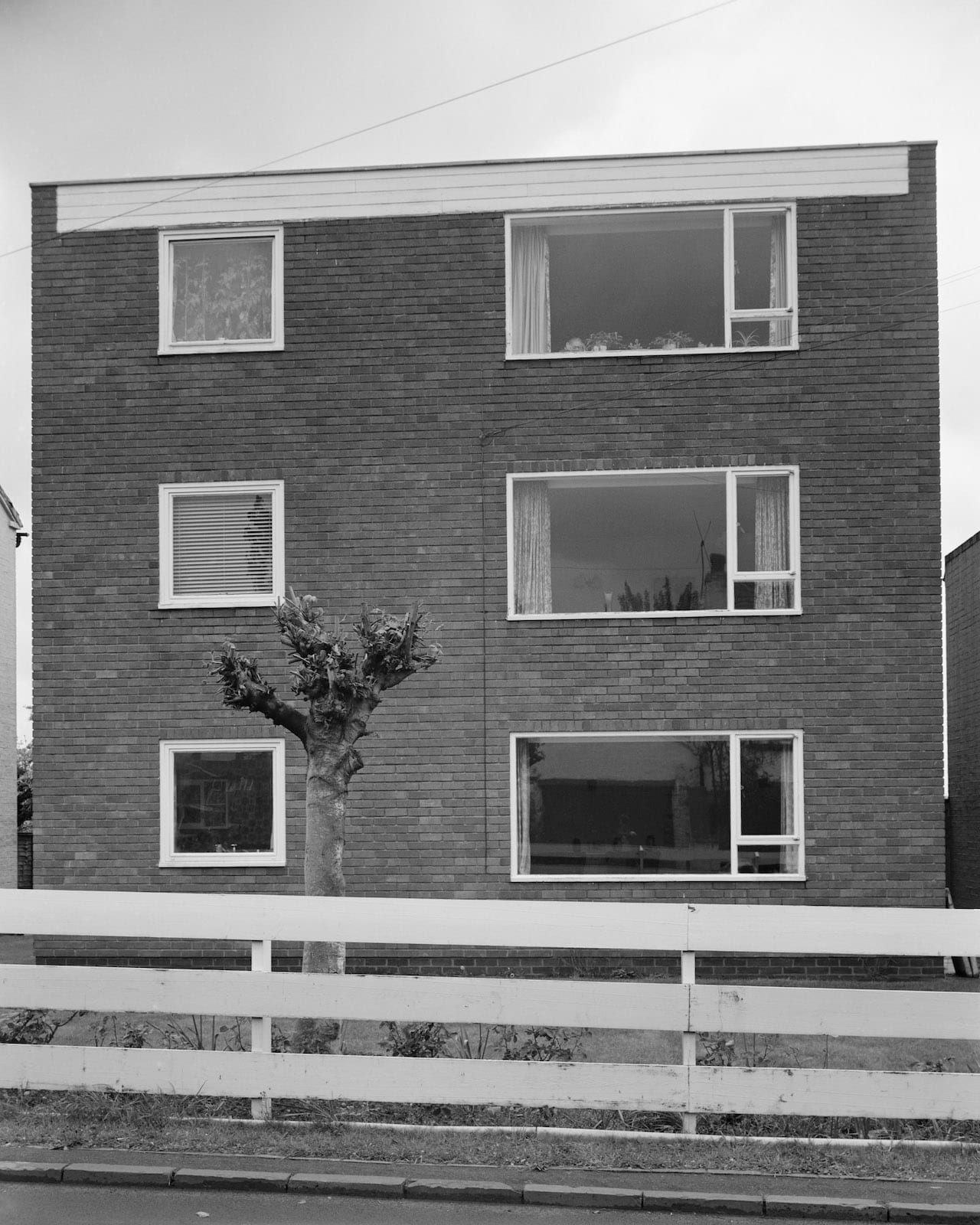
John Myers is back with new book called Looking at the Overlooked – a good title for a photographer who specialises in images of the unremarkable, and who himself nearly fell from photographic history. Working in Britain’s post-industrial Midlands from 1973-1981, Myers created an archive of the unspectacular that attracted attention at the time but then lay undisturbed for 30 years until a chance meeting with a curator. A solo show at Birmingham’s Ikon Gallery followed in 2011, kick-starting a comprehensive reappraisal at his work that’s resulted in more solo shows and several publications.

Looking at the Overlooked is published by RBB Photobooks, which also published a collection of Myer’s portraits earlier this year. But where The Portraits focused in on pictures of people, Looking at the Overlooked is a glorious compendium of “the claustrophobia of the suburban landscape in the 1970s”. Focusing in on substations, shops, houses, televisions, and so-called “landscapes without incident” – or as Myers puts it, “boring photographs” – the images are all recorded with a deadpan aesthetic that’s won Myers comparisons to the celebrated New Topographics movement in the US.

12 December 2018

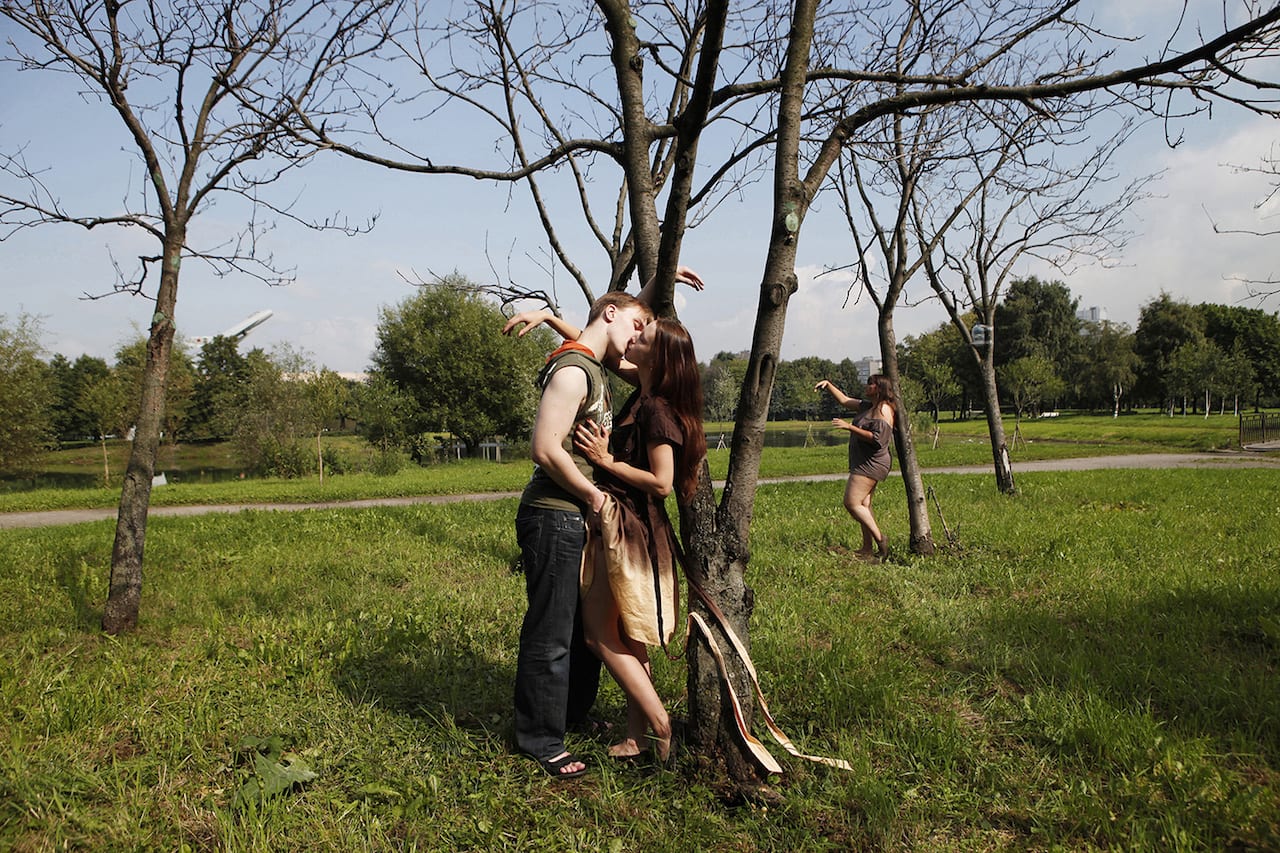
New Russian photography on FotoDepartament’s Attention Hub

“The way the international audience perceives Russian photography is often based on ‘exoticism’, that builds a pernicious stereotyping around Russian art,” say the makers of Attention Hub. “We show the artists who speak an intercultural and international language, pushing imaginary boundaries.”

Put together by FotoDepartament, the respected St Petersburg gallery, publisher, and arts centre, Attention Hub’s premise is simple – to harness the international reach of the internet to promote a hand-picked selection of emerging Russian photographers. Prints of the photographers’ work can be bought online for as little as €220, with half the price going to the photographer; the rest of the money will go towards building a programme of international events and initiatives to promote their work.

“Online is a dynamic and accessible format, providing the maximum audience coverage from anywhere in the world,” runs the site’s introductory text. “The combination of technology, digitalisation of information consumption, and trends of selling art online all build new ways of overcoming physical boundaries and setting up the convenient and focused support that independent art needs.”

10 December 2018

Jamie Hawkesworth’s a blue painted fence

In 2010, when BJP first came across Jamie Hawkesworth, he’d just been shooting in Preston Bus Station along with Adam Murray and Robert Parkinson from the Preston is my Paris zine. Picking out passersby who caught his eye in the rundown but celebrated Brutalist transport hub, Hawkesworth’s images were published in a free newspaper and given to the disadvantaged teenagers who used the buses. They helped save the bus station from demolition, but they also helped launch a stellar career, with Hawkesworth signing up with the prestigious London agency  MAP soon afterwards.

Fast-forward to 2018 and Hawkesworth is a celebrated fashion photographer, who’s shot ad campaigns for Alexander McQueen and Marni, and editorial for publications such as Vogue Italia, W, and Purple. He’s also got an exhibition on show in London, a blue painted fence, which shows off his film, drawings, and writing, as well as new photographs from Kenya, Louisiana and Romania. Despite his success he’s still very much the same man BJP first met eight years ago, down-to-earth and modest, with a refreshingly breezy approach to his many talents. 

Of his drawings, for example, he says it’s just a case of “having room to get out there and explore, of being open to chance”. “I found myself giving it a try, thinking ‘Oh I’ll just try some charcoal’, and it went from there,” he says. “The great thing about charcoal is it’s easy to get it on [the paper] and see where energy takes you.”

10 December 2018

BJP-online Loves…

BJP-online Loves Maria Sturm’s You don’t look Native to me, Jean-Vincent Simonet’s psychedelic images of Tokyo, Roger Melis’ photographs of East Germany, Dawoud Bey’s exhibition Places in History, and the fact that MACK’s First Book Award is now open-entry

7 December 2018

Maria Sturm wins the 2018 PHmuseum Women Photographers Grant

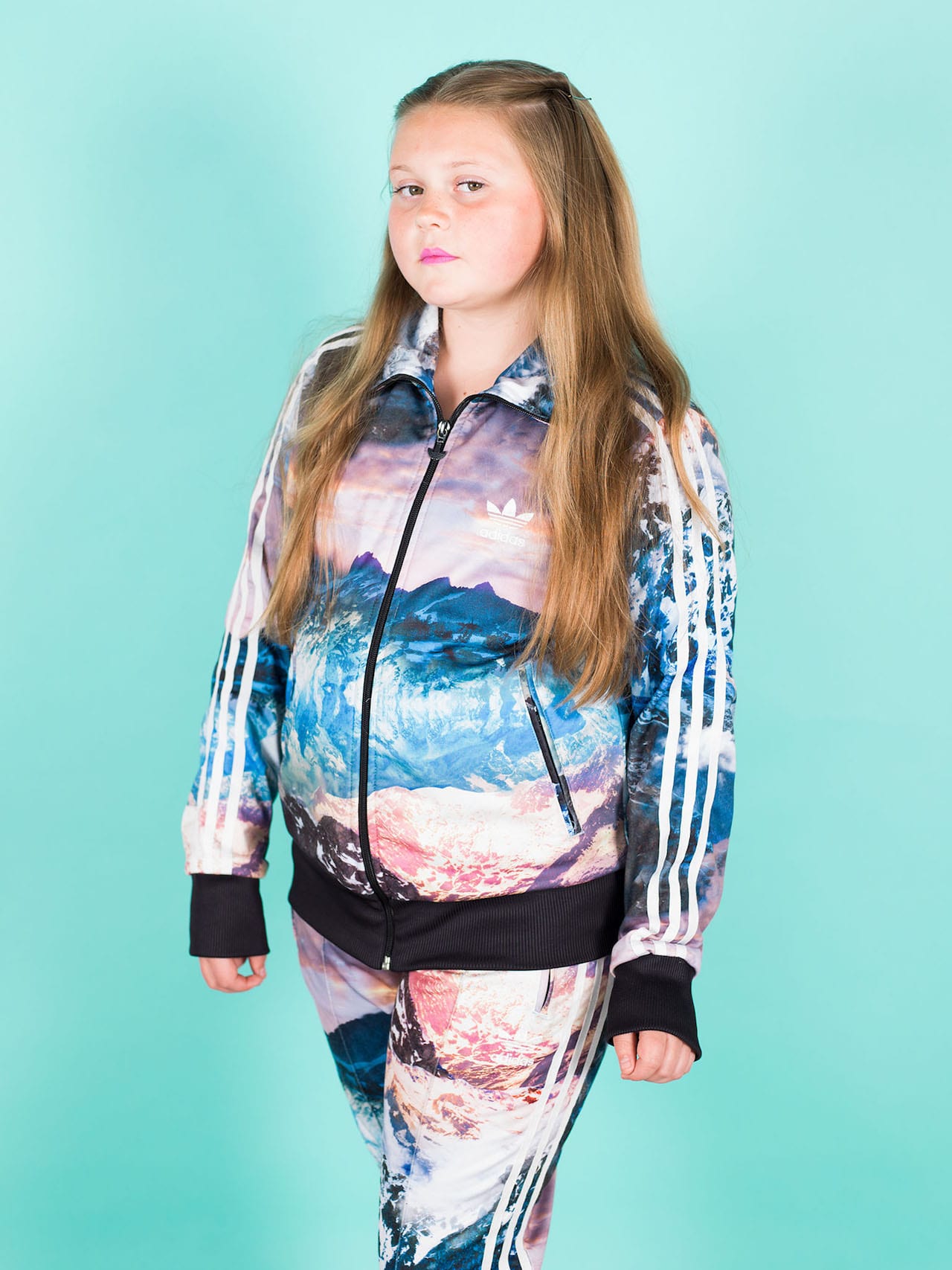
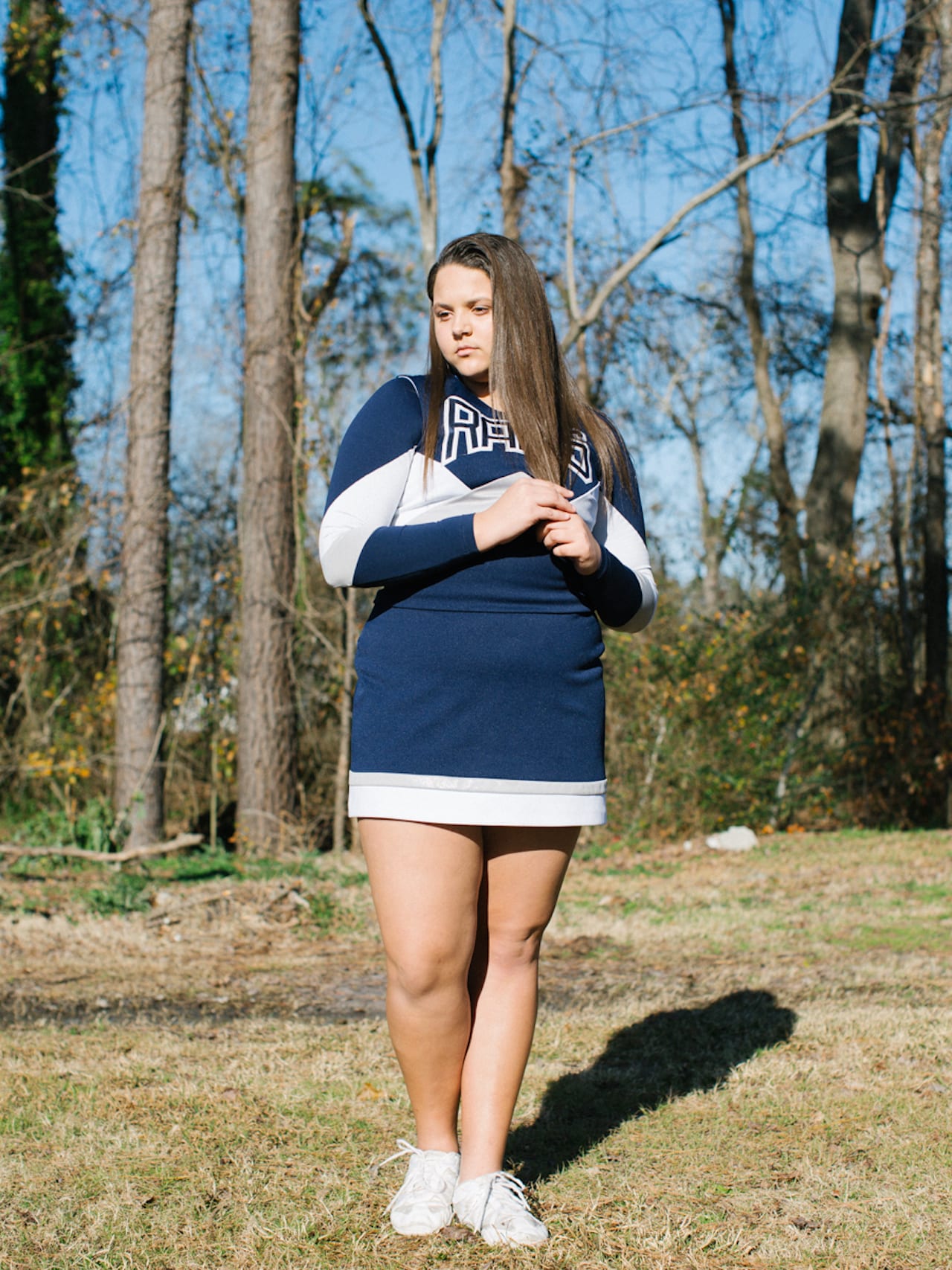
“It’s a bit hard to find words for this – You don’t look Native to me won the PHmuseum Women Photographers Grant,” says Maria Sturm. “I feel exponentially happy and glad to be sharing the list with other women photographers whose work I admire.”

Sturm has won the prize in a strong year for the PHmuseum Women Photographers Grant, with the 31 shortlisted photographers including Magnum Photos’ Diana Markosian, Sputnik Photos’ Karolina Gembara, and Taylor Wessing Photographic Portrait Prize-winner Alice Mann. But her long-term project You don’t look Native to me, which shows young Native Americans in Pembroke, North Carolina impressed the judges with its sensitive approach to its subjects.

6 December 2018

Roger Melis’ images of East Germany

“This book….does not – and this I must emphasise – document life in the GDR [German Democratic Republic]. Rather, it shows how I saw this country and the people who lived here,” writes Roger Melis in the introduction to his book In a Silent Country, now published for the first time in an English edition.

“When selecting the photographs for this volume, I placed no demands on myself, and certainly did not try to comprehensively depict working and living conditions in the GDR,” he later adds. “…they focus on the everyday, and not on the spectacular. In my photographs, I only rarely attempted to capture a decisive, unrepeatable moment. The moments I always searched for were the ones in which whatever was special, unusual or temporary about people and things had dropped away, revealing the core of their being, their essence.”

4 December 2018

MACK’s First Book Award opens to all

It’s free to enter, anyone from anywhere can enter, it’s helped launch photographers such as Paul Salveson, Joanna Piotrowska, and Emmanuelle Andrianjafy, and its winner is announced at Photo London and publishes a book with the prestigious MACK. It is the First Book Award, and in just eight years it’s become a firm fixture on the photobook calendar – and yet so far it’s only received 300 or so submissions per year. How come?

Well, until now MACK has organised it with the help of an international panel of nominators, meaning that only those photographers recommended by this group of curators, editors, and educators could get involved. But now all that’s changed, with the first-ever open-entry First Book Award accepting dummies from anyone who wants to submit. “One of the things we are attempting to remove is the notion that unless you’re connected, unless you’re in the know and have contacts in that sphere, you can’t go forward,” says Michael Mack, founder of MACK. “We want to discourage that idea.”

3 December 2018