

Last week, a group of Croatia’s leading cultural pioneers welcomed the 10th jubilee edition of…
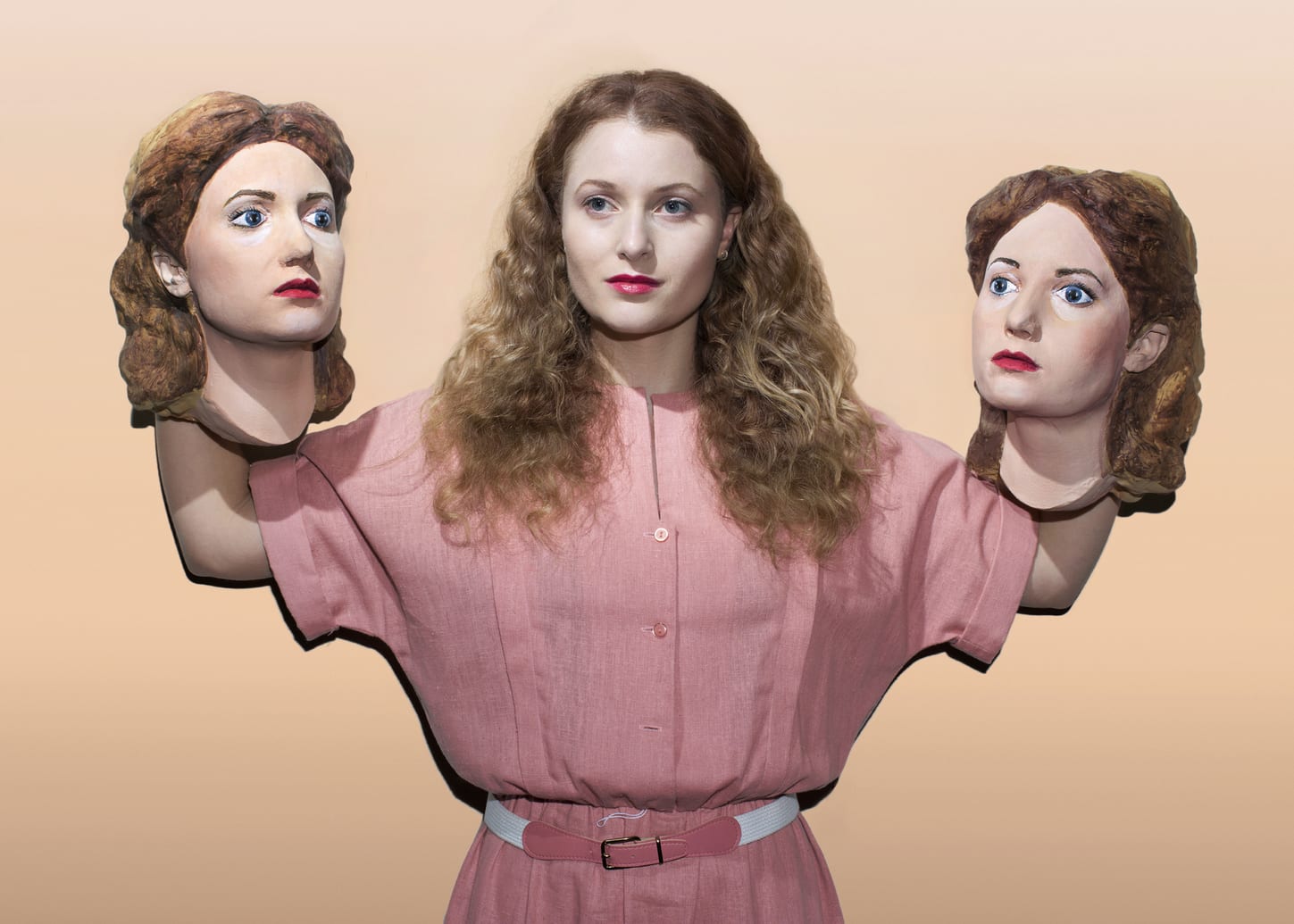
Last week, a group of Croatia’s leading cultural pioneers welcomed the 10th jubilee edition of…
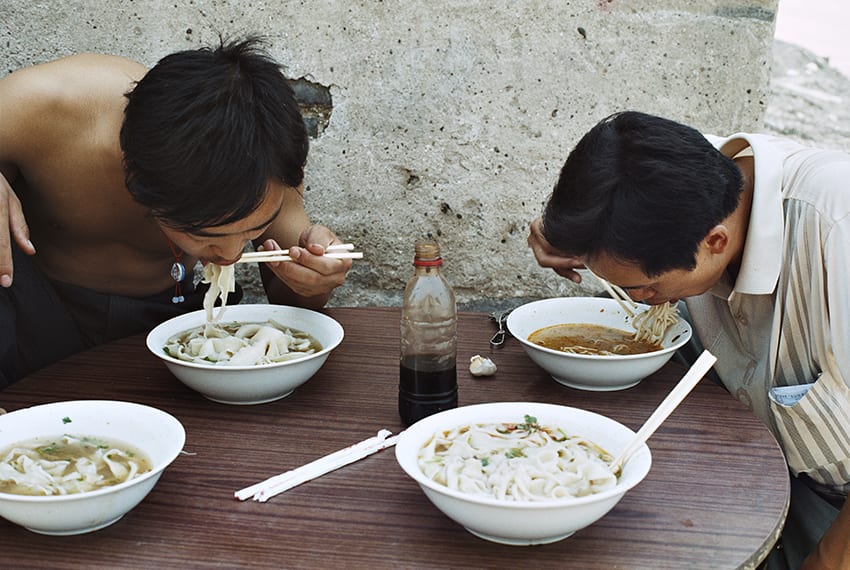
Marc Moitessier is a photographer from Marseille, France. His most recent, and perhaps most challenging,…
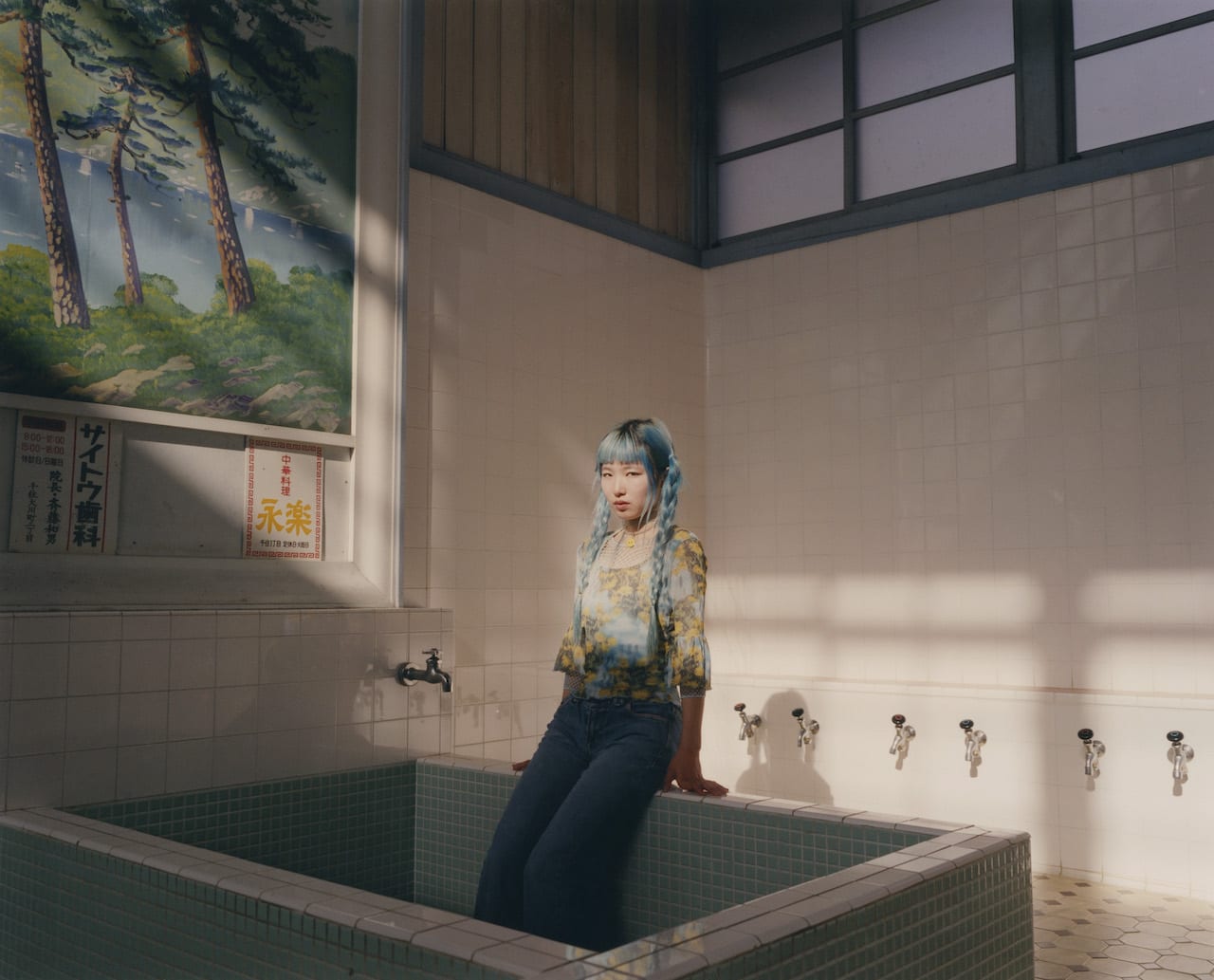
“There’s not enough journalism about female friendships, they’re not given the same credit as romantic relationships, but I actually think they can be so much stronger,” says London-based photographer Francesca Allen, who spent a month in Tokyo last spring photographing the subject of her new book, Aya, a Japanese musician and now Allen’s good friend.
The pair first met in 2016, during Allen’s two week vacation to Japan. Allen, whose work often centres on womanhood and sexual freedom and is regularly featured in publications such as Ripose and The Fader, used part of her time on holiday to photograph Japanese girls. Looking across her selection of images, she felt so drawn to the photographs of Aya that the following year, she arranged to go back and make a book with her.
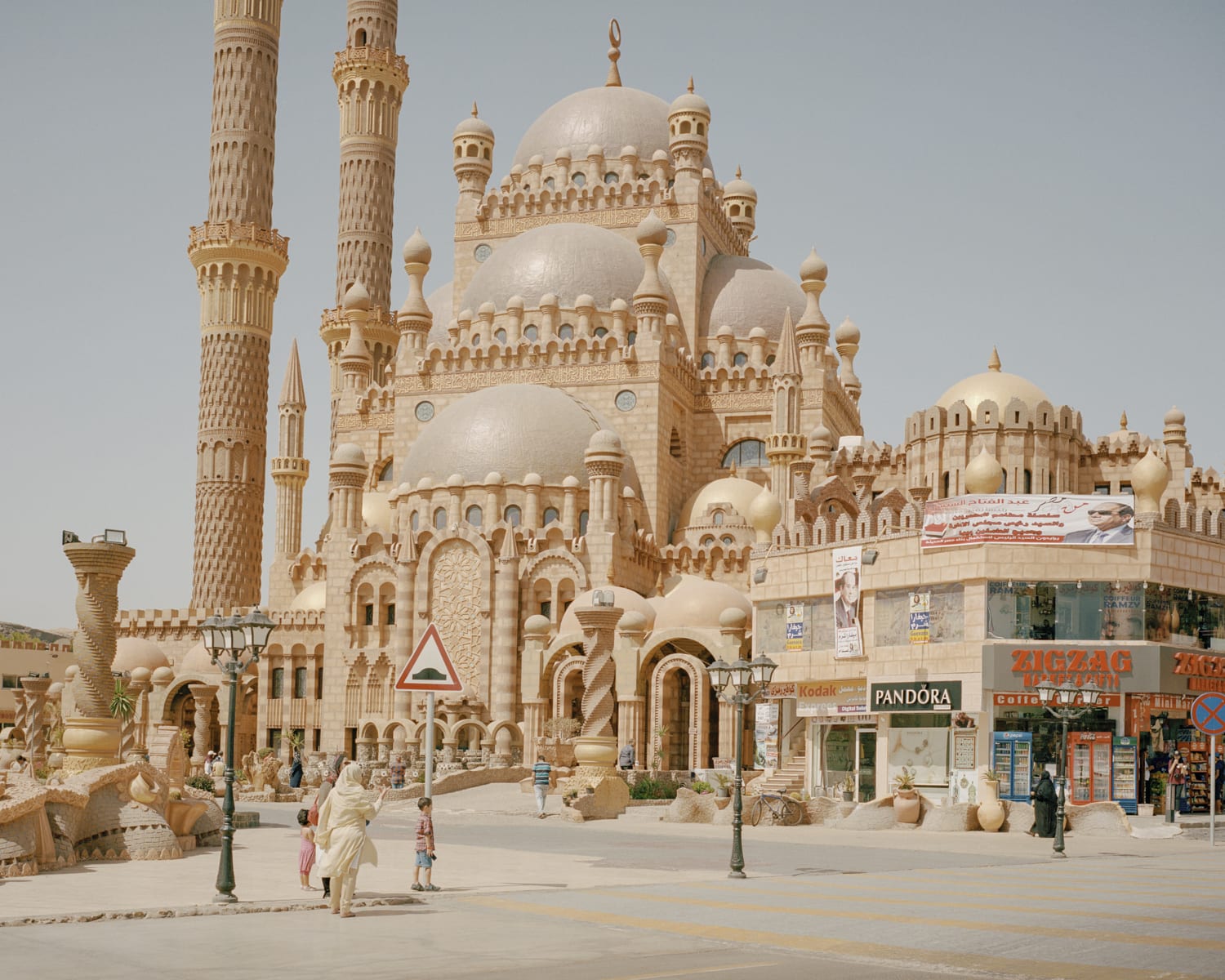
The Melbourne-based photographer traversed Egypt investigating the demise of its tourist industry in the aftermath of the Arab Spring
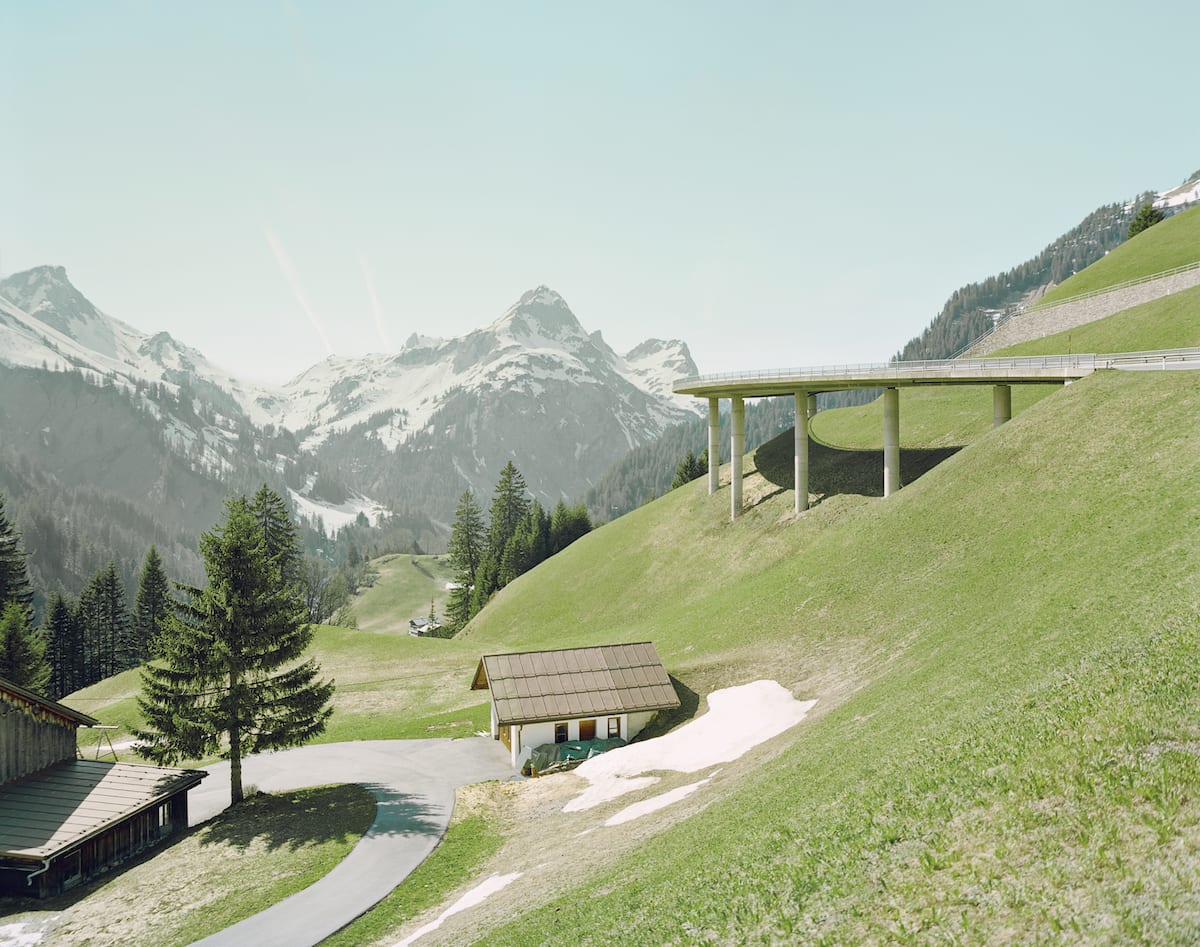
Catherine Hyland uncovers points of contrast in the picturesque landscapes of the Bregenzerwald on an exclusive British Journal of Photography commission
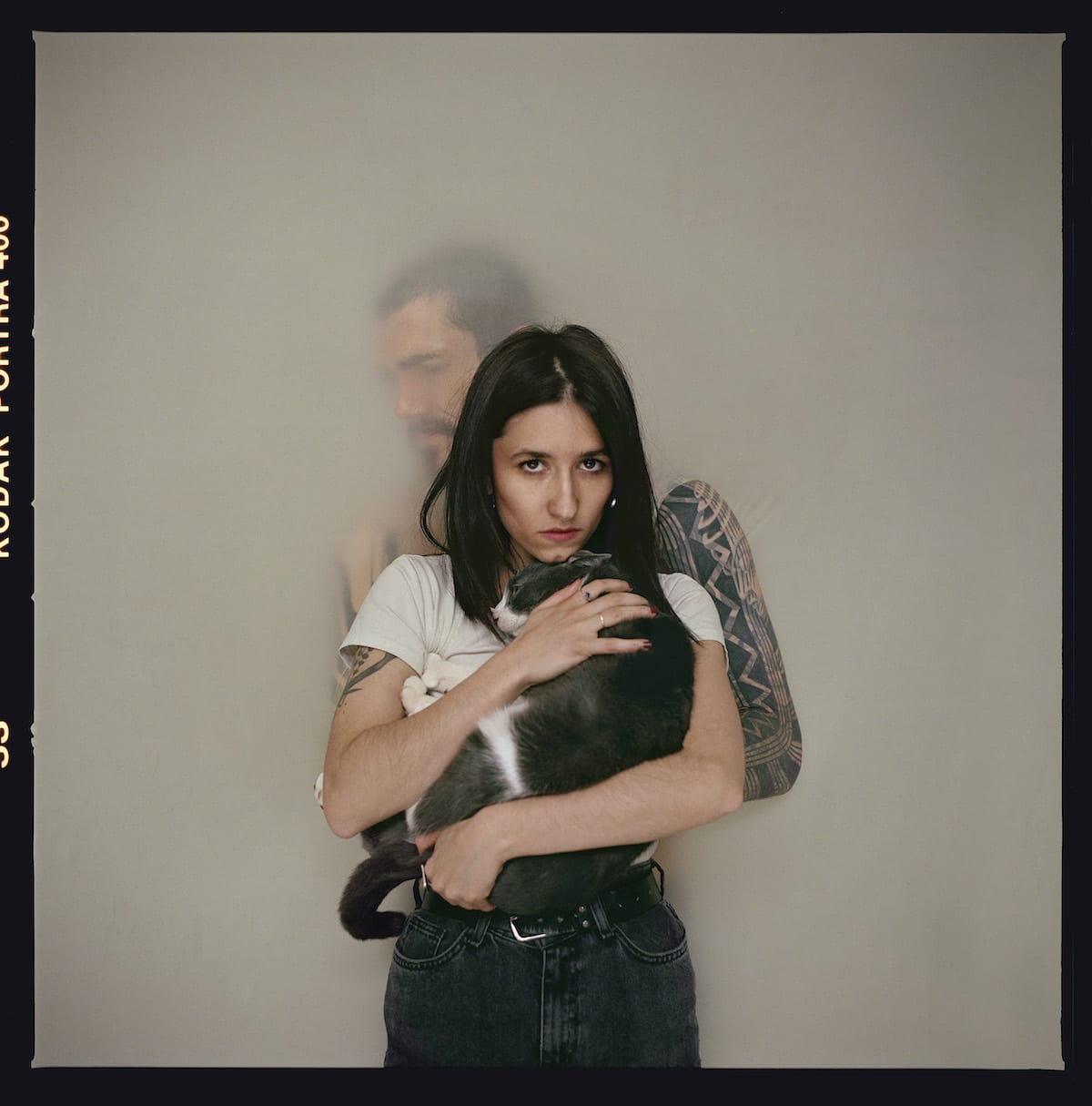
1854 Media’s new visual content agency, Studio 1854, commissions visually arresting and narrative-led content for clients while creating paid opportunities for British Journal of Photography’s community of photographers to make new work
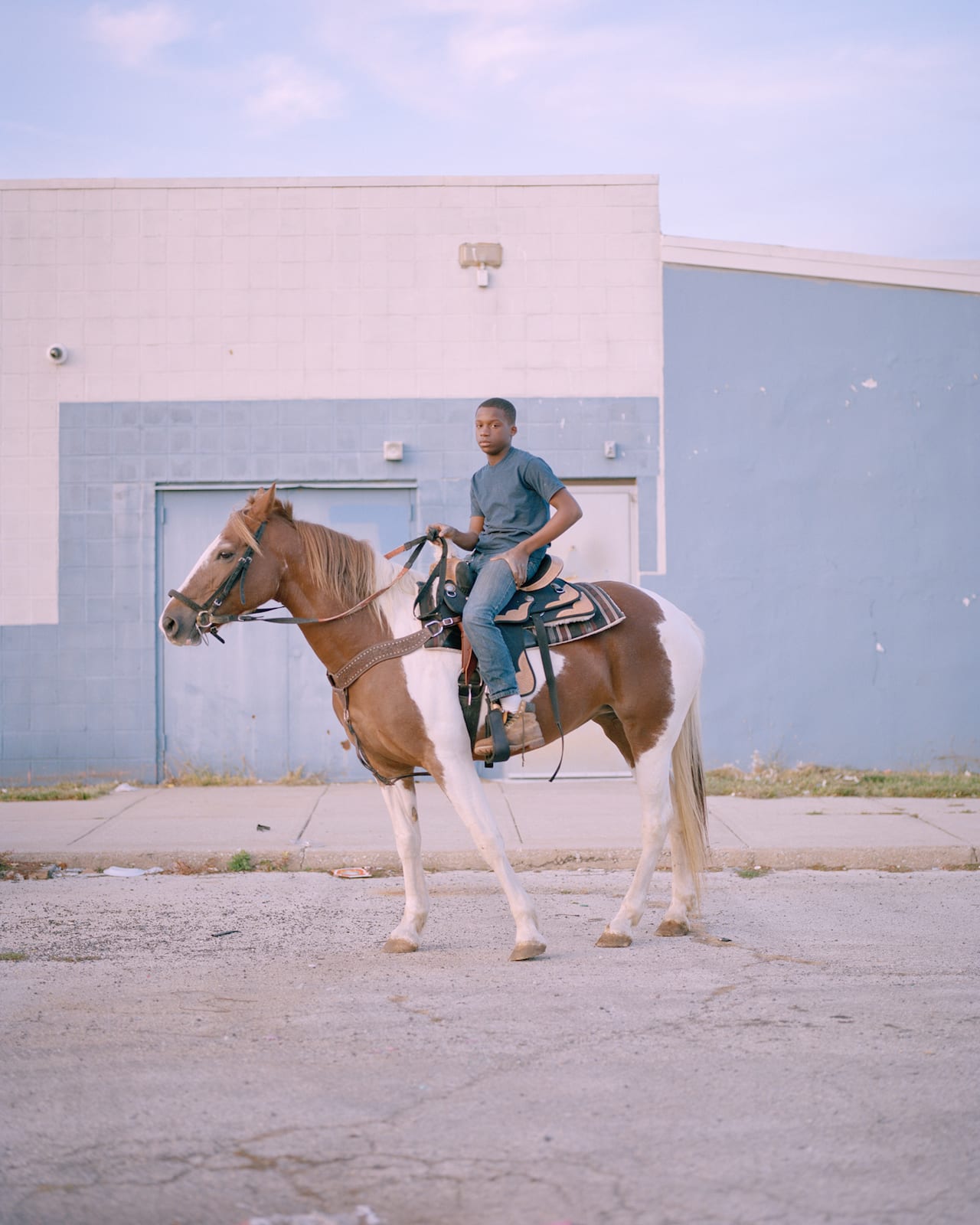
“It was also about reshaping that American icon: everyone thinks of the cowboy as this white American hero who has come to slay Native Americans. Actually the word cowboy is a racist term. It comes from when slave masters called all their slaves ‘boys’ and so the cow boy was the boy who looked after the cows and the horse boy was the boy who looked after the horses.” Cian Oba-Smith journeys to Philadelphia at a politically charged time during the 2016 U.S. election to meet with an infamous group of horsemen dealing with this ingrained racism on a daily basis.
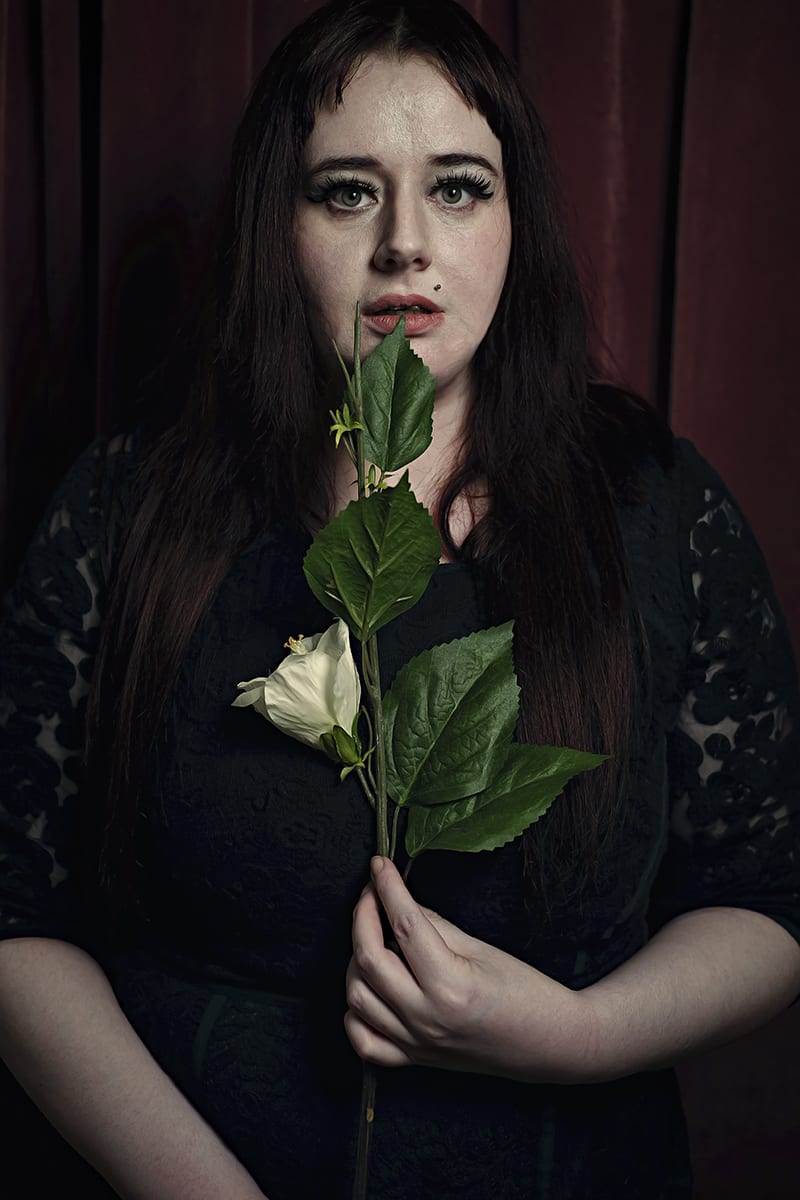
Lucus Joyce’s weekly People’s Choice winning portrait is a haunting image of his friend Ashley, who lives with pernicious anemia. Inspired by the thousand yard stare, a term often used to describe the blank, unfocused gaze of soldiers who have become emotionally detached from the horrors around them, Joyce sought to use the portrait to depict the many aspects of Ashley’s life and identity.
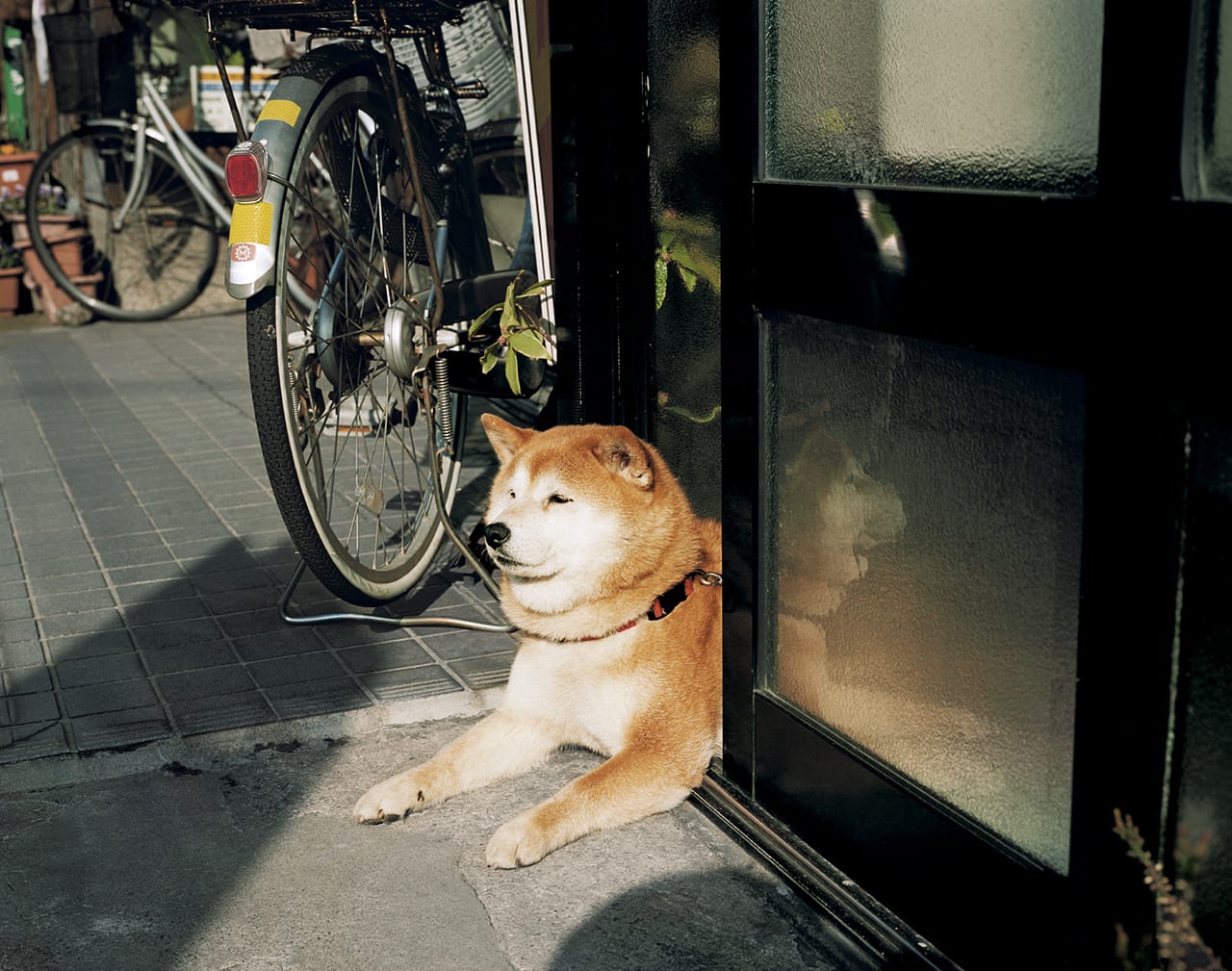
You may not know it, but you’re probably familiar with Emily Shur’s celebrity portraits, from Helen Mirren and Will Farrell to Lupita Nyong’o and Larry David. Her active, vibrant and playful commissions have been seen on posters and screens the world over, and have helped her become one of LA’s most sought-after photographers when it comes to shooting comedians, actors and musicians in their most natural – or unnatural – habitats. But in Super Extra Natural!, her new book published with Kehrer, Shur trades in the digital camera and studio lighting to take us on a journey through Japan.
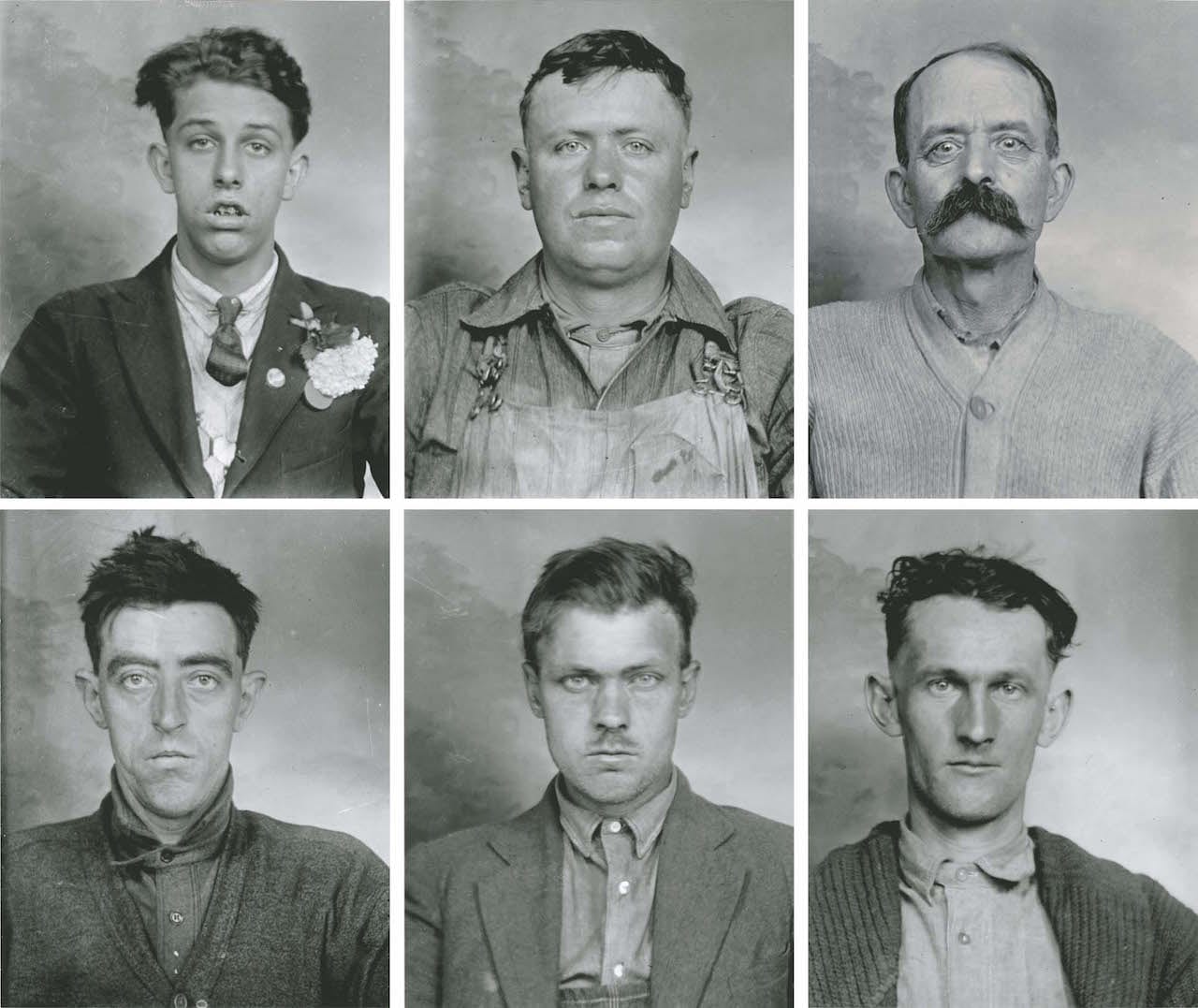
The Walther Collection has kicked off an 18-month exploration of vernacular photography with a show titled The Shadow Archive: An Investigation into Vernacular Portrait Photography. Taken from the 1850s to the present day, the collected portraits depict groups such as ‘migrant laborers’, ‘inmates of an asylum’, ‘criminal photographs’, and ‘G&G Precision Works Photographic Identity Badges’, and, says the organisers, show how “identification photographs have been used to sort, shape, segregate, and select subjects based on occupation, social group, body type, or political affiliation”. The title references a phrase used by writer and photographer Allan Sekula to reference “the entire social field of human representations, comprising both heroes and deviants, within which every portrait takes its place as part of a moral hierarchy”.