

British photographer Iain McKell is publishing a book of photographs from 1976, which he shot on the side while working as a seafront photographer in Weymouth, south-west England
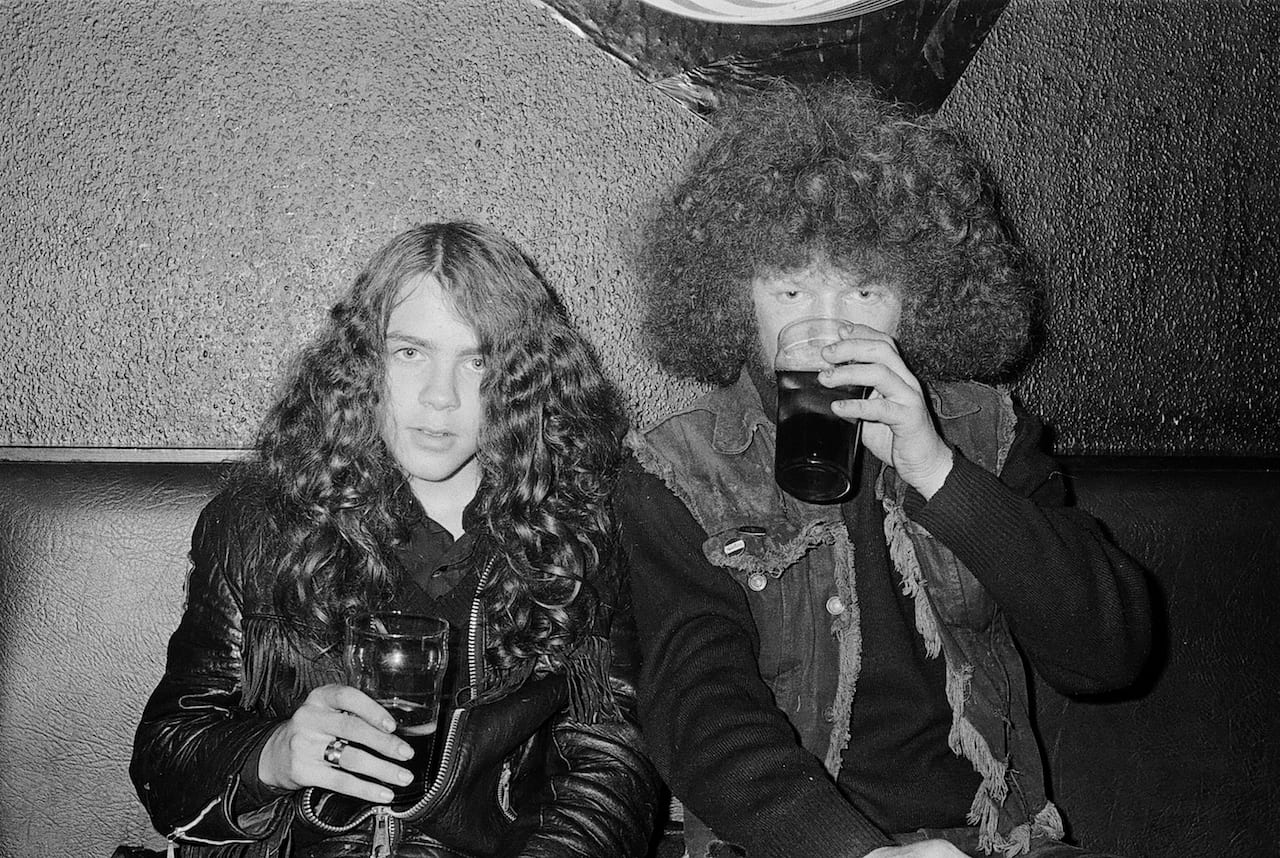
British photographer Iain McKell is publishing a book of photographs from 1976, which he shot on the side while working as a seafront photographer in Weymouth, south-west England
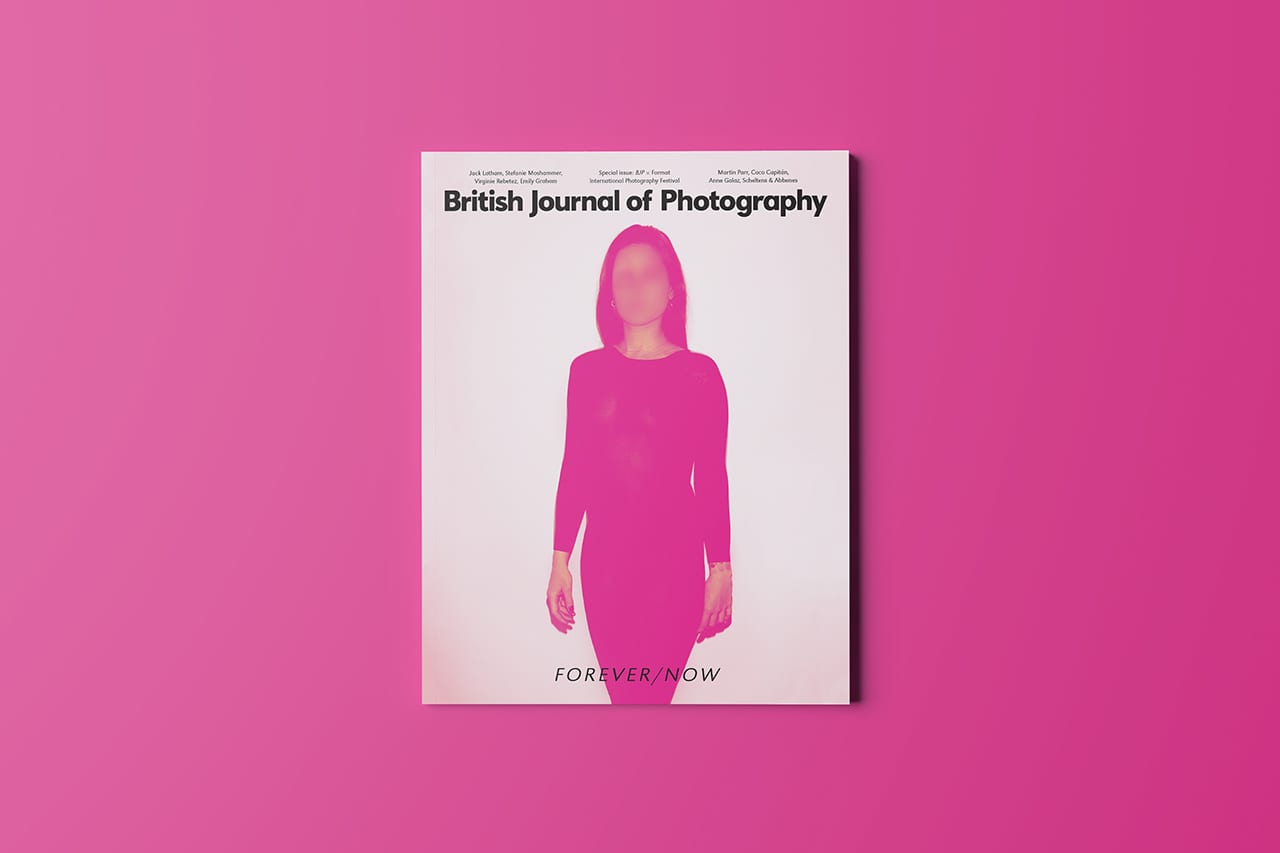
This month, we present a small selection of work that will be shown at Format festival, which returns to the Quad Arts Centre in Derby, England for its ninth edition this March. Under the theme Forever/Now, our edit of notable projects emphasises the festival’s slant towards ‘crooked’ documentary practices, where a lack of subject or search for the unknown is filled by fiction and interpretation.
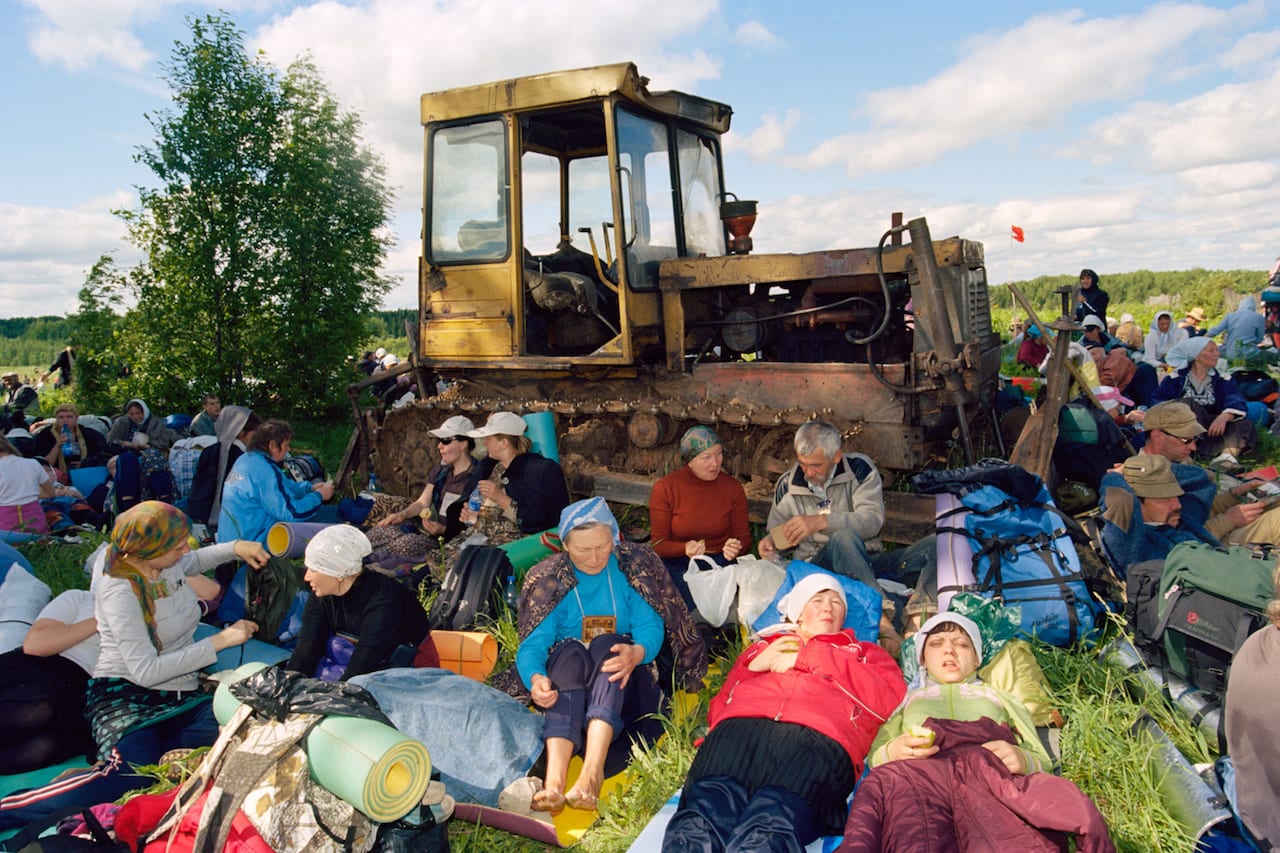
BJP-online Loves the new Russian photography on FotoDepartament’s Attention Hub, the RPS’ list of 100 photographic heroines, Claudio Majorana’s Head of the Lion, John Myers’ Looking at the Overlooked, Feast for the Eyes – The Story of Food in Photography on show at FOAM, Jamie Hawkesworth’s a blue painted fence, and La Vertigine by Federico Clavarino
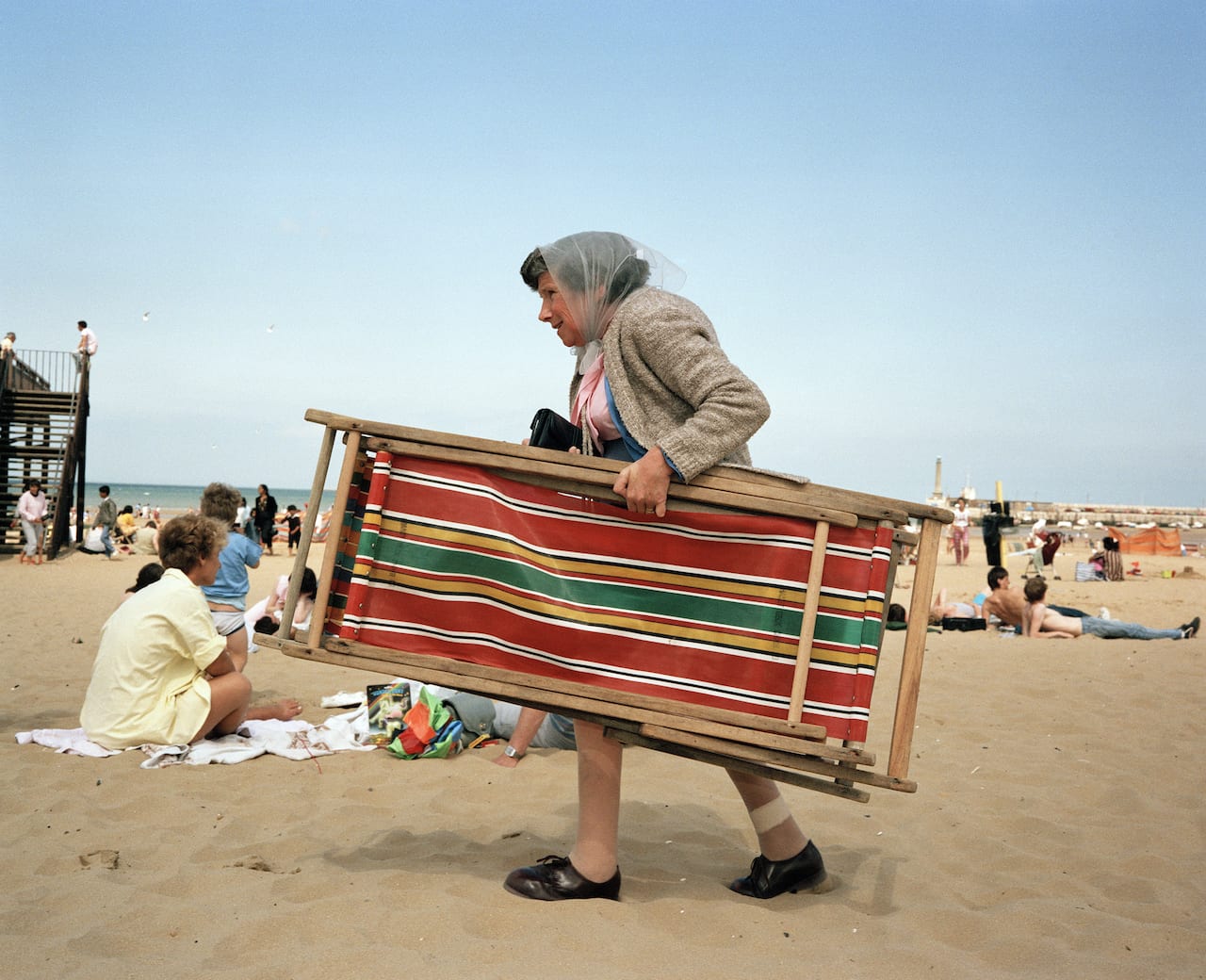
Would you want Martin Parr to take your portrait? You might say its a brave soul who goes in front of his penetrating lens, but it’s part of a portfolio of benefits the Martin Parr Foundation is launching in its Membership Scheme.
Parr set up the Bristol-based Foundation in 2014 to house his archive, but in October 2017 it opened to the public in a purpose-built space, offering free access to much more – a rolling programme of exhibitions, a large photobook library, and a growing collection of prints. Parr’s used the opportunity to hone in on British and Irish photographers, as well as work taken in the British Isles by others, and put the focus on their documentary work – an area which he believes is still underrated.
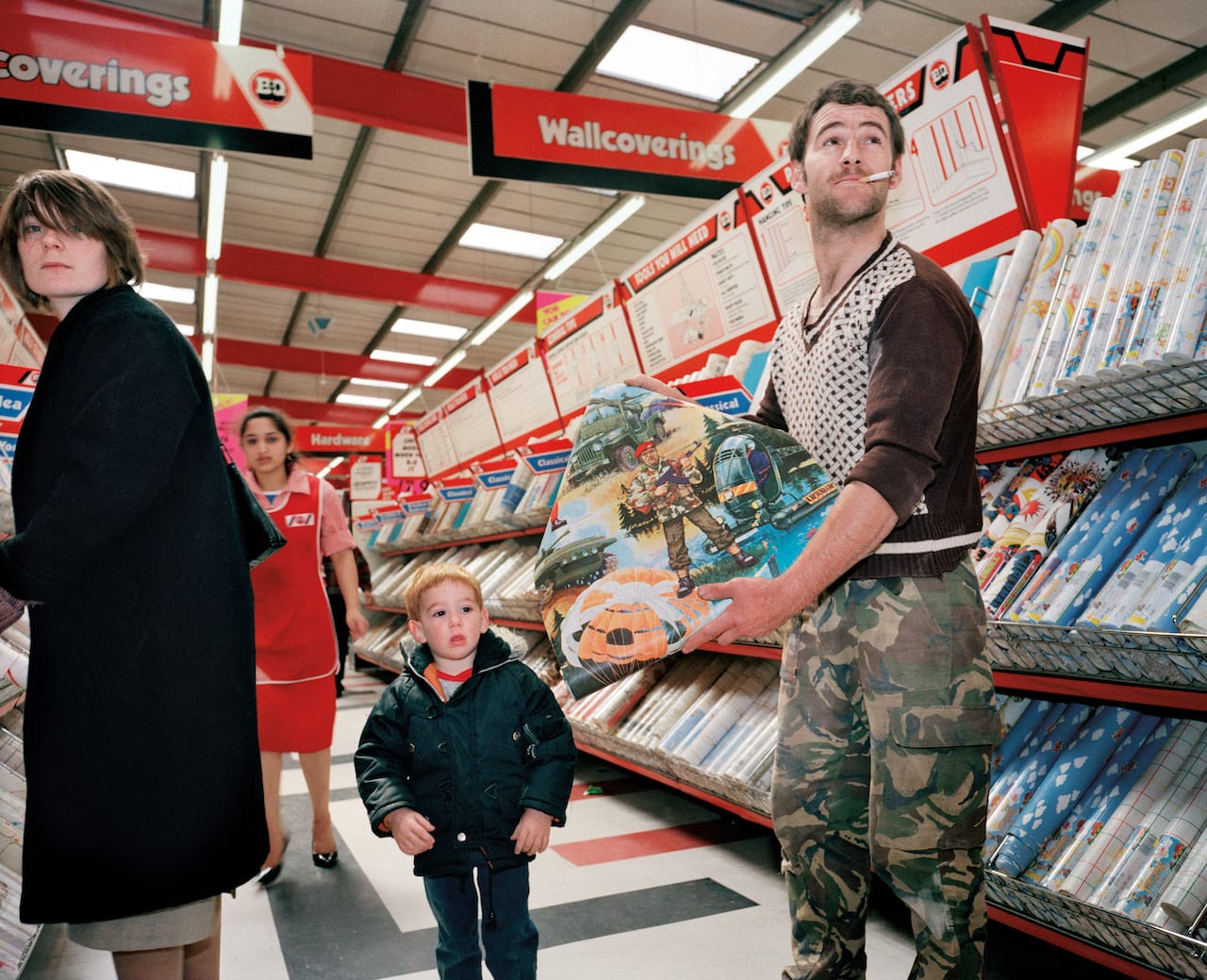
If you don’t get the reference, it’s a curious title for a photobook – Fables of Faubus, the 30-year retrospective by British documentary photographer Paul Reas. But if you’re a jazz fan you’ll know it’s taken from a song by Charles Mingus, written after Arkansas governor Orval Faubus decided to bar the integration of Little Rock Central High School in 1957.
To Mingus, and many others, Faubus stood for a dark force holding back progressive social change. For Reas, the title suggests the metanarrative that runs behind the many stories he’s shot in the UK on heavy industry, consumer culture, the heritage industry, and more – namely, the disenfranchisement of the British working class, “the years of decline of industry and the fall out from that, communities being de-centred and levelled”.
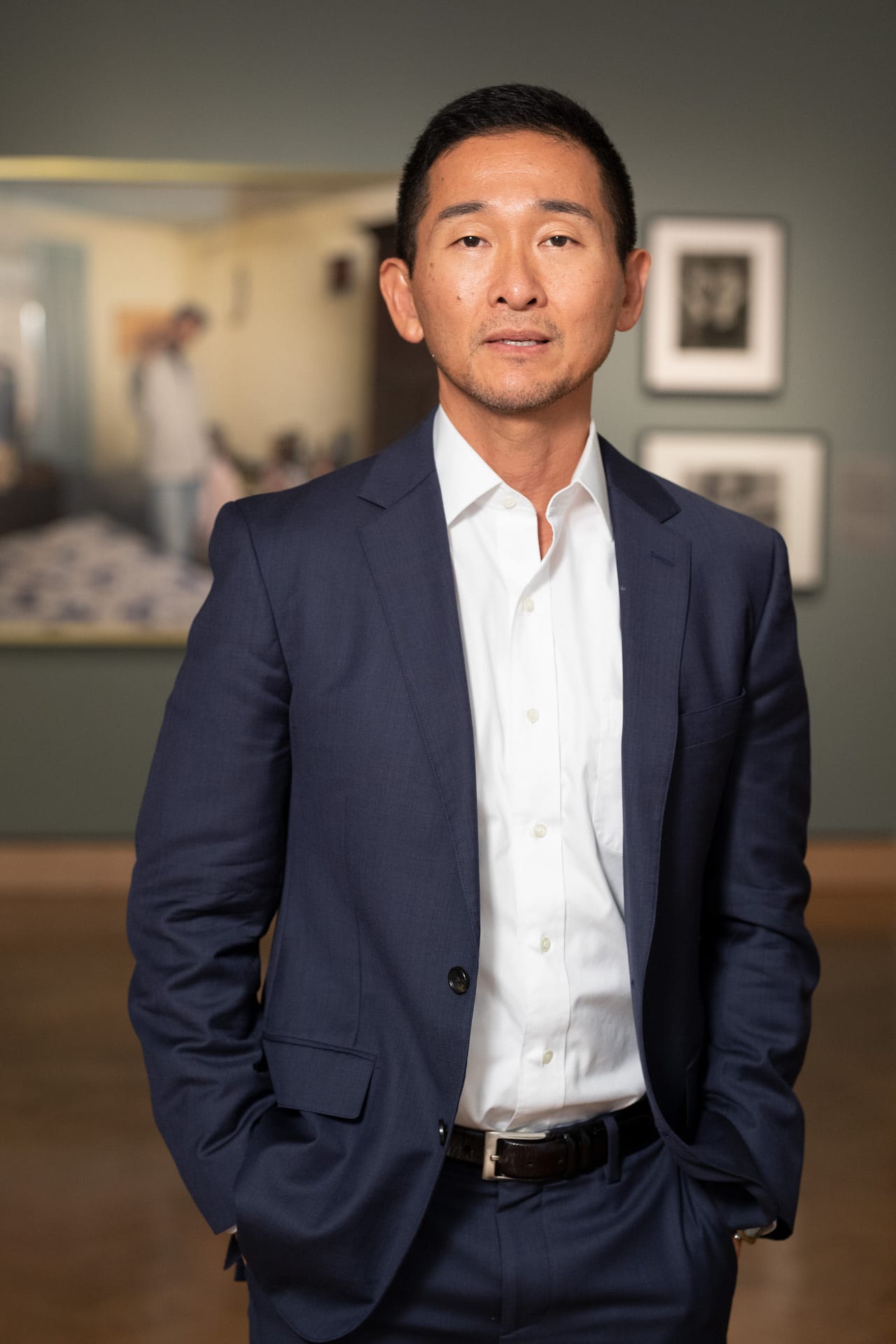
Dr Yasufumi Nakamori has been appointed new senior curator, International Art (Photography) based at Tate Modern, heading up the development of Tate’s collection of photography and programme of photography exhibitions and displays. He’s taking up the post in October, filling the gap left by Simon Baker back in January (when he became director of the Maison Européenne de la Photographie in Paris).
For the last two years, Nakamori headed up the photography and new media department at the Minneapolis Institute of Art, staging exhibitions with image-makers such as Omer Fast, and making key acquisitions “which transformed and diversified the museum’s photography collection”. From 2008-2016 he was curator of photography at the Museum of Fine Arts, Houston, where he created exhibitions such as Katsura: Picturing Modernism in Japanese Architecture, Photographs by Ishimoto Yasuhiro (which won the 2011 Alfred H. Barr Jr. Award for Smaller Museums), and For a New World to Come: Experiments in Japanese Art and Photography, 1968-1979.
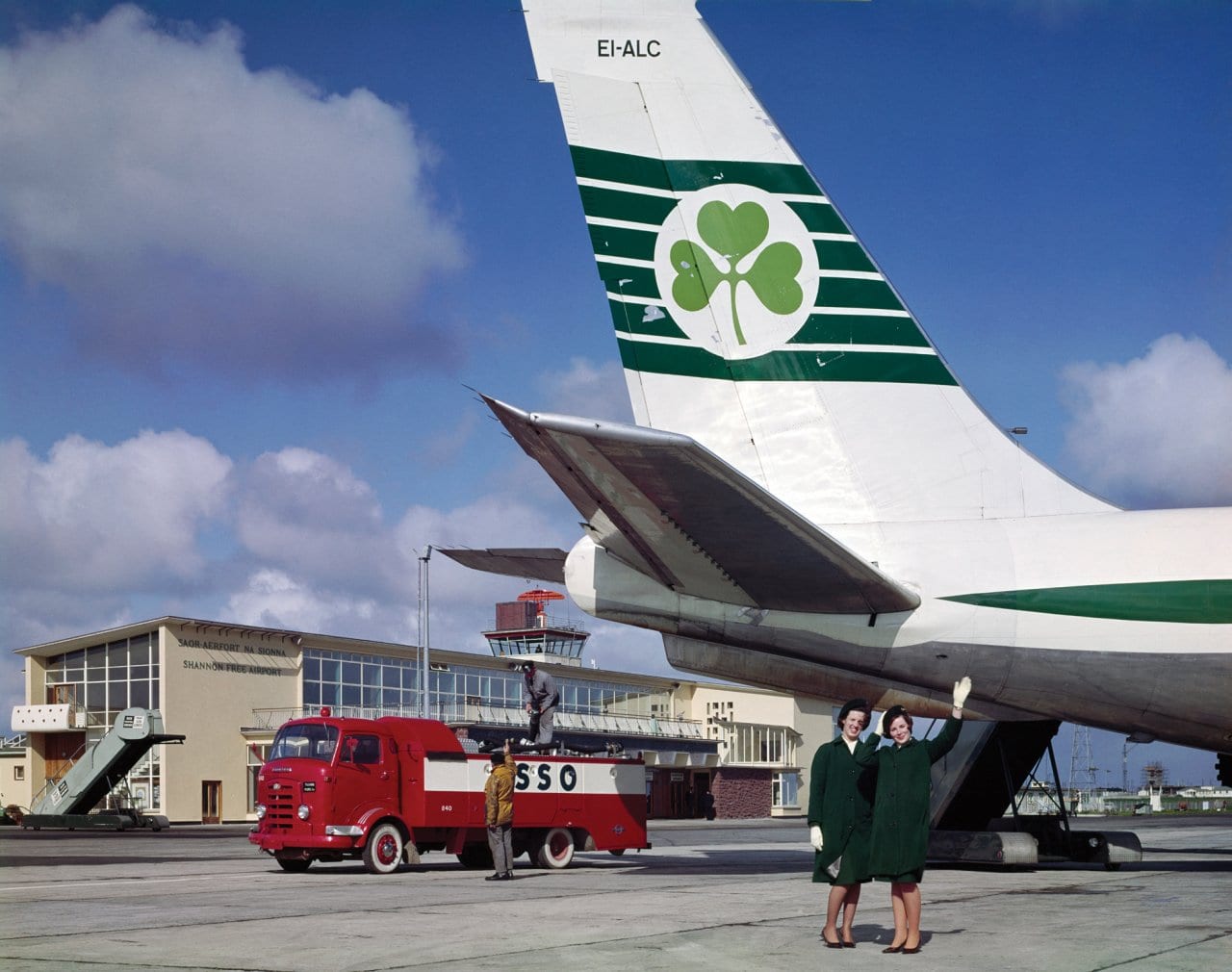
I once found a John Hinde postcard of Woburn Zoo tucked into a second-hand book; if you’ve grown up in the UK you too may have come across these iconic images in the wild – or in Martin Parr’s 2011 compilation Our True Intent is all for Your Delight: The John Hinde Butlin’s Photographs.
Now Hinde aficionados can find another compilation of John Hinde work, titled John Hinde Collection. Born in Somerset in 1916, Hinde was a capable photographer in his own right but hit the big time in the 1950s and 60s with his company, John Hinde Ltd, which specialised in creating brightly-coloured, ever-optimistic postcards. Established in 1956 and sold in 1972, John Hinde Ltd created postcards of Britain, Ireland, and many European and African countries, created by a stable of photographers such as Elmar Ludwig and Edmund Nagele as well as by Hinde himself.
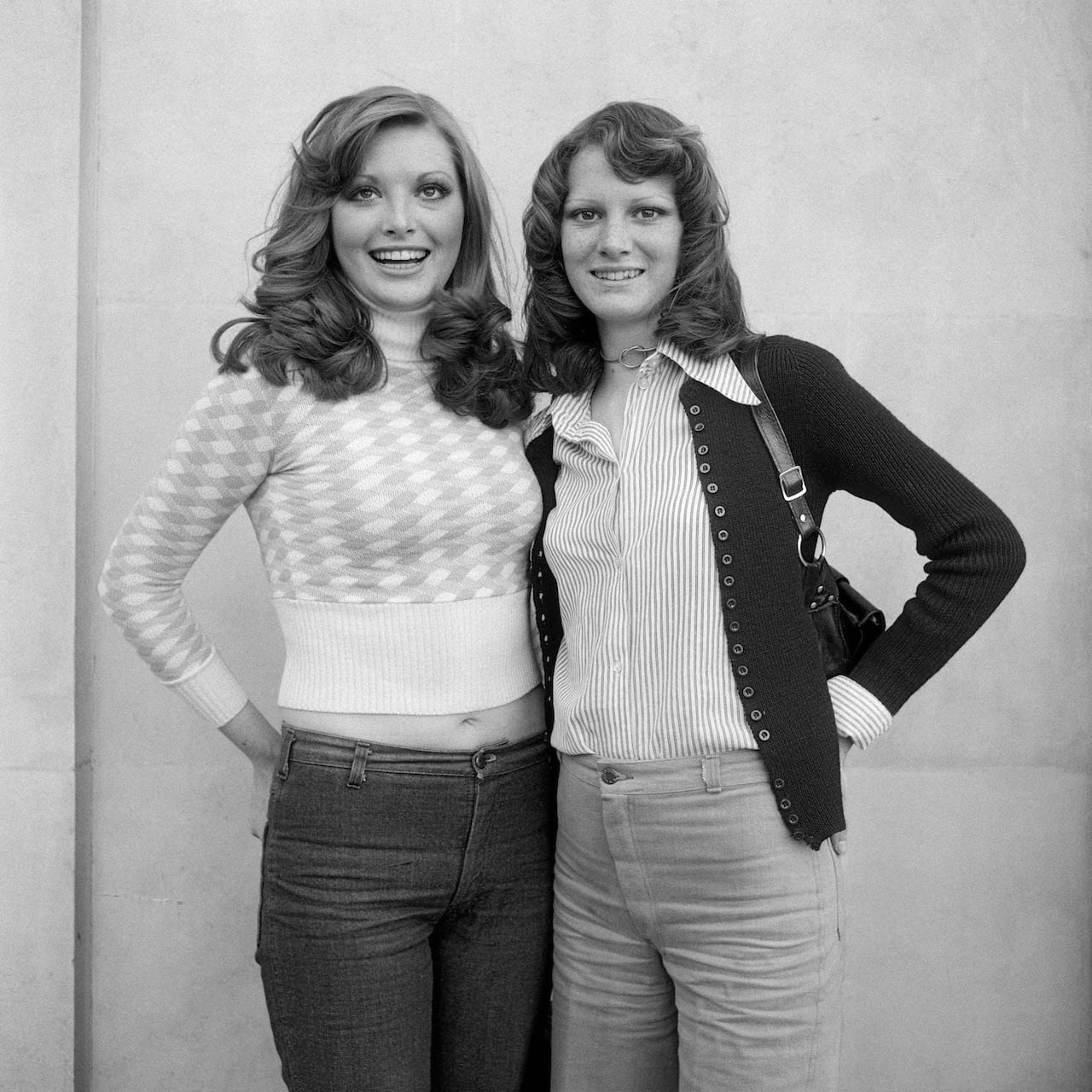
Founded in 1997 the Pingyao International Photography Festival is China’s most prestigious photo festival, featuring images from more than 50 countries each year in indoor and outdoor venues across the UNESCO-listed ancient city. This year it includes a huge exhibition called Distinctly, which is curated by Open Eye Gallery’s Tracy Marshall and which will travel to Merseyside in 2019 as one of the main exhibitions of LOOK International Photo Biennial.
Featuring work by 12 documentary photographers – Martin Parr, Chris Killip, Daniel Meadows, John Myers, Markéta Luskačová, Tish Murtha, Ken Grant, Paul Seawright, Niall McDiarmid, Robert Darch, Elaine Constantine, and Kirsty MacKay – the exhibition “takes a unique approach to the depiction of Britain and its distinct landscapes, industries, social and economic changes, cultural traditions, traits and events” over the last six decades says Marshall. “The exhibition looks at the gentle, the humorous, the starkness, the beauty, and the realities experienced and captured by the photographers around their lives living and working in Britain,” she adds.
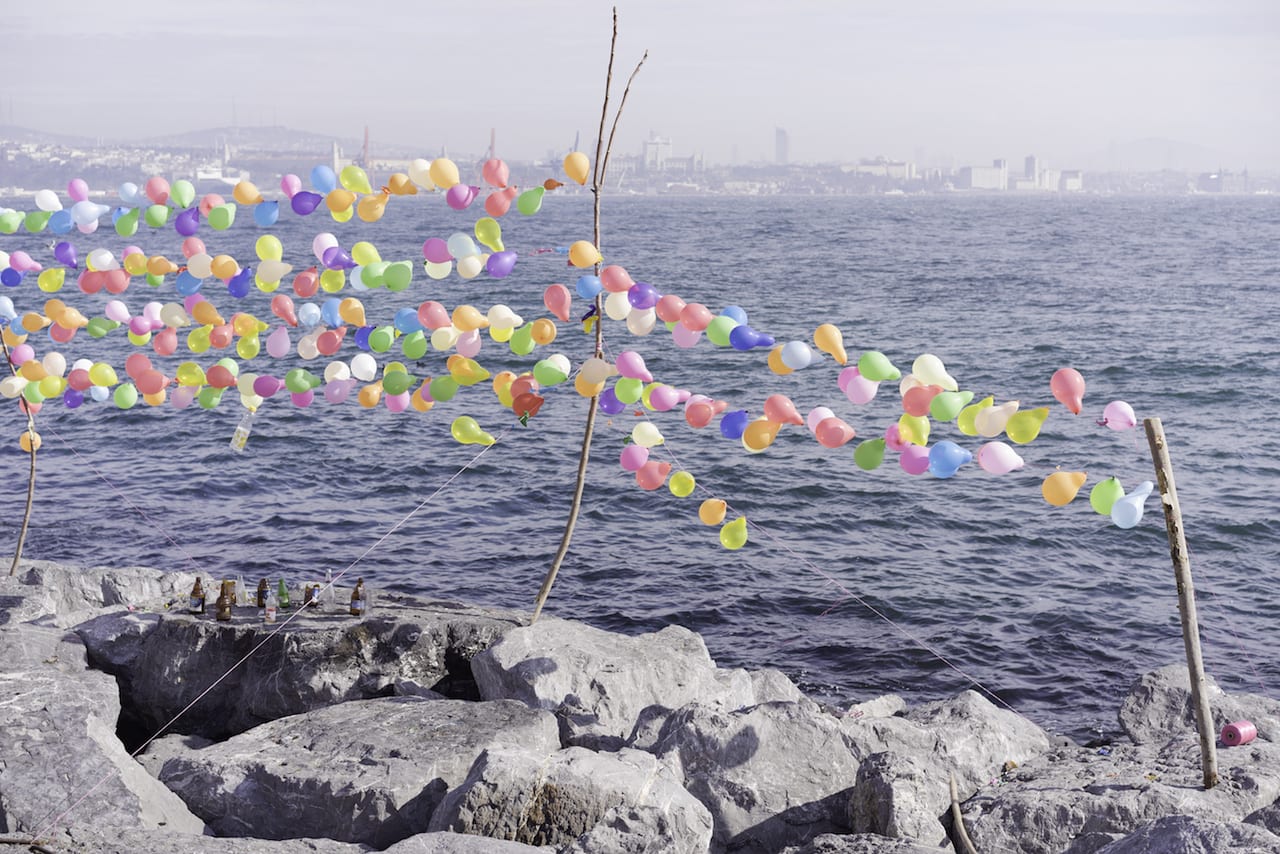
“The atomic structure of materials, and the influence of DNA on the appearance of people and all other living organisms, rely on the language of mathematics for their expression,” says British photographer Peter Fraser, whose new exhibition is called Mathematics. On show at the Camden Arts Centre, it’s a wide-ranging series which brings together seemingly disparate, people, objects, and landscapes, shot in various places and locations.
For Fraser they’re linked by the fact they can all be described mathematically. “I’m inviting the viewer to imagine that mathematics is the code behind everything we see in each of these images,” he says. “And therefore the encyclopaedic nature of the way the subjects jump and change around is really important, for me, to try to suggest the totality of our environment mathematics can describe.”
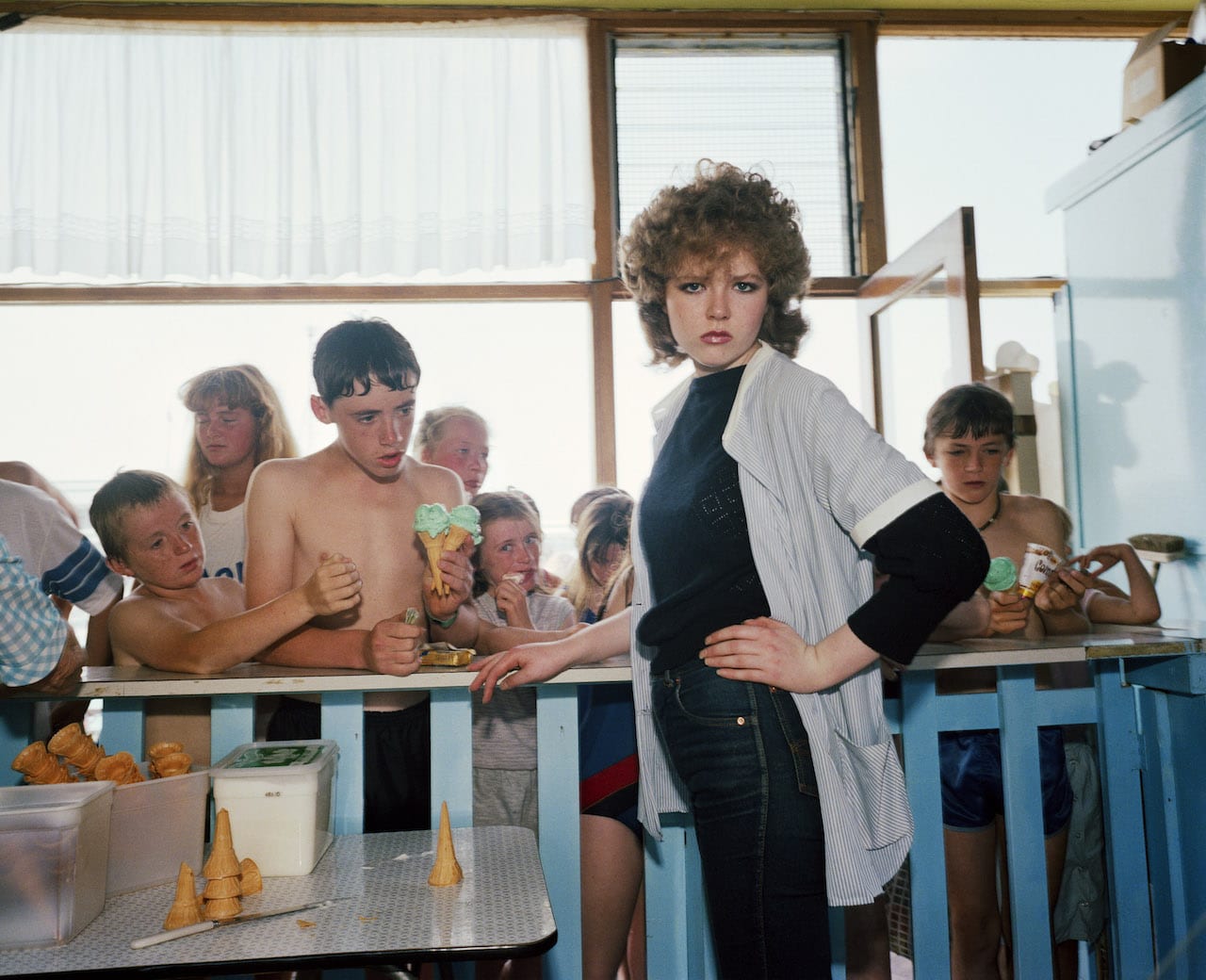
“I was the first to move to New Brighton, and it was by sheer chance,” says Tom Wood. “I studied fine art part-time [a Fine Art Painting BA at Leicester Polytechnic], then went back to the car factory where I had worked before. Then I found a job as a photo technician at the poly [now Wirral Metropolitan College, where he went on to teach], and we moved there in September 1978.”
Thus began a golden age for photography in New Brighton, which lasted until 2003 when Wood moved to his current home in North Wales. In the intervening 25 years, Ken Grant also lived in New Brighton from 1992-2002, studying for a spell at Wirral Met, and Martin Parr was based just 20 minutes away from 1982-1985. Between them the three photographers created a huge body of work on the seaside town, which is based just across the River Mersey from Liverpool in North England.