
Marigold Warner

Deputy Editor

Marigold Warner worked as an editor at BJP between 2018 and 2023. She studied English Literature and History of Art at the University of Leeds, followed by an MA in Magazine Journalism from City, University of London. Her work has been published by titles including the Telegraph Magazine, Huck, Elephant, Gal-dem, The Face, Disegno, and the Architects Journal.

50 years of Arles: Les Rencontres d’Arles 2019 programme

50 years ago, photographer Lucien Clergue, writer Michel Tournier and historian Jean-Maurice Rouquette put together the first edition of Les Rencontres d’Arles in the city’s town hall. They had three exhibitions – a group show tracing the history of photography, and solo shows by Gjon Mili and Edward Weston. Now it’s the largest and most prestigious photography festival in the world, and this summer, they celebrate 50 years with 50 exhibitions, looking back on their history and heritage, as well as championing cutting-edge photography and emerging talent.

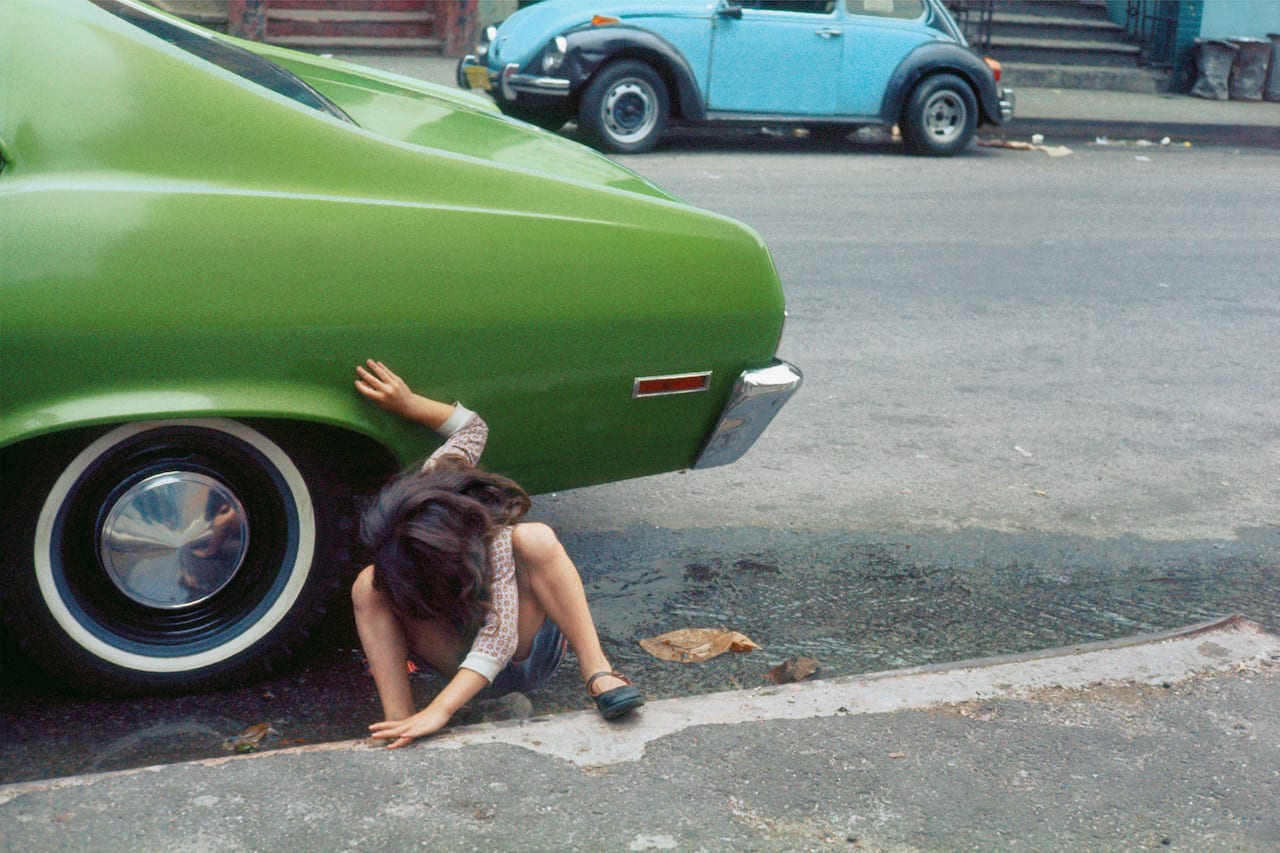
Running from 01 July till 22 September, the festival is lead by director Sam Stourdzé for the sixth year. Last year, Stourdzé was criticised by a group of eminent photography specialists in an open letter urging him to include more women in the main programme. A year on, it seems they’ve taken the criticism on board. Marina Gadonneix, Germaine Krull, Helen Levitt, Evangelia Kranioti, Libuse Jarcovjakova, Camille Fallet, and Pixy Liao, among many more, appear on the main programme with solo shows; the festival also includes a section titled Replay, which is dedicated to female-led narratives.

Replay includes a group show titled The Unretouched Woman, which combines the work of Eve Arnold, Abigail Heyman and Susan Meiselas, whose photobooks from the 1970s challenged gender bias and celebrated women from across the globe. In the same section is a group exhibition of around 200 vintage prints by Berenice Abbott, Florence Henry, Germaine Krull and more, as well as Tom Wood’s Mothers, Girls, Sisters, which was shot in the suburbs of Liverpool between the early 1970s and late 1990s.
14 March 2019

Arctic: New Frontier

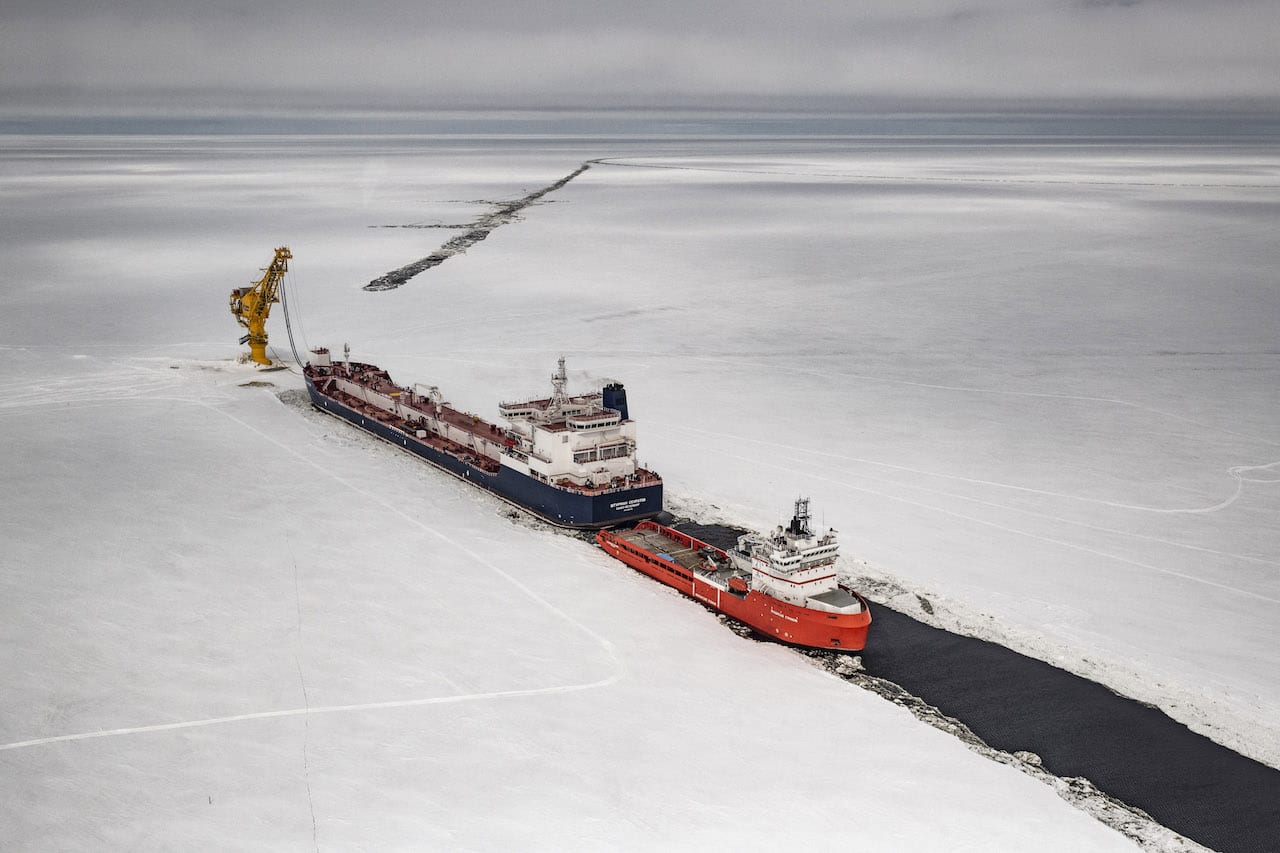
The Arctic circle is warming twice as fast as the rest of the world. According to the National Oceanic and Atmospheric Administration, for the past five years Arctic air temperatures have exceeded all records since 1900. If temperatures continue to rise, scientists expect that the North Pole will be ice-free in summer by 2040.

Ice reflects sunlight while water absorbs it, so less ice means even higher temperatures. But the consequences of disappearing sea ice in the Arctic are more complicated than the obvious impact it has on our global climate. Less ice provides new routes for maritime shipping, and opens up new areas for the exploitation of fossil fuels, transforming the region into a strategic battleground for countries with vested interests – not to mention indigenous villages whose livelihoods are threatened by rising sea levels.

Photojournalists Yuri Kozyrev and Kadir van Lohuizen, who are both represented by NOOR, travelled through the Arctic circle, documenting the startling, and often complicated, effects of Arctic climate change. Arctic: New Frontier is the product of the ninth edition of the Carmignac Photojournalism Award, which each year funds a new investigative photo reportage on a humanitarian and geopolitical issue. An exhibition of over 50 photographs and six videos will be displayed at London’s Saatchi Gallery from 15 March until 05 May.

13 March 2019

Hiro Tanaka on tour and beyond

Over the last decade, Hiro Tanaka has published two photobooks – Dew Dew Its and Chicharron, which won the 2018 Cosmos Arles PDF Award. He has exhibited globally in group shows and photo festivals, and toured the world with punk and hardcore rock bands, where he is often spotted deep in a mosh-pit, camera pumping in the air. But before all that, he was working nine-to-five as a computer technician in Tokyo, Japan, with no interest in photography. Tanaka’s whole career sprouted from a string of unexpected coincidences, beginning with a free flight to America.

7 March 2019

Angle 24°: Fun with Negatives by Clare Strand

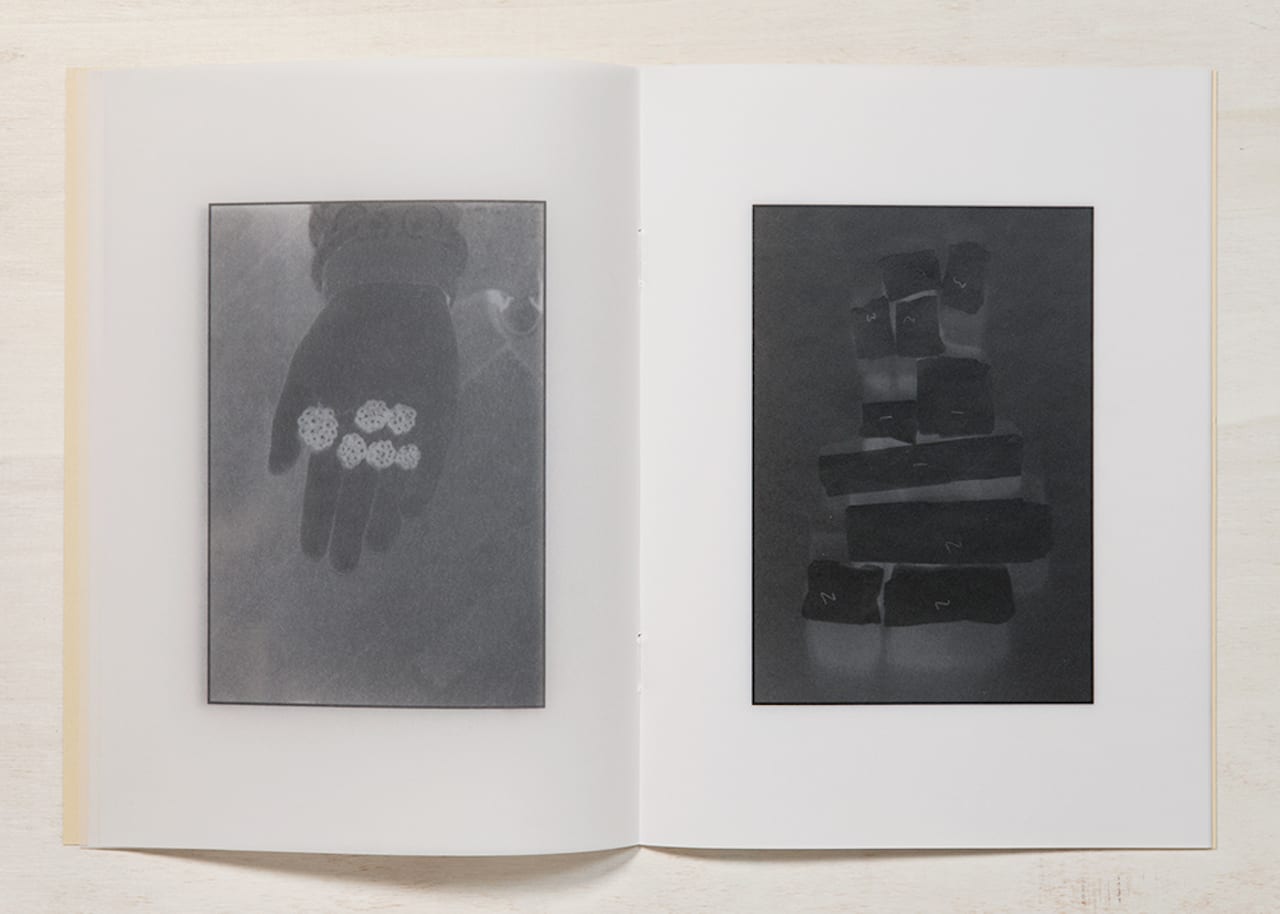
Clare Strand’s latest project presents a series of negatives printed onto translucent paper. “The offer’s there,” says Strand, “People can make their own prints and then they have the images themselves, or they can keep the book as it is. The negatives have a physicality to them – they have their own aesthetic – so it’s not a redundant object if you don’t use them”.
Strand’s zine is the 24th edition of Angle 1-90°, a 90-part project by Norwegian book publisher Multipress. Each zine is made by a different artist who presents their own unique angle on the world through photography. Multipress will continue to produce four zines a year until they reach 90°.

7 March 2019

Issue #7882: Street View

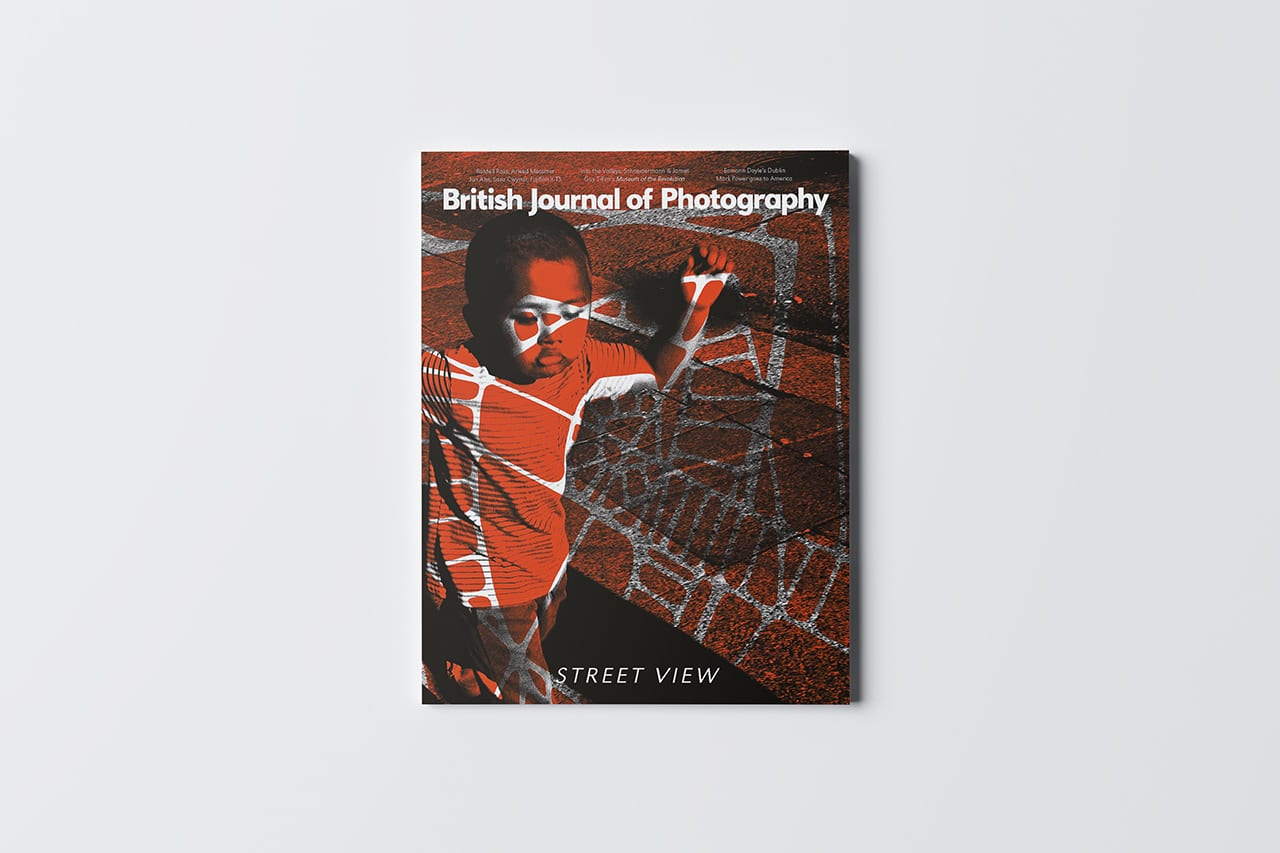
From the bustling cities in the work of Eamonn Doyle and Guy Tillim, to Mark Power’s survey of decaying American landscapes, and a collaboration between Clémentine Schneidermann, Charlotte James, and a group of children in South Wales – this month’s issue is dedicated to the idea of the street as a site of theatre and historical spectacle.

5 March 2019

Q&A: Almanacco Toilet Club by Valentina Neri

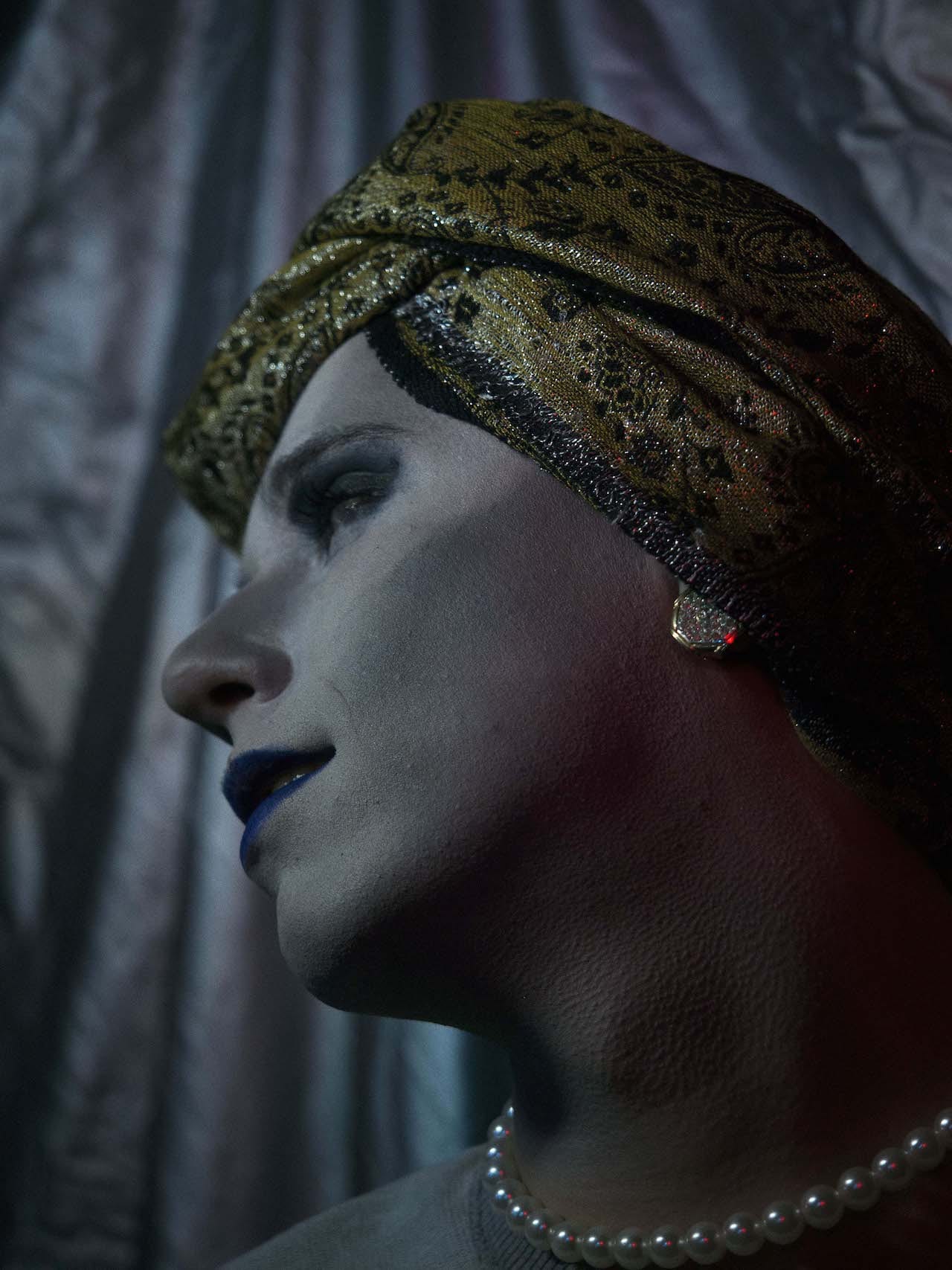
27-year-old photographer Valentina Neri’s first book, Almanacco Toilet Club, is playful and bold – just like her subjects. Shot between 2014-2016 in one of Milan’s most important gay clubbing spots, Almanacco Toilet Club captures the scene’s colourful atmosphere and eccentric characters. BJP catches up with Neri about the book’s experimental design, her process, and Milan’s LGBT community.

1 March 2019

The Unwanted: homeless in America

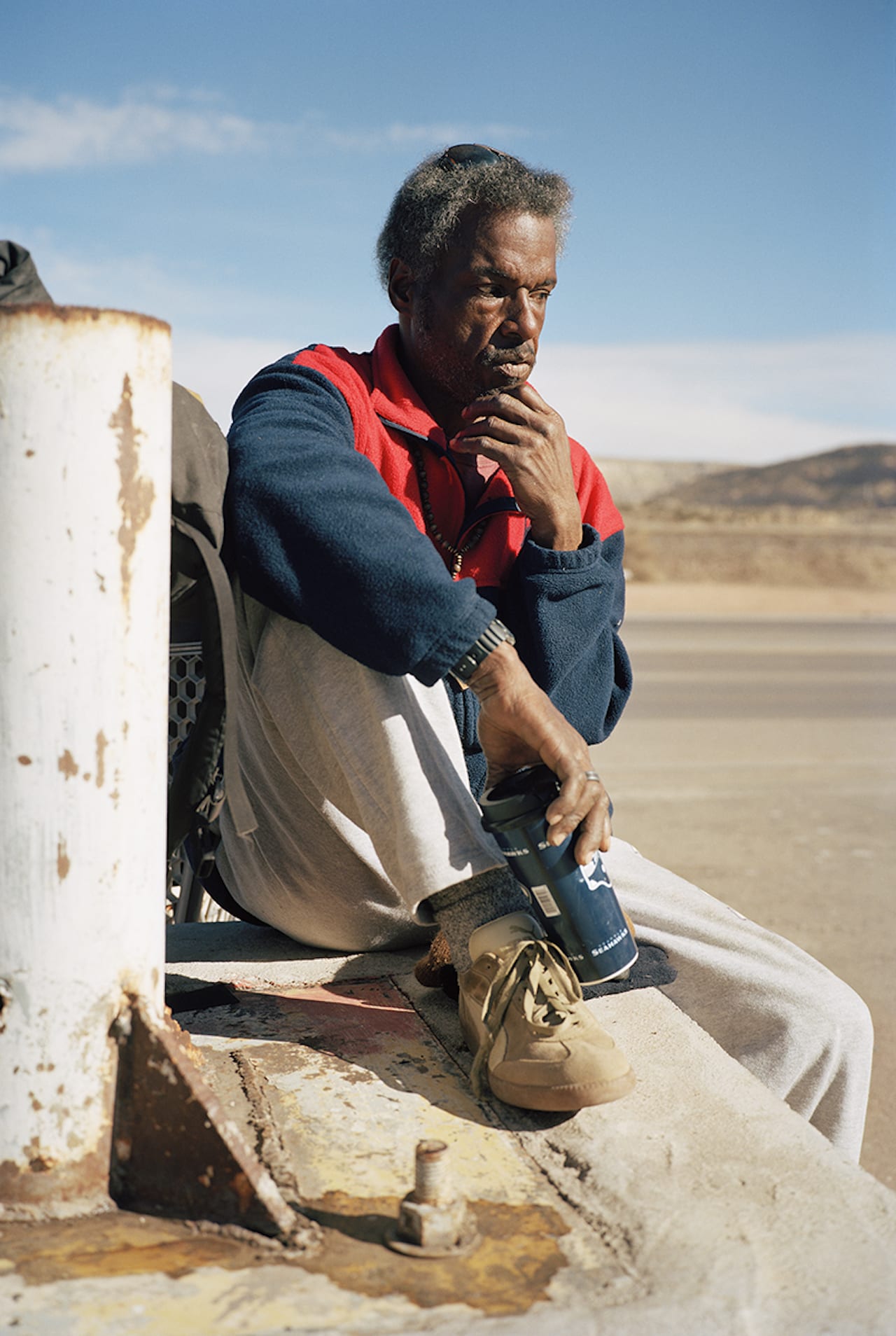
“If we don’t look at them, or if we try to sanitise it, then it’s not honest to this brutal experience of being homeless,” says Danish photographer Thilde Jensen, who is currently raising funds to publish an impressive four year project on homelessness in America, The Unwanted. Shot over four years in four American cities – Syracuse, Gallup, Las Vegas, and New Orleans, Jensen is currently raising funds on kickstarter to publish the project as a book, which will include 120 colour images, as well as a poem by Gregory George – a homeless man she met in New Orleans – and an essay by Gerry Badger.

28 February 2019

Q&A: Piero Percoco’s The Rainbow is Underestimated

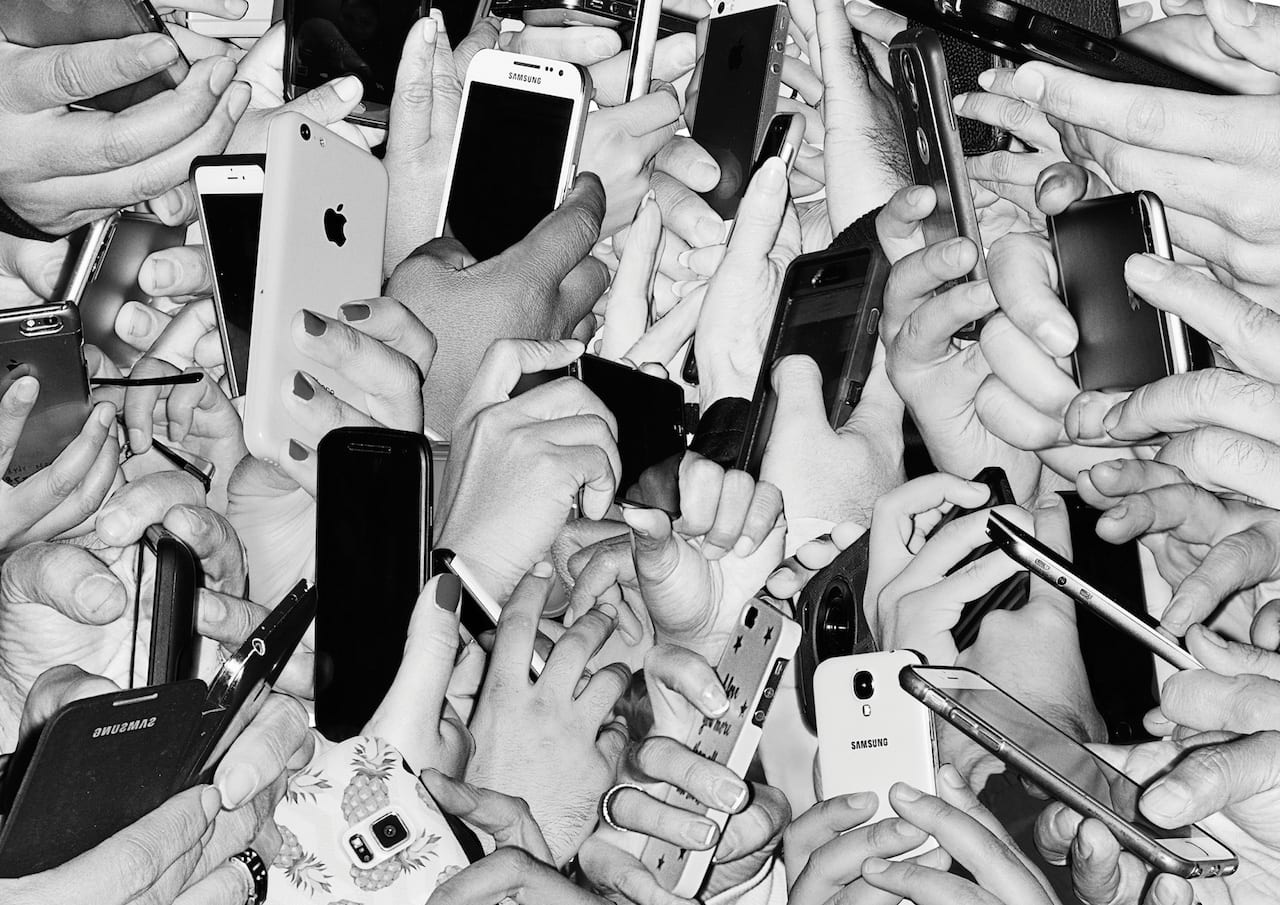
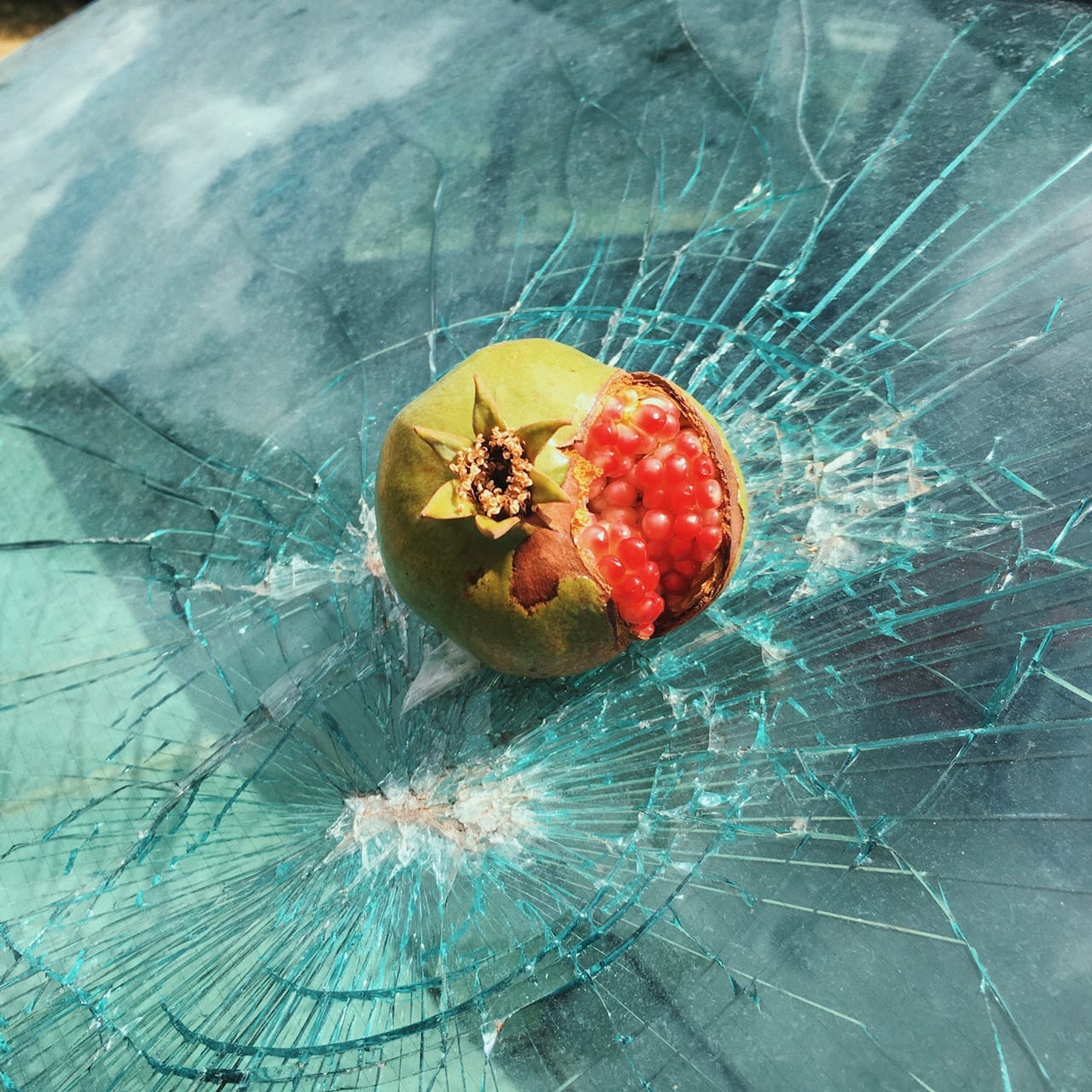
Born in 1987, Piero Percoco started taking pictures seven years ago, in his hometown Bari, Italy. He never studied photography – “I was never able to afford it,” he says – but sometimes he bought books, and inspired by photographers like Stephen Shore and William Eggleston, Percoco began to make photographs on his smartphone, and upload them to his Instagram, @therainbow_is_underestimated.
Seven years on, Percoco has 452,000 followers, and regularly posting photographs that extract the magic out of the nuances of his daily life in Southern Italy. Last year, he published his first book with Skinnerboox, Prism Interiors, which was edited by American photographer and publisher Jason Fulford.
Now, as his second book with Skinnerboox, The Rainbow is Underestimated, becomes available for preorder, BJP catches up with the photographer about his new release and how he built his career through social media.

27 February 2019

Berenice Abbott: Portraits of Modernity, on show in Barcelona

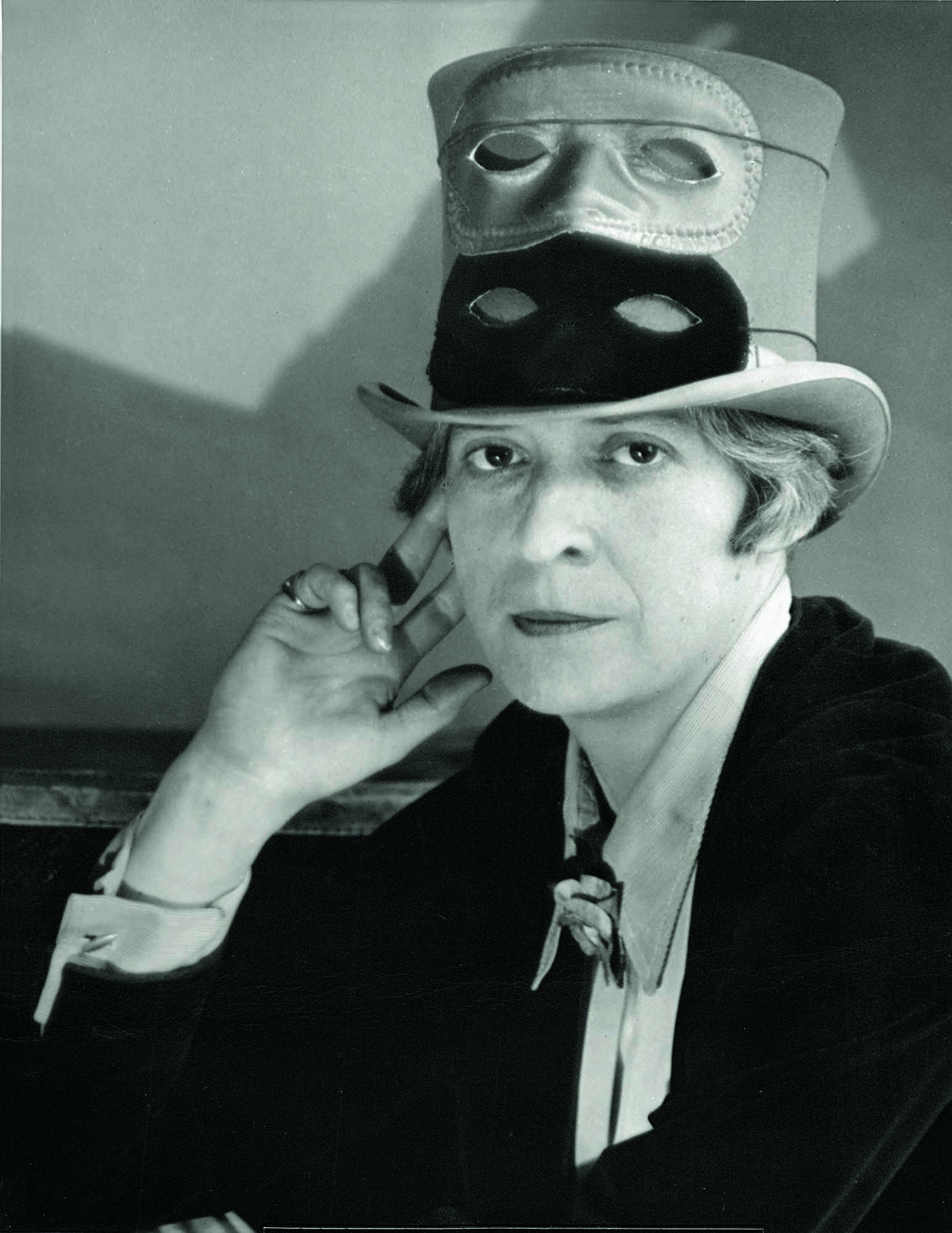
“To me photography is a means, perhaps the best means of our age – of widening knowledge of our world. Photography is a method of education, for acquainting people of all ages and conditions with the truth about life today,” wrote photographer Berenice Abbott, in an unpublished text from 1946, Statement in Regard to Photography Today. Berenice Abbott: Portraits of Modernity will run at the Fundación MAPFRE in Barcelona till 19 May 2019. Following its showing in Barcelona, the exhibition will go on display at the Fundación MAPFRE’s Sala Recoletos in Madrid from 01 June till 23 August.

25 February 2019

Mona Kuhn’s abstraction of being

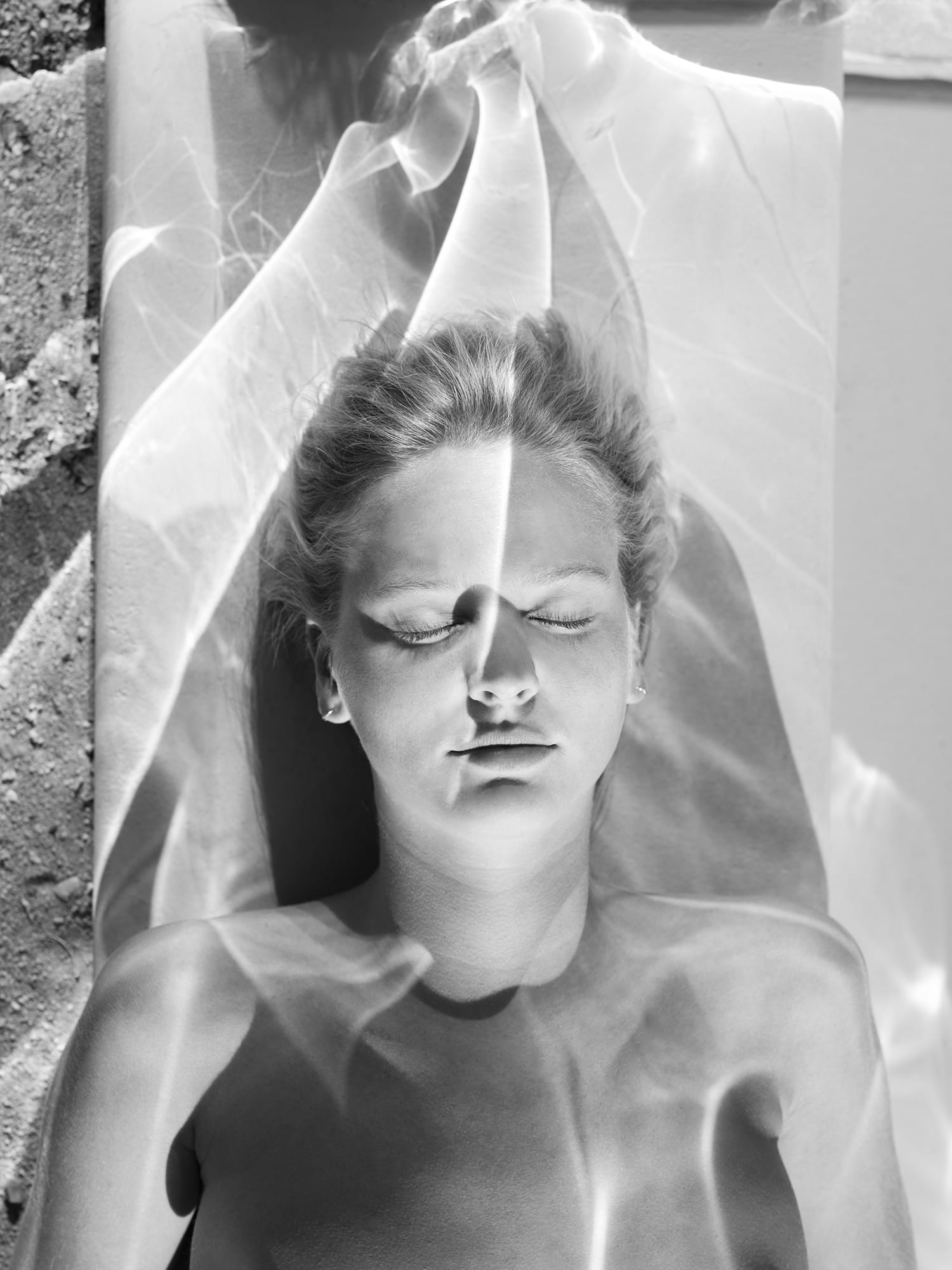
“I got into photography because I’m a little restless, and I liked that it was fast,” says Brazilian photographer Mona Kuhn, who has just published her sixth book with Steidl, She Disappeared Into Complete Silence. Even so, the speed of photography haunted her, as Kuhn feared that her photographs would be consumed then discarded – like so many of the magazines she read and tossed away. “I wanted to stop time with photography,” she says. “That’s another reason I got into nudes, for the timeless aspect.”

She Disappeared Into Complete Silence is an experimental project shot in Acido Dorado, a reflective house in the middle of the Californian desert designed by American architect Robert Stone. Inside it are mirrored ceilings and walls, which refract sheets of golden desert light that flood the house. Here, Kuhn presents a solitary nude on the edge of the desert, removed from any symbols of time, creating “an abstraction of being,” and “a space where our mind resides”. 

22 February 2019