

In the 1950s, El Barrio Chino in Havana, Cuba, was one of the largest Chinatowns in Latin America. Now dubbed “A Chinatown with no Chinese,” its remaining residents are committed to its survival
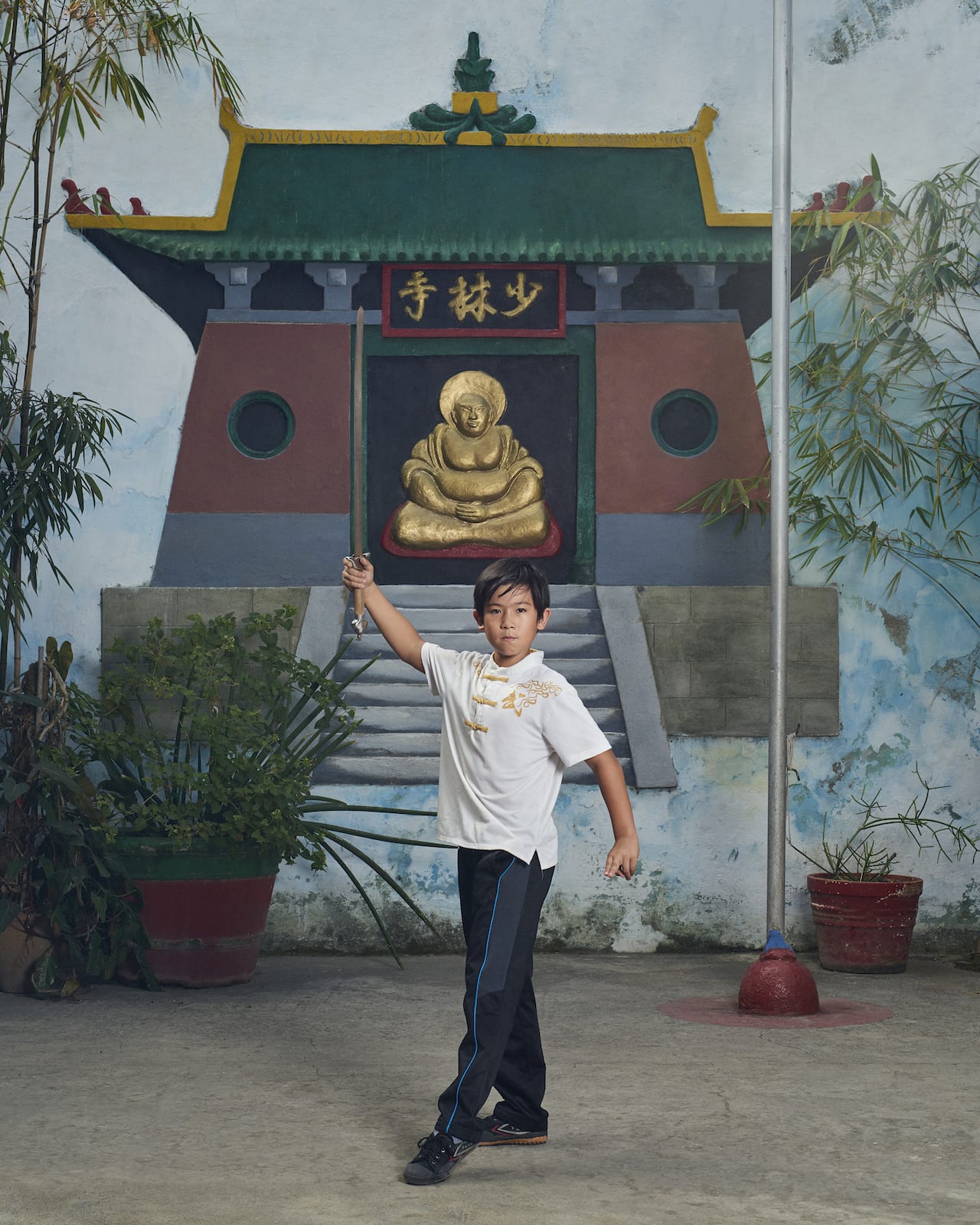

In the 1950s, El Barrio Chino in Havana, Cuba, was one of the largest Chinatowns in Latin America. Now dubbed “A Chinatown with no Chinese,” its remaining residents are committed to its survival
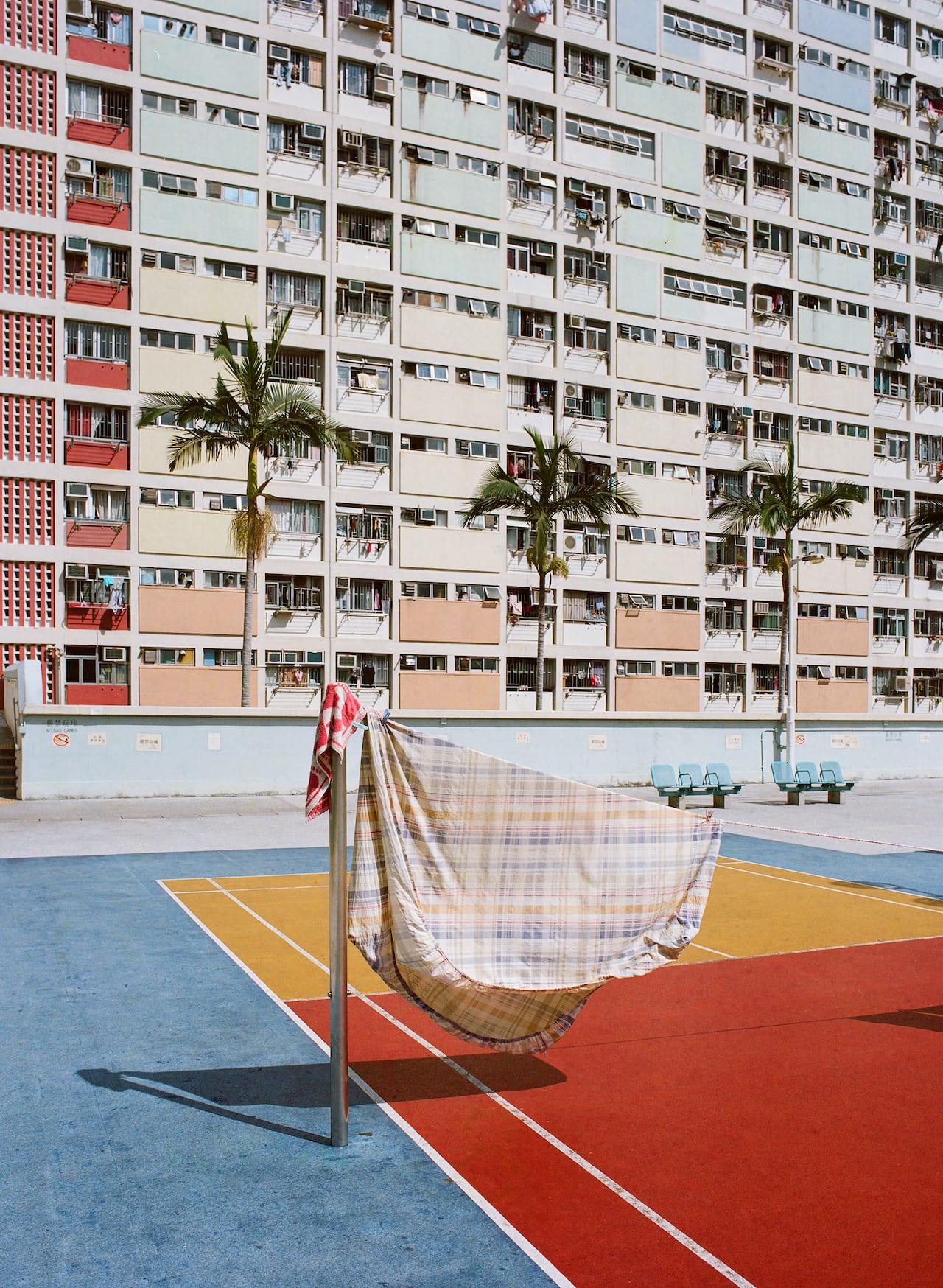
Ho Wing Ka Jimmi’s colourful images of Hong Kong show how residents of one of the world’s most densely populated cities are challenging the use of public space
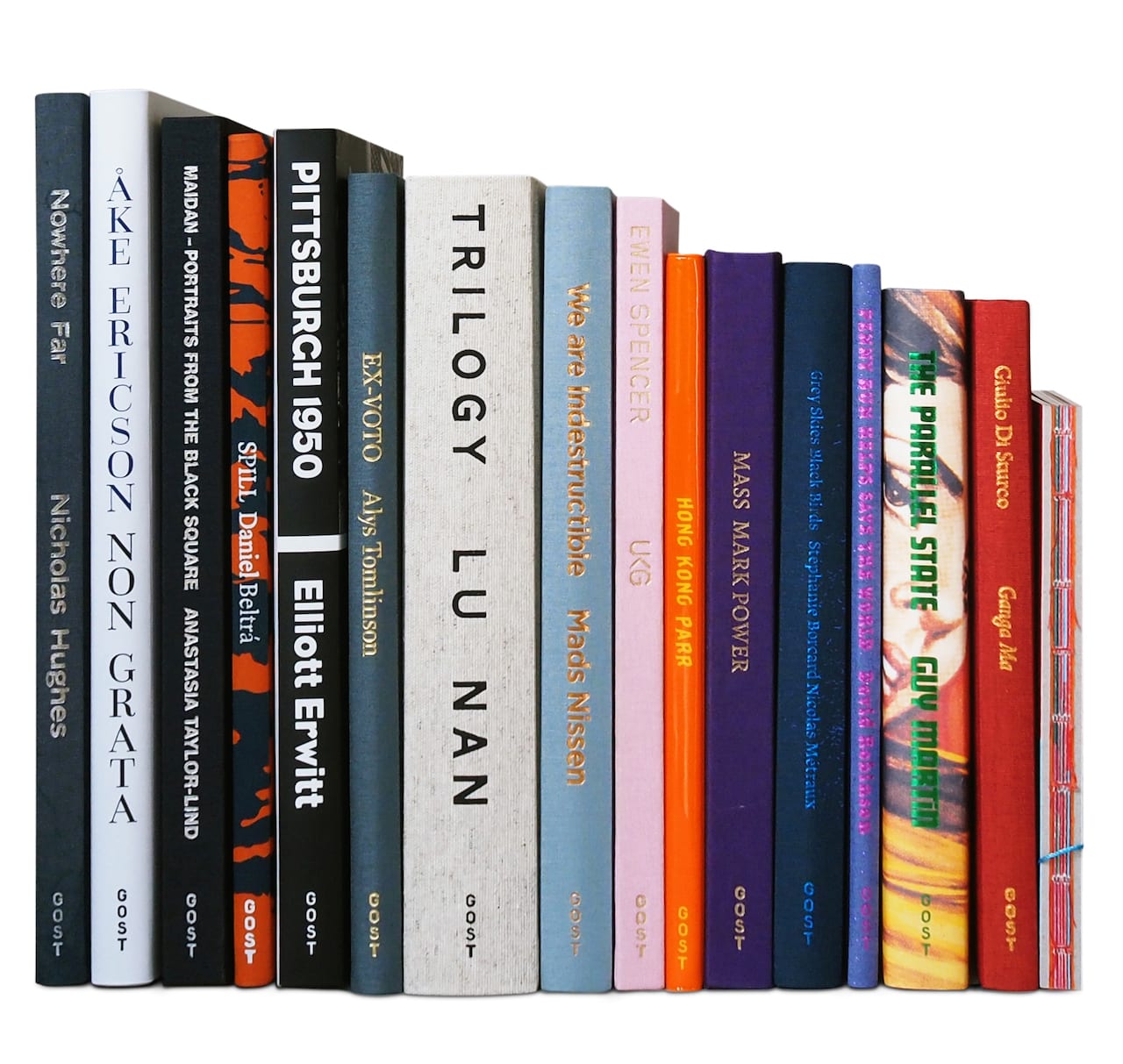
The inaugural award calls for entries from unpublished photographers, with the winning work to be edited, designed, and distributed by the ICP/GOST imprint, along with an exhibition at ICP’s new space in New York
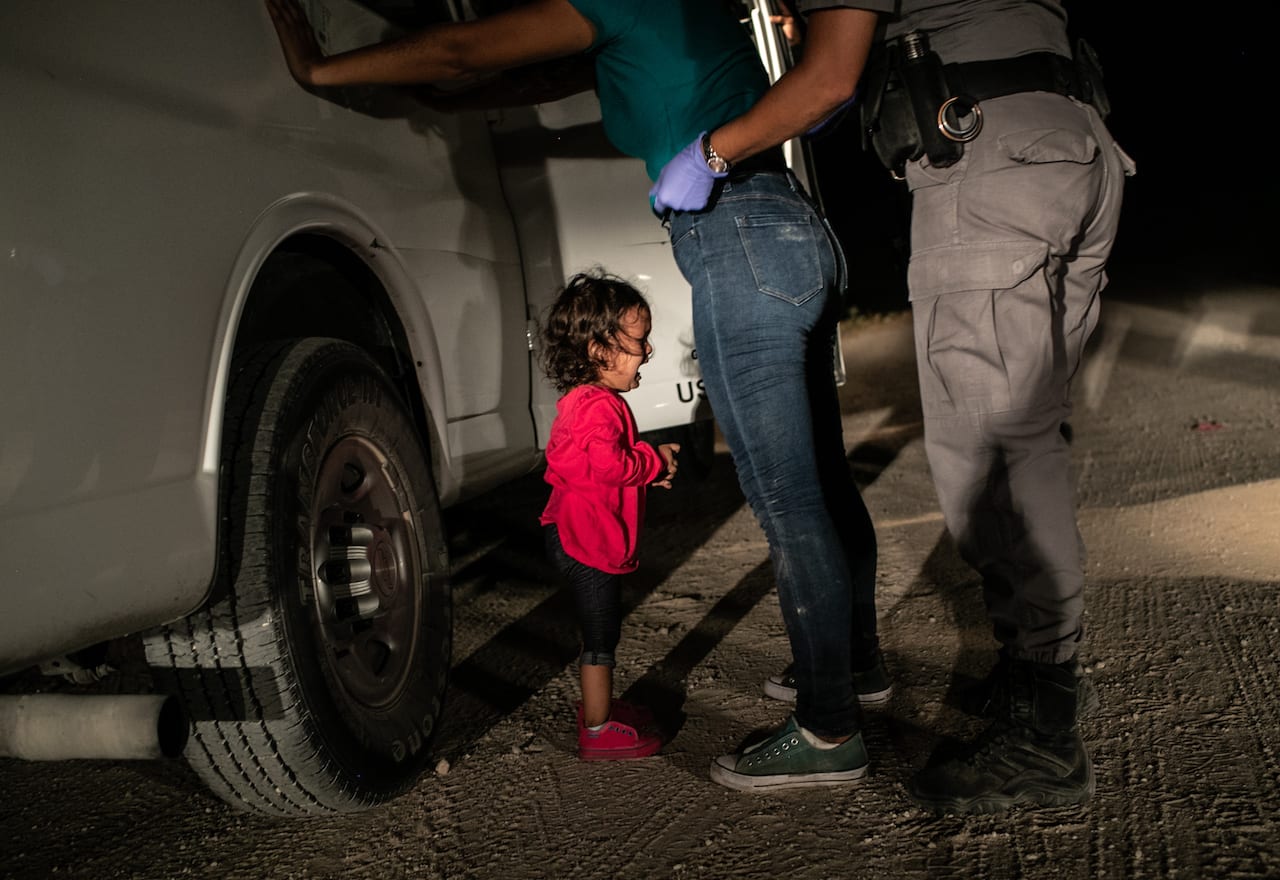
“Throughout my decade of coverage, the goal has always been to humanise this complex issue of immigration,” says John Moore, who’s nominated image from June 2018, Crying Girl on the Border, became a symbol of the families pulled apart by Trump’s “zero tolerance” immigration policy.
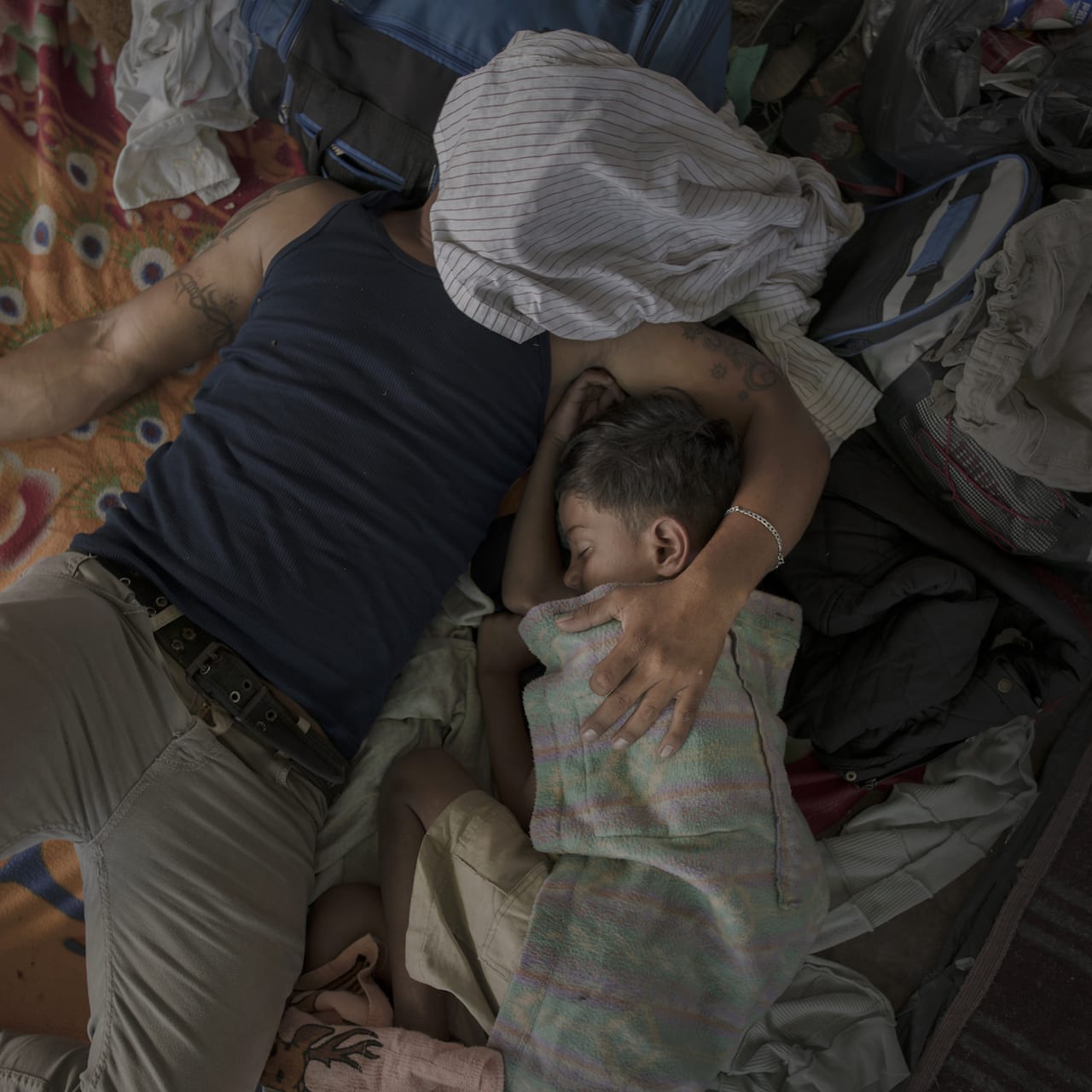
“I think that today, we need to be able to tell stories in differently, to be able to connect to as many viewers as we can,” says World Press Story of the Year-nominated Pieter Ten Hoopen. “We’re heading towards a new phase. Before, a single image could become iconic for a whole war, or a situation of despair. Now it’s different, and I think we need to be able to tell stories in a more sensitive way.”
Hoopen’s nominated photographs for World Press Story of the Year follow the movement of thousands of Central American migrants who joined a caravan heading to the United States border between October and November 2018. It is estimated that over 7,000 people – at least 2,300 of them children – joined the trek, making it the largest caravan of migrants in recent history, according to UN agencies.
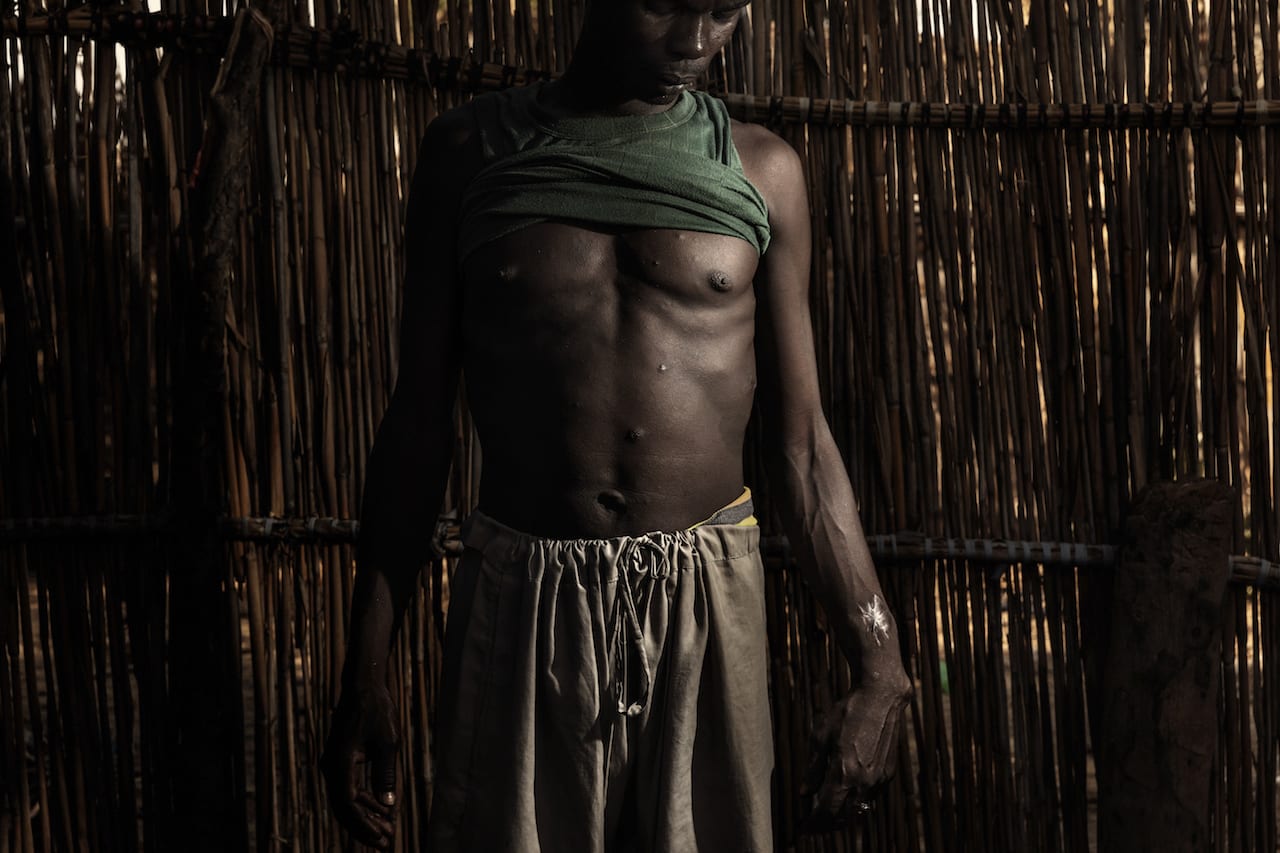
Born in Parma, Italy, in 1976, Marco Gualazzini began his career as a photographer in 2004, at the age of 28, for his towns local paper La Gazzetta di Parma. Since then he has covered topics such as microfinance in India, freedom of expression in Myanmar, and the discriminations of Christians in Pakistan, which have published in The New York Times, Al-jazeera, The Sunday Times, among many others.
Over the last few years he has been working extensively in Africa, documenting the desertification of what was once one of Africa’s largest lakes, and a lifeline to 40 million people on the continent. Gualazzini’s work has been double nominated for both World Press Photo of the Year and World Press Story of the Year.
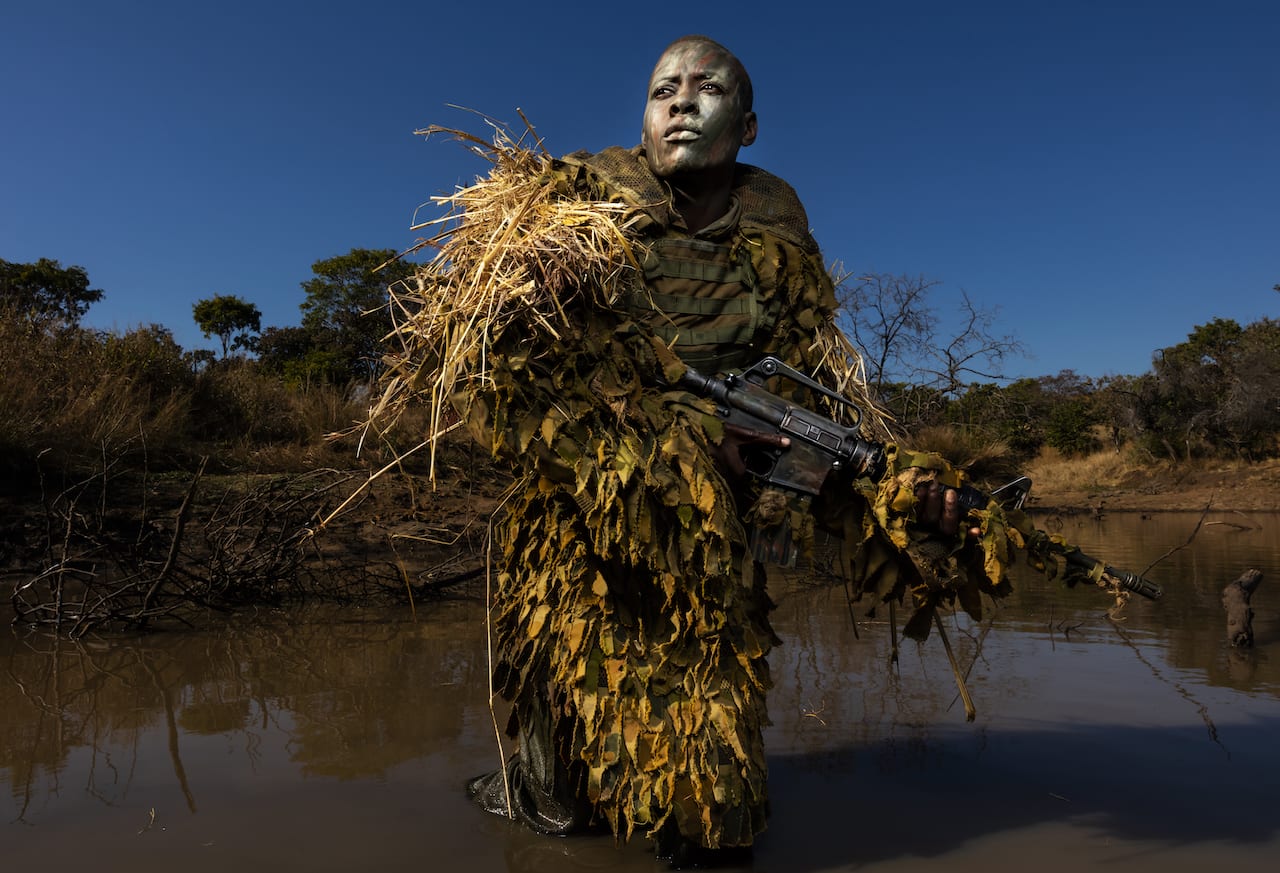
Petronella Chigumbura is a member of Akashinga, an all female anti-poaching unit that operates in Zimbabwe’s Lower Zambezi ecosystem. In Shona – the native language of Zimbabwe – Akashinga means the brave ones. Many of the members are victims of sexual violence and domestic abuse, recruited by the International Anti-Poaching Foundation (IAPF), and trained rigorously to serve on Africa’s frontline against poaching.
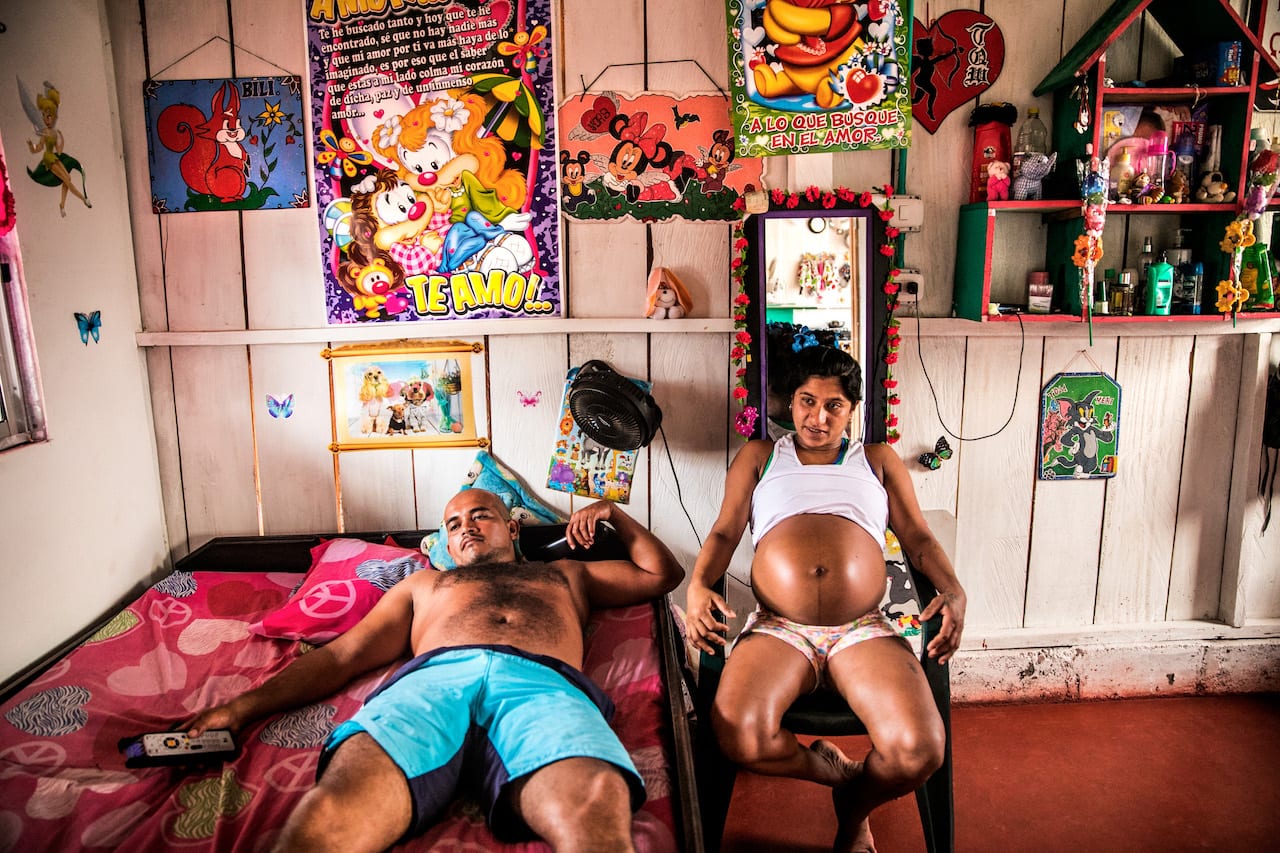
In Catalina Martin-Chico’s World Press Photo of the Year-nominated image, former guerilla fighter Yolanda is photographed with her husband Michael in their home in the Colombian jungle. It is their sixth pregnancy, but for the first time, Yolanda will be delivering a baby.
Until three years ago, when a peace deal was signed with the Colombian government, Yolanda was a member of the country’s largest rebel group, the Revolutionary Armed Forces of Colombia (Farc). Pregnancy was forbidden, so many female members underwent abortions. Yolanda has had five abortions – her last pregnancy terminated at six months. “She feels that now, she deserves this baby,” says Martin-Chico.
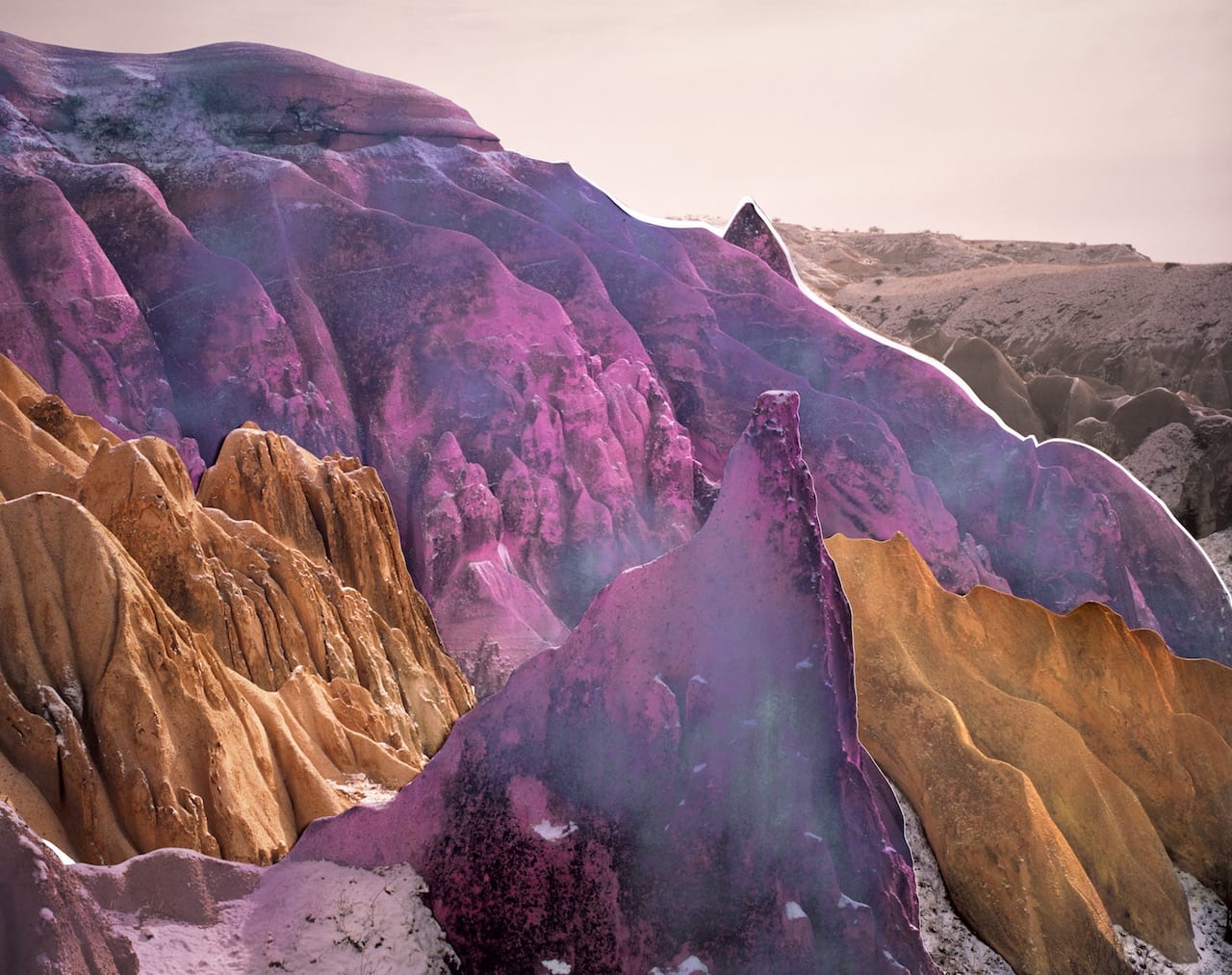
Douglas Mandry’s new book uses analogue processes to challenge the limits of reality and photography
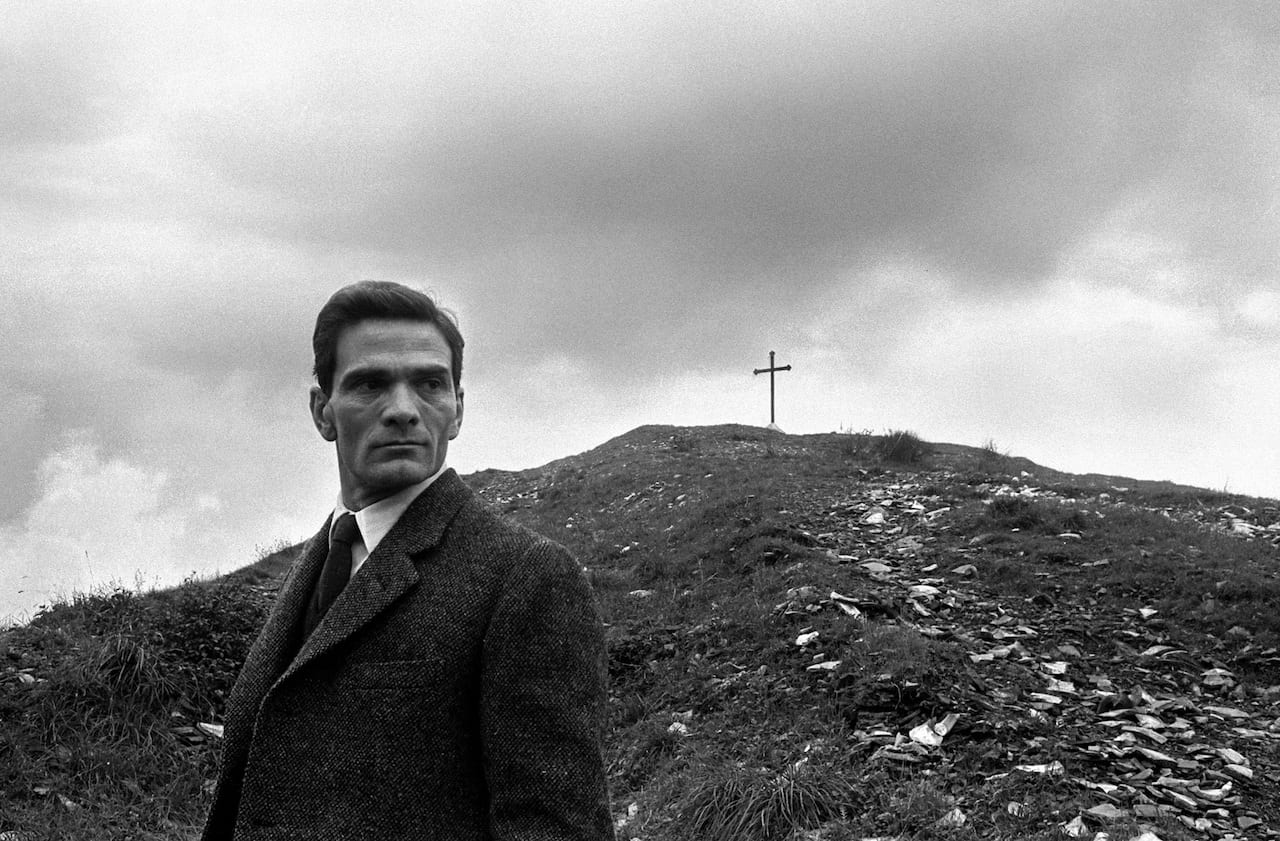
Our pick of the key stories from the past week, including an interview with Stephen Gill, the Sony World Photography Award shortlist, and an exhibition of work by Paolo Di Paolo